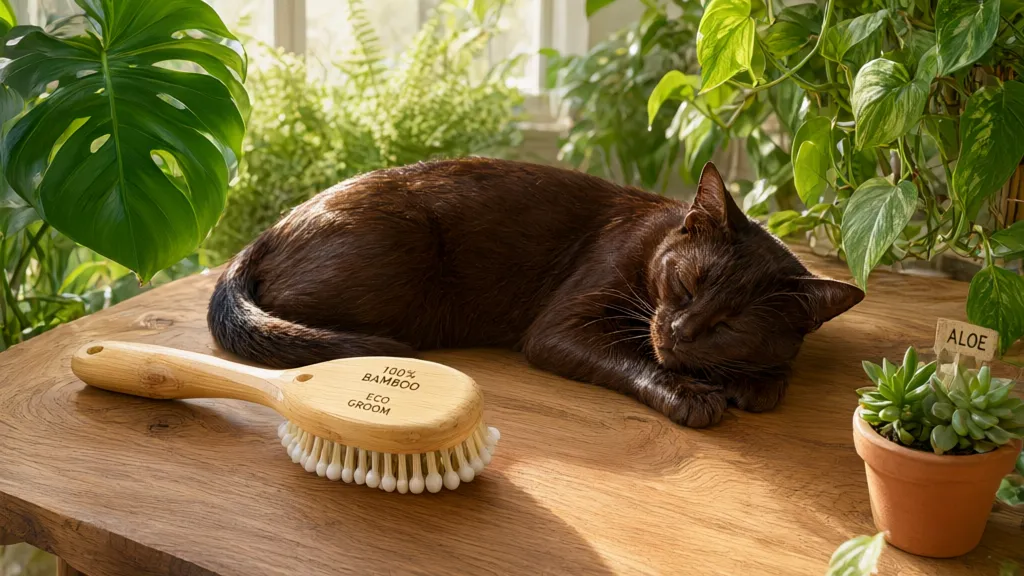
Eco-Friendly Cat Grooming Practices
Eco-friendly grooming products for cats are formulated with ingredients that minimize environmental harm while ensuring the safety and well-being of felines. These products typically exclude harmful chemicals such as parabens, sulfates, and synthetic fragrances, which can cause skin irritations and allergic reactions in cats. Instead, they use plant-based, biodegradable ingredients that effectively cleanse and condition...
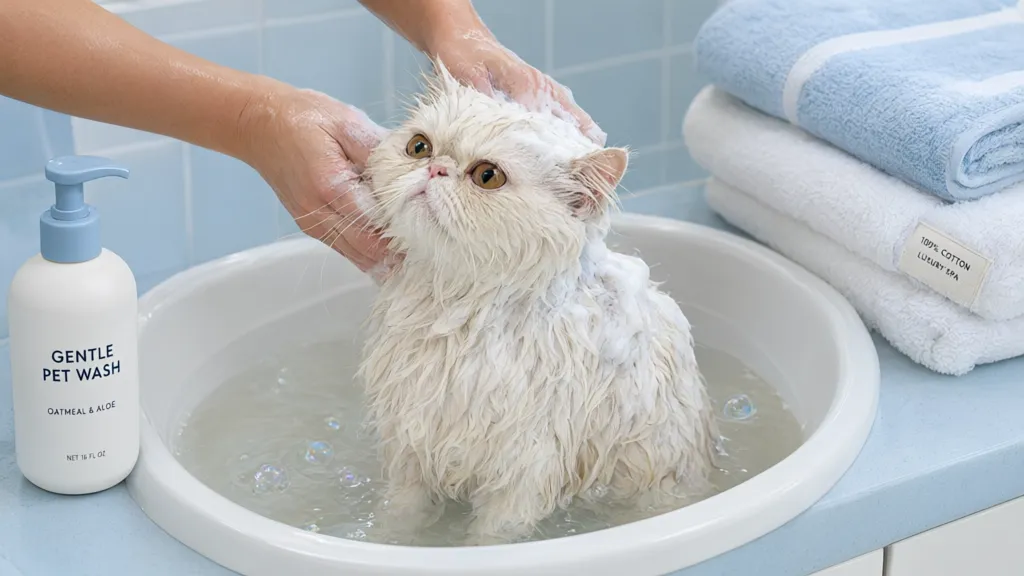
The Dos and Don’ts of Bathing Your Cat
Assessing your cat’s specific needs before bathing is paramount. Not all breeds require frequent baths; for instance, Persian cats may benefit from regular grooming to manage matting due to their long fur, whereas short-haired breeds like the American Shorthair typically maintain cleanliness through self-grooming. Evaluate your cat’s coat condition; if it presents excessive dirt or...
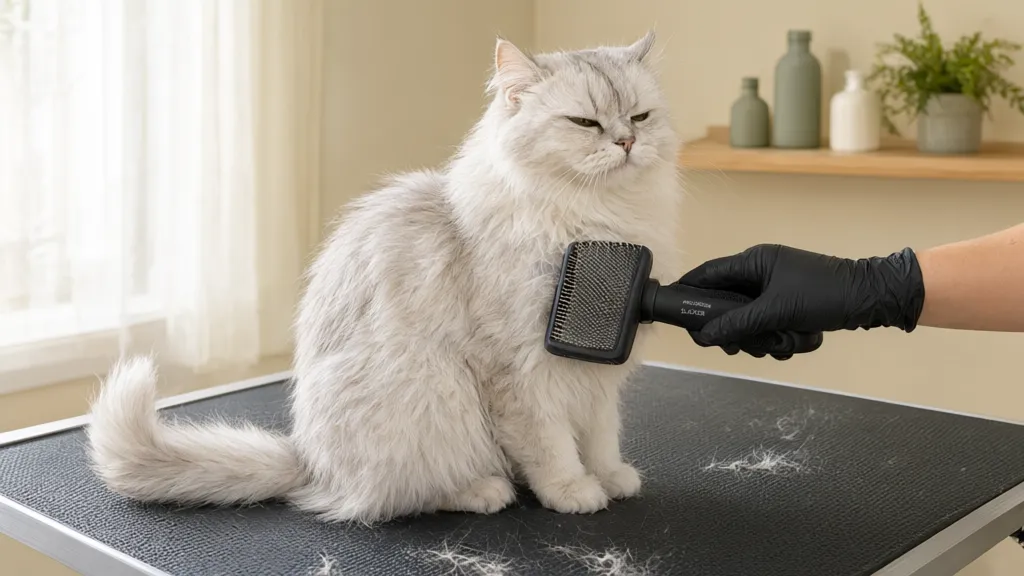
Safe Cat Grooming: Avoiding Injuries and Stress
Regular grooming is essential for maintaining feline hygiene, but it can lead to injuries if not conducted with careful techniques. Selecting the appropriate tools is crucial; for instance, a slicker brush is effective for removing loose fur and preventing matting, while a rubber grooming mitt can help desensitize anxious cats prior to using more invasive...
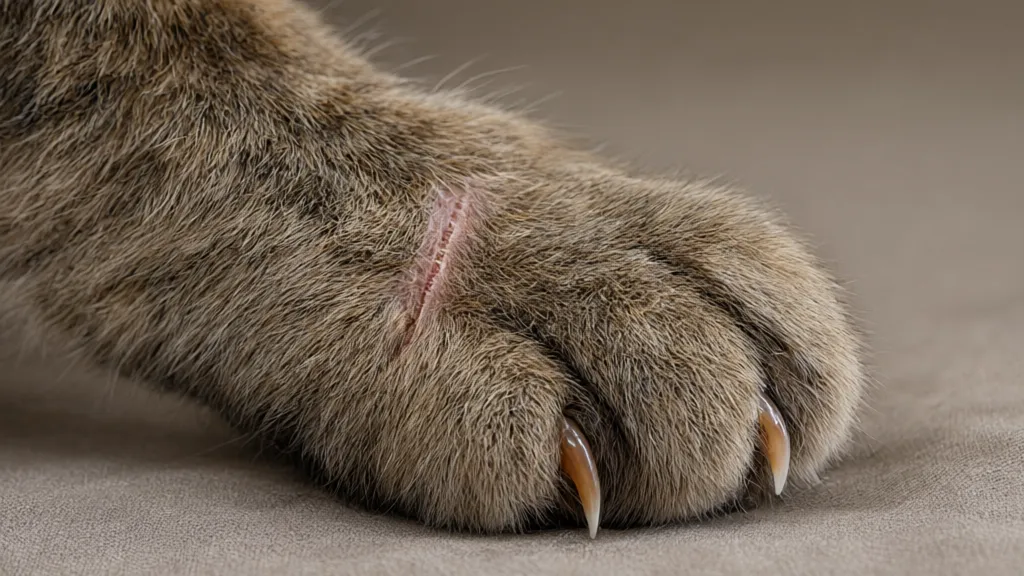
First Aid for Cat Claw Injuries
Cat claw injuries often result from accidental scratches or bites sustained during play or while handling, but these incidents can also arise from fights with other animals. The physical structure of a cat’s claw, composed of keratin, allows for significant penetration into the skin, leading to lacerations that may expose underlying tissues. The degree of...
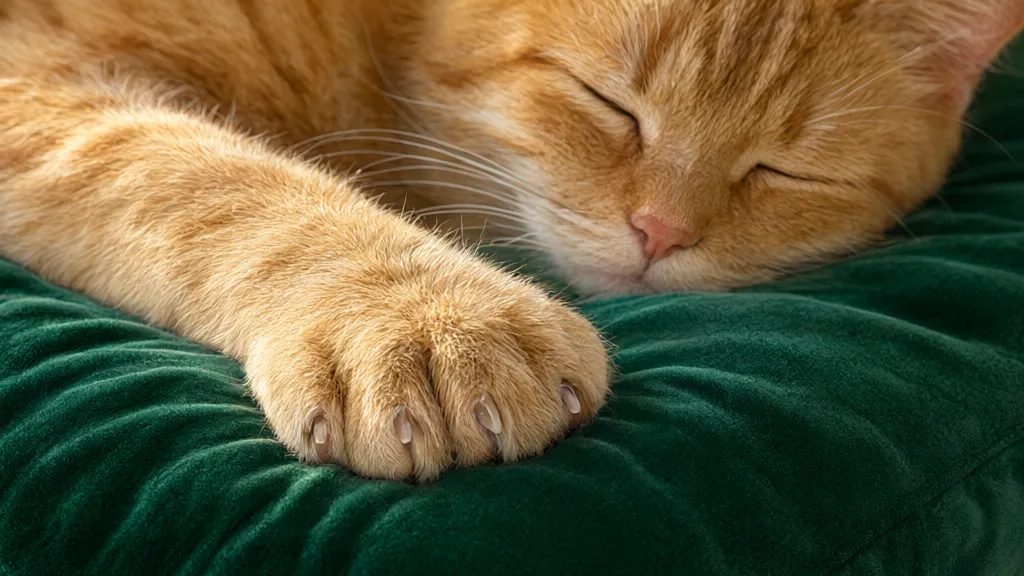
The Importance of Regular Nail Trims for Cats
Regular nail trimming in cats serves multiple critical functions that directly impact their physical health and behavioral well-being. Overgrown nails can lead to persistent discomfort, restricting a cat’s ability to engage in natural behaviors such as climbing or scratching, resulting in physical stress and potential behavioral issues. One of the direct benefits of regular nail...
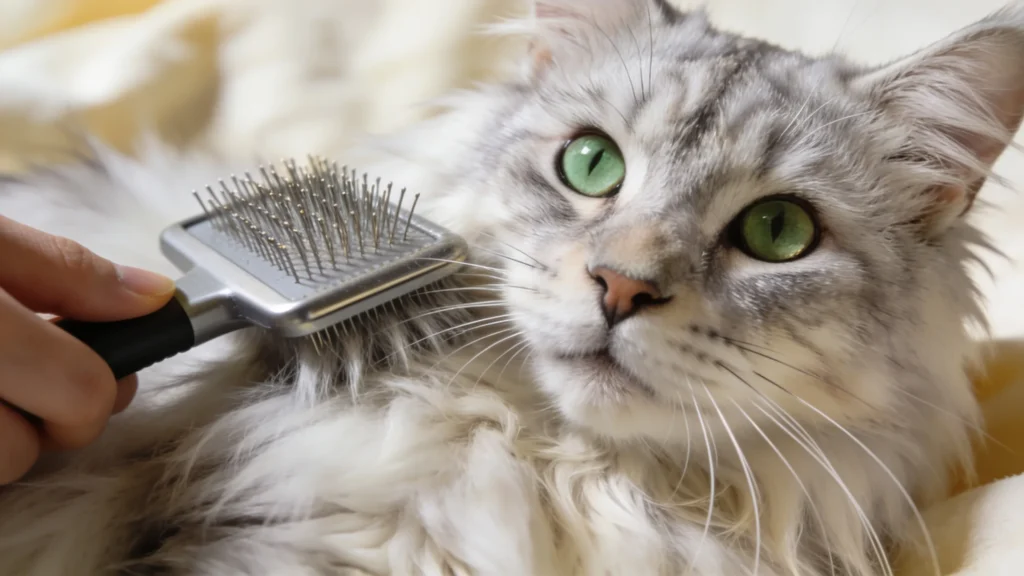
Mastering Cat Grooming: Essential Tips for a Healthy Coat
Cat coat types exhibit significant genetic diversity, influenced by breed-specific characteristics and environmental factors. Understanding these variations very important for effective grooming and health management. The primary coat types include short, medium, and long, each with unique grooming needs and predispositions to certain conditions. Short-haired cats, such as the American Shorthair and Siamese, generally require...
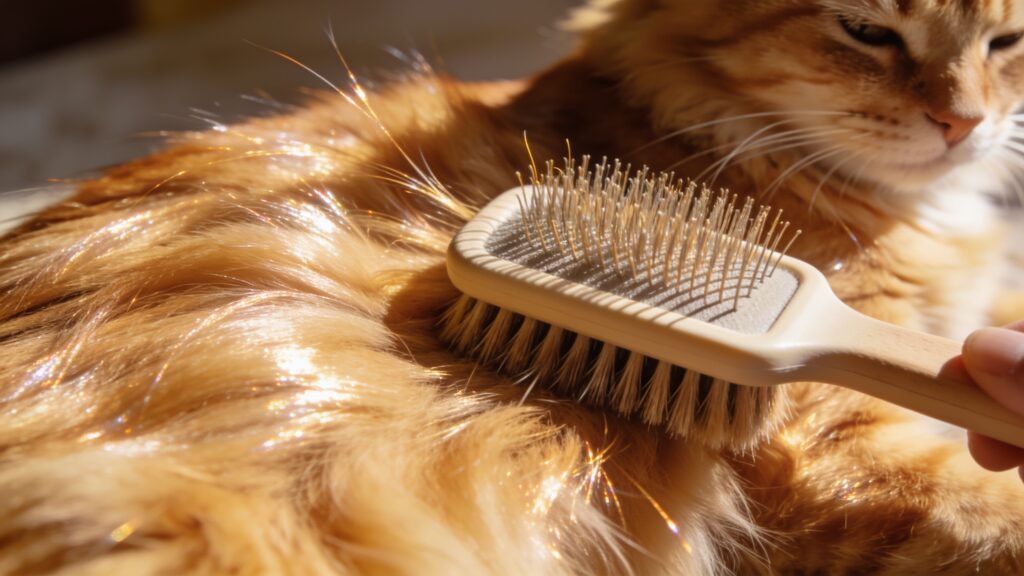
How to Keep Your Cat’s Coat Glossy and Smooth
M mantener el pelaje de un gato en condiciones óptimas, es crucial centrarse en la nutrición. La calidad de la dieta influye directamente en la salud del pelaje. Un alto contenido de ácidos grasos omega-3 y omega-6 es esencial, ya que estos nutrientes son responsables de la hidratación de la piel y el brillo del...
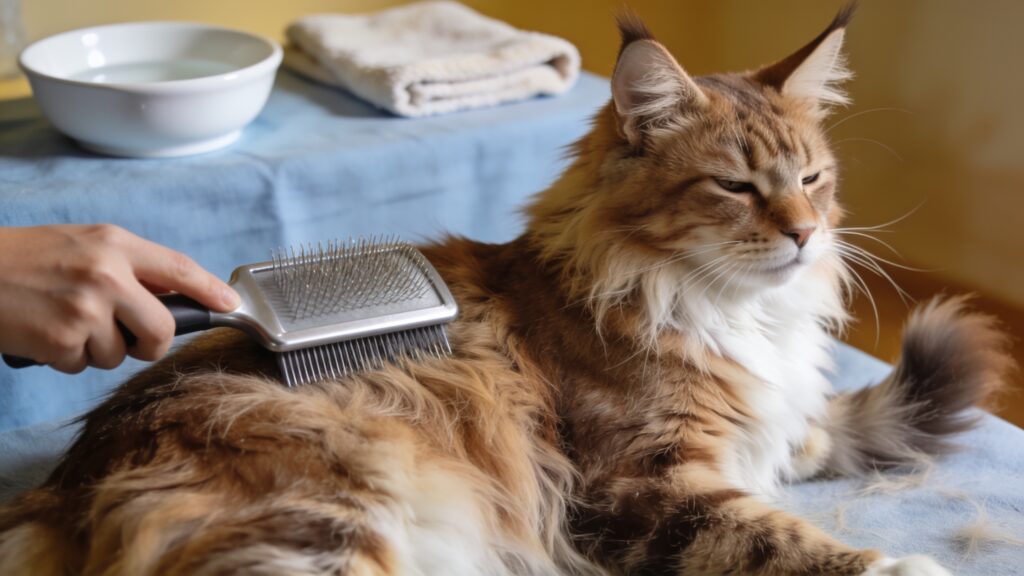
Specialized Grooming Care for Specific Cat Breeds
Long-haired cat breeds, such as Maine Coons, Persians, and Ragdolls, have unique grooming requirements due to their dense, flowing coats. Daily grooming is essential to prevent matting, which can lead to skin irritation, infections, and discomfort. The undercoat of long-haired breeds is particularly prone to tangling, necessitating the use of specialized grooming tools such as...
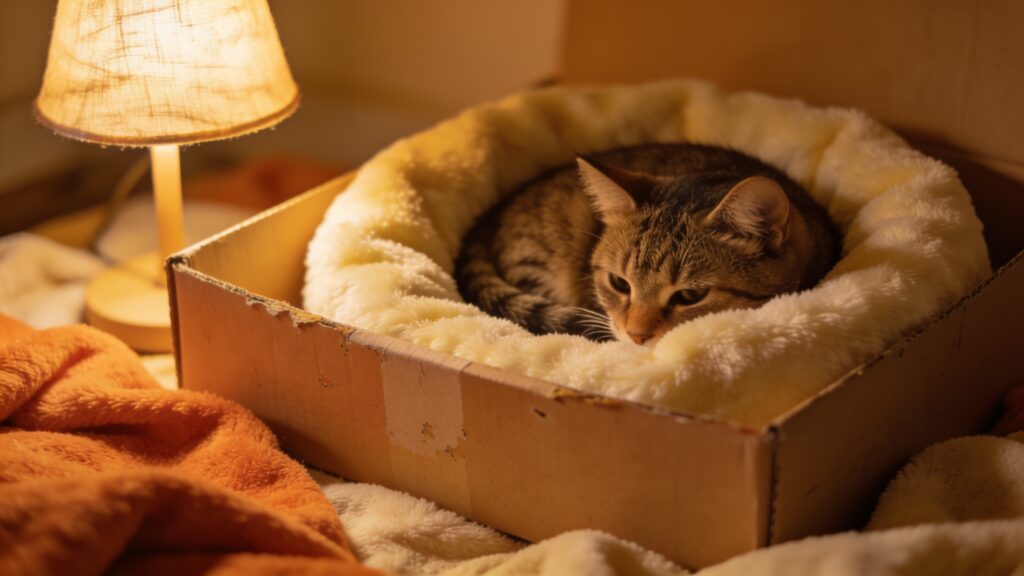
Building Trust: Grooming a Shy or Rescued Cat
Understanding the nuances of shy and rescued cats requires recognition of their unique histories and the stressors they have endured. Feline behavior is deeply influenced by genetics, early life experiences, and traumatic events. For instance, cats that have experienced neglect or abuse may develop heightened anxiety, which manifests as avoidance behavior. Genetic predispositions can also...