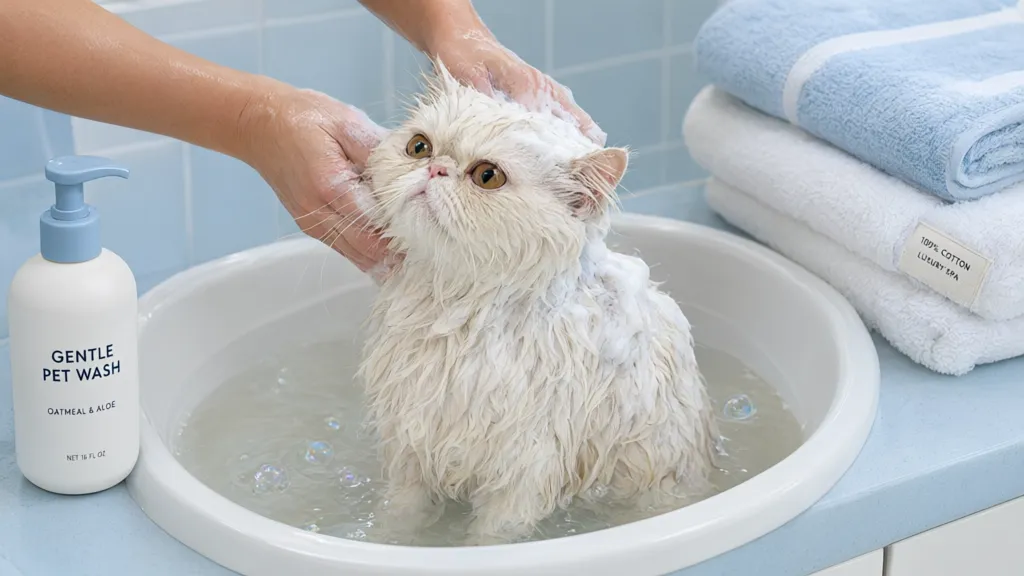
Assessing your cat’s specific needs before bathing is paramount. Not all breeds require frequent baths; for instance, Persian cats may benefit from regular grooming to manage matting due to their long fur, whereas short-haired breeds like the American Shorthair typically maintain cleanliness through self-grooming. Evaluate your cat’s coat condition; if it presents excessive dirt or oiliness, a bath may be warranted.
Gather essential supplies before initiating the bathing process. Prepare a non-slip surface for the cat to stand on, as fear of slipping can exacerbate anxiety. Use a tub, sink, or basin with warm water; temperature especially important, as water that’s too hot or cold can stress your cat. For washing, select a feline-specific shampoo which maintains skin pH and is formulated to avoid irritation; human shampoos can disrupt the protective barrier of a cat’s skin.
Before the bath, ensure your cat is well-groomed. Brush your cat to remove loose hair, mats, and debris. This step not only reduces shedding during bathing but also helps familiarize your cat with being handled in potentially sensitive areas. If your cat has claws, consider trimming them to minimize scratching risks during the bath.
Familiarize your cat with the bathing environment. Allow your cat to explore the bathing area without the pressure of immediate bathing. You can place treats or toys near the water source to create positive associations with the space. Gradual acclimatization is vital for anxious or sensitive cats.

Temptations Creamy Puree Cat Treats, Chicken, Salmon & Tuna, 24 Count | Chicken, Salmon, Tuna flavors, under 15 cal/tube, no added sugar/fillers, squeezable treat or meal topper, great for seniors
EUR 10.47 (as of October 4, 2026 19:37 GMT +00:00 - More infoProduct prices and availability are accurate as of the date/time indicated and are subject to change. Any price and availability information displayed on [relevant Amazon Site(s), as applicable] at the time of purchase will apply to the purchase of this product.)During preparation, keep distractions to a minimum. Reduce noise and movement around the bathing area as cats are highly sensitive to environmental stimuli. The presence of loud sounds or sudden movements can trigger fright responses, leading to aggressive behavior or escape attempts. It’s advisable to have a partner to assist, allowing one person to focus strictly on calming the cat while the other handles bathing.
Hydration is critical. Ensure your cat has access to fresh water before bathing, as stress can lead to weakened physiological responses. Additionally, offer small, frequent treats throughout the preparation stage to reward calm behavior. Use calming pheromone sprays or diffusers to reduce anxiety; these products can have both immediate and lasting effects on your cat’s state of mind.
Lastly, prepare for post-bathing cleanup. Lay down towels to absorb excess water, and have a drying towel on hand to help minimize your cat’s anxiety post-bath. Be ready with a blow dryer on a low, cool setting if the cat is accustomed to it, keeping a distance to avoid overheating.
Essential Bathing Techniques
The bathing process should begin with a gentle and calm approach. Secure your cat in a safe manner, whether by using a pet carrier or holding them gently, to prevent escape during the bathing procedure. Gradually submerge your cat into the prepared warm water, ensuring that their back is the first part to contact the water, allowing them to acclimate more comfortably. Avoid fully immersing the cat; instead, aim to keep the water level only up to their lower body while avoiding the head initially.
When applying shampoo, use a product specifically designed for feline use. This minimizes the risk of skin irritation. Begin at the neck and work downward toward the tail, using your fingers to massage the shampoo into the coat in circular motions. This method not only cleans but also stimulates circulation and can build trust. Pay attention to areas where dirt accumulates, such as under the legs and around the tail, ensuring thorough coverage without causing anxiety.
To clean the face, use a damp washcloth rather than submerging the head. Cats often panic when water approaches their face; a washcloth enables control over the amount of moisture applied. Wipe gently around the eyes, whiskers, and mouth, avoiding direct contact with the eyes and ears to prevent irritation or infection.
Rinse thoroughly with warm water, aimed at keeping shampoo residue to an absolute minimum. Residual shampoo can lead to skin irritation and dermatitis. It is critical to adjust the water’s direction to control the flow, avoiding any sudden splashes that could startle the cat.
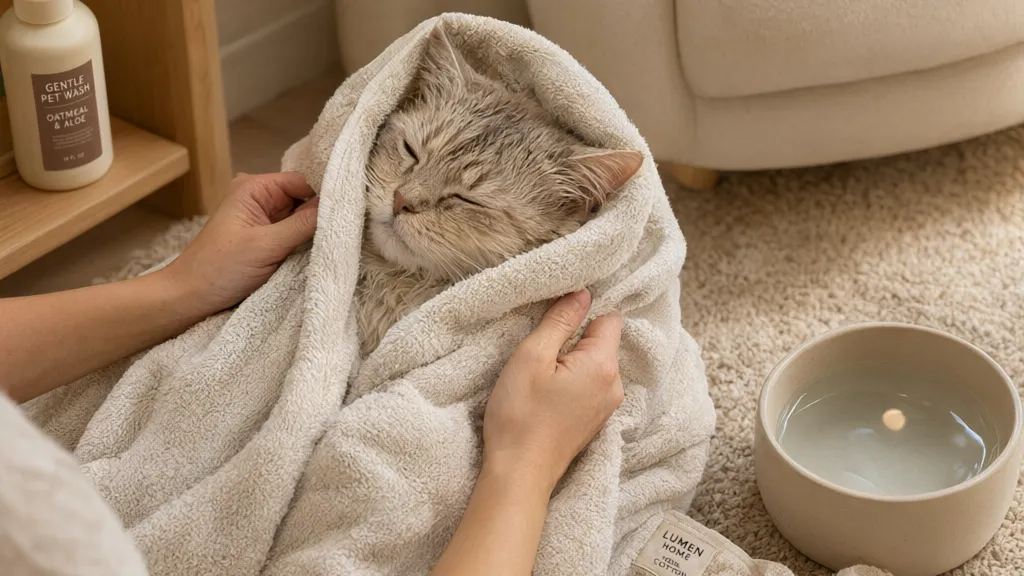
After rinsing, gently squeeze excess water from the coat without pulling on the fur. Wrap your cat in a dry towel, prioritizing warmth and comfort. That’s crucial; a cat can rapidly lose body heat when wet. If the cat tolerates it, use a towel to rub the coat, absorbing as much moisture as possible and providing a sense of security.
If a blow dryer is deemed appropriate, use it on a low and cool setting, positioned at a safe distance while maintaining a calming presence. Monitor your cat’s body language; signs of distress, such as flattened ears or attempts to escape, indicate that the cat may not be suited for this method. For those cats that are intolerant of blow dryers, allow them to dry naturally in a warm, draft-free area.
During the bathing process, engage in soft, reassuring vocalizations to reduce anxiety. Cats respond positively to a steady, gentle voice. Avoid any sudden movements or loud sounds, as these can heighten their stress levels and trigger aggressive responses.
Post-Bath Care Recommendations
After bathing, focus on ensuring your cat feels secure and comfortable to minimize stress levels. Start by wrapping your cat in a large, absorbent towel, gently rubbing to absorb excess moisture while offering warmth. Cats can lose body heat quickly, especially if they’re wet, so maintaining a cozy environment is essential. Place them in a warm, quiet space away from drafts and noise to help them settle.
Hydration remains important post-bath. Offer fresh water immediately after drying; it helps replenish fluids lost during any stress or exertion. Additionally, consider providing a small, soft treat to create a positive association with the bathing experience. Monitor your cat for signs of hydration issues like lethargy or dry gums, particularly if they were stressed during the process.
Observe your cat’s body language closely for any signs of discomfort following the bath. Common indicators include excessive grooming, vocalizations, or hiding. These behaviors may signal anxiety or skin irritation. If you notice any redness or inflammation on the skin, consult your veterinarian, as this could indicate an allergic reaction to the shampoo used or irritation from the bathing process.
Continue to provide a calm, stress-free environment. Use calming pheromones, which can help reduce lingering anxiety that may result from the bathing process. Consider setting up a cozy resting area with their favorite blanket or bed nearby, allowing them to retreat and relax at their own pace. Engaging with your cat through gentle petting or playtime can help re-establish comfort and normalcy after the bath.
In the days following the bath, watch for any unusual behaviors that may point to underlying issues. Changes in appetite, litter box habits, or grooming patterns can indicate stress or discomfort. Keep the bathing routine minimal unless necessary; frequent bathing can disrupt the natural oils in the skin and lead to dryness or dermatitis. A balanced diet supplemented with fatty acids, like omega-3, can also promote skin health and coat condition, aiding recovery after a bath.
Maintaining good grooming practices can reduce the need for baths in the future. Regular brushing tailored to your cat’s coat type aids in removing dirt and prevents matting, which can exacerbate the need for more frequent bathing. By establishing a positive post-bath routine and ensuring ongoing care, you can create a more manageable bathing process for both you and your cat.
Common Mistakes to Avoid
One of the most frequent errors is neglecting to assess your cat’s temperament. Understanding whether your cat is naturally anxious or calm can significantly influence the approach during bathing. A stressed cat may react aggressively, necessitating more secure handling, while a docile cat might require less restraint. Failing to recognize these behavioral nuances can result in injury to both the cat and the handler.
Using inappropriate products is another common oversight. Many pet owners may not realize that human shampoos and soaps are harmful due to their differing pH levels. Cats have a unique skin composition, and using products not formulated for them can strip essential oils and lead to skin irritation or allergic reactions. Always opt for products tailored specifically for feline use, and ensure that they are free from harsh chemicals such as sulfates or parabens.
Inadequate rinsing often results in the most persistent issues post-bath. Residual shampoo can lead to skin irritation or dermatitis, as cats groom themselves and inadvertently ingest potentially harmful substances. During rinsing, use lukewarm water, directing the flow gently and meticulously to ensure thorough removal of all suds, particularly in sensitive areas like the belly and under the legs.
Another frequent mistake is bathing too frequently. While there may be specific circumstances that warrant it, excessive bathing can disrupt natural oil production, leading to dry skin and associated dermatological issues. For most cats, a bath every few months is sufficient, with regular grooming being an optimal strategy to maintain cleanliness between baths.
Ignoring the temperature of the water can introduce unnecessary stress. Water this is too hot or cold can shock the cat and trigger a fight-or-flight response. Always test the water temperature with your wrist before proceeding with the bath to ensure it is comfortably warm. This simple step can greatly enhance your cat’s comfort level.
Failing to provide adequate security during the bath can also lead to disastrous outcomes. Cats that feel threatened may attempt to escape, resulting in slips or injuries. Employing a non-slip mat within the bathing area can help, and having a partner to assist can facilitate a smoother bathing experience. One person can focus on calming the cat while the other manages the washing. This mitigates anxiety and fosters trust.
Lastly, neglecting post-bath care can exacerbate the negative effects of bathing. Many owners mistakenly assume that once the bath is over, their job is done. However, immediately providing warmth, comfort, and hydration especially important for recovery. A damp cat can lose body heat rapidly, so keeping them cozy and safe afterward will promote a positive bathing experience, reducing any anxiety that may linger.