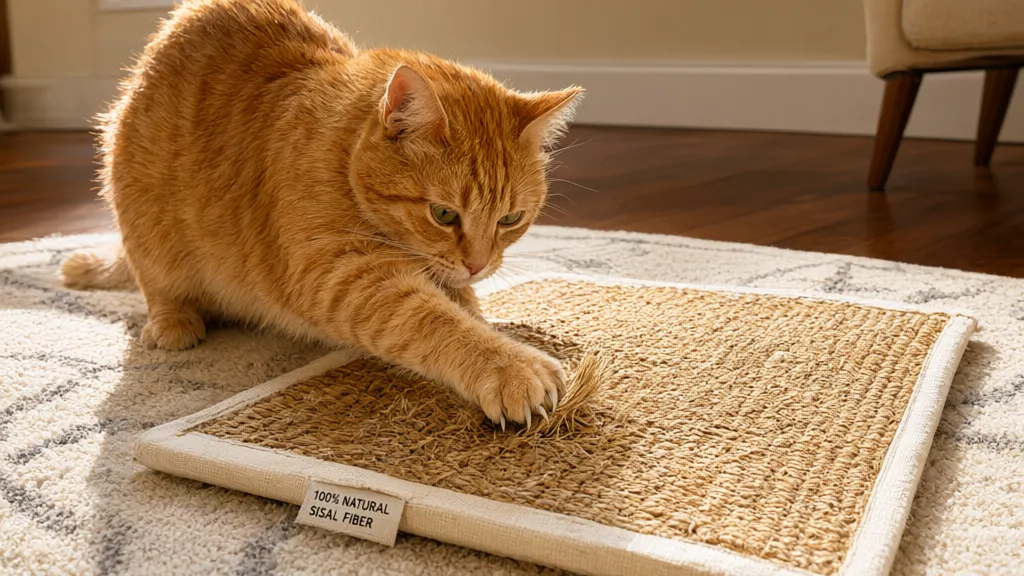
Scratching is normal feline behavior, not spite or an attempt to damage a home. Cats use it to shed the transparent outer layers of their claws, stretch the muscles of the shoulders and back, and leave visual marks and scent from glands in their paw pads. The behavior serves physical and communication needs, so punishing it can increase stress without changing the motivation.
Carpet often attracts cats because its rough, fibrous surface grips the claws and provides resistance. A cat may prefer a horizontal surface if that matches its natural scratching posture; the location can also matter. Scratching near a doorway, resting place, or frequently used route may mark a socially significant area, while repeated use of one spot can reflect a strong texture preference or a habit reinforced by the carpet’s reliable grip.
Observe the pattern before interpreting it. Note whether your cat scratches horizontally or vertically, which paws it uses, what carpet pile or weave it selects, and whether scratching occurs after waking, during play, or around household activity. These details reveal whether surface texture, body posture, location, or heightened arousal is driving the behavior. Kittens and young adults often scratch more during play and exploration; older cats may scratch less, and reduced scratching can also accompany painful joints or thickened claws.
Stress can increase scratching or shift it to prominent locations. Changes in routine, conflict with another cat, unfamiliar animals, or restricted access to resources may alter marking behavior. Look for accompanying signs such as hiding, urine marking, appetite changes, or tension between cats; carpet scratching alone does not establish a behavioral disorder. If the behavior begins suddenly, becomes unusually intense, or occurs with limping, paw licking, broken claws, or reluctance to walk, arrange a veterinary examination to check for pain, skin disease, or claw problems.

Temptations Creamy Puree Cat Treats, Chicken, Salmon & Tuna, 24 Count | Chicken, Salmon, Tuna flavors, under 15 cal/tube, no added sugar/fillers, squeezable treat or meal topper, great for seniors
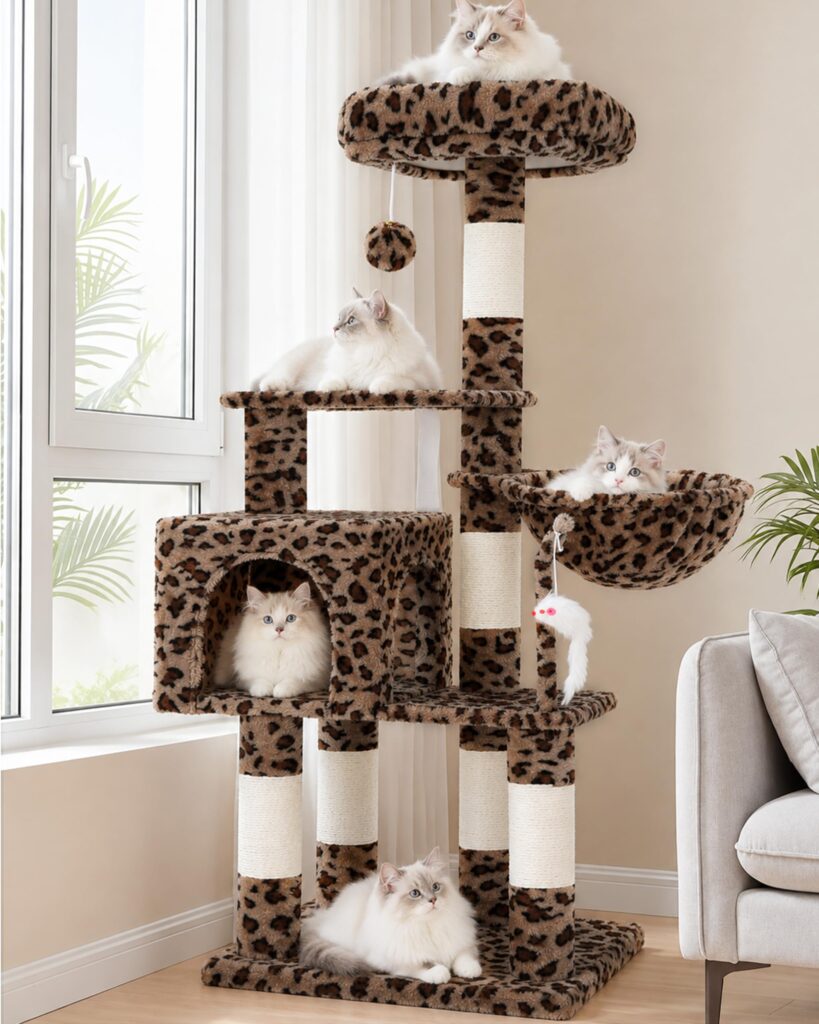
(as of November 13, 2026 09:57 GMT +00:00 - More infoProduct prices and availability are accurate as of the date/time indicated and are subject to change. Any price and availability information displayed on [relevant Amazon Site(s), as applicable] at the time of purchase will apply to the purchase of this product.)Match the alternative to the way your cat scratches. For a cat that digs claws into carpet while crouching, offer a broad, flat corrugated-cardboard scratcher or a tightly woven sisal mat. For a cat that rises onto its hind legs, choose a vertical post tall enough for a full-body stretch—usually at least 30 inches for an adult—and wide or heavy enough not to wobble. A moving or tipping scratcher can make the surface feel unsafe and discourage use.
Texture matters as much as shape. Sisal fabric, sisal rope, corrugated cardboard, and untreated wood provide different claw resistance; carpet-covered posts may fail if they resemble the carpet the cat is already targeting. Test one or two materials at a time, and place the preferred option directly beside the chosen carpet area. Once scratching is consistently directed to it, move it gradually toward a more convenient location, a few inches every several days.
Place scratchers where the behavior is likely to occur, not only where they fit the décor. Useful positions include beside sleeping areas for post-rest stretching, along a route the cat regularly travels, and near the carpet target. In multi-cat homes, provide separate scratchers in different rooms so one cat cannot block access to all of them. A single post in a shared, high-traffic location may create competition rather than solve the problem.
Make the surface rewarding through use, not force. Let the cat investigate; sprinkle a small amount of catnip on the scratcher if the cat responds to it, or move a wand toy across the surface to prompt paw contact. Immediately reward scratching there with a treat, play, or calm attention. Do not place the cat’s paws on the scratcher or scold it for choosing the carpet; forced handling can make the new surface feel threatening.
Check the equipment regularly. Replace cardboard once it becomes smooth or crushed, tighten loose components, and ensure the base does not slide on hard flooring. Keep the scratcher accessible and unobstructed; a post hidden behind furniture or beside a noisy appliance is less likely to compete with a familiar carpet target.
Make the carpet temporarily unrewarding while keeping the preferred scratcher easy to reach. Cover the target with a smooth, securely fixed carpet protector or furniture placed over the area; avoid loose plastic or anything that can entangle claws. Some cats dislike pet-safe double-sided deterrent tape, but test it on an inconspicuous spot first and stop if it causes avoidance of the room. Do not use essential oils, chili, or harsh chemical repellents, which can irritate or poison cats.
When you see your cat approach the carpet to scratch, calmly interrupt before the claws engage: call the cat, move a toy toward the nearby scratcher, or guide attention with a treat. Reward promptly when the cat scratches the permitted surface. If you discover damage afterward, do not scold; cats cannot connect delayed punishment with the earlier act, and startling or chasing can increase anxiety or teach the cat to scratch when you are absent.
Keep the alternative beside the protected target until it is used reliably, then shift it gradually if needed. Remove the barrier only after the cat repeatedly chooses the scratcher; if carpet scratching resumes, restore the barrier and reassess the scratcher’s texture, stability, and position rather than escalating deterrents. In homes with several cats, ensure each can reach a scratcher without being cornered or blocked by another cat.
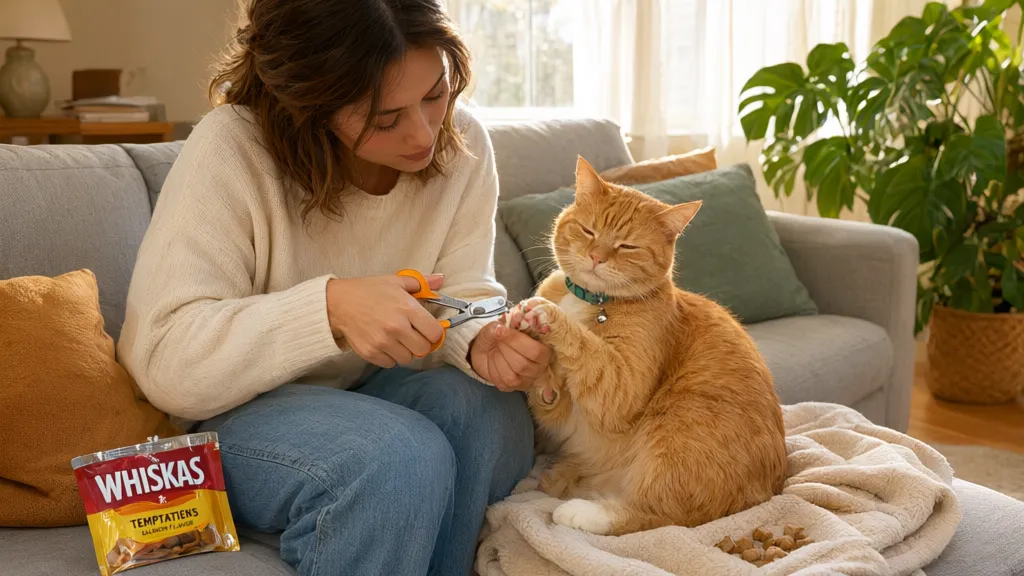
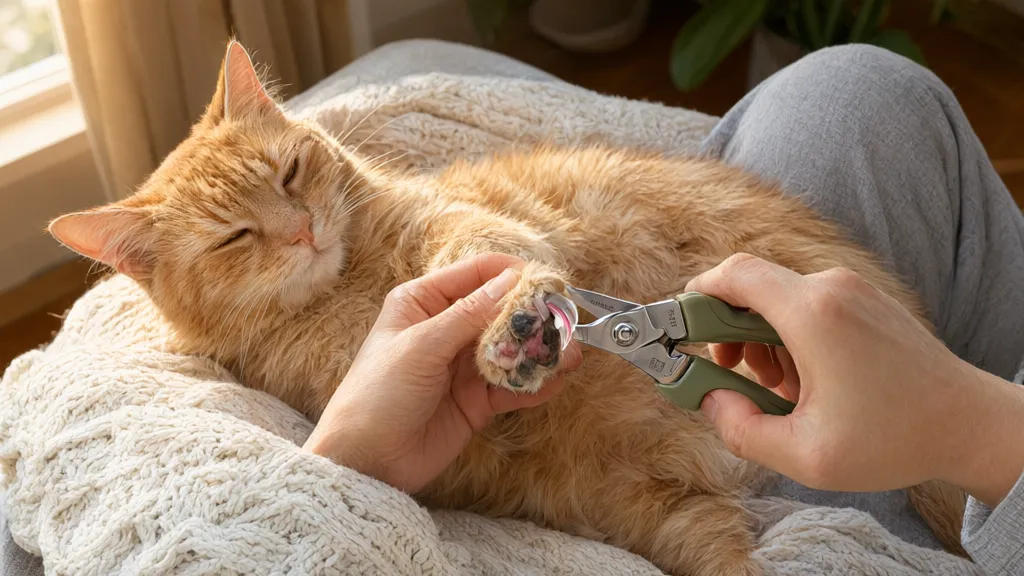
Trim sharp nail tips every few weeks if your cat tolerates handling, removing only the transparent hooked tip and avoiding the pink quick. This reduces carpet damage but does not remove the need to scratch. Never declaw: onychectomy amputates the last bone of each toe and can cause lasting pain and mobility problems. If nail care is difficult, ask a veterinary professional to demonstrate safe trimming or provide assistance.