Most indoor cats need their claws clipped about every 2–4 weeks, but growth rate and wear vary. Check all four paws weekly and set the interval by what you observe: claws that become needle-sharp, catch repeatedly on fabric, or begin curving toward the paw need attention sooner. Scratching removes the loose outer claw sheath; it does not reliably keep every claw short.
Front claws often need more frequent clipping than hind claws because they grow faster and are used more for gripping and climbing. The dewclaws—the claws on the inner front legs—touch the ground less than the other claws, so they may remain long even when the other front claws appear worn. Inspect them separately; an overgrown dewclaw can curve into the skin and cause pain or infection.
Kittens’ claws grow quickly, and brief weekly handling helps them tolerate paw checks; clipping may be needed every 1–2 weeks, depending on growth. Older cats often need closer monitoring because reduced activity and less scratching can allow claws to become overlong, thick, or brittle. Arthritis may also make scratching uncomfortable, reducing natural wear.
Outdoor cats may wear their claws more through climbing and varied surfaces, but this does not eliminate the need for checks. Indoor cats that use scratching posts may still retain long claws, particularly if the posts are too short, unstable, or made of a surface the cat does not use.

Purina Tidy Cats Free and Clean Unscented Clumping Cat Litter, 38 lb Box | Activated charcoal delivers lasting odor control, made without fragrances or dye, clumping
$25.99 (as of November 12, 2026 09:38 GMT +00:00 - More infoProduct prices and availability are accurate as of the date/time indicated and are subject to change. Any price and availability information displayed on [relevant Amazon Site(s), as applicable] at the time of purchase will apply to the purchase of this product.)Do not rely on a fixed calendar if the claws tell a different story. A claw that is visibly curling toward a toe, pressing into a pad, or accompanied by limping, swelling, bleeding, or reluctance to have the paw touched warrants prompt veterinary attention. Thickened, misshapen, discolored, or unusually brittle claws can reflect age-related changes or disease and should be assessed rather than managed by clipping frequency alone.
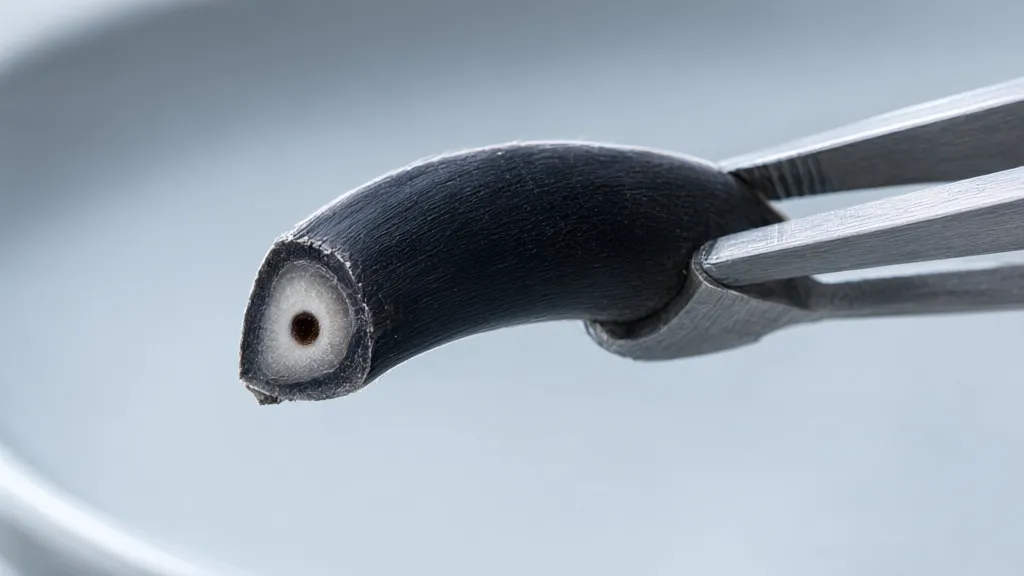
Trim only the sharp, curved tip; removing a small amount regularly is safer than trying to shorten an overgrown claw in one session. The sensitive quick inside the claw contains blood vessels and nerves. Cutting into it causes pain and bleeding, and may make future handling more difficult.
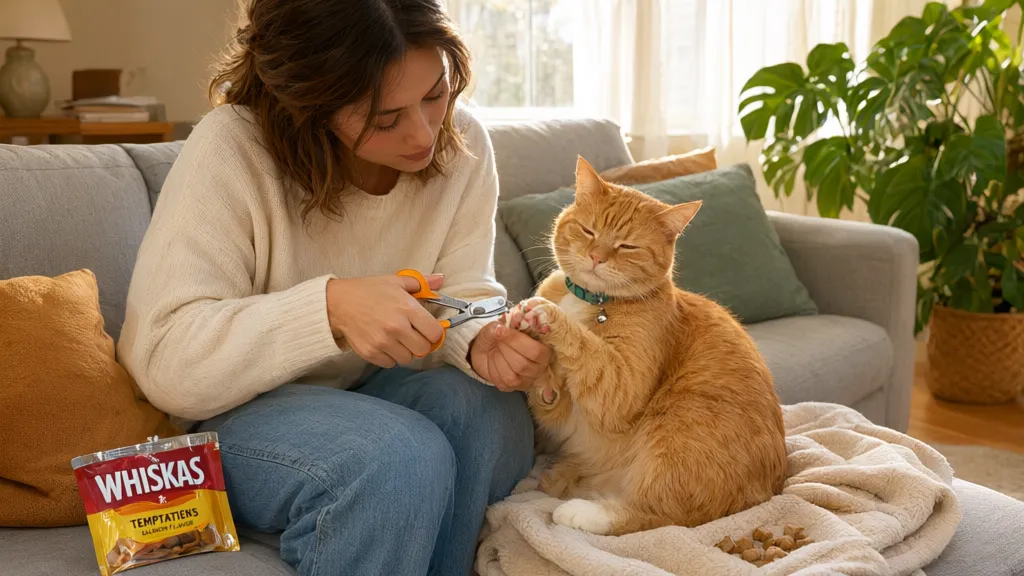
On a pale claw, identify the pink quick before clipping and leave a clear margin in front of it. Use sharp cat nail clippers, steady the toe gently, and remove the tip at a slight angle, following the claw’s natural curve. Press the toe pad gently to extend the claw; do not squeeze the toe or pull the leg into an uncomfortable position.
Dark claws conceal the quick. Remove only a thin sliver from the curved end, then inspect the freshly cut surface: stop if a dark central dot or moist-looking center appears, as the quick is close. If the claw is very overgrown, trim a tiny amount every several days rather than cutting back toward the quick at once; the quick may extend farther down a long claw and recede gradually after repeated conservative trims.
Clip one or a few claws at a time if your cat becomes tense. Keep the paw in a natural position, pause at signs such as pulling away, flattened ears, tail lashing, or growling, and resume later rather than forcing restraint. A helper can offer a steady treat or distract the cat, but avoid pinning or scruffing solely to complete a trim.
If you nick the quick, apply firm, steady pressure with clean gauze or a styptic product until bleeding stops; prevent licking while it clots. Contact a veterinarian if bleeding continues after several minutes of pressure, the claw is torn or split, or the toe becomes swollen or painful. A claw already embedded in a pad should be assessed and treated by a veterinarian rather than pulled or cut at home.