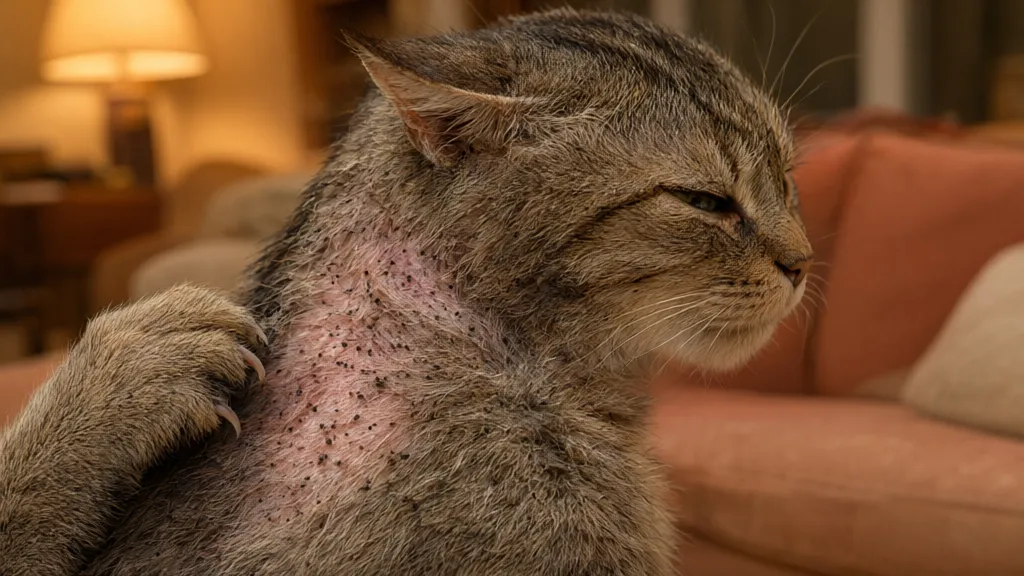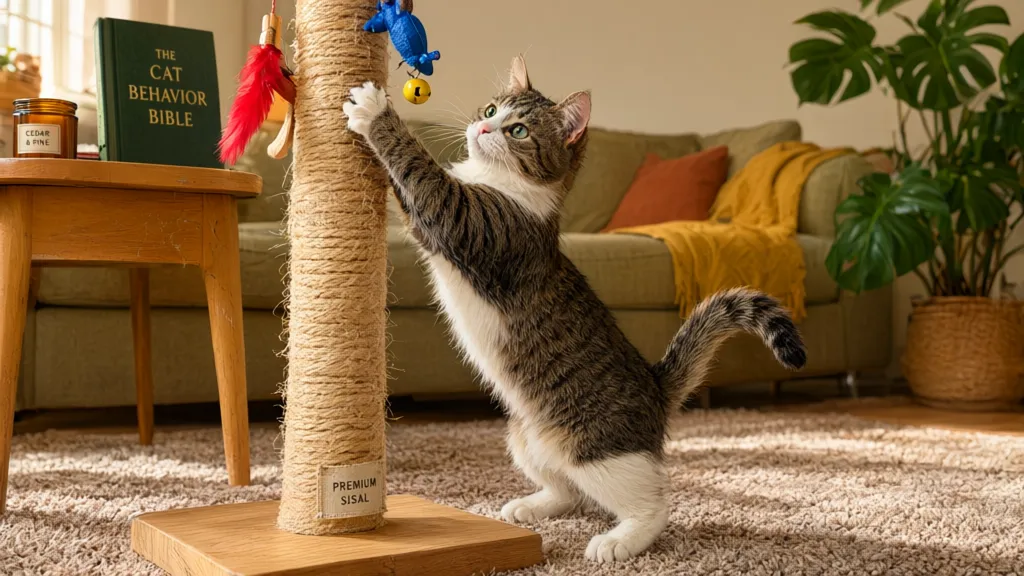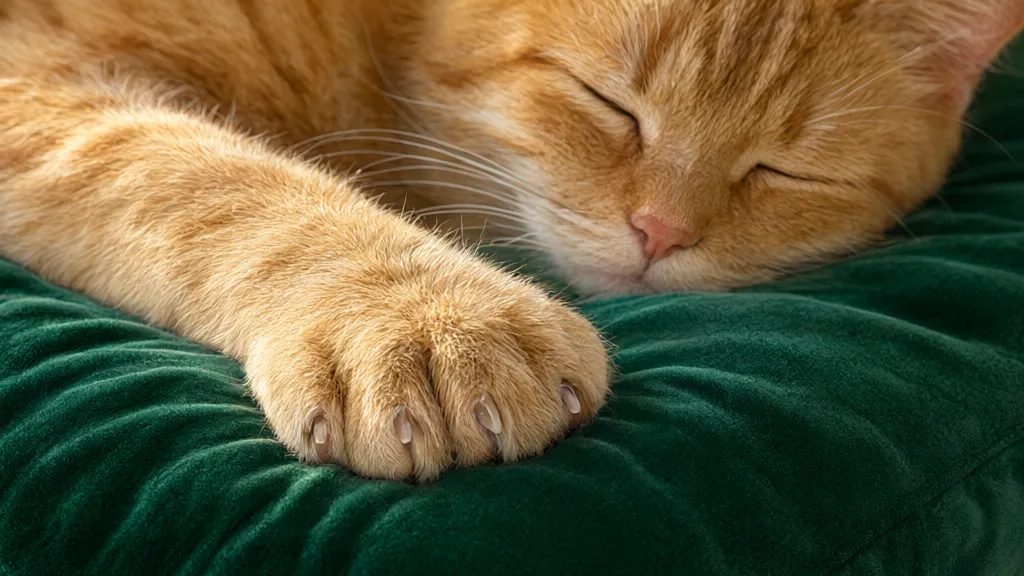
Regular nail trimming in cats serves multiple critical functions that directly impact their physical health and behavioral well-being. Overgrown nails can lead to persistent discomfort, restricting a cat’s ability to engage in natural behaviors such as climbing or scratching, resulting in physical stress and potential behavioral issues.
One of the direct benefits of regular nail maintenance is the prevention of painful injuries that can occur from overly long claws. When nails extend beyond the quick, they become prone to splitting or tearing, which can lead to infections or abscesses that necessitate veterinary intervention. That’s particularly crucial for indoor cats, who may not wear down their nails naturally on outdoor surfaces.
Moreover, regular trimming helps alleviate the risk of nail-related injuries to both the cat and the household environment. Long nails can snag on fabrics, carpets, or even furniture, creating hazardous situations that might lead to accidents or destructive behavior. For households with children or other pets, maintaining a manageable nail length reduces the likelihood of scratches and punctures that pose health risks through potential infections.
Behaviorally, a consistent nail trimming routine can foster a sense of routine and comfort for the cat. Cats are creatures of habit, and introducing regular nail maintenance can reduce anxiety associated with handling. It can also strengthen the bond between the cat and owner, as positive reinforcement during the process encourages trust and cooperation.

Purina ONE Tender Selects Dry Cat Food, Salmon, 7 lb Bag | Real salmon is the #1 ingredient made with carrots, peas, vitamins A and E for bright eyes, strong muscles and digestion
$17.46 (as of October 23, 2026 20:59 GMT +00:00 - More infoProduct prices and availability are accurate as of the date/time indicated and are subject to change. Any price and availability information displayed on [relevant Amazon Site(s), as applicable] at the time of purchase will apply to the purchase of this product.)In terms of hygiene, longer nails can trap debris and dirt, which may contribute to infections or parasitic infestations. Regular trimming reduces such risks, promoting overall limb health. Since cats are often meticulous groomers, any retention of foreign particles in the claws can potentially lead to further health concerns.
Certain breeds may exhibit different nail growth rates and behaviors that require unique consideration. For instance, breeds such as Persians and Maine Coons tend to have denser fur, which might obscure the visibility of nails and encourage rapid growth. Furthermore, older cats may experience reduced mobility, making regular trims even more essential to cater to their changing physical capabilities.
From a biomechanical perspective, well-trimmed nails aid proper posture and gait. That’s particularly vital for larger breeds or those with pre-existing joint issues, as uneven or excessive nail length can exacerbate existing orthopedic conditions, leading to discomfort or mobility challenges. Ensuring that a cat’s nails are maintained effectively contributes to their overall quality of life.
Regular nail trimming is not merely a cosmetic procedure; it’s integral to a cat’s physical health, safety, and behavioral balance. Establishing a proactive approach to nail maintenance will markedly improve a feline’s well-being, preventing a range of ailments and injuries while optimizing their physical capabilities.
How to Safely Trim Your Cat’s Nails
To safely trim your cat’s nails, first, ensure you have the right tools. A specialized cat nail clipper, preferably scissor-type or guillotine-style, is optimal. Human nail clippers may shatter the nail, leading to unnecessary pain and injury. Additionally, have a nail file on hand for smoothing the edges after trimming.
Begin the process by acclimating your cat to the trimming environment. Choose a quiet, comfortable location where your cat feels secure. If your cat displays anxiety, consider employing feline pheromone sprays or diffusers to create a calming atmosphere. Engaging in a brief play session beforehand can also help reduce stress levels.
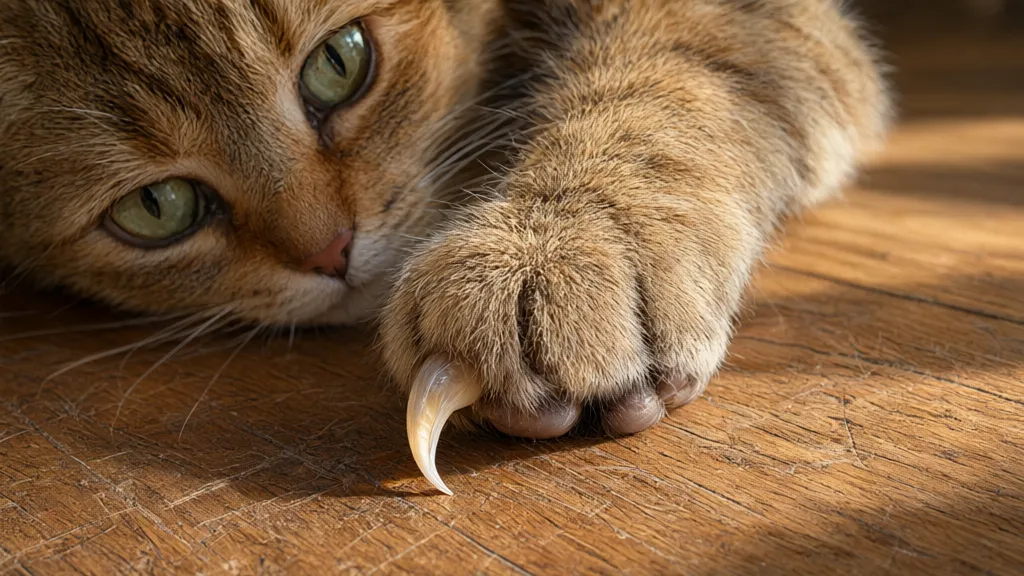
Before proceeding, identify the anatomy of the claw. Each nail consists of a hard outer shell and a pinkish area called the quick, which contains nerves and blood vessels. It’s important to avoid the quick while trimming; otherwise, it can cause substantial pain and bleeding. For cats with black nails, it’s often difficult to see the quick, so it’s best to trim only a small portion of the nail at a time.
Gently hold your cat’s paw using your non-dominant hand, applying a slight pressure to extend the claws. Using your dominant hand, position the clippers at a 45-degree angle, aiming to clip just above the quick. If you are unsure about the location of the quick, trim gradually; better to err on the side of caution. After each successful clip, provide a reward, such as a treat or soothing words, to reinforce positive behavior.
Be aware that some cats may resist the process. In these cases, consider breaking up the trimming into shorter sessions spread over multiple days. If your cat becomes overly stressed, stop and try again later or consult with a professional groomer or veterinarian for assistance. Alternatively, consider seeking the help of a trained veterinarian or feline behaviorist if your cat has a history of aggression or extreme anxiety during nail trims.
Post-trimming, inspect the paws for any signs of injury or bleeding. If bleeding occurs, apply a styptic powder or cornstarch to the area to encourage clotting. Providing gentle praise and affection afterward will help create a positive association with the nail trimming experience. Regularly managing this process helps establish a routine, contributing to your cat’s overall well-being.
Furthermore, consider integrating nail trimming into your grooming routine, including brushing and bathing. This reinforces the concept that grooming is essential and part of regular care, ensuring that nail trimming becomes an accepted and non-threatening activity.
Signs Your Cat Needs a Nail Trim
Identifying when a cat requires a nail trim involves observing specific behavioral and physical cues that indicate discomfort or nail overgrowth. One immediate sign is if the cat’s claws visibly extend beyond the pad of the paw. In such cases, the potential for injury escalates as the nails may snag on surfaces, leading to painful splitting.
Behavioral indicators include changes in activity levels or reluctance to engage in usual behaviors such as scratching or climbing. Cats may exhibit signs of discomfort by licking or biting at their paws excessively. Additionally, they may attempt to avoid using their claws altogether, which is particularly visible in indoor cats that typically rely on their claws for stable footing on different surfaces.
Examination of the nail bed is critical; when a cat’s nails curl or grow into the paw pad, this creates an immediate need for trimming as it can lead to painful infections. In older cats, diminished mobility may render them less capable of self-grooming, thereby necessitating more frequent human intervention to prevent overgrowth.
The presence of debris trapped in the claws may signal that regular maintenance is lacking. Over time, dirt and litter can harbor bacteria, increasing infection risk if not managed through trimming. Observe the cat’s general demeanor; excessive hiding or signs of agitation during play may suggest that prolonged claws are causing discomfort.
In some cats, particularly breeds predisposed to rapid nail growth—such as the Maine Coon—more frequent observation is necessary. Aggression or shying away when approached for handling can indicate anxiety regarding nail care, which might worsen without a consistent, calming approach to trims. Monitor their interactions with litter boxes; if they’re hesitant to dig or scratch, it may reflect discomfort stemming from nail issues.
Assess the condition of the cat’s environment. If furniture or carpeting shows signs of clawing damage or if the cat frequently uses these surfaces to alleviate discomfort, it suggests a compelling need to address nail overgrowth. An established routine for nail maintenance can mitigate risks and enhance overall feline comfort, thereby improving both behavior and quality of life.