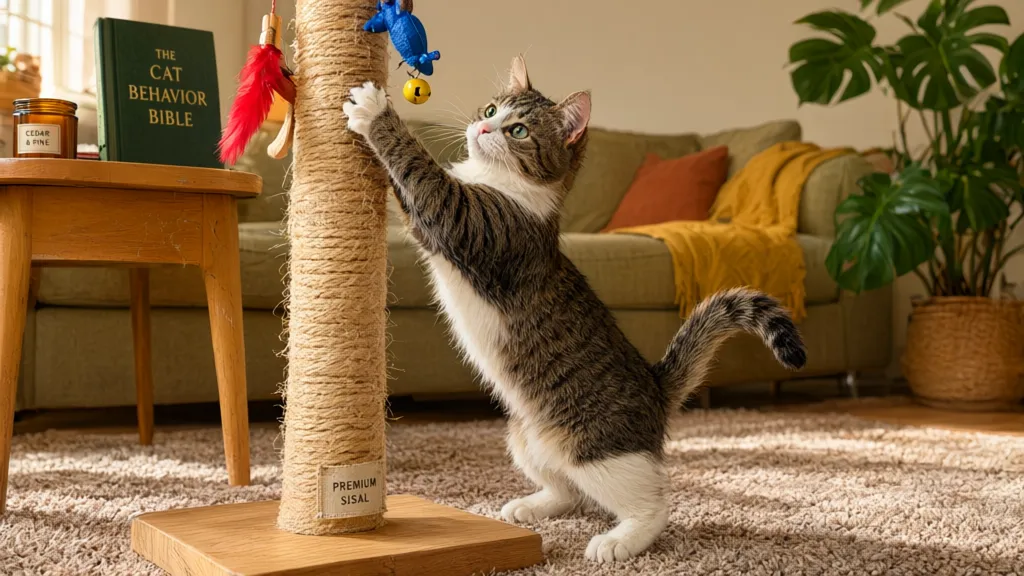
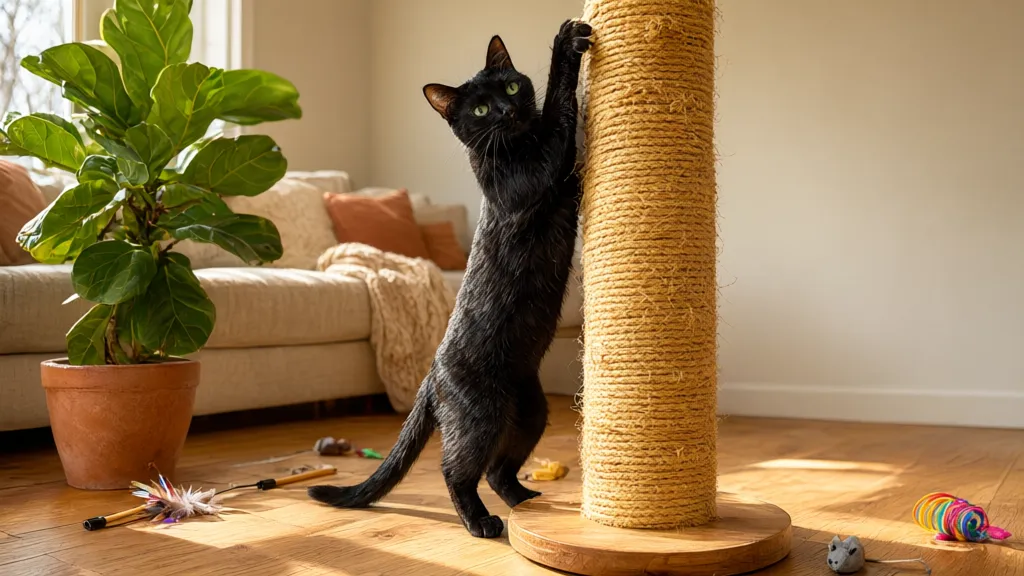
Felines exhibit scratching behavior primarily for territory marking, claw maintenance, and physical exercise. The behavior is intricately linked to their evolutionary biology; cats have scent glands in their paws, allowing them to deposit pheromones on surfaces they scratch, marking their territory.
Age and breed play significant roles in scratching tendencies. Younger cats, especially those under two years, tend to scratch more vigorously as they channel their natural energy. Breeds such as Abyssinians and Bengals are genetically predisposed to heightened scratching behavior due to their active nature. Conversely, older cats may exhibit less frequent scratching but can still demonstrate strong preferences for specific surfaces.
Physiological factors influence scratching as well. Claw health is essential; claws that are not regularly trimmed or naturally worn down can lead to discomfort, causing cats to scratch more frequently to accommodate their needs. Notably, the absence of appropriate scratching surfaces can result in increased scratching behaviors on furniture as cats seek out adequate outlets for their instinctual drives.
Environmental stressors, including changes in household dynamics, can amplify scratching. A new pet, relocation, or alterations in family routines may lead cats to establish dominance and security through increased scratching. Recognizing signs of stress in cats, such as increased vocalization or changes in litter box habits, may help identify the root cause of excessive scratching.

Meow Mix Original Choice Dry Cat Food, 6.3 Pound Bag
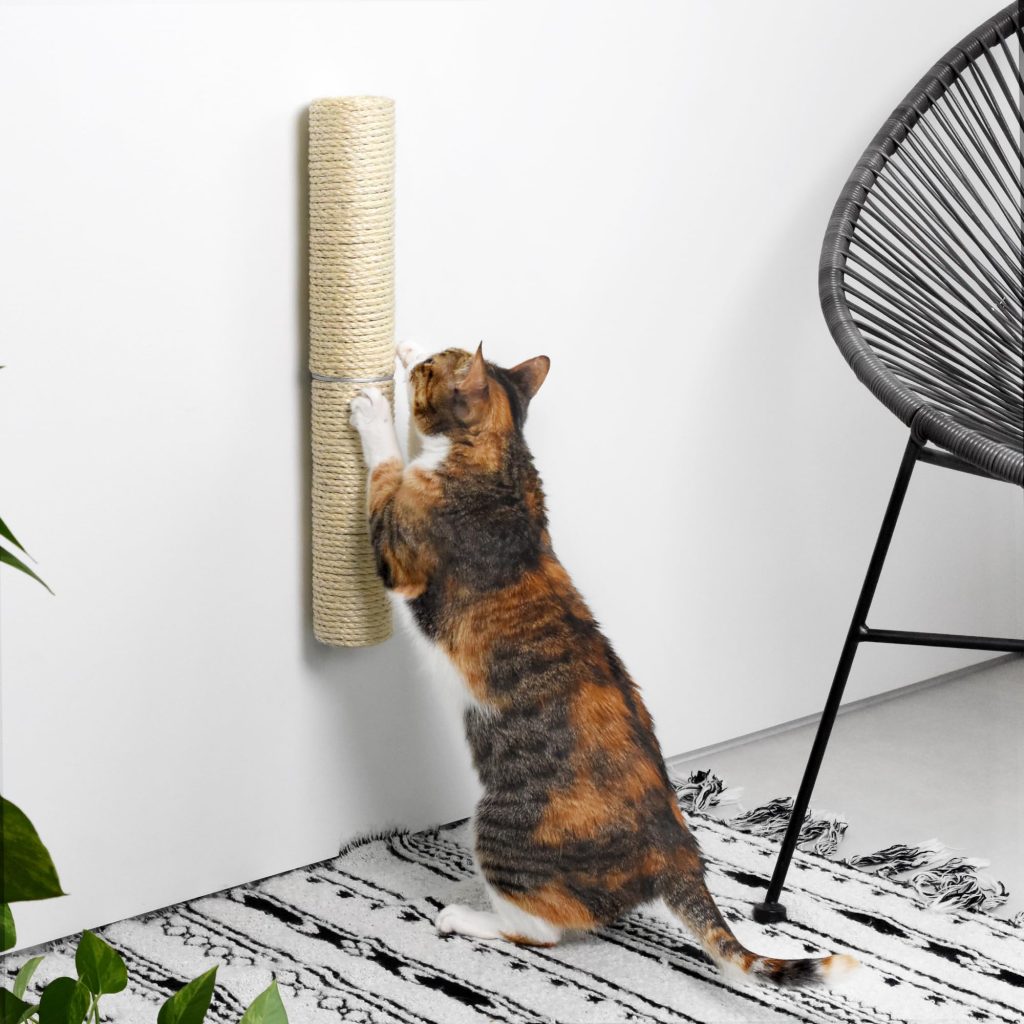
EUR 8.01 (as of October 20, 2026 20:49 GMT +00:00 - More infoProduct prices and availability are accurate as of the date/time indicated and are subject to change. Any price and availability information displayed on [relevant Amazon Site(s), as applicable] at the time of purchase will apply to the purchase of this product.)To manage scratching behaviors effectively, it is crucial to understand the preferences of your cat. Observing which materials they tend to favor can guide the selection of appropriate scratching posts or pads. Many cats prefer sisal or cardboard, as these materials mimic their natural instinct to shred. The height and stability of scratching surfaces are equally important: vertical options should be at least three feet tall, while horizontal surfaces should be firm and not slide during use.
Behavioral modification techniques can be effective in curbing unwanted scratching. Providing positive reinforcement through treats when a cat uses designated scratching areas can subtly guide their preferences. Additionally, strategic placement of scratching posts near favored furniture can redirect their attention. Preventative measures, such as using soft claw covers, can limit damage to furniture while allowing the cat to engage its natural behaviors.
Monitoring is essential during transition periods. If scratching persists on furniture despite these interventions, it may indicate insufficient engagement with designated scratching items. Increased playtime and interactive toys can enhance physical and mental stimulation, potentially reducing the need for scratching due to boredom or excess energy.
Effective Furniture Protection Strategies
To safeguard furniture from feline scratches, proactive strategies are paramount. Implementing a multi-faceted approach that includes both physical barriers and behavioral redirection will yield the best results. Using slipcovers or protective furniture coatings specifically designed to minimize damage can provide an immediate buffer against clawing. For vulnerable surfaces, films made from dense plastic or vinyl are effective deterrents, functioning as a barrier while still allowing the aesthetic of the furniture to remain intact.
Incorporating furniture placement into protective strategies can also be fruitful. Arranging furniture such that it limits direct access to areas susceptible to scratching can help mitigate damage. Positioning scratching posts strategically near the areas most frequented by your cat can further divert their attention. Cats are habitual creatures; by aligning their natural behaviors with designated scratching zones, you influence them toward preferred outlets and away from furniture.
Regular maintenance and monitoring of both furniture and scratching surfaces are essential. Observing the wear and effectiveness of scratching posts will inform necessary adjustments or replacements. When these surfaces become less appealing due to wear or lack of scent, cats may redirect scratching behavior to furniture. Additionally, routine inspection of furniture for early signs of scratches can help in implementing quick remedial measures, such as applying adhesive bandages to afflicted areas, preventing further damage.
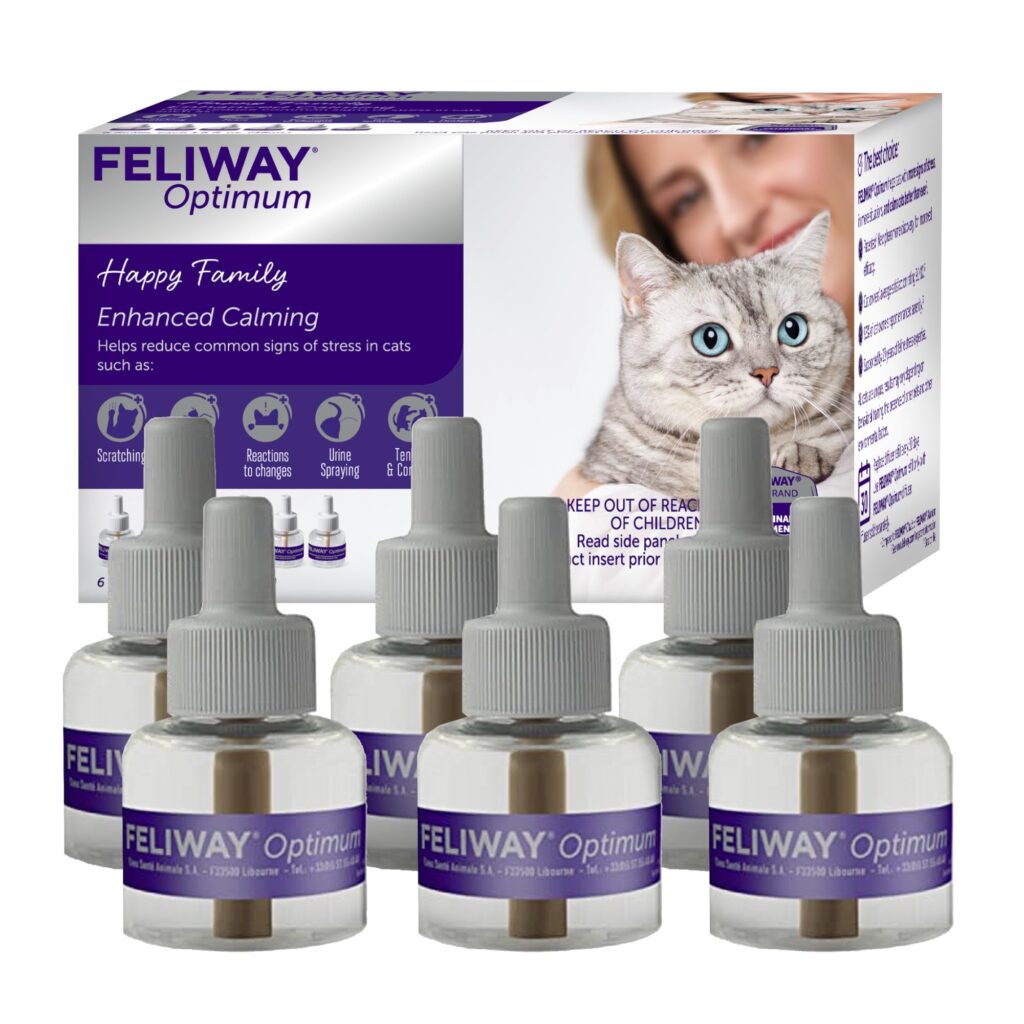
Pheromone diffusers can also play a critical role in creating a calming environment, potentially reducing stress-related scratching behaviors. Products containing synthetic cat pheromones replicate the scent markers cats naturally produce, promoting a sense of security. These diffusers can be used in conjunction with physical deterrents for improved overall efficacy.
Deterring scratching can be enhanced by using deterrent sprays. These products, specially formulated to have an unpleasant scent for cats but harmless for humans, can be applied to furniture to discourage engagement. However, it is vital to use such products judiciously, as their efficacy varies among individual cats.
Training plays a significant role in this protective strategy. When a cat engages in unwanted scratching, immediate redirection to an appropriate surface should be reinforced with treats or praise. Employing a consistent approach in training, alongside an environment equipped with enticing alternatives for scratching, will cultivate positive habits over time. Patience and consistency in this behavioral management can lead to significant reductions in unwanted furniture damage.
Consulting with a veterinarian or a certified feline behaviorist may provide deeper insights tailored to specific circumstances, especially in cases where excessive scratching persists despite preventive measures. Customized interventions based on individual behaviors and environmental stressors can facilitate a more harmonious coexistence between felines and their human companions.
Choosing the Right Scratching Alternatives
When selecting alternatives for scratching, it’s essential to understand not only the material preferences of cats but also the physical design that can encourage engagement. Scratching posts made from durable materials such as sisal rope are favored by many cats due to their texture, which closely mimics the feel of tree bark. Wrapped posts allow for both vertical and horizontal scratching, catering to a cat’s natural inclination to shred while promoting healthy claw maintenance.
Design is crucial; a scratching post should be stable enough to withstand vigorous scratching without tipping over. Cats prefer leaning into a scratch and will often avoid posts that wobble or fall. Therefore, heavier bases and broader footprints are recommended. Additionally, incorporating varying heights will accommodate different scratching styles—some cats enjoy stretching vertically, while others prefer a lower, more horizontal scratch. The ideal height for vertical posts should be at least 3 feet, enabling even larger breeds to fully extend and scratch comfortably.
It’s beneficial to consider multiple scratching surfaces. For instance, horizontal scratchers can be enticing for cats who like to scratch while lying down. Cardboard scratchers, often designed as simple brown panels or complex constructions like lounge-style loungers, can be stimulating choices that cats will gravitate toward. Frequent replacement of cardboard scratchers is necessary, as cats typically enjoy the process of shredding them, which also keeps the behavioral outlet fresh and engaging.
Incorporating elements of play can enhance the allure of scratching alternatives. Scratching posts that include interactive toys or engaging designs, such as platforms or hideaways, can attract a cat’s attention, turning moments of scratching into play sessions. Keeping these scratching alternatives in the primary activity zones of the home—near windows or communal spaces—will encourage regular use. Additionally, using pheromone sprays to promote familiar scents on new scratching posts can incentivize exploration and engagement.
Regular observation of a cat’s behavior can illuminate their specific scratching preferences. Some may prefer to scratch after waking from a nap, indicating a potential routine that can be cultivated by pairing scratching opportunities post-rest. Offering rewards like treats or affection when they engage with designated scratching items reinforces positive associations with those areas. If a cat consistently avoids scratching alternatives, it may signal a need for further investigation into their preferences, at which point consulting with behavior experts can yield tailored solutions to meet the specific needs of the feline resident.
Maintaining the cleanliness and condition of scratching surfaces is vital to ensure their longevity and efficacy. Regular vacuuming and monitoring for wear or damage can prolong their lifespan while encouraging continued interest. When designated scratching items exhibit signs of disinterest, such as decreased usage, timely replacement or reintroduction of fresh options may be necessary to reinvigorate the cat’s engagement with them.