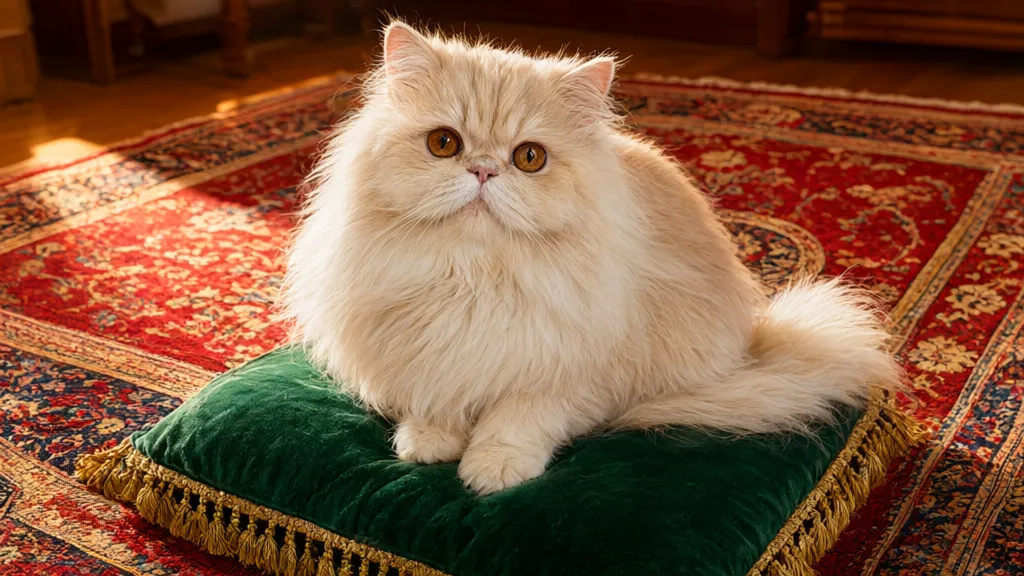
The Persian cat’s origins are traced back to the 1620s when they were first imported to Europe from Persia, now modern-day Iran, where they were initially known as “Persian Longhairs.” This breed’s ancestry is often linked to cats from Turkey and regions in Central Asia, evident through historical texts that mention similar cats in art and literature. Persian cats gained popularity among European nobility, particularly in France, where they were celebrated for their luxurious coats and desirable temperament.
By the 19th century, breeding efforts intensified, leading to the establishment of breed standards, which were formalized in cat show circuits. Early in the breeding process, introduced traits included the distinct, flat face, a feature now characteristic of this breed, leading to various controversies regarding health implications associated with brachycephaly. The breed also saw an influx of genetic diversity through crossbreeding with other longhaired breeds. This resulted in notable variances in coat patterns and colors, which further enhanced their charm.
During the Victorian era, as interest in purebred animals surged, Persians were selectively bred, leading to a narrowing of the gene pool. While this increased the consistency of aesthetic traits, it also raised concerns about hereditary health issues, such as polycystic kidney disease (PKD) and respiratory problems due to their facial structure. The breed’s penchant for matting necessitated a careful management of grooming practices, which became pivotal in maintaining their distinctive appearance.
Post-World War II, Persian cats experienced a resurgence in popularity, alongside a significant refinement of their breed standards. The American Cat Fanciers Association (ACFA) and other registries actively recognized and promoted the breed, focusing on health and welfare issues linked to their physical adaptations. Contemporary breeding practices also emphasize the importance of genetic testing to mitigate inherited disorders, reflecting an evolving understanding of feline genetics. This approach has led to a healthier population of Persian cats, as breeders increasingly prioritize genetic diversity and overall well-being.

Purina Friskies Prime Filets Cat Food Variety Pack, 40 Pack 5.5 oz Cans | Surfin' and Turfin' wet cat food favorites in a savory gravy, made with real meat, poultry and seafood
EUR 29.22 (as of October 16, 2026 08:35 GMT +00:00 - More infoProduct prices and availability are accurate as of the date/time indicated and are subject to change. Any price and availability information displayed on [relevant Amazon Site(s), as applicable] at the time of purchase will apply to the purchase of this product.)Today, Persians are not only recognized for their aesthetic qualities but also for their complex history that intertwines human preference with feline health. The breed now stands as a case study in responsible breeding and the balance between maintaining breed characteristics and ensuring the welfare of individual animals. Active discussions in feline genetics continue to address the challenges of preserving the breed’s distinct features while promoting genetic health, making it crucial for breeders and pet owners alike to remain informed about best practices in the breeding and care of this ancient and beloved breed.
Characteristics and Traits
The Persian cat is identifiable by a set of defining physical traits that emerge from a unique genetic makeup. The most prominent feature is the brachycephalic facial structure, characterized by a short, flat nose and broad head. This anatomical alteration can contribute to various health concerns, notably obstructive airway disease, which hinders normal respiration. The degree of brachycephaly can vary among individuals, which may influence severity of respiratory issues, often exacerbated by environmental factors such as heat and humidity.
The dense, luxurious coat of the Persian is another hallmark, consisting of a long, flowing outer layer with a soft, plush undercoat. This double coat requires diligent grooming; neglect can lead to severe matting, which not only detracts from appearance but can also restrict movement and harbor skin infections. Regularly scheduled grooming sessions, ideally daily, should incorporate brushing techniques that detangle effectively without damaging the coat. Additionally, it’s advisable to use specific grooming tools, such as wide-toothed combs and slicker brushes, to manage the coat’s unique texture.
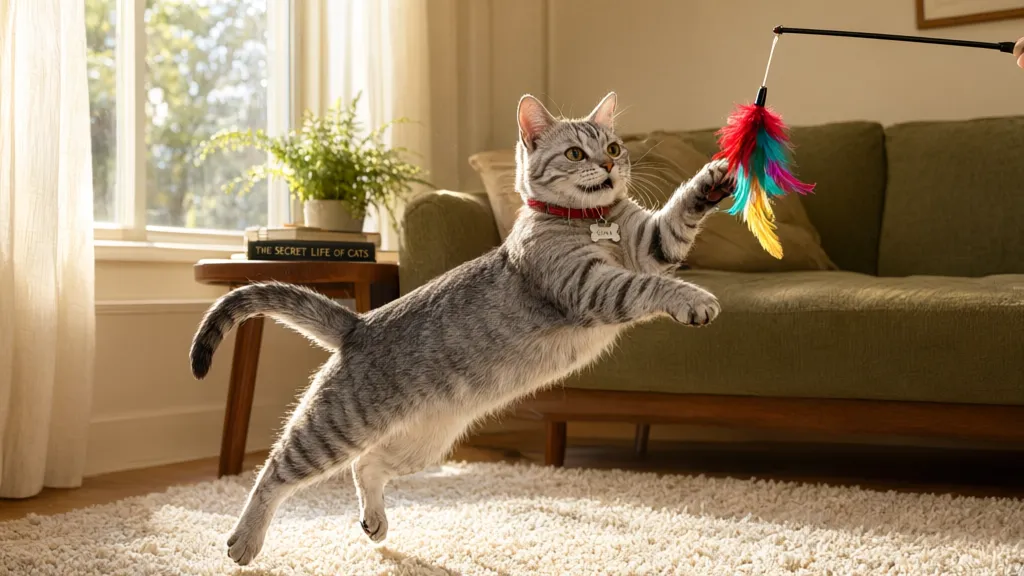
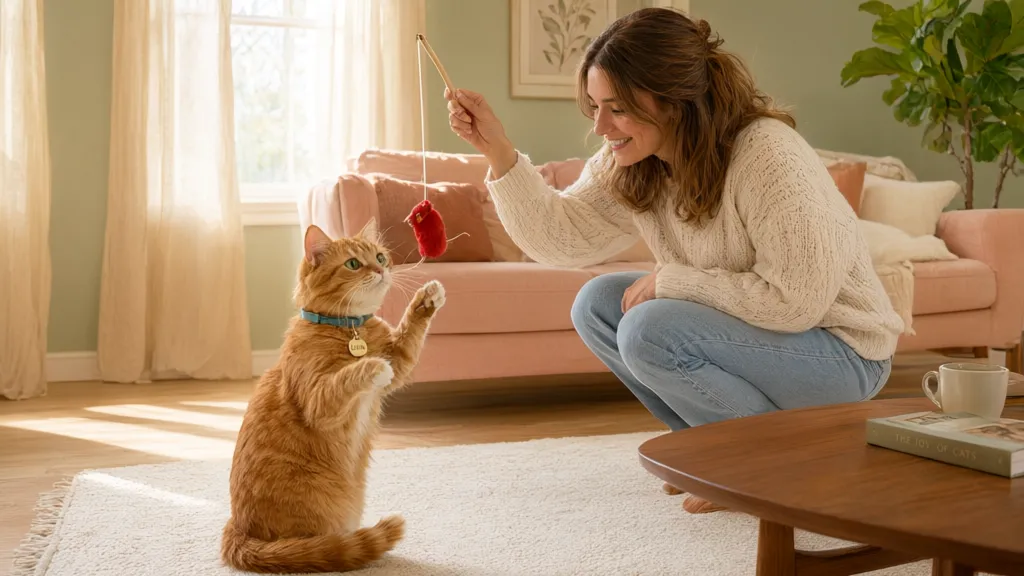
Persians often exhibit a calm demeanor, with a predictable behavior profile influenced by their history as companion animals. They tend to form strong bonds with their caregivers, displaying loyalty and preference for interaction. However, their inherent docility can sometimes lead to passivity, necessitating engagement in play to stimulate physical and mental health. Observation of play patterns can reveal preferences for types of toys or activities, guiding owners in providing enriching environments. Persistent avoidance or lethargy may indicate stress or underlying health issues and should prompt further evaluation.
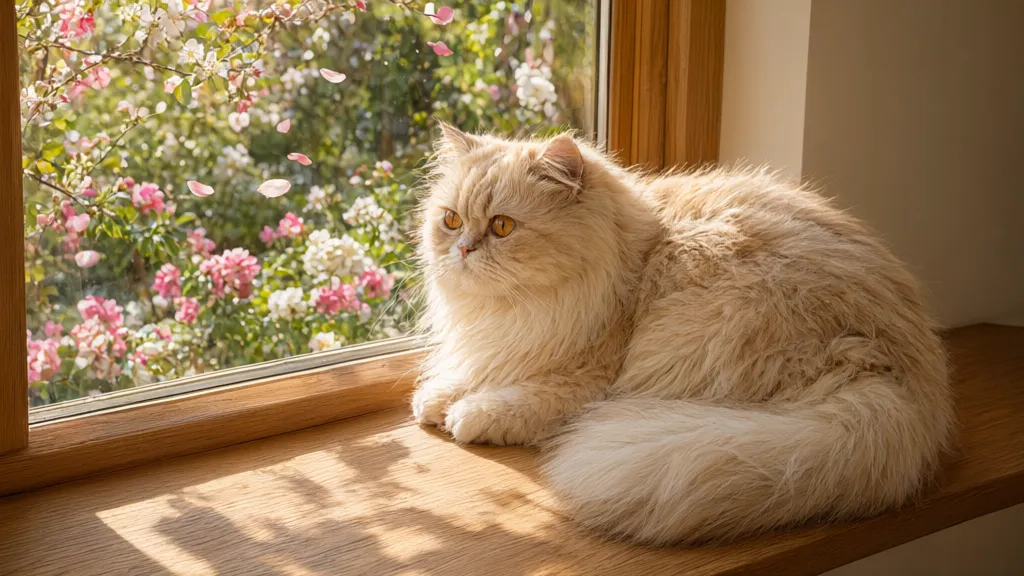
Another significant behavioral trait is the Persian’s low activity level; they’re less likely to engage in vigorous play compared to other breeds. As a consequence, obesity can become a concern if dietary management is insufficient. Owners must ensure a well-balanced diet, specifically formulated to meet the nutritional needs of a less active feline. Recognizing caloric needs based on age, weight, and activity level is critical to preventing obesity, which can lead to further health complications such as diabetes mellitus or joint problems.
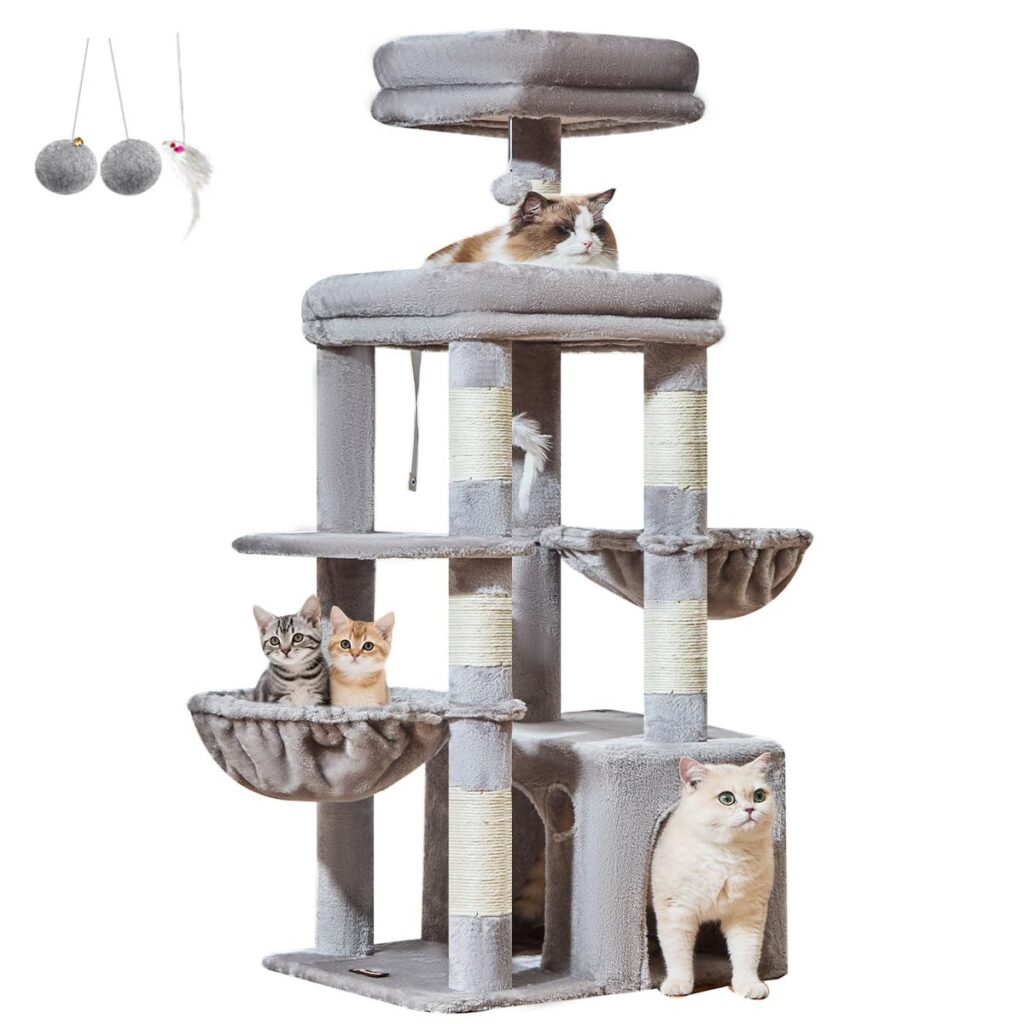
Persian cats also display a strong territorial instinct, often marking their territory with scent. Providing vertical spaces, such as cat trees or shelves, can help satisfy their need for elevation and security, minimizing territorial disputes, especially in multi-pet households. It’s crucial to monitor their workload of social interactions and environment to reduce stressors that can lead to behavioral problems such as aggression or excessive vocalizations, especially in response to perceived threats in their territory.
Care and Maintenance of Persian Cats
Proper care and maintenance of Persian cats requires a comprehensive understanding of their unique physiological and behavioral needs. Given their thick, double coat, routine grooming is paramount to prevent matting and maintain skin health. Ideally, Persians should be brushed at least once every day, using wide-toothed combs and slicker brushes to minimize discomfort while detangling. Attention should be given to areas where mats are more prone to develop, such as behind the ears and under the legs. Additionally, bathing every 4-6 weeks using a high-quality cat-specific shampoo can help manage oil buildup and keep the coat clean, but it’s essential to ensure that the cat is dry afterward to prevent skin issues.
Dental health is another critical factor in Persian care. Due to their genetic predispositions, these cats are susceptible to periodontal disease, which can lead to significant complications if untreated. It is advisable to implement a regular dental routine that includes daily brushing with a toothpaste formulated specifically for cats. Dental treats or veterinary-approved dental diets may also support oral health. Signs of dental problems, such as bad breath, difficulty eating, or pawing at the mouth, warrant immediate veterinary attention.
Given their brachycephalic nature, Persian cats often face respiratory challenges, especially in stressful situations or extreme temperatures. Owners should be vigilant during hot weather, providing a cool and comfortable environment to prevent heat stress. Supplemental air conditioning or fans may be necessary to mitigate discomfort. Observing signs such as coughing or labored breathing is critical, as these may indicate exacerbations of existing respiratory conditions requiring veterinary intervention.
Nutrition plays a pivotal role in the overall well-being of Persians. They require a high-quality, species-appropriate diet that supports their lower activity levels while preventing obesity. Specific formulations that focus on moderate protein levels and controlled fat content can help maintain a healthy weight. Owners should be aware of caloric intake and adjust feeding quantities according to the cat’s age, weight, and health status. Regular monitoring of body condition score and weight is essential to adjust feeding protocols effectively.
Behaviorally, creating a stimulating environment is essential for Persian cats, as they’re prone to boredom due to their inactive nature. Engaging toys, interactive play sessions, and scratching posts can provide necessary mental and physical stimulation. It is advisable to rotate toys frequently to maintain interest. Socialization must be balanced, as excessive exposure to dominant pets can lead to stress, culminating in behavioral issues such as hiding or aggression. Establishing safe retreats where the Persian can withdraw when overwhelmed is also beneficial.
Routine veterinary check-ups are vital in monitoring health and catching any potential issues early. These visits should include assessments of dental health, weight management, and screening for common hereditary conditions such as polycystic kidney disease (PKD). Comprehensive health monitoring ensures longevity and improves quality of life, allowing Persian cats to thrive in a home environment designed with their specific needs in mind.