Feline joint health significantly hinges on nutrition, with specific dietary components playing pivotal roles in mitigating joint degradation and enhancing mobility. Omega-3 fatty acids, particularly EPA and DHA, are paramount due to their anti-inflammatory properties, which can lessen pain and stiffness associated with arthritis. These can be derived from fish oil or algae-based supplements; doses should be tailored to the individual cat’s weight and condition, typically ranging from 20 mg/kg to 200 mg/kg daily.
Glucosamine and chondroitin sulfate are common joint-supporting supplements that provide components necessary for cartilage maintenance. Their efficacy has been verified in clinical studies showing slowed progression in osteoarthritis when administered over extended periods. Use of these supplements should follow veterinary guidance for appropriate dosage, ensuring a target range of glucosamine from 15 mg/kg to 30 mg/kg and chondroitin from 5 mg/kg to 15 mg/kg per day.
Joint-support diets often include specific blended formulations designed for feline orthopedic health. Look for food that contains balanced levels of omega fatty acids, antioxidants like vitamins E and C—which combat oxidative stress—and nutrients such as L-carnitine, which may improve joint function by maintaining lean muscle mass. Selecting wet food can also promote hydration, which is important for joint lubrication.
Digestive fiber sources like beet pulp support bowel health and nutrient absorption, facilitating the bioavailability of essential vitamins and minerals. Cats over the age of seven or breeds predisposed to joint issues, such as Maine Coons or Persians, should be monitored closely for dietary adaptations that could optimize joint support. For example, transitioning to a diet with lower carbohydrate content may aid in weight management, as excess weight exacerbates joint stress.
Cat's Pride Antibacterial Litter, Odor-Eliminating Scented 12lb
EUR 8.52 (as of October 15, 2026 08:33 GMT +00:00 - More infoProduct prices and availability are accurate as of the date/time indicated and are subject to change. Any price and availability information displayed on [relevant Amazon Site(s), as applicable] at the time of purchase will apply to the purchase of this product.)Hydration plays an unrecognized yet vital role in joint health; cats often do not consume adequate water, leading to dehydration, which can adversely affect joint lubrication. Encourage water intake through methods such as providing multiple water bowls, cat water fountains, or incorporating wet food in their diet.
Regular assessment of body condition score (BCS) is crucial; maintaining an ideal weight reduces joint stress significantly. BCS can be evaluated using a scale of 1-9; a score of 5 indicates optimal weight. Owners should also observe for behavioral signs that may indicate pain, such as reduced activity or changes in grooming habits, which can necessitate a dietary reevaluation focusing on anti-inflammatory support.
Consultation with a veterinary nutritionist may provide insights into formulating a diet specifically tailored to address the unique needs of cats with joint issues, avoiding one-size-fits-all solutions. Such collaboration ensures a comprehensive approach to dietary management in conjunction with conventional treatments.
Exercise and Physical Therapy Solutions
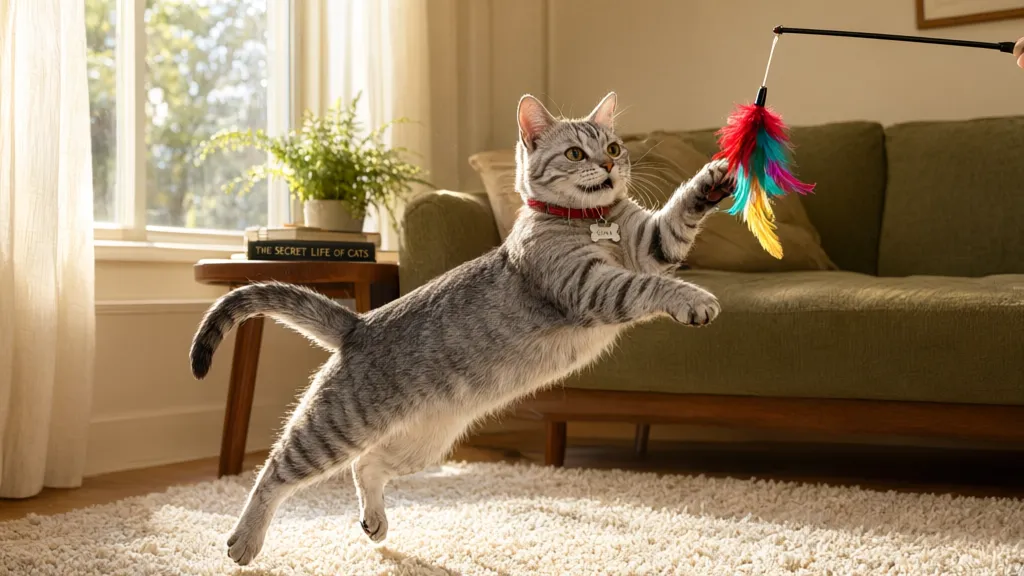
Physical activity is fundamental in managing joint health in cats, serving to both strengthen the musculoskeletal system and maintain optimal body weight. Regular, low-impact exercise helps promote joint lubrication while increasing muscle tone, which provides additional support to the joints. Cats can benefit from activities that engage their natural hunting instincts, such as interactive play with feathered wands or laser pointers, which can be adapted to accommodate their fitness levels.
A well-structured exercise protocol should be individualized based on the cat’s age, breed, and current joint health status. For older cats or breeds predisposed to joint issues, such as the Burmese or British Shorthair, shorter activity sessions several times a day may be more effective than prolonged sessions that may lead to fatigue or exacerbation of joint pain. The objective is to encourage mobility without overexertion, progressing slowly to prevent injury.
Physical therapy can also play a significant role in providing targeted support for joint conditions. Techniques such as hydrotherapy facilitate low-impact movement, alleviating the strain experienced by joints while promoting cardiovascular fitness. Under guidance from a qualified veterinary physiotherapist, cats can undergo water-based exercises that help in rebuilding muscle strength and flexibility without the risks associated with ground-level impact.
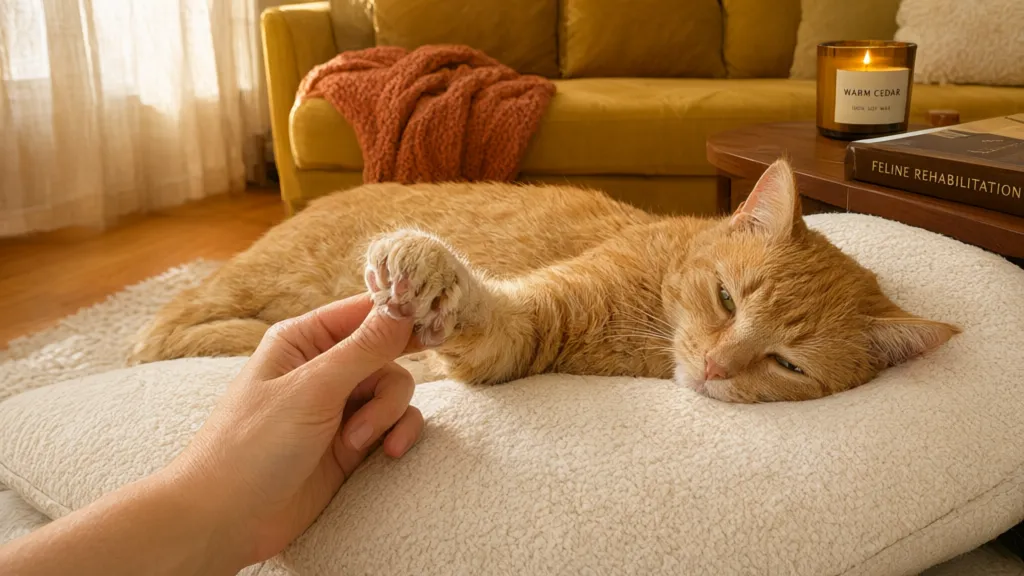
Range-of-motion exercises can be implemented at home to enhance joint function. Gentle stretching targeted at specific joints can increase flexibility and decrease stiffness. It is critical to work within the observed tolerances of the cat. If any signs of discomfort arise, such as vocalization or resistance, it’s essential to halt the exercise.
For cats recovering from surgery or those with significant mobility limitations, passive range-of-motion exercises offer another option. This involves the careful manipulation of limbs through their normal range of motion without the cat’s active participation. Such techniques should be performed with care to ensure safety and comfort.
Behavioral modifications can also aid in promoting a more active lifestyle. Creating an environment that encourages movement—such as placing cat trees, scratching posts, or climbing shelves in easy access areas—can motivate an otherwise sedentary cat to engage in more natural behaviors. Ensuring that litter boxes and food bowls are easily accessible can reduce the need for unnecessary exertion, potentially minimizing discomfort.
Monitoring the cat’s response to new exercise or therapy regimens is vital. Look for signs of increased pain, reluctance to participate, or changes in posture, which may indicate overexertion or the need for an adjusted plan. Regular consultations with a veterinarian or feline physiotherapist will provide essential insights into progress and necessary adjustments to the exercise regimen, ensuring a synergistic effect with other joint health strategies in place.
Natural Supplements and Remedies
Natural supplements can play an important role in enhancing feline joint health, especially for cats experiencing age-related degeneration or specific joint conditions like osteoarthritis. Curcumin, the active component in turmeric, exhibits potent anti-inflammatory properties, effectively reducing joint inflammation when administered at appropriate doses. Clinical studies highlight that dosages ranging from 15 mg/kg to 30 mg/kg can yield significant improvements in mobility and comfort, likely due to curcumin’s ability to inhibit inflammatory pathways.
Green-lipped mussel extract is another supplement gaining recognition in feline joint health. It contains a unique combination of omega-3 fatty acids, glycosaminoglycans, and antioxidants, contributing to joint lubrication and cartilage maintenance. Research indicates that incorporating approximately 100 mg/cat/day can aid in alleviating discomfort and promoting mobility, particularly in older or arthritic cats. Manufacturers should guarantee the product’s purity and quality to ensure maximum bioavailability.
MSM (methylsulfonylmethane) serves as an organic sulfur compound that supports joint health by enhancing collagen flexibility and promoting overall joint function. Studies have suggested that MSM can decrease pain and improve joint functionality when dosed appropriately; effects are typically observed at around 30–50 mg/kg daily. This supplement may also have a synergistic effect when used in conjunction with glucosamine and chondroitin sulfate.
A comprehensive approach to joint health may also include the use of homeopathic remedies or herbal formulations like boswellia serrata, known for its anti-inflammatory properties. While evidence regarding its efficacy in cats is still emerging, preliminary studies have shown promise. Cats should be monitored closely for any adverse reactions, particularly when introducing new supplements.
Probiotics may also benefit overall joint health indirectly through the enhancement of gut health, which is essential for nutrient absorption. A well-functioning gut microbiome can optimize the efficacy of joint-supportive nutrients. Selecting a probiotic specifically formulated for cats, with strains like Lactobacillus and Bifidobacterium, can support gastrointestinal health and subsequently contribute to the animal’s overall well-being. Dosages typically vary; guidance from a veterinarian ensures appropriate use.
Each potential supplement should be integrated carefully into a cat’s regimen. Monitoring for adverse reactions such as gastrointestinal upset or behavioral changes is important, as individual responses to supplements can vary significantly. Collaboration with a veterinarian for proper dosing and assessment of effectiveness will be essential to establish a comprehensive plan for enhancing joint health through natural supplements.