Eco-friendly grooming products for cats are formulated with ingredients that minimize environmental harm while ensuring the safety and well-being of felines. These products typically exclude harmful chemicals such as parabens, sulfates, and synthetic fragrances, which can cause skin irritations and allergic reactions in cats. Instead, they use plant-based, biodegradable ingredients that effectively cleanse and condition a cat’s coat without negatively impacting aquatic ecosystems during runoff.
Many eco-friendly shampoos and conditioners are based on natural oils, such as coconut or jojoba oil, which provide moisture and improve coat health. Essential oils, like lavender or chamomile, not only contribute pleasant scents but also possess antiseptic and anti-inflammatory properties, promoting skin health. However, it’s essential to use these products judiciously, as some essential oils can be toxic to cats in concentrated forms. Always verify that the oils are safe for feline use and check for potential allergic reactions.
Environmental impact extends to packaging as well; eco-friendly grooming products often use recyclable or biodegradable containers to reduce waste. When selecting products, look for certifications such as cruelty-free or organic, which indicate adherence to humane and sustainable practices. Brands that prioritize sustainability usually highlight their sourcing and manufacturing processes, ensuring transparency regarding the environmental footprint of their products.
When assessing grooming products, consider their pH balance, which must align with a cat’s natural skin acidity, typically around 6.0 to 7.5. Mismatched pH levels can lead to skin irritations, dryness, or infections. Always choose products specifically designed for cats, as dog grooming formulations may be unsuitable or harmful. Moreover, perform patch tests on a small area of skin to check for adverse reactions before full application.

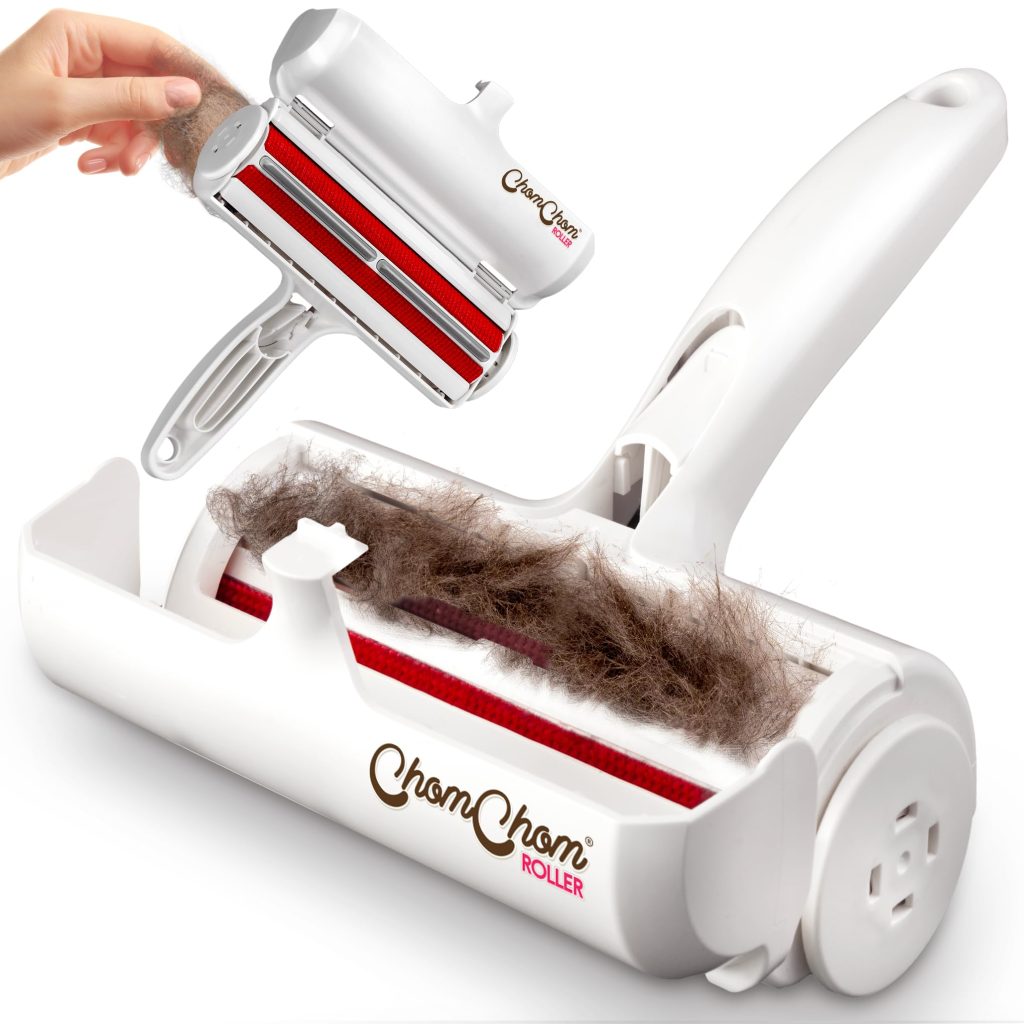
Purina Fancy Feast Grilled Seafood Wet Cat Food, 3 oz Cans, 24-Pack | Variety Pack, crafted with real seafood in savory gravy. Made with no Artificial Colors or Preservatives.
EUR 18.55 (as of October 12, 2026 08:25 GMT +00:00 - More infoProduct prices and availability are accurate as of the date/time indicated and are subject to change. Any price and availability information displayed on [relevant Amazon Site(s), as applicable] at the time of purchase will apply to the purchase of this product.)Understanding the ingredients listed on product labels very important for making informed choices. Terms like ‘natural’ can be misleading; verify percentages of actual natural ingredients. Seek products where the first few ingredients are plant-derived rather than synthetic additives. For example, look for glycerin, a natural humectant, or aloe vera, known for its soothing and moisturizing properties. Engaging with grooming products that are truly eco-friendly not only fosters a healthier grooming routine for cats but also supports broader environmental conservation efforts.
Monitoring the cat’s response to grooming products is essential. Look for signs of discomfort or adverse reactions, such as excessive scratching, redness, or changes in behavior post-grooming. Promptly discontinue use if any adverse symptoms occur and consult with a veterinarian for alternative solutions. Being attentive to product effectiveness and the cat’s welfare ensures that eco-friendly grooming contributes positively to the overall health and happiness of feline companions.
Sustainable Grooming Tools and Accessories
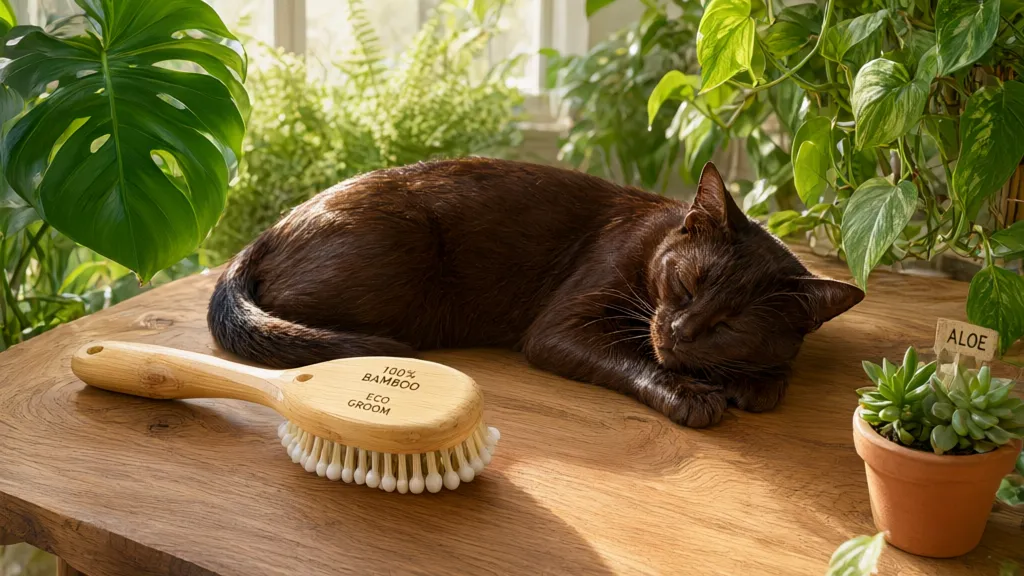
Sustainable grooming tools and accessories play a critical role in promoting eco-conscious practices while ensuring feline comfort and safety. The material composition of grooming tools significantly affects their environmental impact and usability. Brushes made from sustainable materials like bamboo are not only biodegradable but also durable, reducing waste associated with plastic grooming tools. Unlike synthetic brushes, which can harbor harmful bacteria and are often non-recyclable, bamboo brushes can be composted at the end of their life cycle.
When selecting combs and brushes, prioritize designs that minimize stress on the cat’s skin and coat. For instance, rubber-tipped bristles can prevent tugging and discomfort, which is particularly beneficial for sensitive breeds such as the Persian or Ragdoll. Look for ergonomic handles that provide a comfortable grip, ensuring that grooming sessions are efficient and less strenuous for both the groomer and the cat.
Organic cotton or hemp grooming wipes offer a sustainable alternative for quick clean-ups. These materials are less likely to irritate a cat’s skin compared to synthetic options, making them suitable for frequent use. Additionally, refillable containers for grooming products reduce single-use plastic waste and encourage ongoing sustainable practices. Opt for brands that offer biodegradable or compostable packaging to further support environmental initiatives.
Regular maintenance of grooming tools is vital for their longevity and effectiveness. Clean brushes and combs thoroughly between uses to prevent the buildup of dirt, oils, and allergens. Use natural disinfectants, such as a diluted vinegar solution, which effectively sanitizes without introducing toxic residues. Establish a cleaning routine that aligns with the frequency of grooming sessions; for instance, brush tools used daily should be cleaned more regularly to maintain hygiene.
Observe your cat’s behavior during grooming to ensure tools do not cause fear or anxiety. Signs of distress may include resisting grooming, flattened ears, or attempts to escape. If these behaviors arise, re-evaluate the tools being used. Ensure that grooming is not only effective but also a positive experience by introducing tools gradually and maintaining a calm environment. Incorporating treats and praise can also reinforce a positive association with grooming sessions, making sustainability efforts more enjoyable.
Selecting sustainable grooming tools and ensuring their proper maintenance directly contributes to the ecological footprint of grooming practices. Engaging with products made of sustainable materials and practicing conscientious product care enhances both feline well-being and commitment to environmental stewardship.
Natural Techniques for Cat Grooming
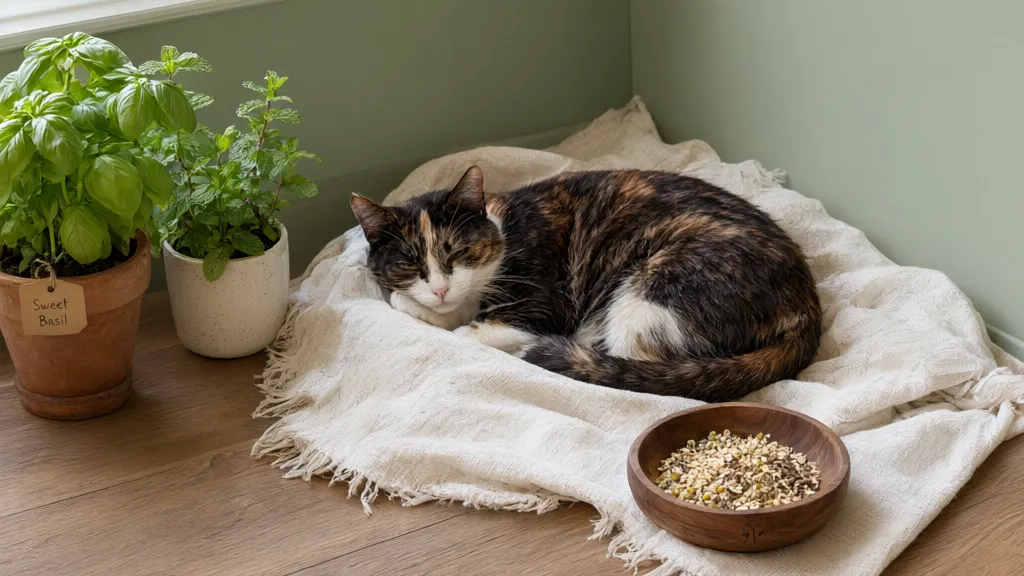
Using natural grooming techniques enhances both cat comfort and environmental sustainability. Regular brushing very important, as it minimizes shedding and prevents matting, especially in long-haired breeds like Maine Coons or Persians. This practice not only facilitates better circulation but also helps distribute natural oils throughout the coat, promoting a healthy shine without the use of chemical products.
Employing a technique called ‘dry bathing’ can effectively remove dirt and debris without the need for water or harsh shampoos. Cornstarch or baking soda can be sprinkled onto the coat, left for a few minutes to absorb oils and odors, and then thoroughly brushed out. This method is particularly beneficial for cats that are fearful of water or have skin sensitivities.
For trimming, using specially designed scissors or clippers that operate quietly minimizes stress for both the cat and the groomer. Cats with thick fur may require specialized grooming techniques like dematting, which should be approached with caution to avoid skin injuries. Ensure the tools are sharp and specifically made for feline use; dull tools can cause pulling and pain.
Natural conditioning treatments enhance coat health and hydration without chemical additives. A diluted solution of apple cider vinegar mixed with water can serve as a natural conditioner, helping to detangle fur while providing an antimicrobial effect. Another option is to use pure aloe vera gel, which soothes skin irritation and promotes healing. Always conduct a patch test to ensure these natural solutions do not provoke allergic reactions.
In terms of nail trimming, it especially important to establish a routine early in a cat’s life to prevent anxiety. Using natural calming aids, such as pheromone sprays or treats containing L-theanine, can help to keep the cat calm during grooming sessions. Make gradual introductions to nail clippers, allowing the cat to investigate the tools at their own pace; this reduces fear and fosters a positive relationship with the process.
Environmental temperature and conditions also play a role in successful grooming. A quiet, warm area free of drafts is ideal, as it promotes relaxation. Observe for signs of discomfort, such as hissing or attempting to escape, which may signal that the environment or technique requires modification. Successful grooming focuses on the cat’s emotional state as much as the physical process, ensuring it remains a non-stressful experience.
Incorporating natural grooming techniques not only supports feline welfare but also aligns closely with eco-friendly practices. Continuously monitoring your cat’s reactions and comfort level throughout the grooming process will ensure its effectiveness and foster a harmonious routine.
Benefits of Eco-Friendly Practices for Cats and the Environment
The adoption of eco-friendly grooming practices significantly benefits both feline health and the environment. Using biodegradable grooming products reduces the introduction of harmful chemicals into ecosystems, aiding in the preservation of aquatic life. These products often contain fewer artificial additives, which can provoke adverse skin reactions in cats. By employing natural formulations, cat owners minimize exposure to potential allergens, contributing to overall skin health and reducing incidents of dermatological issues, especially in sensitive breeds like Sphynx or Devon Rex.
Eco-friendly practices encourage a more responsible consumption model within the pet care industry. Sustainable sourcing of ingredients often leads to reduced carbon footprints associated with production and transportation. Additionally, the investment in refillable grooming containers fosters a cycle of reuse, minimizing plastic waste that contributes to landfill overflow. This practice not only curtails resource depletion but also promotes a culture of sustainability among consumers and manufacturers alike.
Behaviorally, the shift to natural and organic products can enhance the grooming experience for cats. The absence of harsh chemicals may decrease the likelihood of negative behavioral responses linked to skin discomfort or unpleasant odors. Observing a cat’s increased relaxation during grooming sessions can be attributed to the calming properties of natural scents found in herbal-infused shampoos, which are less likely to provoke anxiety. Cats that previously exhibited resistance towards grooming may show improvement in their demeanor, resulting in a more harmonious grooming routine.
The ecological implications also extend to surrounding communities. Local economies may benefit from the rise of businesses specializing in sustainable pet care, encouraging community engagement and environmental education. Increased awareness about eco-friendly products can lead to greater consumer demand for ethical practices in the pet industry, influencing manufacturers to adopt greener formulations and practices, which decreases overall habitat destruction and pollution associated with traditional grooming products.
Monitoring the long-term effects of eco-friendly grooming practices reveals significant health benefits for felines. Regular use of eco-conscious products may lead to improved coat quality, reduced incidence of skin irritations, and enhanced overall well-being. By opting for natural grooming solutions, owners actively engage in preventive health measures, potentially decreasing veterinary visits related to grooming-induced issues. This proactive approach can save costs associated with emergency treatments and improve the quality of life for cats.
Consequently, embracing eco-friendly grooming not only addresses the immediate needs of feline welfare but sets a foundational precedent for environmental stewardship. Observing signs of enhanced comfort in cats and better environmental outcomes reinforces the necessity of eco-conscious choices in everyday grooming practices. Together, these benefits create a profound impact on the feline-human dynamic while promoting a healthier planet for future generations.