The Javanese cat breed emerged in the United States during the 1950s and 1960s as a result of selective breeding aimed at producing a long-haired variant of the Siamese. The breed was developed through the crossbreeding of Siamese cats with colorpoint Persian and Balinese cats, maintaining the striking colorpoint pattern while enhancing fur length and texture. The Javanese cat was named after the Indonesian island of Java, which reflects the exotic appearance and origins of its ancestors.
The breed’s formal recognition began with the Cat Fanciers’ Association (CFA) in 1986, where it was classified as a distinct breed due to its unique combination of physical traits and personality attributes. Genetic studies indicate that the long-haired coat results from a recessive gene inherited from its Persian lineage, while the colorpoint gene is dominant, providing the distinctive coloration that sets the breed apart from its relatively short-haired relatives.
Early breeders aimed to capture the playful and sociable temperament of the Siamese while mitigating some behavioral extremes. With the introduction of the Balinese, an elegant long-haired breed also derived from Siamese stock, breeders focused on creating a cat that exhibited the outgoing personality typical of the Oriental breeds but with the additional benefit of a softer, luxurious coat.
Throughout their development, Javanese cats have remained relatively rare, resulting in a gene pool that, while diverse enough to maintain health, may also present certain inherited traits unique to the breed. Genetic predispositions common among Javanese include conditions like hip dysplasia and certain respiratory issues, often attributed to their conformation and hair density. Careful breeding practices remain crucial to minimize these health risks while enhancing overall vigor.

Sheba Perfect Portions Cuts Wet Cat Food, Seafood Multipack, 2.6 oz, 24 ct | Sustainable fish, grain-free, no fillers or artificial flavors, protein-rich, essential vitamins & minerals, twin-pack trays
EUR 12.81 (as of October 9, 2026 08:15 GMT +00:00 - More infoProduct prices and availability are accurate as of the date/time indicated and are subject to change. Any price and availability information displayed on [relevant Amazon Site(s), as applicable] at the time of purchase will apply to the purchase of this product.)In terms of popularity, the Javanese has garnered recognition among breed enthusiasts, particularly those who favor the social and playful nature of this breed. Their agile and intelligent disposition allows for easy training, catering to owners seeking an interactive companion. Their history reflects not only a commitment to aesthetic qualities but also an emphasis on delivering a breed that aligns well with family dynamics and lifestyle preferences.
Understanding the historical context of the Javanese breed is vital for prospective owners. Knowledge of their development informs best practices in care, management, and breeding, ensuring that the breed’s unique genetic traits and personality characteristics are preserved for future generations while promoting health and welfare.
Physical Characteristics
The physical characteristics of the Javanese cat are notable for their unique blend of elegance and functionality. The breed showcases a medium-sized frame, with males typically weighing between 8 to 10 pounds and females slightly smaller, usually ranging from 5 to 8 pounds. The conformation includes a long, muscular body that supports agile movement, essential for their active and playful nature. Their long legs provide a heightened sense of balance, beneficial for activities such as jumping and climbing.
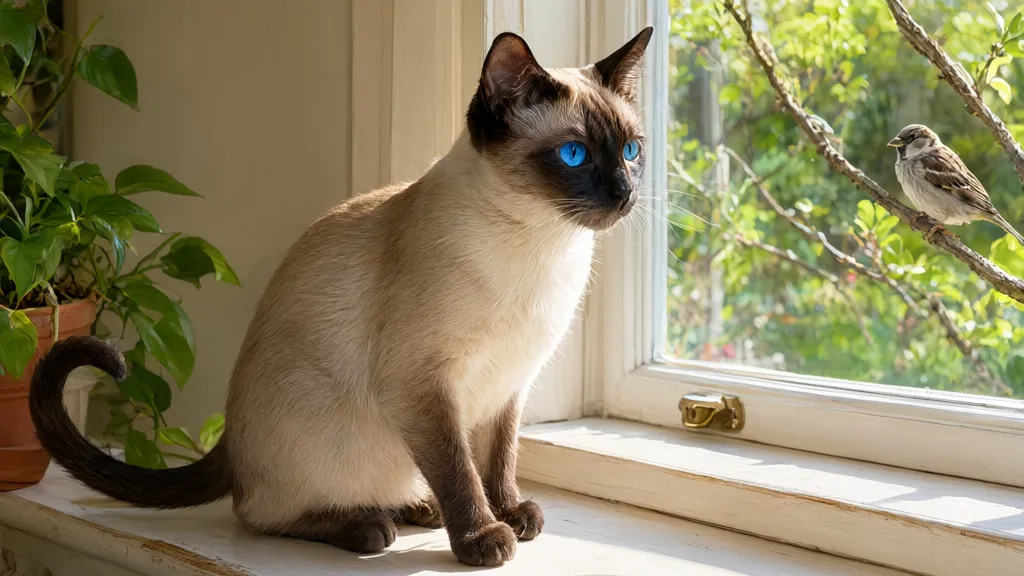
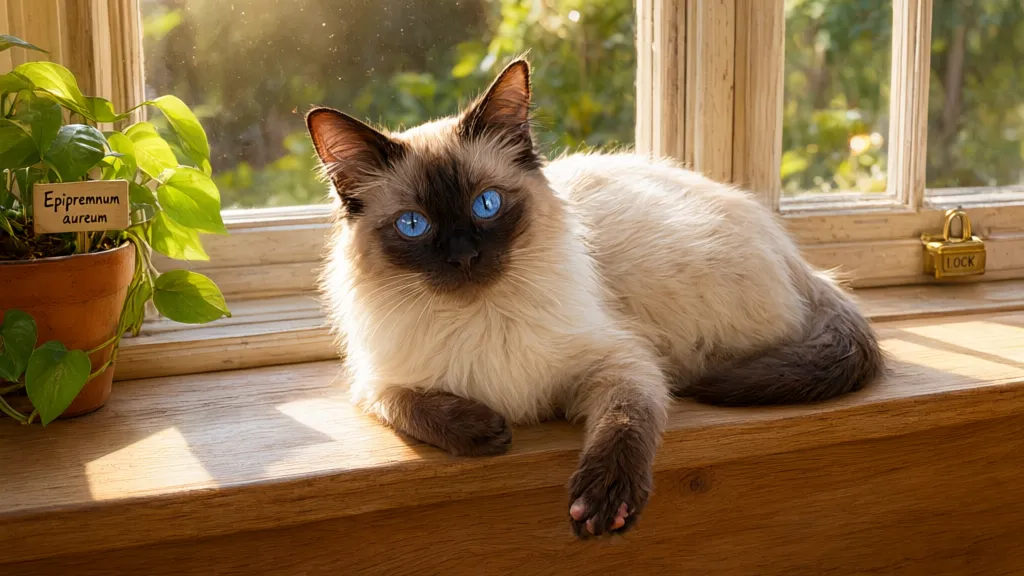
The head of a Javanese is a distinctive triangular shape, contributed by their Siamese heritage. This trait features a straight profile with a flat forehead, and their large, wide-set ears are alert and upright, enhancing their overall expressive demeanor. The large, almond-shaped eyes come in vivid hues ranging from blue to deep sapphire, a striking contrast to their coat, and reflect their vivacious personality. Coat texture plays a significant role in their appearance: the luxurious, semi-long hair is soft and silky, requiring regular grooming to prevent matting and to maintain its condition.
The colorpoint pattern is a hallmark of the breed, characterized by darker coloration on the ears, face, paws, and tail, while the body remains lighter. Javanese cats exhibit a variety of color combinations including seal, chocolate, lilac, and blue, each adding to their aesthetic charm. Additionally, the coat may show subtle shading variations that contribute to the impression of depth and character. The Single coat, unlike other long-haired breeds that have an undercoat, further minimizes the amount of shedding, making it beneficial for allergy sufferers to an extent.
Physiologically, Javanese cats have a set of traits that can affect their overall health. The elongated structure of their limbs, combined with their active lifestyle, predisposes them to certain musculoskeletal conditions such as hip dysplasia if not monitored. Breeders should prioritize practices that reduce this risk through careful selection of breeding pairs. Regular veterinary examinations focusing on their musculoskeletal health can assist in early detection of potential ailments.
From an anatomical perspective, the breed exhibits strong respiratory characteristics that stem from their genetic lineage. While their striking appearance is compelling, it’s essential to monitor breathing patterns, particularly in warmer climates or during physical activity. Javanese may be subject to respiratory sensitivities, owing to the shape of their skull and respiratory pathways. Ensuring a well-ventilated environment and avoiding excessive heat can mitigate these risks.
The Javanese cat’s distinctive physical characteristics not only contribute to their beauty but intertwine with their health and behavioral attributes, emphasizing the necessity for informed breeding, proper care, and a breeding focus that preserves both their aesthetic and functional traits to assure longevity and vitality in the breed.
Personality and Temperament
The Javanese cat’s personality is notably vibrant and engaging, significantly shaped by its Siamese and Balinese ancestry. These cats are highly social and require interaction, making them exceptional companions. Their playful demeanor is a hallmark trait, often manifesting in a love for games that stimulate their intelligence. They thrive in environments where they can engage with their human families and other pets, displaying affection through vocalizations and physical contact. Owners often observe that Javanese cats will follow family members from room to room, seeking companionship and participation in daily activities.
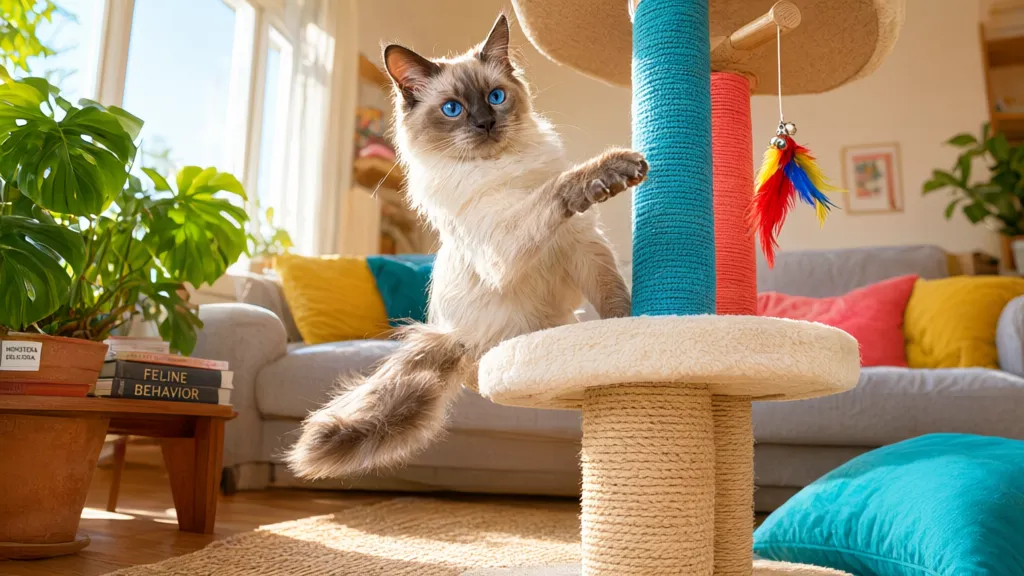
This breed is characterized by a high level of curiosity; they explore their surroundings thoroughly. Encouraging this behavior through interactive toys and climbing structures very important, as it satisfies their need for mental stimulation and physical exercise. Providing an enriched environment can help mitigate boredom, which in turn decreases the likelihood of destructive behaviors often associated with under-stimulated cats. Training sessions using positive reinforcement methods further enhance their cognitive engagement, allowing Javanese cats to learn tricks and commands that deepen the bond with their owners.
Javanese cats exhibit a balanced temperament; however, they can also show signals of anxiety if left alone for extended periods. This tendency stems from their inherent sociability; therefore, gradual acclimatization to alone time can be beneficial. Introducing them to new environments, people, and animals at a young age can enhance their adaptability and reduce stress-related behaviors, such as excessive vocalization or litter box avoidance. Observing their body language is essential; signs of distress may include hiding or excessive grooming, which necessitates immediate intervention to alleviate stressors.
Notably, Javanese cats are known for their intelligence and problem-solving abilities. They often engage in behaviors that test their limits, such as opening doors or manipulating objects. This characteristic reflects an innate desire to interact with their environment actively. Providing challenges, such as puzzle feeders, can foster this instinct while contributing to their overall well-being. Moreover, understanding their need for social interaction is crucial; integrating them into family activities will fulfill their emotional needs, preventing behavioral issues that stem from social deprivation.
Javanese cats exhibit a distinct vocal repertoire, often employing a soft, melodic voice similar to their Siamese relatives. Their vocalizations usually signal communication needs such as hunger, attention-seeking, or expressing affection. Paying attention to these cues allows owners to respond appropriately, reinforcing the bond and ensuring the cat feels understood. Overall, the blend of playfulness, curiosity, intelligence, and sociability make the Javanese cat a uniquely dynamic breed, necessitating attentive, interactive care to maintain their emotional and physical health.
Care and Health Requirements
Javanese cats require a comprehensive approach to care and health management that addresses their unique physiological and behavioral needs. The breed’s semi-long coat demands regular grooming to prevent matting and reduce shedding, which can lead to skin issues if neglected. A consistent grooming routine, involving brushing at least two to three times a week, helps maintain coat health and allows for early detection of dermatological problems or parasites such as fleas and ticks, which can thrive in dense fur.
Nutrition plays an important role in the health of Javanese cats. An optimal diet should be high in protein to support their active lifestyle and lean muscle mass, while also incorporating healthy fats to maintain skin and coat health. Cat food formulated for active or indoor cats is beneficial, as it provides necessary nutrients while managing caloric intake to prevent obesity, a known issue that can exacerbate joint problems like hip dysplasia. Regularly assessing body condition score will aid in maintaining an ideal weight, emphasizing the need for portion control and monitoring feeding routines.
Routine veterinary check-ups are critical for early detection and prevention of genetic health issues. Javanese cats may be predisposed to conditions such as dental disease and respiratory problems due to their anatomy. Annual dental evaluations and cleanings are recommended to prevent periodontal disease, while owners should familiarize themselves with normal respiratory patterns to identify potential issues early. Signs of respiratory distress include wheezing or labored breathing, which necessitate immediate veterinary attention.
Engagement and mental stimulation are integral to the health of Javanese cats. They thrive in environments that encourage interaction and exploration, so providing a variety of toys, climbing structures, and interactive activities is essential. Environmental enrichment not only supports psychological well-being but also aids in physical health by promoting exercise. Attention to behavior, such as excessive pacing or vocalization, can indicate stress or boredom, whereby providing alternative outlets can alleviate these signs.
Javanese cats may also exhibit sensitivity to temperature extremes due to their respiratory structure. Ensuring a comfortable living environment with appropriate temperature control and access to shaded areas during warm weather can help prevent heat-induced stress. During winter months, providing warm bedding and protection from drafts is important, as they can be prone to colds. Owners must monitor their cats closely during seasonal transitions to ensure comfort and health, recognizing that changes in behavior may indicate environmental discomfort.
Adopting a proactive approach to the care and health requirements of Javanese cats—encompassing grooming, nutrition, veterinary care, and environmental enrichment—will foster a longer, healthier life and a well-adjusted, happy companion. Regular observation and adjustment based on individual needs will optimize well-being for this playful and sociable breed.