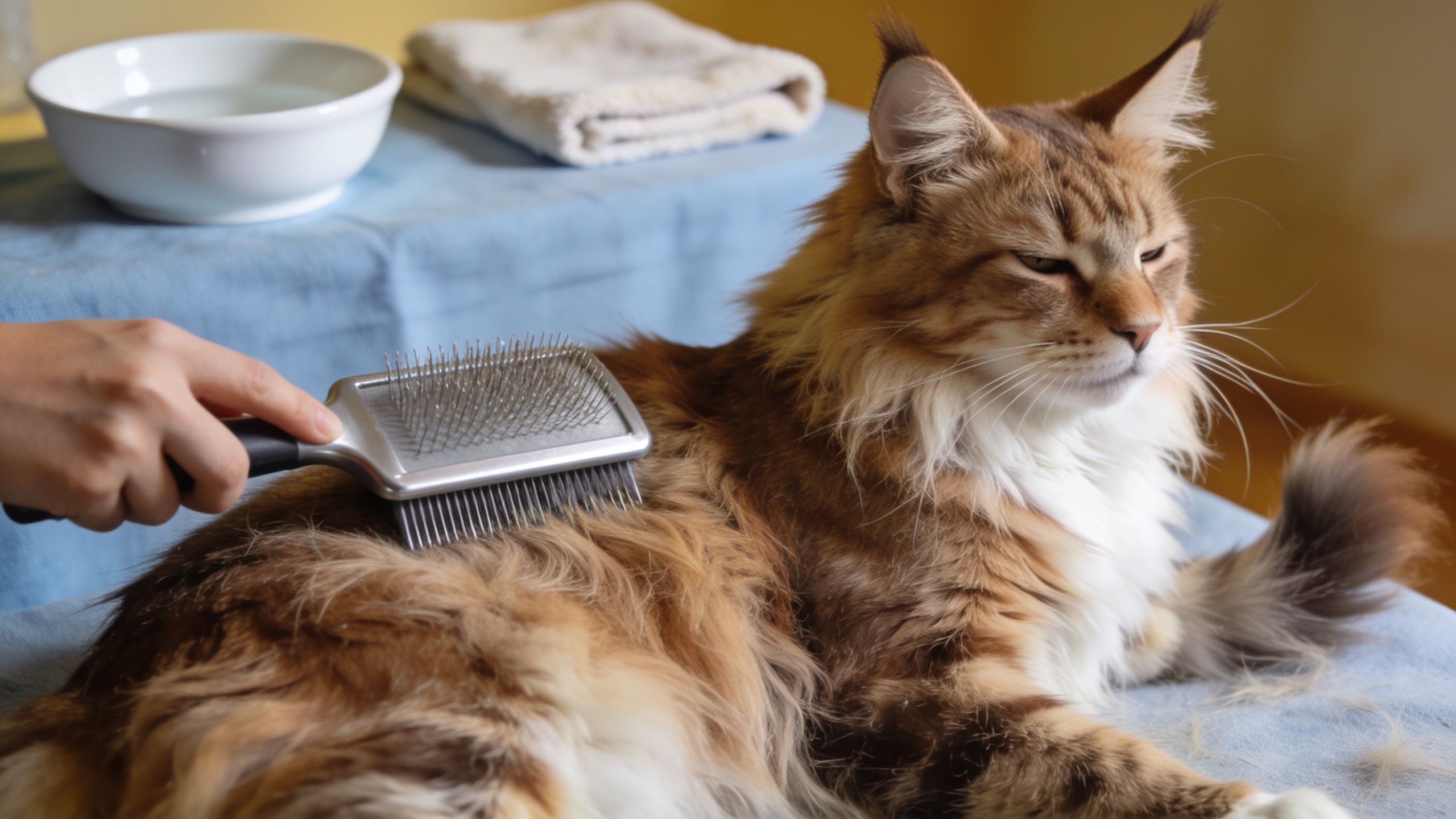
Long-haired cat breeds, such as Maine Coons, Persians, and Ragdolls, have unique grooming requirements due to their dense, flowing coats. Daily grooming is essential to prevent matting, which can lead to skin irritation, infections, and discomfort. The undercoat of long-haired breeds is particularly prone to tangling, necessitating the use of specialized grooming tools such as slicker brushes and wide-toothed combs. These tools effectively remove loose hair and debris while detangling without damaging the coat.
During grooming sessions, pay close attention to areas where mats commonly form, such as behind the ears, under the armpits, and around the hindquarters. Infrared and self-heating mats can exacerbate matting by reducing airflow, increasing moisture retention, and creating an ideal environment for bacteria. Regular combing can help mitigate the buildup of oils and dirt from these areas, promoting healthier skin and fur.
Bathing long-haired cats should be approached with caution. Frequent bathing can strip natural oils from the skin, leading to dryness and irritation. If bathing is necessary—typically no more than every 4 to 6 weeks—use a gentle, cat-specific shampoo to maintain coat health. Conditioners formulated for cats can also provide added moisture, but thorough rinsing is key to prevent residue buildup, which could attract dirt and debris.
Observe your cat’s behavior during grooming; agitation or resistance may indicate discomfort due to tangles or skin issues. Regular check-ups with a veterinarian for skin health, particularly in breeds predisposed to skin conditions like Persians, can prevent serious complications. Signs of distress during grooming, such as excessive grooming (known as psychogenic alopecia), can suggest underlying anxiety or dermatological concerns that require further investigation.

Purina Friskies Wet Cat Food Variety Pack, Shreds, 40 Pack 5.5 oz Cans | Beef, turkey and cheese, chicken and salmon, and ocean whitefish and tuna recipes in savory gravy
EUR 27.17 (as of September 23, 2026 14:31 GMT +00:00 - More infoProduct prices and availability are accurate as of the date/time indicated and are subject to change. Any price and availability information displayed on [relevant Amazon Site(s), as applicable] at the time of purchase will apply to the purchase of this product.)A de-shedding tool is beneficial during shedding season, which typically occurs in spring and fall, to manage the high volume of fur released. This step reduces hairballs and minimizes the amount of fur your cat ingests during self-grooming. Ensure that the environment is suitable and stress-free; consider using pheromone diffusers to create a calm atmosphere during grooming sessions.
Lastly, proper nutrition supports healthy skin and coat. Diets rich in omega fatty acids can enhance coat quality and reduce shedding. Monitor your long-haired cat’s weight, as obesity can hinder grooming. Regular veterinary checks to assess body condition can guide dietary adjustments and contribute to overall well-being.
Care Tips for Short-Haired Breeds
Short-haired breeds, such as the American Shorthair, Siamese, and British Shorthair, require less intensive grooming than their long-haired counterparts, but attention to their specific needs is vital for health and comfort. Generally, a weekly grooming session is sufficient, using a rubber grooming mitt or a bristle brush to effectively remove loose hairs without damaging the coat. This not only reduces shedding but also stimulates skin oil production, promoting a healthier sheen.
Since short-haired cats typically shed less, their fur is less prone to matting. However, owners should remain vigilant for any localized hair loss or skin irritation, which could indicate allergies or parasitic infestations. Regularly inspecting the skin for any abnormalities—such as bumps, scabs, or changes in color—is essential for early detection of dermatological issues.
Bathing is usually infrequent for short-haired breeds unless required for medical reasons or if they become particularly dirty. Over-bathing can lead to dryness, so if a bath is warranted, choose a mild, cat-safe shampoo and ensure thorough rinsing to eliminate residues that may irritate the skin. The ideal frequency, generally every 8-12 weeks, should be dictated by the individual cat’s lifestyle and environment.
Diet plays an important role in coat quality and overall health. Feeding high-quality, species-appropriate nutrition can lead to a reduction in shedding and improved skin health. Foods rich in omega-3 and omega-6 fatty acids support a smooth coat and help manage inflammatory skin conditions, which can be common in specific breeds. Monitor your cat’s body condition, as overweight cats may require specialized diets to maintain an optimal weight, thereby reducing stresses on their skin and coat health.
Behavioral aspects should not be ignored; anxiety or stress can manifest through excessive grooming (barbering) which can lead to skin lesions or hair loss. Providing environmental enrichment, such as interactive toys or climbing structures, can mitigate stressors that lead to compulsive behaviors. If you notice signs such as excessive vocalization or lethargy during grooming sessions, it may indicate underlying health issues, necessitating a veterinary consult.
Frequent checks for fleas, ticks, and other parasites are essential, as short-haired breeds may not benefit as much from grooming in terms of removing these pests. Discuss preventative options with your veterinarian, including topical treatments or collars that enhance parasite prevention. Additionally, maintaining a clean litter box and regular cleaning of the home environment can help minimize infestations.
By understanding the unique requirements of short-haired breeds, cat owners can contribute significantly to their feline companions’ health and comfort through tailored grooming and care approaches.
Health Considerations for Unique Breeds
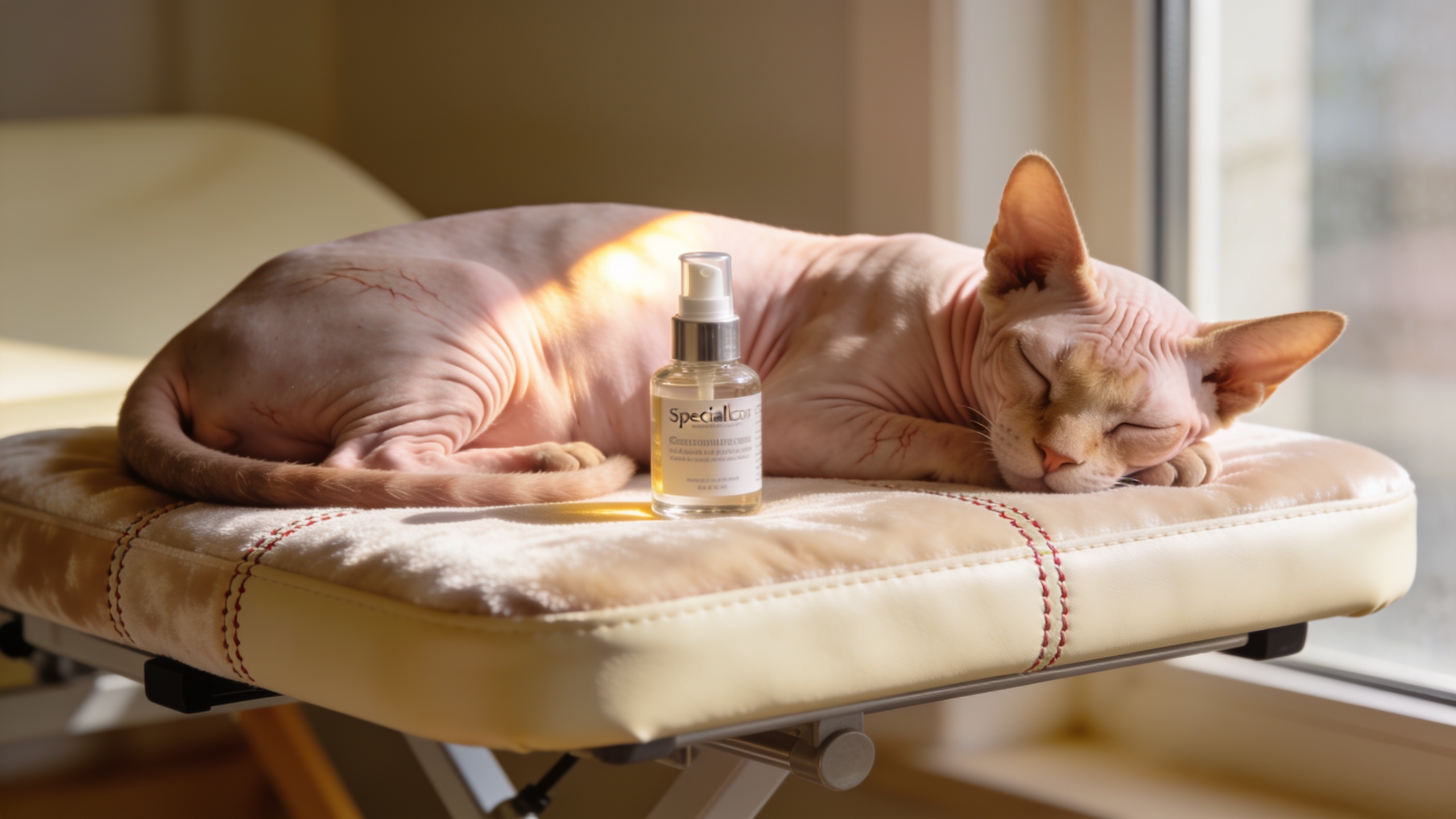
Unique cat breeds often carry genetic predispositions to certain health issues requiring targeted care. For instance, the Sphynx, renowned for its hairlessness, is particularly susceptible to skin conditions due to its lack of a protective fur coat. Regular skin inspections for lesions, oils, or infections are crucial; a specialized veterinary shampoo may be required to maintain skin hygiene without over-drying. Keep the environment free of irritants and ensure adequate moisture levels through humidifiers to support skin integrity.
Bengal cats are notable for their energetic and playful nature, yet they’re also predisposed to certain heart conditions, such as hypertrophic cardiomyopathy (HCM). It’s essential to conduct regular veterinary checkups, including echocardiograms, to monitor heart health proactively. Additionally, maintaining a stable, low-stress environment can minimize the risk of exacerbating underlying conditions through stress-induced cardiomyopathy.
Siamese cats may exhibit behavioral issues linked to underlying medical problems. They are prone to certain neurobiological disorders that can manifest as excessive vocalization or aggression. Behavioral assessments by both veterinary professionals and certified animal behaviorists can differentiate between health-related concerns and typical breed traits, ensuring appropriate management strategies are employed. Environmental enrichment plays a pivotal role in mitigating anxiety-related behaviors, thus improving their quality of life.
Scottish Folds are genetically predisposed to a cartilage disorder that affects their ear structure as well as their joint health. Regular monitoring of mobility and joint function should be conducted to catch any early signs of arthritis. Providing joint supplements containing glucosamine and omega fatty acids can be beneficial, while maintaining a healthy weight will reduce stress on joints, enhancing overall mobility and well-being.
British Shorthairs often face obesity risks due to their sedentary nature. Weight management is critical, achieved through portion control, high-protein diets, and regular play sessions. Obesity can lead to diabetes and orthopedic issues, exacerbating overall health decline. Encourage gradual exercise through interactive play that stimulates both physical and mental engagement, avoiding rapid weight loss which can be harmful.
Regular dental checkups are essential across unique breeds due to their genetic susceptibilities to dental diseases. Brushing teeth at least twice a week and offering dental treats or toys can maintain oral health. Additionally, consider a diet formulated to improve dental hygiene, thereby decreasing the likelihood of periodontal diseases, which can have systemic effects if left untreated.
When managing the health considerations of unique breeds, establishing an integrative approach—including genetics, environment, behavior, and nutrition—is crucial. This holistic view promotes longevity and quality of life, ensuring each breed-specific need is effectively addressed in a tailored care plan.