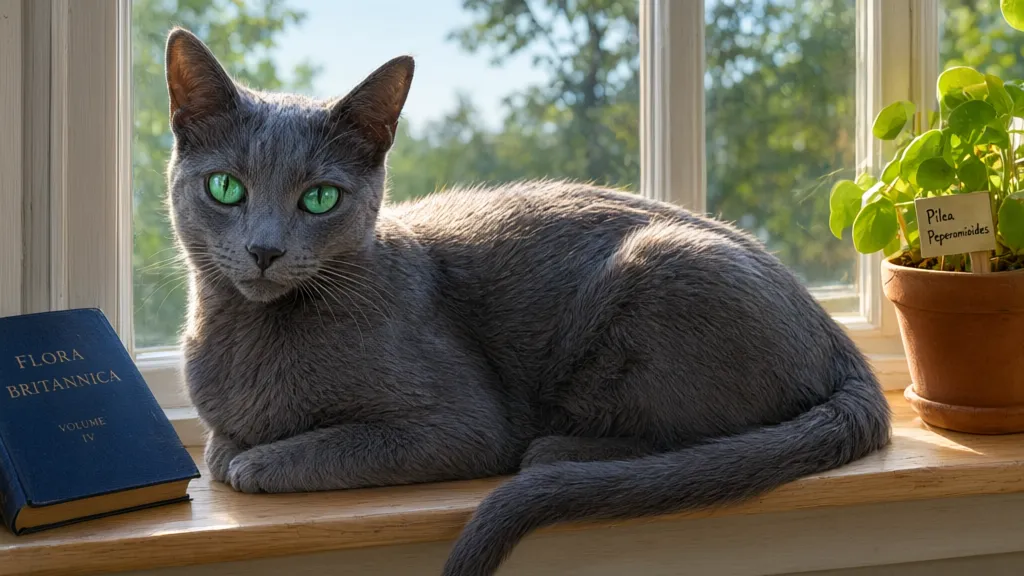
Understanding the nuances of shy and rescued cats requires recognition of their unique histories and the stressors they have endured. Feline behavior is deeply influenced by genetics, early life experiences, and traumatic events. For instance, cats that have experienced neglect or abuse may develop heightened anxiety, which manifests as avoidance behavior. Genetic predispositions can also play a role; certain breeds, such as Siamese or Abyssinian, might exhibit a more outgoing demeanor, while others, like the Russian Blue, may have inherent shyness. This variation necessitates individualized approaches based on each cat’s background.
Shy cats often exhibit specific body language signals to communicate their discomfort. These signs include flattened ears, a crouched posture, and a twitching tail. Understanding these signals can help caregivers respond appropriately, offering an environment that caters to the cat’s need for security and control. It is critical to avoid forcing interactions, as this can lead to increased stress levels, further entrenching their fear response.
Environmental factors significantly impact a shy cat’s ability to acclimate. High noise levels, rapid movements, and the presence of unfamiliar individuals can exacerbate anxiety. A study on social behavior in cats indicates that a quiet, predictable environment aids in their adjustment process. Shelters and homes should provide safe spaces such as hideaways or vertical perches, allowing cats to retreat when feeling threatened. Enrichment activities, tailored to their preferences, can foster self-confidence at their own pace.
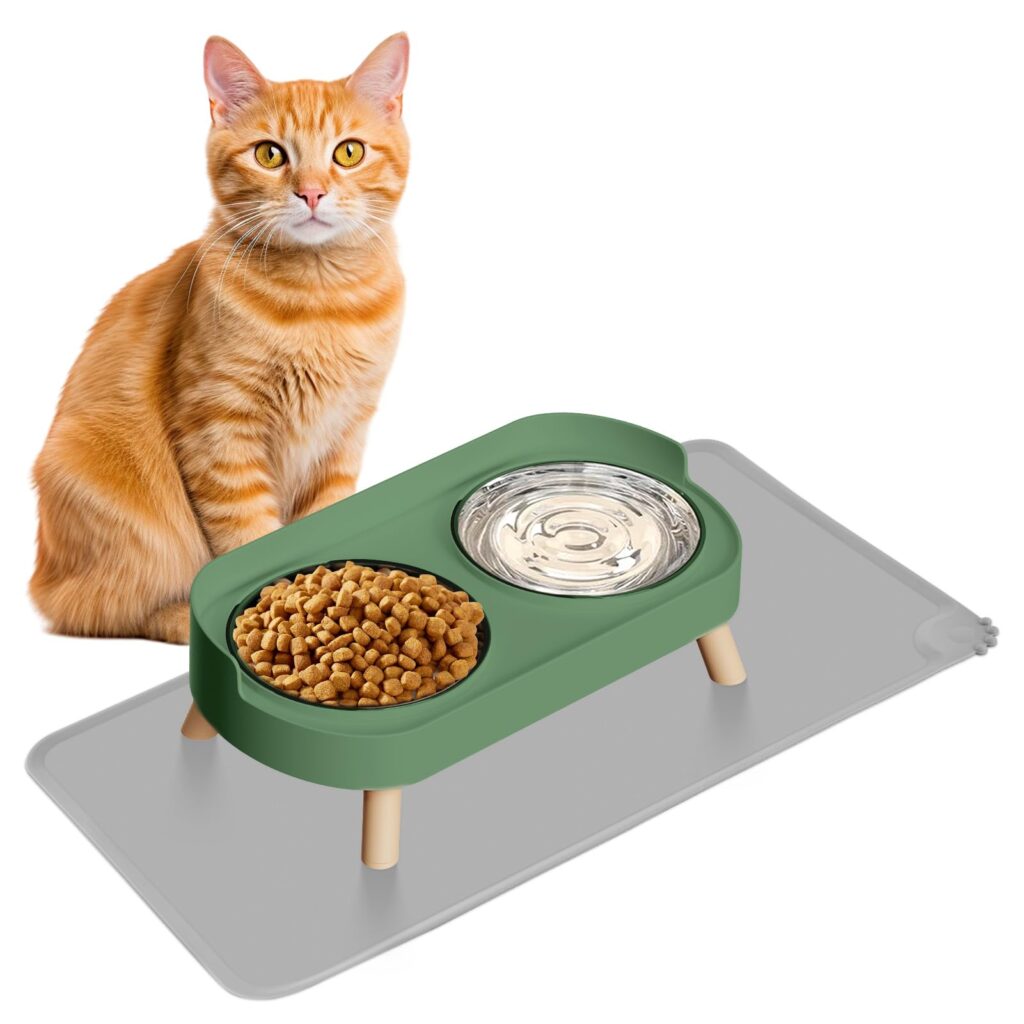
Nutrition also plays a pivotal role in the mental health of shy cats. Nutritional deficiencies can exacerbate anxiety and impact overall behavior. Diets rich in omega-3 fatty acids, taurine, and specific vitamins can support neurological health and improve resilience to stress. Observation of feeding behaviors can illuminate additional areas of anxiety; for instance, some shy cats might display food guarding tendencies. As a strategy, consider using puzzle feeders to stimulate both mental engagement and provide a non-threatening way to access food.

Purina ONE Tender Selects Dry Cat Food, Salmon, 7 lb Bag | Real salmon is the #1 ingredient made with carrots, peas, vitamins A and E for bright eyes, strong muscles and digestion
EUR 15.20 (as of September 18, 2026 09:09 GMT +00:00 - More infoProduct prices and availability are accurate as of the date/time indicated and are subject to change. Any price and availability information displayed on [relevant Amazon Site(s), as applicable] at the time of purchase will apply to the purchase of this product.)Health issues should not be overlooked when evaluating a shy cat’s behavior. Chronic pain conditions, such as dental disease or arthritis, may cause a cat to retreat and avoid interaction. Regular veterinary check-ups, including dental assessments and pain management protocols, are essential. Behavioral irregularities can stem from underlying medical conditions, making the need for a comprehensive examination vital when working with shy individuals. Recognizing that behavioral concerns may have physical roots can facilitate a more holistic approach to care.
Addressing the complexities of shy and rescued cats hinges on an understanding of their unique backgrounds, environmental needs, and physiological health. Observation and empathy are crucial in building the foundation for trust and comfort.
Creating a Safe Environment
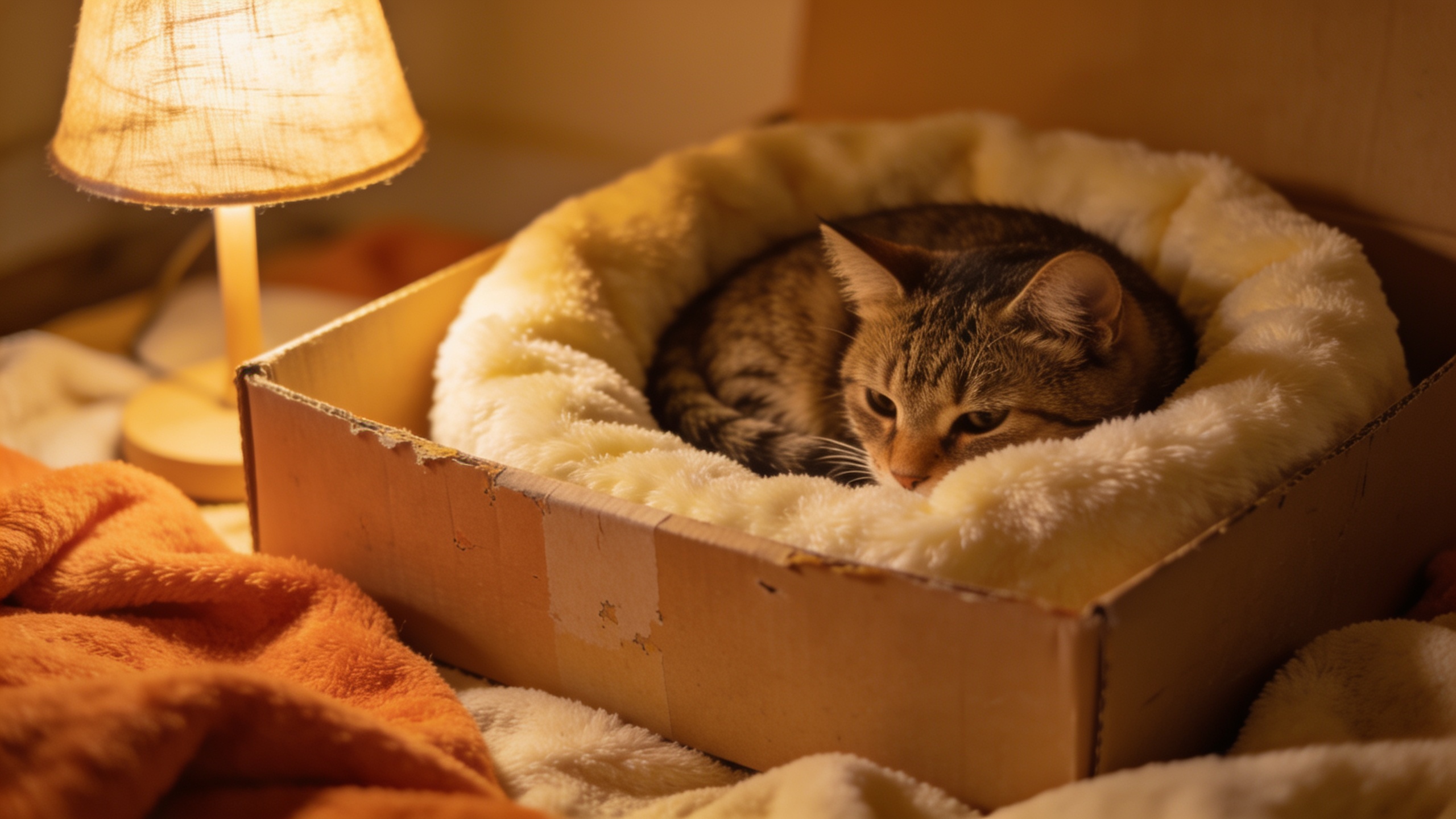
Creating a safe environment for shy or rescued cats is fundamental to their emotional and behavioral recovery. This involves establishing a space that minimizes stressors while promoting a sense of security. Begin by designating a specific area within your home that’s quiet, away from the hustle and bustle of daily activities. This area should incorporate cozy hiding spots, such as a covered cat bed or a cardboard box, where the cat can retreat when feeling anxious. These hideaways not only provide shelter but allow the cat to feel in control of their surroundings, which very important for building trust.
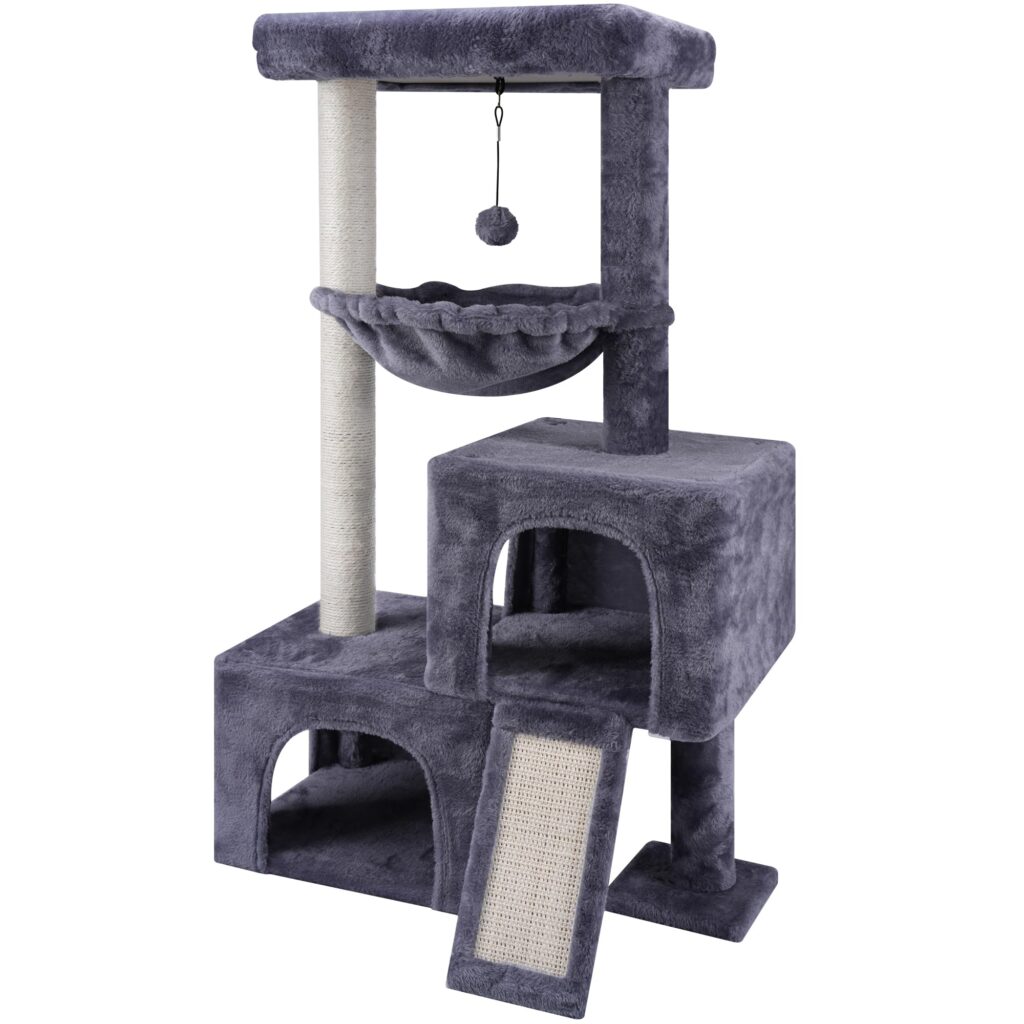
Environmental enrichment plays a significant role in mitigating anxiety in shy cats. Incorporate vertical spaces, like cat trees or shelves, which facilitate natural behaviors such as climbing and perching. This allows the cat to observe their environment from a safe distance and helps alleviate feelings of vulnerability. Additionally, the inclusion of safe toys, such as feather wands or laser pointers, encourages play and exercise, which can be therapeutic. Always monitor play to ensure that it remains positive and does not inadvertently escalate stress.
Control over environmental stimuli is essential. Reducing sudden loud noises and limiting the presence of unfamiliar people or animals can significantly lower anxiety levels. Consider using sound machines or calming music specifically designed for cats to mask disruptive environmental noises. The placement of litter boxes should also be discreet, ensuring they are accessible yet away from high-traffic areas, as an easily stressed cat may avoid using them if they feel exposed.
Through controlled interactions, you can help a shy cat learn to feel safe in their new environment. Avoid overwhelming them with direct face-to-face encounters. Instead, allow them to approach you at their own pace. Sit at their level, perhaps near their hiding spot, and offer enticing treats to create positive associations. Use interactive toys to engage them without the pressure of direct contact, fostering curiosity over fear.
Monitoring the cat’s body language is critical when assessing their comfort level in the environment. Signs of stress, such as excessive grooming, tail flicking, or hiding, should prompt immediate changes to their environment or interactions. Furthermore, behavioral changes like sudden aggression or withdrawal can indicate the need for adjustments in their surroundings. Interventions should be swift, aiming to reinforce the cat’s sense of safety.
Lastly, integrating pheromone diffusers into the environment can significantly reduce stress levels. Products containing Feliway mimic feline facial pheromones, which promote feelings of calm and security. Using these alongside proper environmental design can enhance your efforts in creating a sanctuary that allows the cat to thrive, ultimately paving the way for trust-building opportunities.
Building Positive Interactions
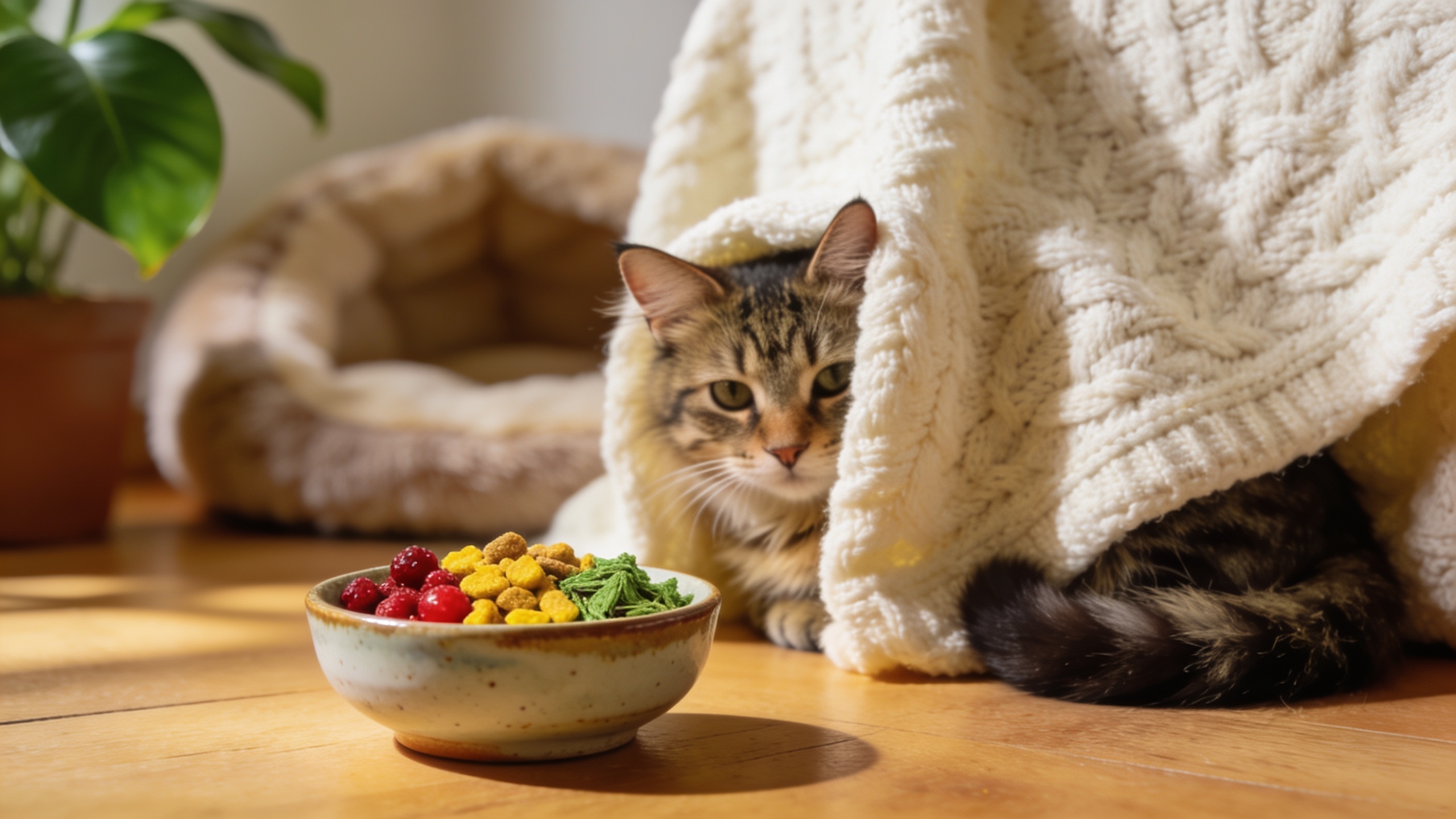
Positive interactions with shy or rescued cats necessitate a tailored approach that respects their boundaries and builds trust gradually. Initiate engagement through indirect methods; for example, allow the cat to hear your voice without direct visual contact. Speaking softly while performing routine tasks can create a sense of familiarity without imposing stress. Minimize hand movements initially, as quick gestures can provoke anxiety. Instead, use low-profile body language, keeping your hands relaxed and at or below cat height.
Introduce interactive toys as a means of fostering connection without direct handling. Wand toys or feather toys that allow for distance between you and the cat can stimulate play and curiosity. It’s crucial to observe the cat’s responses; positive engagement should be met with plenty of praise and gentle encouragement. Conversely, if the cat retreats or displays signs of discomfort, such as flattening ears or dilated pupils, cease the interaction to avoid overwhelming them.
Using food as a form of positive reinforcement can significantly enhance the bonding process. Start by placing treats in the cat’s safe space, progressively moving them closer to your position as the cat becomes more comfortable. Monitor their approach, as interest in the treats can indicate a willingness to engage. For some cats, hand feeding may be suitable once a baseline level of trust is established, allowing them to associate your presence with positive experiences while maintaining an element of control.
Gradual desensitization techniques work effectively in building positive interactions. Systematically introduce new stimuli, such as different people or household sounds, at a pace the cat can handle. The goal is to prevent flooding, a situation where an overwhelming amount of stimuli can cause the cat to shut down or regress. Maintain a calm demeanor and ensure the environment remains stable during this process to facilitate a sense of security.
Engaging in brief but frequent sessions can reinforce positive associations without causing fatigue. Short play periods followed by rewarding interaction can increase the cat’s confidence. Consider varying the types of interactions—gentle brushing, light scratching in areas they enjoy, or simply sitting quietly nearby can help reinforce a growing sense of safety.
Recognizing and responding to the cat’s body language is paramount. Rewards should be given in response to signs of positive engagement, like approaching or playfulness. Equally, be vigilant for stress signals; if displayed, reassess the situation or back off to allow the cat to decompress. Documenting their responses can facilitate a more informed approach over time, enhancing the effectiveness of your interactions, and contributing to a stronger, trust-based bond.
Ultimately, patience is essential. Building trust with a shy or rescued cat is often a non-linear journey, requiring consistency and understanding. The more attuned you’re to their unique needs and responses, the more successful you will be in fostering a relationship based on mutual confidence and positive interaction.
Promoting Long-Term Trust
Promoting long-term trust with shy or rescued cats involves consistent, positive reinforcement strategies that charm to their specific fears and needs. Establishing a routine can significantly reduce anxiety, as predictable environments help shy cats feel secure. Consistency in feeding, playtime, and even light grooming, conducted at the same time daily, fosters an expectation of safety and care. It’s essential to monitor the cat’s response to this routine, adapting as necessary to ensure it suits their evolving comfort levels.
Using scent is another powerful tool in promoting trust. Cats have a highly developed sense of smell, and familiar scents can create a sense of belonging. Regularly incorporating items that carry your scent, such as worn clothing or blankets, into their safe space can facilitate feelings of security. Conversely, avoid strong fragrances or air fresheners, as these may overwhelm a sensitive cat and inhibit trust-building efforts.
Incorporating controlled socialization is vital for developing long-term trust. Invite select visitors who understand the cat’s needs and can engage using low-key and calm interactions. These individuals should avoid direct eye contact, loud voices, or sudden movements, recognizing that approaches must be gentle and gradual. Introducing the cat to new experiences—like the sounds of a vacuum cleaner or limited exposure to television noise—can condition them in small doses, allowing desensitization and decreasing anxiety over time.
Maintaining the cat’s territory is crucial; shy cats may become stressed when the elements of their environment change. Whenever possible, minimize relocation of furniture or the introduction of new pets too rapidly, ensuring they have access to their familiar hiding spots and observation points. If changes are unavoidable, implementing them incrementally will help ease transitions. The addition of safe high spots, such as shelves or cat trees, allows the cat to feel secure and in control of their viewpoint in an altered environment.
Rewarding desired behaviors through clicker training can enrich the bond between you and the cat while promoting trust. The sound of the clicker, followed by a treat, reinforces positive actions over time, helping them associate your presence with good experiences. Note that training sessions should be brief, focusing on one behavior at a time, always ending on a positive note to encourage their willingness to interact further in the future.
Lastly, regular health assessments and addressing underlying medical issues remain critical components in promoting long-term trust. Pain or illness can fuel distrust and anxiety; ongoing veterinarian consultations ensure any physical discomfort is managed effectively. Regular monitoring of body condition, dental health, and mobility helps maintain the cat’s overall wellbeing, consequently reinforcing the trust they place in their caregiver as a source of support and relief. The more secure a cat feels in their physical health, the more open they will be to developing a lasting emotional bond with their human companions.