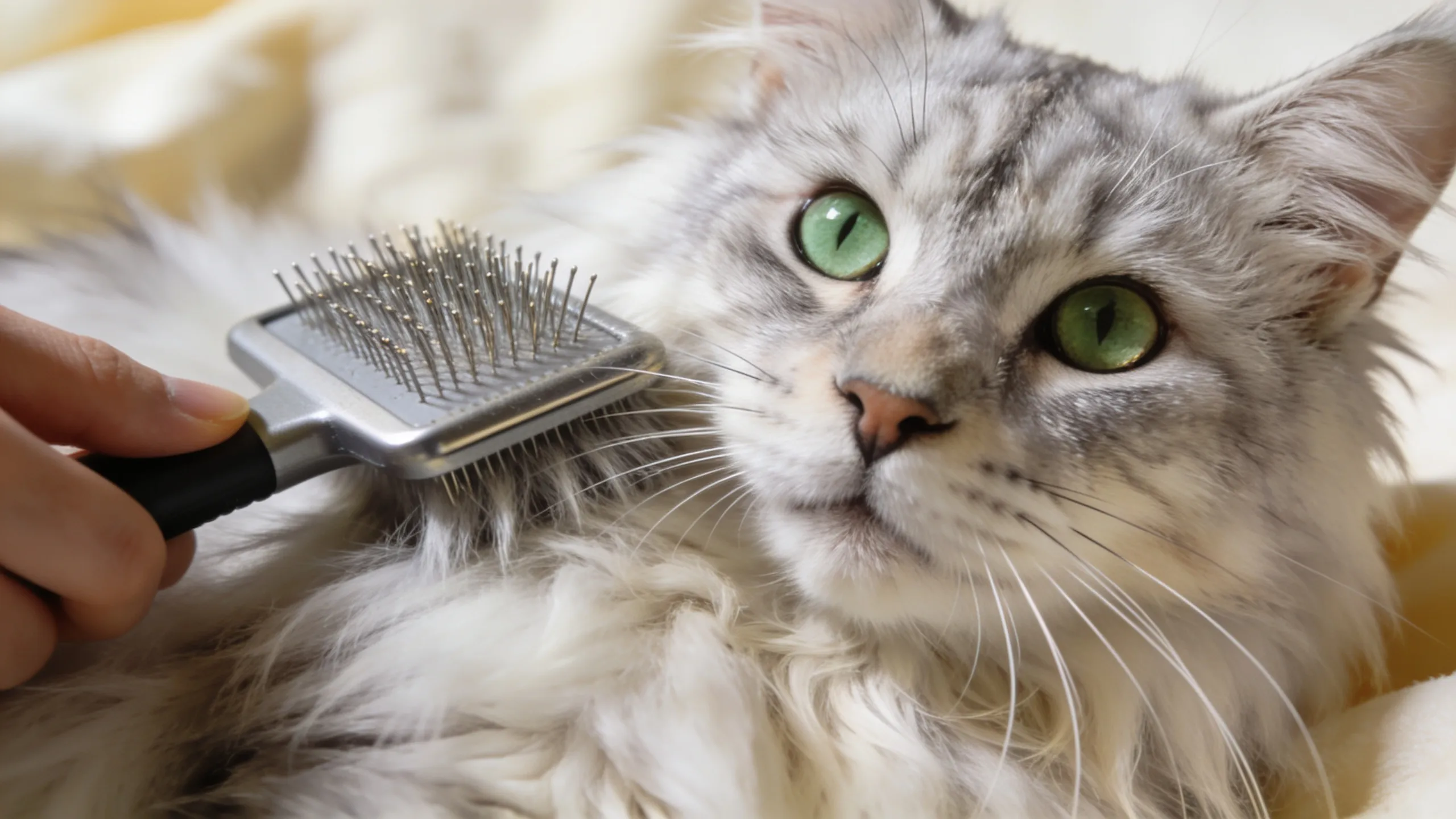
Cat coat types exhibit significant genetic diversity, influenced by breed-specific characteristics and environmental factors. Understanding these variations very important for effective grooming and health management. The primary coat types include short, medium, and long, each with unique grooming needs and predispositions to certain conditions.
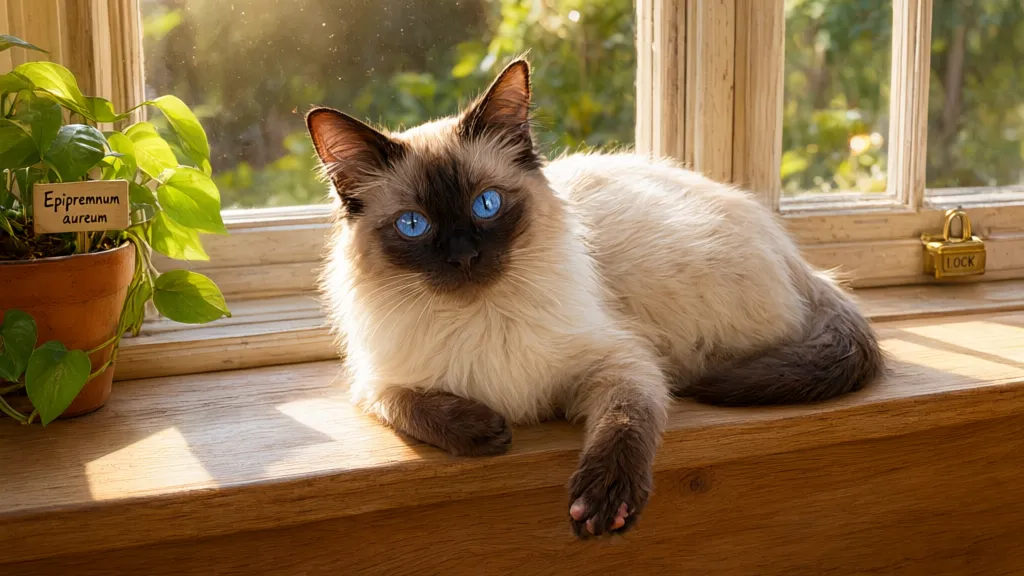
Short-haired cats, such as the American Shorthair and Siamese, generally require less frequent grooming due to their reduced undercoat density. However, they can still experience issues like matting if not properly cared for, particularly in areas of friction such as the armpits and base of the tail. It’s critical to monitor these areas closely and use a soft-bristle brush twice a week to remove loose hair and dander, preventing the buildup of skin debris that may lead to dermatitis.
Medium-haired breeds, such as the Maine Coon and Norwegian Forest cat, possess both a topcoat and significant undercoat. This dual-layer structure enhances insulation but increases the likelihood of tangles and knots. Regular grooming, ideally every three to four days, is required to mitigate this. Use a wide-toothed comb first to detangle any mats, followed by a slicker brush to manage the undercoat. Look for signs of matting early, as neglected knots can lead to skin irritation or infections beneath the fur.
Long-haired breeds, such as the Persian and Ragdoll, require daily grooming to prevent matting and hairballs. Their fur is more susceptible to tangles, particularly behind the ears and under the legs. Regular brushing should focus on preventing mats, with a combination of a pin brush and a dematting tool being effective. It’s also crucial to monitor for any underlying skin issues, such as fleas or allergies, which can worsen in dense fur. Long-haired cats may also benefit from occasional professional grooming sessions, particularly during shedding seasons.

Temptations Classic Crunchy and Soft Cat Treats, Tasty Chicken, 30 oz | Under 2 calories per treat, crunchy outside & soft inside, resealable tub, 100% complete & balanced, snack, meal or topper
EUR 13.37 (as of October 10, 2026 08:15 GMT +00:00 - More infoProduct prices and availability are accurate as of the date/time indicated and are subject to change. Any price and availability information displayed on [relevant Amazon Site(s), as applicable] at the time of purchase will apply to the purchase of this product.)Each coat type is influenced by specific genetic traits that can predispose cats to various dermatological issues. For instance, breeds with a high density of undercoat may face chronic grooming challenges that can lead to seborrhea or hot spots due to moisture retention. Environmental factors like humidity and temperature fluctuations can exacerbate these issues. Therefore, using climate-appropriate grooming strategies, such as adjusting the frequency of grooming in response to seasonal shedding cycles, is recommended.
Observe behavioral cues indicating discomfort during grooming sessions; these may include flinching, growling, or attempts to escape. Such behaviors can signify tangling or skin irritations. Additionally, pay attention to shedding—excessive shedding may indicate nutritional deficits or health problems requiring dietary adjustments or veterinary consultation. Regular assessments of coat condition and skin health will help maintain optimal grooming practices tailored to specific coat types.
Essential grooming tools
Choosing the right grooming tools is essential for maintaining a cat’s coat health and preventing grooming-related stress. The specific requirements of the cat’s coat type dictate the selection of grooming instruments. For short-haired breeds, a rubber grooming glove can be highly effective for removing loose hairs while providing a massaging effect, which many cats find pleasurable. Additionally, a fine-toothed comb can clear out dander without risking skin irritation.
Medium-haired cats benefit from a combination of tools, including a slicker brush for removing tangles and a dematting rake for stubborn knots. The slicker brush’s angled bristles penetrate through the topcoat to reach the undercoat, facilitating thorough grooming. It’s recommended to search for brushes with stainless steel pins to ensure durability and effectiveness. For detangling, use a wide-toothed comb first to address larger mats without breaking the hair, followed by a finer comb to smooth the coat.
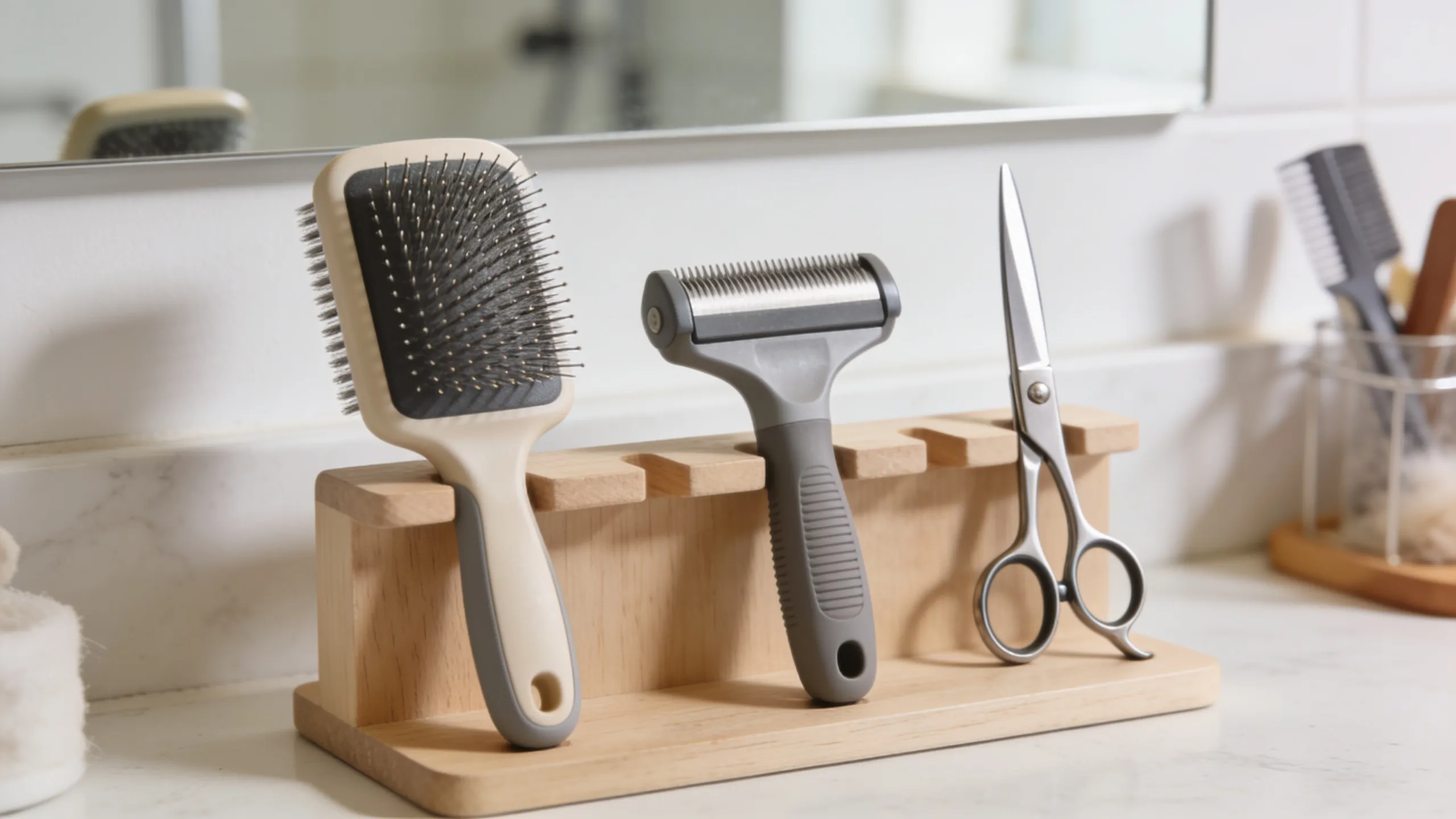
For long-haired breeds, a pin brush coupled with a de-shedding tool is recommended. The pin brush should feature flexible bristles that can navigate through dense fur without pulling or causing discomfort. The de-shedding tool is important for managing the undercoat, helping to collect loose fur that encourages hairballs and matting. It is vital to consider tools with adjustable blade settings to accommodate different coat lengths and thicknesses.
In addition to brushes and combs, grooming scissors are invaluable for addressing minor matting and maintaining the coat’s aesthetic. Use blunt-end scissors to safely trim excess fur around sensitive areas such as the eyes and between the toes, which can help reduce the buildup of debris and prevent skin irritations. When using scissors, always ensure that the cat is calm and comfortable to minimize the risk of mishaps.
Furthermore, consider the incorporation of grooming wipes or sprays with moisturizing agents that can be beneficial in managing the coat’s overall health. These products can enhance coat shine and offer added hydration in cases where the fur may appear dry or lifeless. Weekly application of these products can also help reduce allergens around the home, providing a dual benefit for both the cat and the owner.
Investing in high-quality grooming tools can significantly impact the ease of grooming sessions. It is advisable to avoid low-quality options that may cause discomfort or result in damage to the fur. Regularly inspect grooming tools for wear and tear, replacing them as needed to maintain effectiveness in each grooming routine. Proper maintenance of tools, such as frequent cleaning and hygiene practices, is essential to prevent cross-contamination and to ensure a healthy grooming environment.
Maintaining a healthy grooming routine
Establishing a grooming routine that caters to a cat’s specific coat type is integral to maintaining coat health and preventing skin issues. The foundation of this routine should consider the unique characteristics of the cat’s fur and any underlying health conditions. For short-haired breeds, a grooming session can typically be held every one to two weeks. Nonetheless, during seasonal transitions, or if the cat experiences stress—like changes in the environment—more frequent sessions may be warranted to control shedding.
For medium-haired cats, a structured approach involving grooming three to four times a week is optimal. This frequency helps to efficiently manage the dual nature of their coats, as it prevents excessive matting and preserves the health of both the topcoat and undercoat. Monitor for signs of matting or tangles, especially around areas prone to friction. If tangles develop, immediate detangling is crucial; neglect can lead to skin irritation or pain. Always initiate grooming with a wide-toothed comb to ease out larger clumps before using the slicker brush to finish.
Daily grooming is essential for long-haired breeds. Daily sessions are critical not only for detangling but also for preventing hairballs, which are common in these cats due to the ingestion of loose fur during self-grooming. Pay particular attention to areas that are more prone to matting, such as behind the ears and under the legs. Incorporating tools like a grooming spray can assist in managing static and allowing easier brush glide. Regular inspection of the skin under the dense fur is recommended, as underlying issues can often go unnoticed until they become serious.
Observing the cat’s behavior during grooming can provide invaluable insights into its well-being. Signs of discomfort or aggression may indicate underlying pain or stress, which could require a reassessment of the grooming process or veterinary intervention. Using positive reinforcement—such as treats or praise—can help associate grooming sessions with a positive experience, particularly during early socialization stages with kittens.
Additionally, maintaining a consistent schedule can help the cat to anticipate grooming as a routine activity, reducing anxiety and increasing cooperation. Regular grooming should also be paired with health monitoring, including checks for unusual lumps, irritation, or parasites, which can manifest as changes in coat quality or behavior. Address any abnormalities promptly with veterinary advice. Overall, establishing and adhering to a grooming routine tailored to individual needs will not only promote a healthy coat but also foster a stronger bond between the cat and its owner.