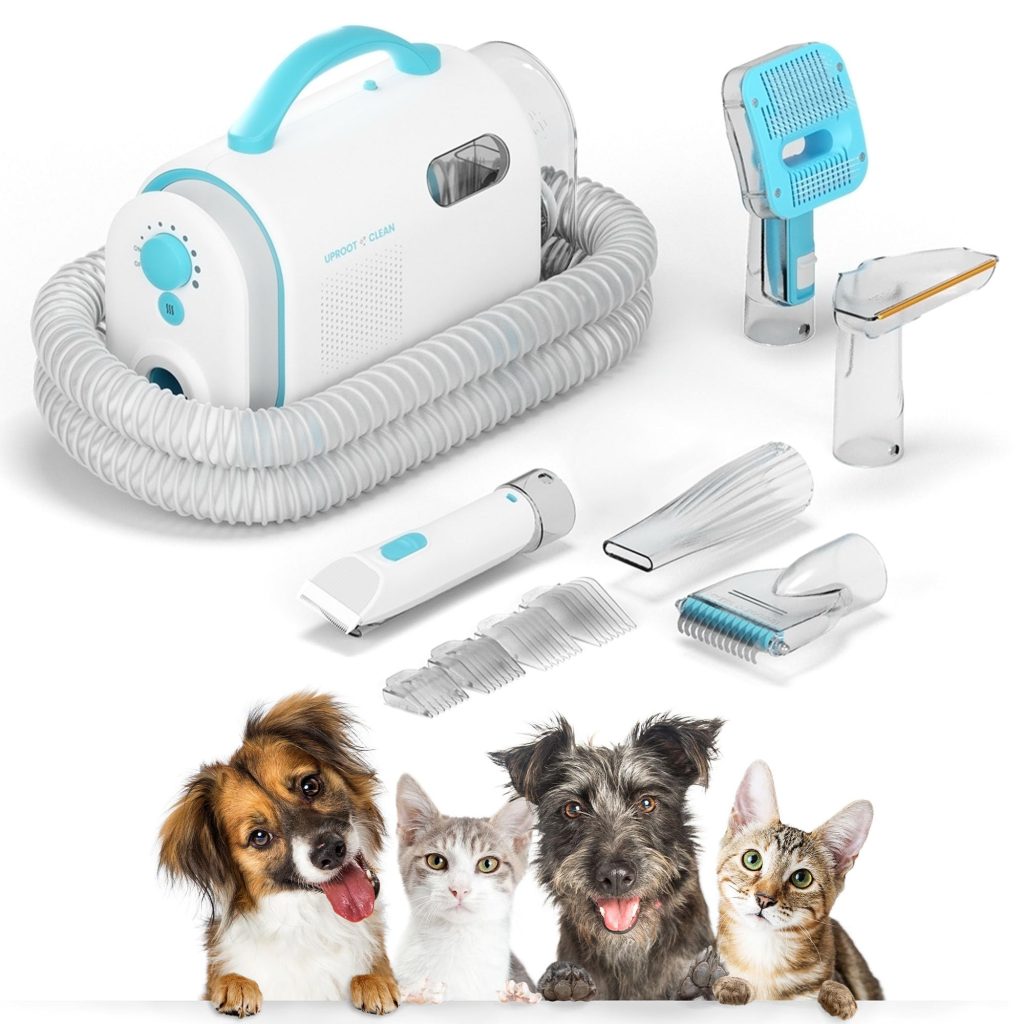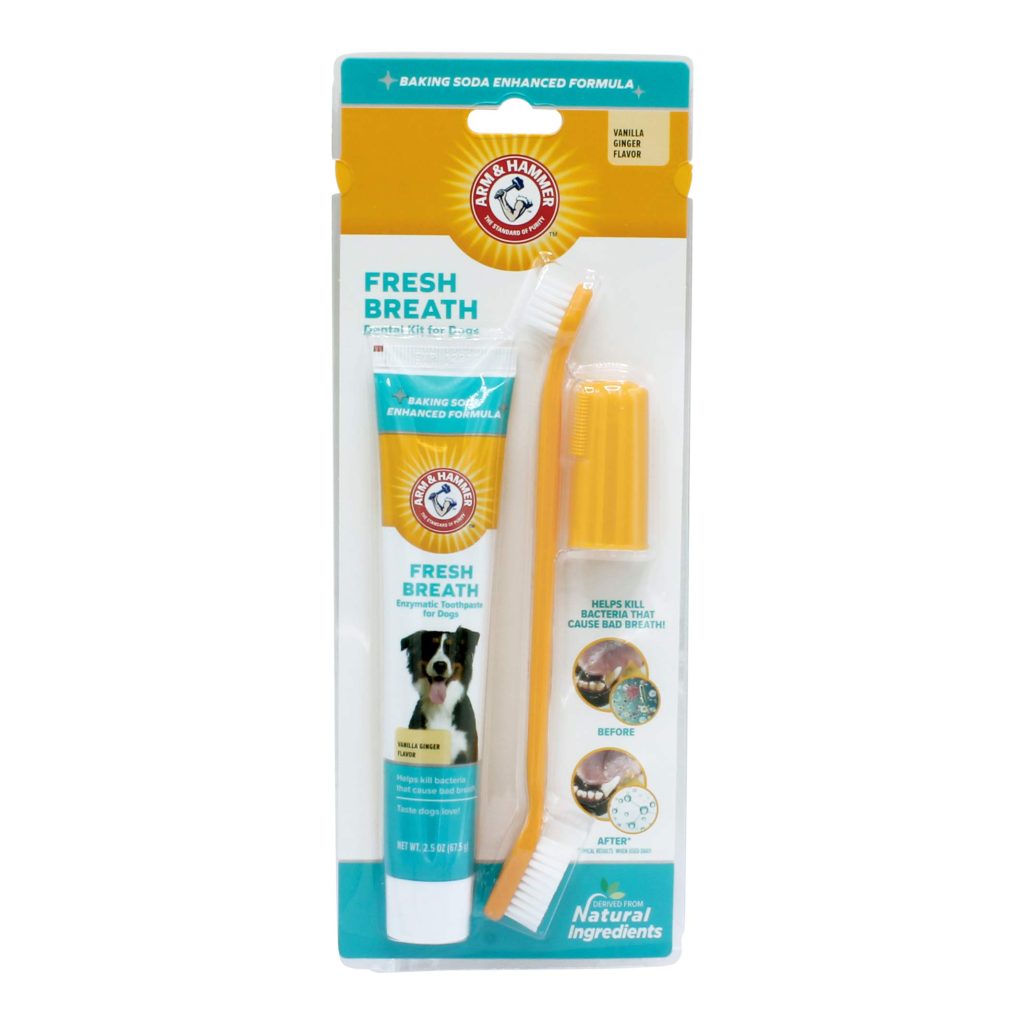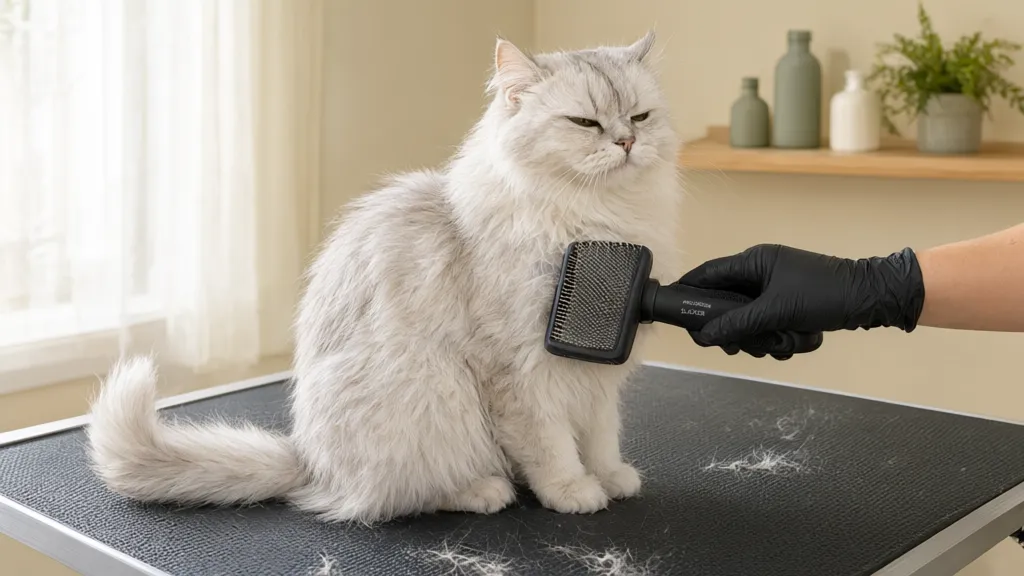
Regular grooming is essential for maintaining feline hygiene, but it can lead to injuries if not conducted with careful techniques. Selecting the appropriate tools is crucial; for instance, a slicker brush is effective for removing loose fur and preventing matting, while a rubber grooming mitt can help desensitize anxious cats prior to using more invasive tools. Ensure that sharp objects, like scissors or clippers, are designed specifically for feline use to minimize injury risks. Always inspect tools for damage, as dull blades can tug and pull rather than cut cleanly, increasing the chance of nicks and cuts.
Establishing a secure and calm environment is paramount. Use a non-slip surface such as a grooming table covered with a rubber mat to prevent slips. Engage the cat in their familiar surroundings or a well-lit, quiet space to reduce stress. Choose a time when your cat is naturally relaxed, such as after a meal or during their usual nap time. Familiarizing your cat with the grooming tools beforehand can decrease anxiety. Gradually introduce them by allowing the cat to sniff the tools, then progress to light stroking without any immediate grooming.
Handling techniques are significant in ensuring safety during grooming. Use a two-person approach if possible, where one person can hold the cat gently but firmly while the other performs the grooming. For cats that resist restraint, a towel or grooming bag can be employed to wrap them securely, preventing sudden movements that might lead to injury. Pay attention to the cat’s body language; signs of discomfort or stress, such as flattened ears, swatting, or tail flicking, suggest it’s time to pause or stop. Short grooming sessions that last only five to ten minutes can prevent overwhelming the cat.
Groom in the direction of hair growth to avoid pulling and discomfort. Start with less sensitive areas, like the back, and gradually move to the head and paws. For longer-haired breeds, segment the coat into manageable sections to tackle knots systematically. Use detangling spray when necessary to aid in the dematting process, as dry grooming can tug painfully and cause skin irritation.

Sheba Perfect Portions Pate Wet Cat Food, Seafood Variety, 2.6 oz, 24 ct | Salmon, Seafood & Whitefish and Tuna, grain-free, protein-rich, no fillers/artificial flavors, 48 servings, twin-pack trays
EUR 24.17 (as of September 27, 2026 17:56 GMT +00:00 - More infoProduct prices and availability are accurate as of the date/time indicated and are subject to change. Any price and availability information displayed on [relevant Amazon Site(s), as applicable] at the time of purchase will apply to the purchase of this product.)When using clippers, select an appropriate guard size for the cat’s coat length to prevent nicks. Gradually acclimate the cat to the sound of clippers by running them while the cat is nearby but not directly in contact. Additionally, maintain a steady hand and avoid grooming areas that are particularly sensitive, such as the belly and face, unless the cat is accustomed to such handling. Always ensure that the grooming session does not become an exercise in distress; end the session on a positive note, such as a treat or affection, reinforcing a positive association with grooming.
Understanding cat behavior
Understanding feline behavior is essential for successful grooming. Cats possess unique instincts and social behaviors that shape their reactions to handling and grooming tasks. For instance, cats are typically solitary groomers; they do so to maintain their own hygiene and manage scent markings. As a result, many may perceive being groomed by humans as an invasion of their personal space, which can lead to stress or defensiveness if not approached properly.
Feline body language serves as critical indicators for understanding their comfort levels. Observing signs such as dilated pupils, flattened ears, or an arched back can reveal discomfort or anxiety. Additionally, signs of aggression, including hissing or swatting, indicate the need for immediate cessation of grooming. Conversely, a cat that leans into grooming, purrs, or kneads is likely relaxed and more receptive to the process. Recognizing these signs facilitates a more effective and peaceful grooming experience.
Age and breed also influence how a cat behaves during grooming. For example, older cats may be less tolerant due to physical discomfort or arthritis, making it vital to adopt gentler handling techniques and shorter grooming durations. Breeds known for their longer fur, like Persians or Maine Coons, exhibit different grooming requirements and stress responses compared to shorter-haired breeds, such as Siamese. These specific traits demand adjustments in grooming techniques tailored to each breed’s needs.
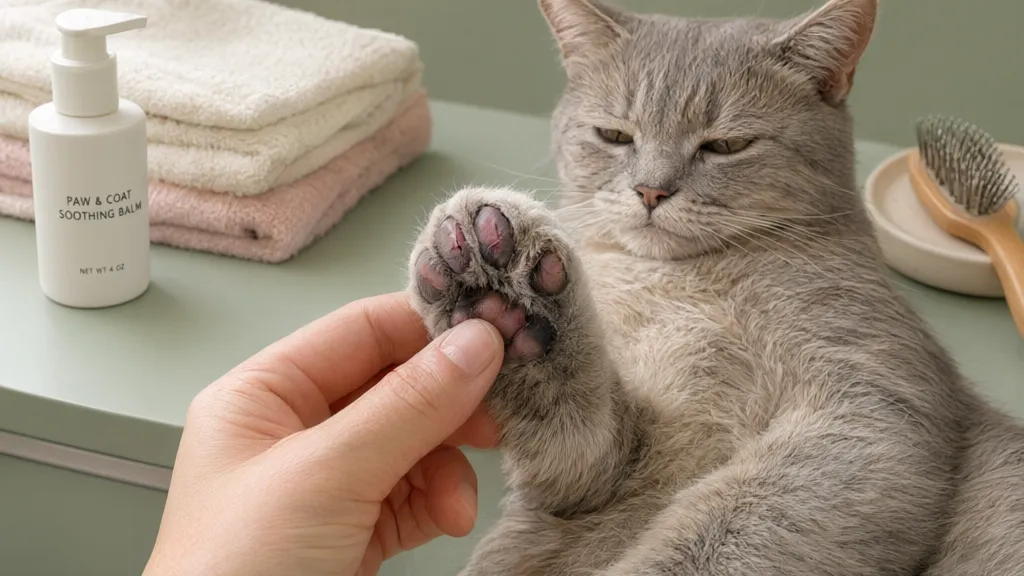
Feline anxiety often intensifies the experience of grooming. Environmental factors such as excessive noise or unfamiliar surroundings can exacerbate stress. Introducing calming elements, like pheromone diffusers or calming music, can create a more conducive atmosphere. When engagement during grooming sessions begins, opt for techniques such as gradual exposure to tools and short sessions that build positive associations over time.
Differentiation between grooming styles is also necessary. Cats that have prior negative experiences with grooming may require an empathetic approach, involving desensitization methods like touching and brushing different parts of the body incrementally. Redirection may be effective, allowing the cat to explore the grooming tools at their own pace while associating them with positive stimuli, such as treats or favorite toys.
Ultimately, understanding these behavioral nuances will guide groomers in creating a respectful and safe environment for the cat, leading to productive grooming sessions that minimize stress and injuries. Each interaction should aim to honor the cat’s preferences and comfort levels while ensuring hygiene and coat maintenance.
First aid for grooming-related injuries
In the event of a grooming-related injury, immediate and appropriate first aid very important in minimizing further harm and alleviating pain. Determine the type of injury and assess its severity; superficial cuts or abrasions may require different attention than deep lacerations or areas of excessive bleeding. For minor cuts or scrapes, clean the affected area gently with lukewarm water. Avoid using hydrogen peroxide or alcohol as these can irritate the tissue. Instead, an antiseptic solution formulated specifically for pets can be used to disinfect the wound.
Apply gentle pressure to control bleeding, which is essential in cases of minor cuts. This can often be achieved with a clean cloth or sterile gauze. If bleeding persists beyond a few minutes, elevate the wound if possible and seek veterinary attention promptly. Remember that deeper wounds may require professional care, including sutures or advanced treatments to prevent infection.
For grooming-related injuries involving the claws, such as a torn claw or nail bed injury, the affected paw should be immobilized to prevent further damage. Wrap the paw in a bandage only if it’s clean and the bleeding is controlled. Watch for swelling or excessive licking of the area, which can indicate pain or infection. It’s advisable to provide anti-inflammatory medication as recommended by a veterinarian to manage pain effectively.
In cases of stress-induced behaviors resulting in self-inflicted injuries, such as excessive grooming causing hair loss or skin damage, a different approach is needed. Identifying the underlying behavioral cause—whether anxiety or previous negative associations—is crucial. Topical wound care medications may help alleviate irritation while also applying behavioral modification techniques to reduce anxiety during future grooming sessions is essential.
Monitor for signs of infection, which may present as redness, swelling, discharge, or an odor emanating from the injury site. Should any of these symptoms arise, veterinary assessment is necessary to address potential complications such as abscess formation or systemic infection. Additionally, observe the cat for changes in behavior; excessive hiding, vocalization, or reluctance to eat may indicate pain or other underlying issues requiring attention.
Preventive measures are critical in averting grooming injuries. Regularly inspect grooming tools for sharpness and cleanliness, and use protective equipment where appropriate. Establishing a positive association with grooming through rewards and gradual acclimation can also reduce injury risks caused by startled or resistant cats. Basic first aid knowledge not only empowers cat owners but significantly enhances overall feline welfare during grooming, ensuring minor injuries do not escalate into serious health concerns.