Aggression in cats stems from a complex interplay of genetic predisposition, environmental stressors, social dynamics, and learned behavior. Feline aggression can be categorized into various types: fear-based, territorial, play-related, and redirected, each influenced by specific triggers and underlying causes. Understanding these distinctions is critical for effective management.
Fear-based aggression often occurs when a cat feels threatened. This can be exacerbated by negative past experiences or lack of socialization during critical developmental periods, typically between 2 to 9 weeks of age. Signs include hissing, growling, and a defensive posture. Positioning the body low to the ground, ears flattened, and dilated pupils indicate a high level of anxiety, signaling that the cat may lash out when cornered.
Territorial aggression arises when a cat perceives an intrusion into its space. This is particularly prevalent in multi-cat households where competition for resources such as food, litter boxes, and resting areas is evident. Behavioral signals include aggressive posturing, vocalizations, and marking with urine. Understanding territory size is crucial; some breeds, like Siamese, may exhibit more pronounced territorial instincts due to their competitive nature.
Play-related aggression, common in young cats and kittens, involves rough play that escalates into aggression. This behavior usually manifests in play fighting, where the cat becomes overly excited and may inadvertently use claws and teeth, resulting in injury. Kittens require proper outlets for their energy, emphasizing the importance of interactive toys that direct this natural behavior into acceptable channels.

Meow Mix Original Choice Dry Cat Food, 6.3 Pound Bag
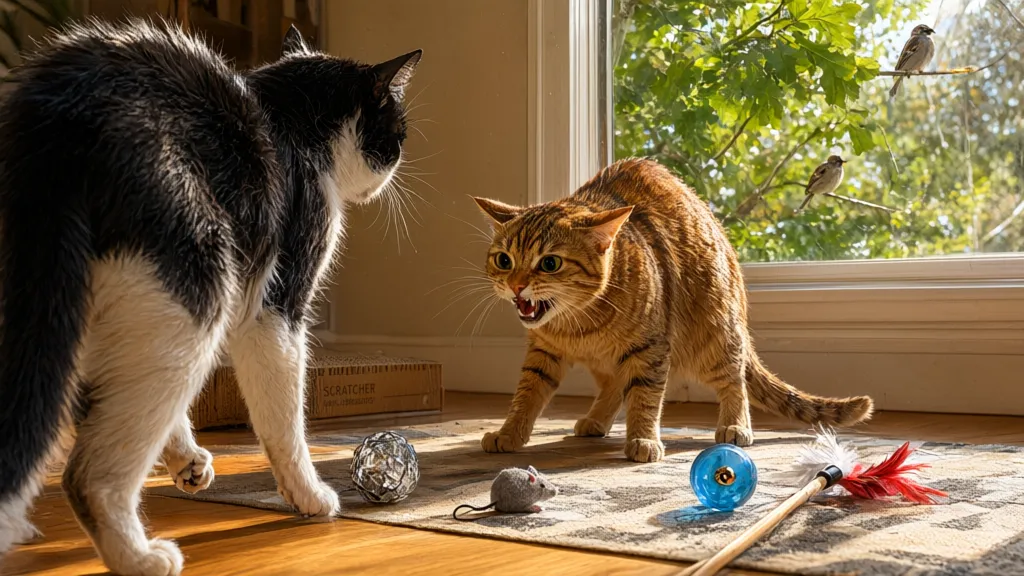
EUR 7.91 (as of September 28, 2026 18:34 GMT +00:00 - More infoProduct prices and availability are accurate as of the date/time indicated and are subject to change. Any price and availability information displayed on [relevant Amazon Site(s), as applicable] at the time of purchase will apply to the purchase of this product.)Redirected aggression occurs when a cat is agitated by a stimulus outside its control, such as seeing another animal through a window. The cat may then lash out at a nearby human or another cat instead of the original trigger. Recognizing this phenomenon requires careful observation of the cat’s body language to avoid conflict escalation. Environmental enrichment and the removal of stressors can significantly reduce the likelihood of such incidents.
Certain breeds exhibit heightened aggression due to inherited traits. For instance, Abyssinians and Bengals may have higher energy levels, necessitating more physical and mental stimulation. Age is another factor; younger cats may be more inclined to engage in aggressive play, whereas older cats might exhibit aggression resulting from pain or cognitive decline. Regular veterinary check-ups can help identify underlying health issues contributing to behavioral changes. Fostering a calm environment and providing adequate outlets for natural behaviors through scratching posts, climbing structures, and interactive play are vital steps in mitigating aggression.
Understanding the nuances of cat aggression demands a careful assessment of the cat’s behavior, environment, and individual history. Implementing targeted strategies based on these assessments is essential for reducing and managing aggression effectively.
Identifying triggers for conflict
Identifying triggers for conflict in multi-cat households is critical for preemptive intervention. Noticing behavioral changes before an aggressive incident occurs can save both human and feline stress. Common triggers include the introduction of new pets, changes in the household, or abrupt alterations in routine. A new cat, even one this is intended to be a companion, can cause existing cats to display increased territorial behaviors.
Monitoring body language is essential in this identification process. Cats often communicate stress or discomfort through subtle changes, such as tail flicking, ear positioning, and avoidance behaviors. For instance, an elevated tail signalizes friendliness, while a low, puffed-up tail conveys agitation. Providing adequate personal space for each cat and observing interactions during feeding times, playtime, and general movement can highlight potential conflicts.
Resource allocation frequently serves as a flashpoint for aggression. Cats may feel threatened when competing for limited resources like food, water, litter boxes, and resting areas. To alleviate this tension, ensure multiple resources are available and evenly distributed; for example, placing food bowls, water dishes, and litter boxes in various locations can help minimize competition. Furthermore, assess the size and layout of your home; in larger spaces, installing vertical hiding places or climbing structures enables cats to establish their own territories.
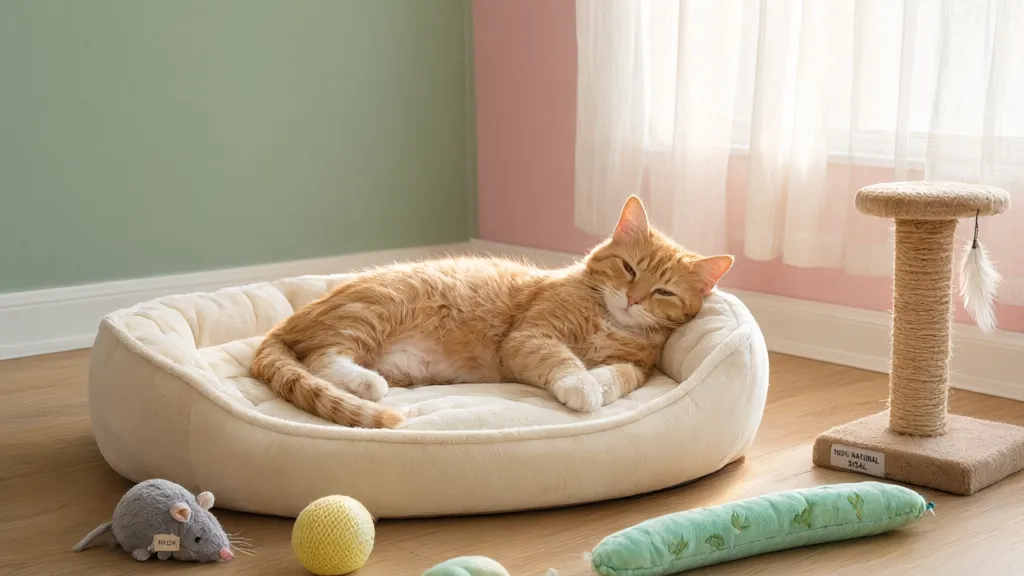
Unpredictable environmental factors can also trigger aggression. For instance, external stimuli such as loud noises, the presence of unfamiliar animals outside, or sudden changes in lighting can elevate stress levels. Creating a tranquil environment by using soft background noise, providing hiding spots, and using pheromone diffusers can assist in calming the atmosphere and reducing territorial disputes.
Stressors related to health should not be overlooked. Physical discomfort or pain, such as dental disease or arthritis, might lead to heightened aggression, particularly in senior cats. Regular veterinary assessments are crucial, as early diagnosis can prevent behavioral changes secondary to health issues. Behavioral observation should extend to ensuring all cats are in good health, as illness can escalate frustrations and lead to aggression.
Cats may also express jealousy or frustration when their needs for social interaction or play are unmet. Attention-seeking aggression can manifest when one cat feels neglected, particularly if it perceives another cat receiving attention. Engaging in regular interactive play sessions with each cat, incorporating environmental enrichment, and granting one-on-one time can mitigate feelings of jealousy and prevent confrontations.
Identifying triggers requires vigilance and a deep understanding of each cat’s unique personality and preferences. By being aware of situational dynamics and providing appropriate outlets for behavior, conflicts can be significantly reduced, fostering a more harmonious home environment.
Effective conflict resolution strategies
Effective conflict resolution strategies for feline aggression hinge on a comprehensive understanding of the underlying triggers and behaviors. The immediate goal is to de-escalate tension without resorting to punishment, which can further exacerbate anxiety and aggression. A neutral approach centered on observation and modification of the environment is critical.
Firstly, separation is often necessary during acute aggressive encounters. Temporarily isolating the aggressor in a different room can prevent injury and allow all cats involved to calm down. Establishing distinct territories or safe spaces for each cat is essential, incorporating elements that are uniquely theirs, such as bedding and toys, which mitigate resource competition. Following a cooling-off period, gradual reintroduction through scent swapping can facilitate a smoother transition.
Positive reinforcement plays an important role in reshaping behavior. Rewarding non-aggressive behavior through treats or praise during neutral interactions reinforces calmness and creates positive associations. Using clicker training can be especially effective; timing rewards perfectly with desirable behavior increases learning efficacy. Additionally, providing environmental enrichment, such as puzzle feeders or interactive toys, directs energy towards positive outlets and reduces the likelihood of aggressive outbursts.
Understanding body language is imperative for effective conflict resolution. Observing when a cat’s body language indicates tension allows for preemptive action. For instance, if one cat displays flattened ears or a puffed-up tail, intervening with distraction techniques can avert a confrontation. Using toys to redirect focus, or employing calming collars infused with pheromones, can help lower stress levels and reduce the drive toward aggression.
Moreover, ensuring multi-cat households have an adequate number of resources is paramount. Experts recommend adhering to the “one plus one” rule; for every cat, there should be one food bowl, one litter box, and one resting place to decrease competition. This strategy is particularly beneficial in fostering peace during feeding and resting times, where conflict is most likely to occur.
Behavioral modifications may also involve medication for severe cases. Consult a veterinarian regarding anti-anxiety medications or pheromone diffusers that can create a more serene environment. Particularly with older or medically compromised cats, addressing any underlying health issues must be prioritized, as pain or discomfort can significantly impair behavior and elevate aggression.
Consistency is critical in implementing these strategies. Establishing a routine helps cats feel secure and minimizes stressors related to unpredictable changes in their environment. Regular, structured interactions combined with the provision of rich, engaging environments can foster better relationships between cats, leading to lasting peace.