The feline digestive system exhibits unique anatomical and physiological characteristics that cater to its obligate carnivore status. The gastrointestinal tract in cats is shorter relative to that of omnivorous or herbivorous mammals, which reflects their diet primarily composed of animal protein. The stomach is a muscular organ designed to efficiently break down protein-rich meals through high acidity, creating an optimal environment for proteolytic enzymes to function. The rapid transit time through the gastrointestinal tract reduces the opportunity for the fermentation of plant fibers, necessitating a careful approach to dietary fiber inclusion.
In the proximal intestines, particularly the duodenum and jejunum, the pancreas and liver secrete digestive enzymes and bile, facilitating the breakdown of fats, carbohydrates, and proteins. However, cats possess limited amylase in their saliva and pancreas, indicating a reduced capacity for carbohydrate digestion. This dependence on protein and fat significantly influences how fiber affects their digestive health. The absence of a cecum or a very small one in cats minimizes the fermentative processes that would typically allow for fiber catabolism, meaning any fiber added must serve specific functional roles rather than be used as a primary energy source.
The colon is relatively large and plays a critical role in water absorption and the formation of feces. This segment of the digestive tract can also adapt to certain types of fiber, which may help regulate bowel function. Soluble fibers, such as psyllium, can attract water, enhancing stool consistency and promoting more effective bowel movements, while insoluble fibers aid in increasing stool bulk and speeding transit time through the colon. The type and amount of fiber incorporated into a cat’s diet can directly influence stool quality, gastrointestinal motility, and the overall health of the digestive system.
Age and breed factors also contribute to fiber needs. Senior cats may experience decreased digestive efficiency and may benefit from increased soluble fiber to manage constipation, a common concern in older felines. In contrast, specific breeds, such as the Siamese, may display variations in digestive enzyme activity affecting their fiber tolerance and digestive capabilities. Observing a cat’s response to dietary fiber, including stool quality and frequency of defecation, can provide insights into its digestive health. Monitoring for signs of digestive distress, such as vomiting or diarrhea, necessitates an evaluation of fiber content in their diet.

Purina Tidy Cats 24/7 Performance Clumping Cat Litter, 16 lb Bag | Clean Linen scent with 24/7 slow-release deodorizer in a smaller, easy-pour size
EUR 10.91 (as of September 22, 2026 14:28 GMT +00:00 - More infoProduct prices and availability are accurate as of the date/time indicated and are subject to change. Any price and availability information displayed on [relevant Amazon Site(s), as applicable] at the time of purchase will apply to the purchase of this product.)Environmental factors, including access to hydration and activity levels, also impact digestion and fiber efficacy. Adequate water intake is critical, particularly when introducing higher fiber diets, as it aids in the use of fiber and prevents dehydrated stool. Therefore, understanding the physiological framework of a cat’s digestive system enables targeted dietary management to promote optimal health.
Types of fiber and their benefits
Fiber can be categorized into two primary types: soluble and insoluble, each offering distinct benefits in feline digestive health. Soluble fiber, found in sources such as oats and certain fruits, dissolves in water forming a gel-like substance. This property enhances its ability to retain moisture in the gastrointestinal tract, which can be particularly beneficial for cats suffering from diarrhea or soft stool. By attracting water, soluble fiber improves stool consistency, making it easier for the body to manage and expel waste. Additionally, it can slow gastric emptying, leading to enhanced nutrient absorption and prolonged satiety, which may assist weight management in obese or overweight cats.
Insoluble fiber, typically sourced from grains and vegetables, does not dissolve in water and contributes to increased stool bulk. This type of fiber plays an important role in promoting regularity by facilitating movement through the intestines, which can help prevent constipation—a common issue in sedentary or older cats. Insoluble fiber stimulates peristalsis, the wave-like muscle contractions that move food through the digestive tract. For cats with a history of hairballs or those that groom extensively, such as long-haired breeds like Persians, incorporating insoluble fiber can also help reduce the frequency of hairball formation by aiding in the elimination of indigestible material through the stool.
Fiber also plays a role in modulating the feline microbiome. Certain soluble fibers serve as prebiotics, nourishing beneficial gut bacteria, which can enhance overall gut health. A balanced microbiome contributes to optimal digestion and strengthens the immune system, thereby improving the overall health of the cat. Regular monitoring of a cat’s fecal output can help identify how well they’re responding to dietary fiber; ideal feces should be well-formed, not overly hard or soft, indicating a good balance of fiber.
When integrating fiber into a feline diet, it is essential to do so gradually to avoid gastrointestinal disturbances such as gas or bloating. The recommended daily fiber intake for an adult cat is typically between 1% to 5% of total diet, depending on individual needs, conditions, and the specific characteristics of the fiber being used. It is advisable to tailor fiber types and quantities to the individual cat, taking into consideration any underlying health issues, breed predispositions, and lifestyle factors. Monitoring behavior, stool quality, and any signs of gastrointestinal discomfort post-introduction can help refine dietary practices to support optimal digestive health.
Emerging research also indicates potential metabolic benefits of fiber, including regulation of blood glucose levels in cats predisposed to diabetes. This aspect underscores the importance of selecting the right type of fiber and customizing fiber intake to support not only digestive health but overall feline wellbeing.
Incorporating fiber into your cat’s diet
Incorporating fiber into a cat’s diet requires a systematic approach to ensure the health benefits are maximized without adverse effects. Initiate the process by selecting high-quality commercial diets formulated with appropriate fiber levels tailored for specific needs, such as veterinary therapeutic diets for gastrointestinal disorders or weight management. For cats with a tendency towards obesity, a higher proportion of soluble fibers can aid in feelings of fullness while promoting controlled calorie intake. Monitor weight and body condition score regularly to adjust dietary fiber as necessary, avoiding dramatic shifts that could disrupt the digestive system.
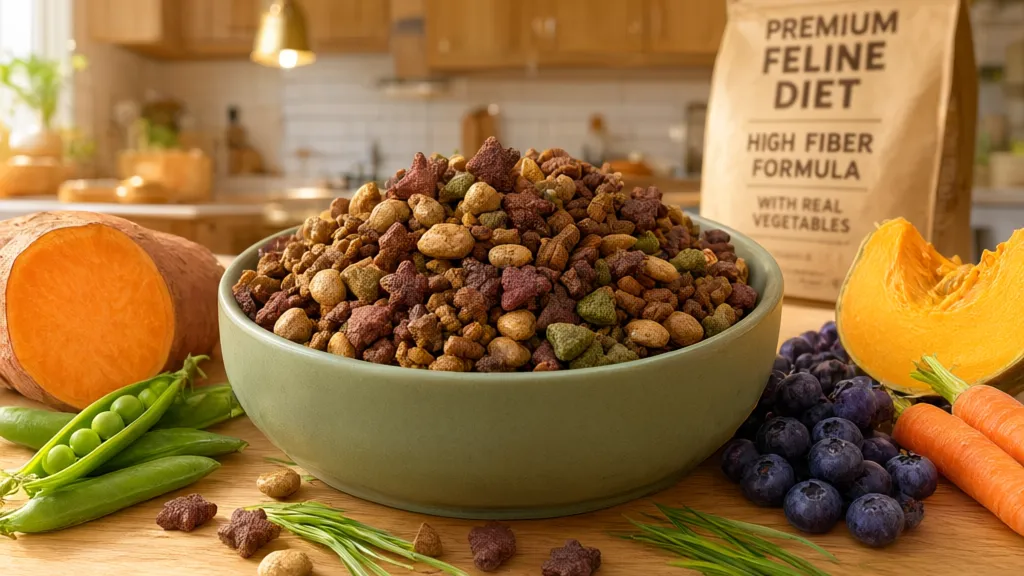
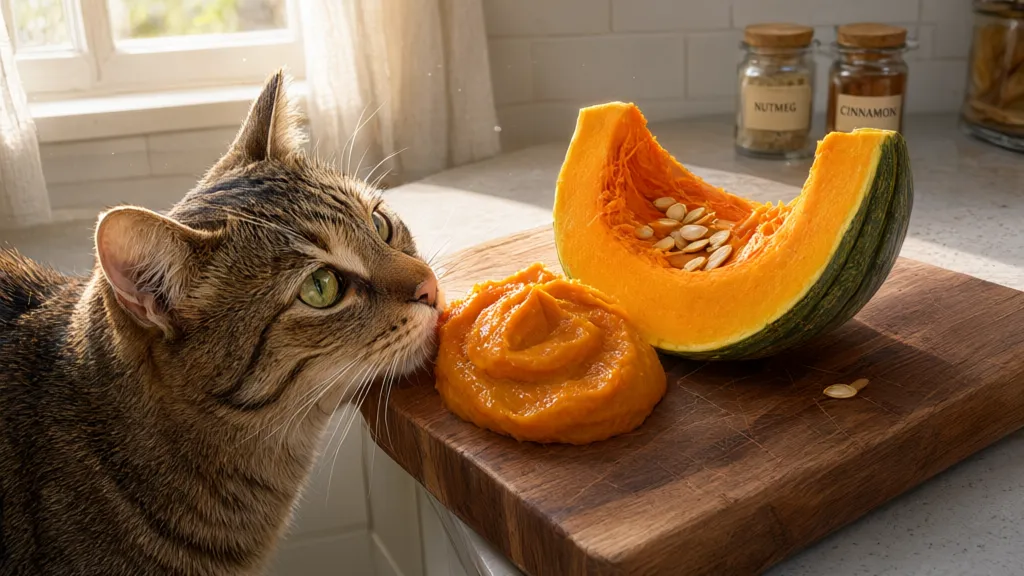
When introducing fiber from whole food sources, do so gradually to allow the cat’s digestive system to acclimate. Start with small amounts of pureed pumpkin, sweet potato, or fiber-rich commercial cat treats, evaluating the response over a period of several days to a week. Signs of gastrointestinal distress, such as excessive gas, diarrhea, or changes in appetite, should prompt a reassessment of fiber types and quantities being fed. Specific breeds, such as Maine Coons or Bengals, may require individualized approaches based on their unique genetic predispositions affecting digestion.
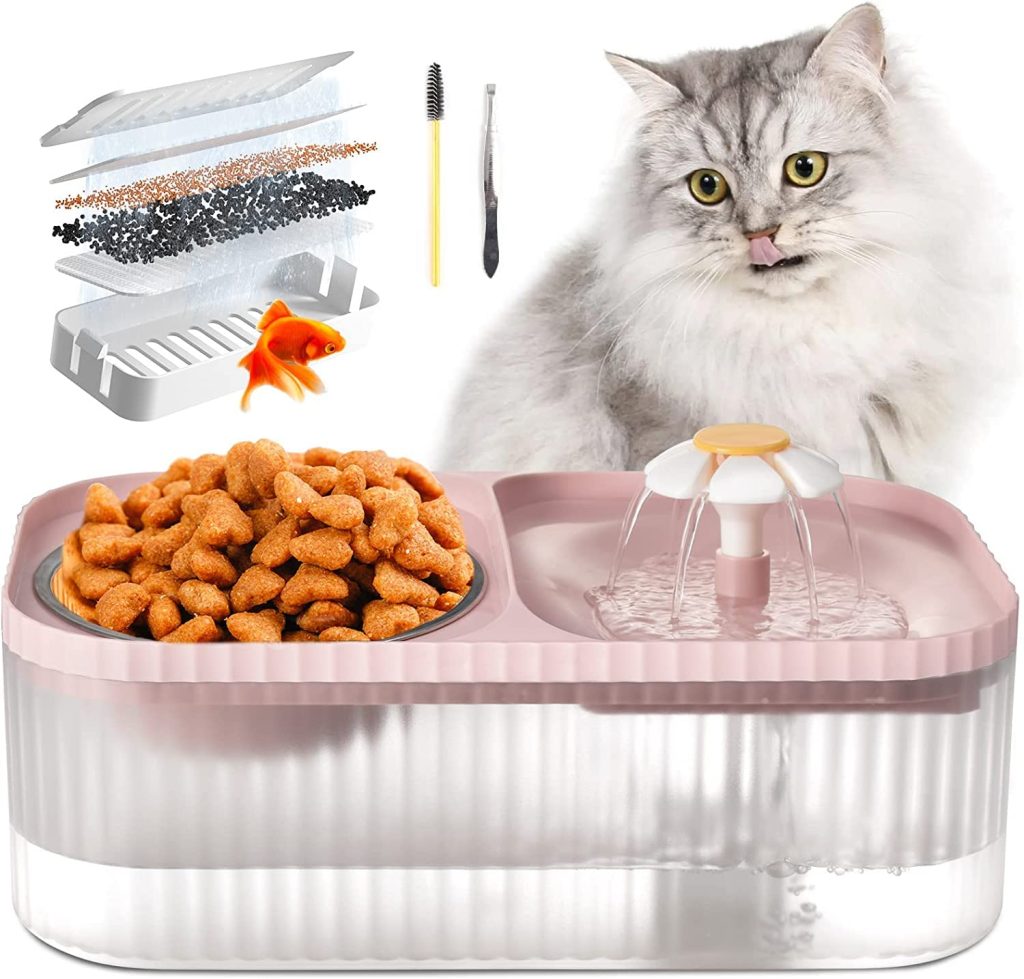
Hydration levels must also be considered when adjusting fiber intake. Increased dietary fiber necessitates an uptick in water consumption to prevent dehydration and support effective digestion. High-moisture foods, such as canned cat foods, can be an effective method to improve overall hydration and facilitate fiber function. Always ensure fresh water is readily available and encourage regular intake by using multiple water bowls or cat water fountains.
For cats with specific health conditions, such as inflammatory bowel disease (IBD) or chronic constipation, working with a veterinarian is important. They may recommend tailored fiber prescriptions that balance the unique needs of the cat, considering any beneficial effects of dietary alterations on underlying conditions. Additionally, while high fiber diets can significantly improve gastrointestinal health, excessive fiber may lead to nutrient malabsorption, thereby necessitating a well-balanced approach to ensure all dietary needs are achieved. Regular veterinary check-ups to evaluate weight, fiber tolerance, and overall health will aid in making informed dietary adjustments.
Behavioral observations can provide critical insights into a cat’s dietary fiber acceptance. Changes in litter box habits—such as straining to defecate, increased urination frequency, or changes in stool quality—are primary indicators that dietary modifications may be needed. Pay attention to any signs of discomfort or reluctance to eat, as these responses can signify an imbalance in the dietary fiber offered. Particularly for senior cats or those experiencing age-related gastrointestinal changes, initiating fiber adjustments sooner rather than later can help mitigate issues such as constipation or diarrhea.
Ultimately, the successful incorporation of fiber into a cat’s diet hinges on careful planning, monitoring, and adjustment, ensuring that fiber serves to enhance both digestive health and overall quality of life. Engaging with veterinary professionals for guidance tailored to the individual cat will foster optimal health outcomes derived from a balanced approach to dietary fiber.