Anxiety is often visible first as a change in behavior, not as dramatic panic. A cat may crouch with the body held low, flatten or rotate the ears, tuck the tail, dilate the pupils, freeze, or keep its weight shifted toward an escape route. Hiding, avoiding a particular room or person, scanning the environment, startle responses, and reluctance to eat or play can indicate distress when they occur predictably around a trigger.
Other signs include repeated pacing, restless repositioning, vocalizing, trembling, panting, excessive grooming, or seeking unusually close contact. Some cats respond defensively: hissing, swatting, biting, or chasing may be attempts to increase distance rather than evidence of a sudden change in temperament. In multi-cat homes, anxiety can appear as blocking access to food, litter boxes, or resting places; the affected cat may wait until the other cat is absent before using resources.
Watch for changes in elimination, appetite, sleep, and social behavior. Urinating or defecating outside the litter box, frequent trips to the box, reduced eating, or persistent overgrooming can accompany stress, but these signs also occur with medical disease. Straining to urinate, producing little or no urine, blood in the urine, repeated vomiting, or abrupt refusal of food requires prompt veterinary assessment; urinary obstruction is an emergency, particularly in male cats.
Interpret signs in context rather than relying on a single behavior. Note what happened immediately before the response, the distance from the trigger, how long recovery takes, and whether the cat can still eat, play, or explore. A cat that accepts food but remains tense may still be distressed; freezing is not evidence that it has become comfortable. Repeated exposure to a trigger can worsen fear if the cat cannot retreat.

Purina ONE Tender Selects Dry Cat Food, Salmon, 7 lb Bag | Real salmon is the #1 ingredient made with carrots, peas, vitamins A and E for bright eyes, strong muscles and digestion
(as of October 31, 2026 02:34 GMT +00:00 - More infoProduct prices and availability are accurate as of the date/time indicated and are subject to change. Any price and availability information displayed on [relevant Amazon Site(s), as applicable] at the time of purchase will apply to the purchase of this product.)Record the frequency and setting of changes, including visitors, noise, handling, inter-cat encounters, and shifts in routine. A sudden onset, progressive withdrawal, increased irritability, or behavior that persists without an obvious trigger warrants a veterinary examination, because pain and illness—including dental disease, arthritis, gastrointestinal problems, and urinary disorders—can resemble or intensify anxiety.
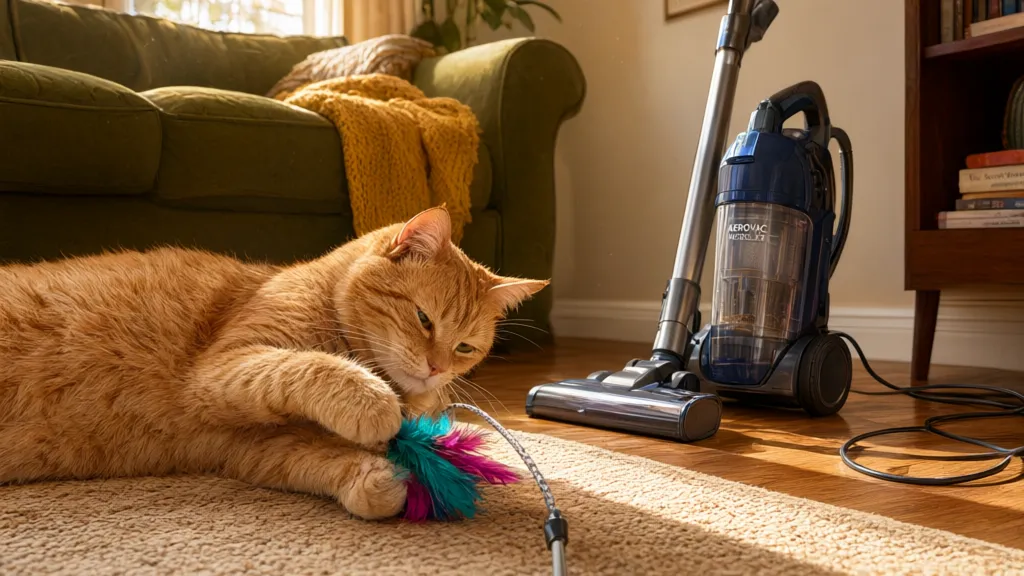
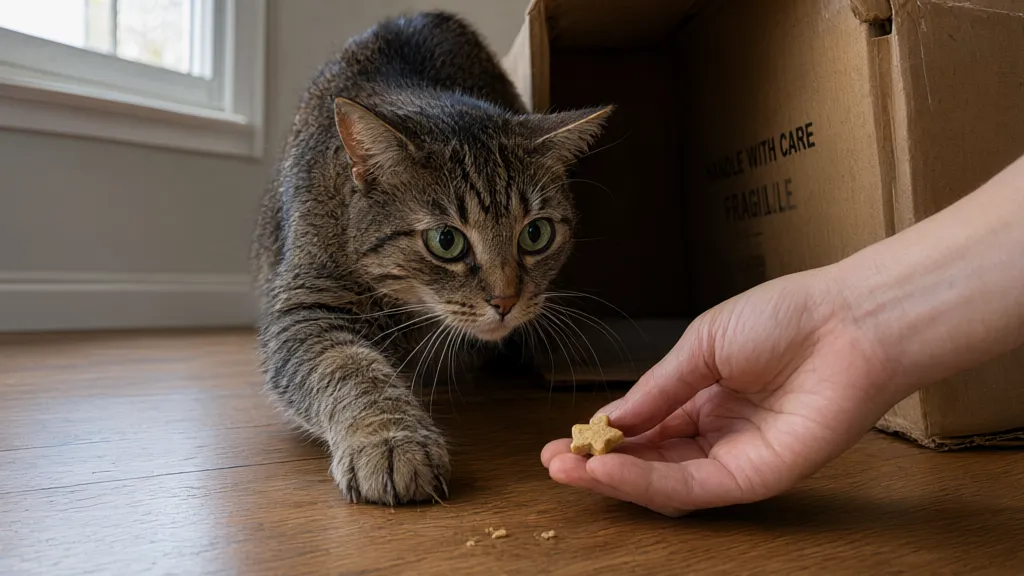
Desensitization reduces a cat’s response by introducing a trigger at an intensity low enough that the cat notices it without becoming distressed. Counterconditioning changes the trigger’s emotional meaning by pairing its presence with something the cat values, such as a favored food, play, or access to a preferred resting place. Both depend on keeping the cat below its fear threshold; exposure that produces freezing, escape attempts, growling, food refusal, or sustained vigilance is too intense to teach safety.
Begin by identifying the specific trigger and the conditions that alter its intensity: distance, volume, movement, duration, location, and predictability. For a cat anxious about a visitor, the first step might be hearing a quiet voice from another room, not meeting the visitor face to face. For carrier fear, begin with the carrier stationary and open in a familiar room, rather than placing the cat inside and immediately traveling.
Present the trigger briefly at a tolerable level, then offer the reward while it is present. If the cat can eat, sniff, play, or disengage and recover promptly, repeat the same level across short sessions. Increase only one variable at a time—for example, reduce distance while keeping the visitor still and quiet. If tension rises or the cat stops taking a normally valuable reward, increase distance or reduce intensity; do not wait for the cat to “get used to it.”
Use the cat’s behavior to set the pace. A relaxed posture, soft gaze, normal exploration, and voluntary return to the activity suggest the exposure is manageable. A tucked body, flattened ears, fixed staring, tail lashing, crouching, hiding, or delayed recovery indicate that the step should be made easier. Food acceptance alone is not proof of comfort, since some cats continue eating while remaining highly vigilant.
Keep sessions short and end while the cat is still coping well. Several brief, predictable practices are generally more useful than prolonged exposure. Allow the cat to leave, preserve access to hiding places and elevated resting sites, and avoid restraining or cornering it. In multi-cat households, train separately if another cat’s presence competes for food or adds social pressure.
Manage unavoidable triggers while training: provide a quiet retreat during construction noise, block visual access to an outdoor cat, or arrange visitors to avoid reaching toward or pursuing the anxious cat. Punishment and forced contact can intensify threat associations. If anxiety is severe, generalizes across settings, prevents eating or normal elimination, or does not improve with careful practice, consult a veterinarian; pain or illness may need treatment, and a veterinary behavior professional can tailor a plan or assess whether medication would make learning possible.