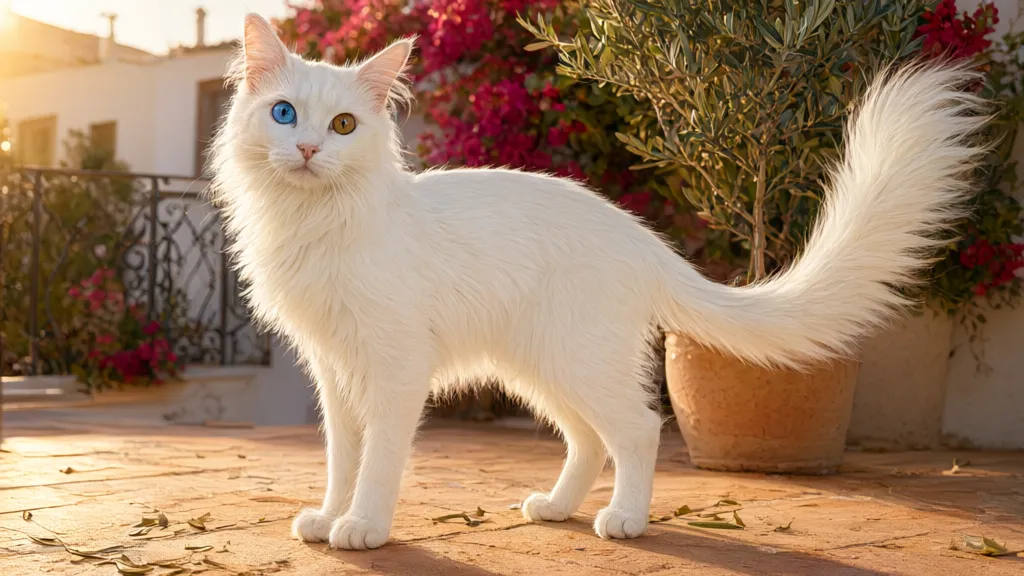
The Turkish Angora is associated with Ankara, historically called Angora, in central Turkey. Its longhaired coat likely developed among regional domestic cats through natural adaptation and inherited variation; claims that the breed descends from a single ancient cat population are not supported by firm genetic or documentary evidence. Longhaired cats from the region were known in Europe by the 16th and 17th centuries, when they became prized imports and contributed to the development of other longhaired cat populations, including the Persian.
By the 19th century, selective breeding of Persians in Europe and North America favored a heavier body and fuller coat. Cats resembling the original Angora type became less common, and the name “Angora” was sometimes applied loosely to longhaired cats rather than to a consistently defined breed. This history explains why older references may use “Angora” in ways that do not match today’s breed standards.
In the 20th century, Turkish authorities and breeders worked to preserve the native type. A breeding program at Ankara Zoo, established in the 1960s, maintained selected white cats, particularly those with blue or odd-colored eyes. The program helped renew international interest, but it did not establish that every modern Turkish Angora descends from zoo stock. Cats exported from Turkey and later breeding programs in other countries also contributed to the breed’s development.
North American registries began recognizing Turkish Angoras in the 1960s and 1970s; the Cat Fanciers’ Association accepted the breed for championship competition in 1973, initially limiting registration to white cats. Recognition later expanded to additional coat colors. Modern standards preserve a fine-boned, athletic type with a silky, single-layer coat, distinguishing it from the broader, heavier Persian form that became dominant in earlier longhair breeding.

Delectables Squeeze Up Lickable Cat Treat Tube Variety Pack, 20 CT | Real cage-free chicken, wild-caught tuna & shrimp, Up to 90% Moisture, 7.4 kcal kcal per Tube
(as of November 1, 2026 02:56 GMT +00:00 - More infoProduct prices and availability are accurate as of the date/time indicated and are subject to change. Any price and availability information displayed on [relevant Amazon Site(s), as applicable] at the time of purchase will apply to the purchase of this product.)White Turkish Angoras with blue eyes may carry a dominant white gene that can mask underlying coat color and is associated with congenital sensorineural deafness in some cats. Deafness is more likely when both eyes are blue, but eye color alone cannot determine hearing status; veterinary assessment is needed. This inherited risk is part of the breed’s documented history and remains relevant to responsible breeding and welfare.
The Turkish Angora is a medium-sized cat with a long, fine-boned outline that can look delicate but is supported by firm muscle. Its body is slim and balanced rather than cobby; the hind legs are typically slightly longer than the forelegs, giving the back a gentle rise toward the hips. Small, oval paws and a long, tapering tail reinforce the breed’s lithe proportions. A mature cat may take several years to develop its full size and coat.
The head forms a smooth, moderate wedge, with a gently rounded muzzle and no sharply defined stop. Large, upright ears are broad at the base and taper to pointed tips; furnishings may be present inside the ears. The eyes are large and almond-shaped, set slightly obliquely. They may be blue, green, amber, or different colors in the same cat, and eye color can change as a kitten matures.
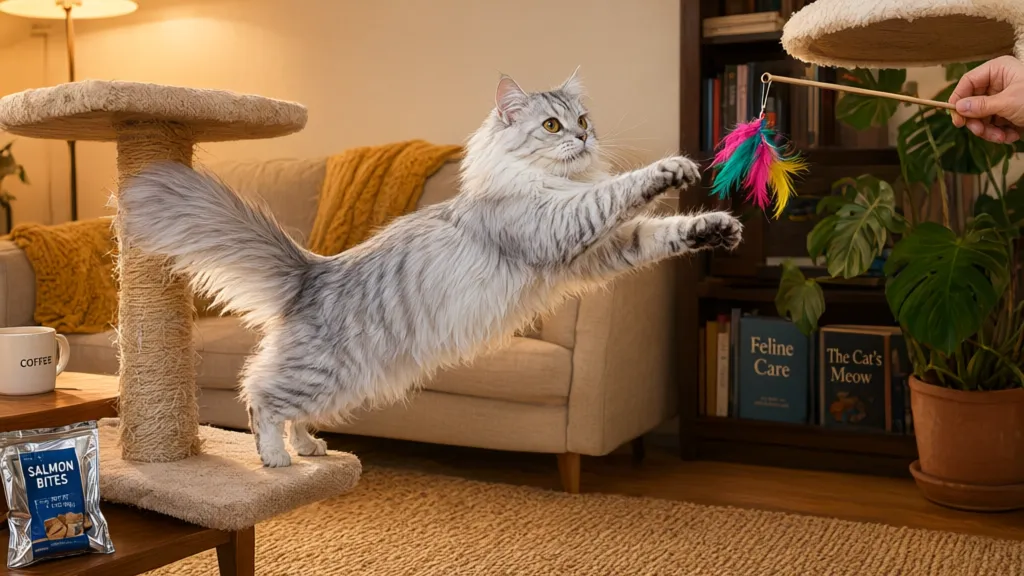
The semi-long coat is fine, silky, and generally lacks a dense woolly undercoat. This construction lets the hair lie close to the body instead of forming the heavy volume associated with some longhaired breeds. The coat is usually longer on the ruff, hind legs, and tail, where it can form a plume. Seasonal shedding changes its fullness, so a cat may look substantially less coated in warm weather. White is strongly associated with this breed, but Turkish Angoras also occur in multiple solid, tabby, and other recognized patterns; coat color alone does not establish breed identity.
Because the coat has little undercoat, loose hair is less likely to mat than in a dense double coat, though friction areas such as behind the ears and beneath the legs can still tangle. Regularly parting the coat to inspect the skin helps distinguish normal seasonal shedding from patchy loss, irritation, or parasites. In white cats, pink, sparsely pigmented skin—especially on the ears—can be vulnerable to sun damage; persistent redness, crusting, or sores warrant prompt veterinary assessment.
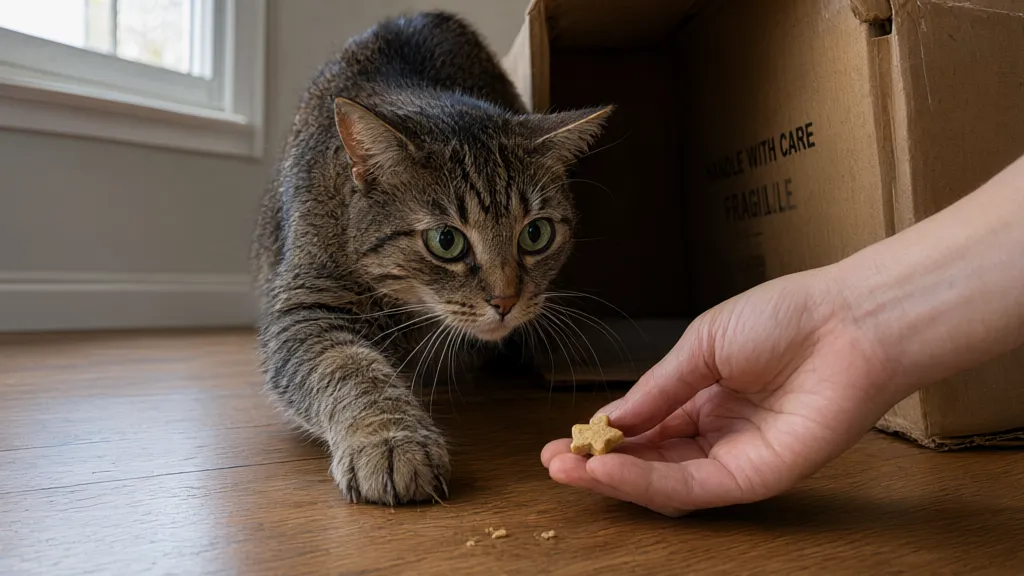
Turkish Angoras tend to be active, curious and closely engaged with household routines. Many seek interaction and learn quickly, but sociability and tolerance for handling vary by individual; a cat that follows people from room to room may still dislike being picked up. Let the cat approach, reward voluntary contact, and use short, positive-reinforcement sessions to teach handling, carrier entry and simple cues. Forcing restraint can make future grooming or veterinary care more difficult.
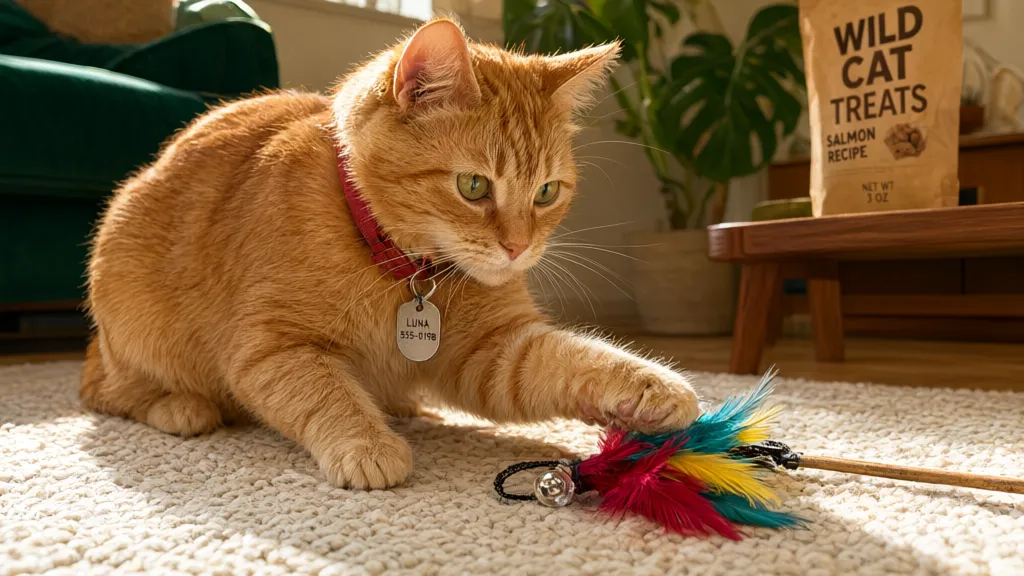
Provide daily opportunities to climb, chase and investigate. A tall, stable cat tree, elevated resting places, food puzzles and several brief wand-toy sessions help direct athletic energy into safe activity. Rotate toys to preserve novelty, and end chase play with a catch and a small portion of food. Secure windows, balconies and fragile shelves: an agile cat may reach high surfaces and can be injured by falls or overturned objects.
These cats often prefer company, but another animal is not an automatic solution to boredom. Introduce pets gradually, with separate feeding stations, litter boxes, resting sites and escape routes so that neither animal must compete for access. If the cat is alone for long periods, predictable interactive play and food-based enrichment can reduce frustration; persistent attention-seeking, destructive behavior or changes in vocalization may signal unmet needs, stress or illness rather than “bad behavior.”
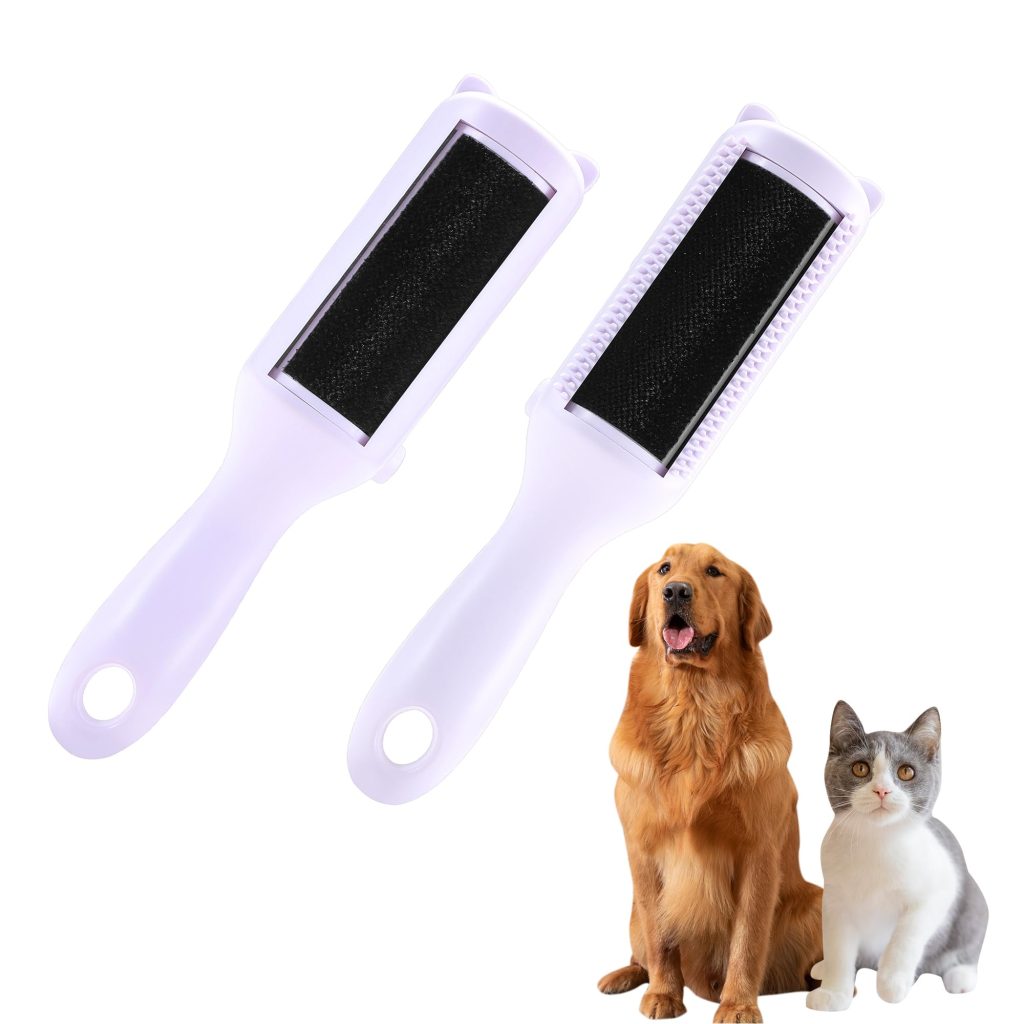
Comb the silky coat about once or twice a week, increasing checks during seasonal shedding. Pay particular attention behind the ears, beneath the forelegs and around the hindquarters, where friction can form tangles. Introduce the comb gradually and reward calm participation. Trim nails as needed and inspect the ears and teeth routinely; sudden resistance to touch, a painful mouth, ear discharge or a new skin lesion merits veterinary evaluation.
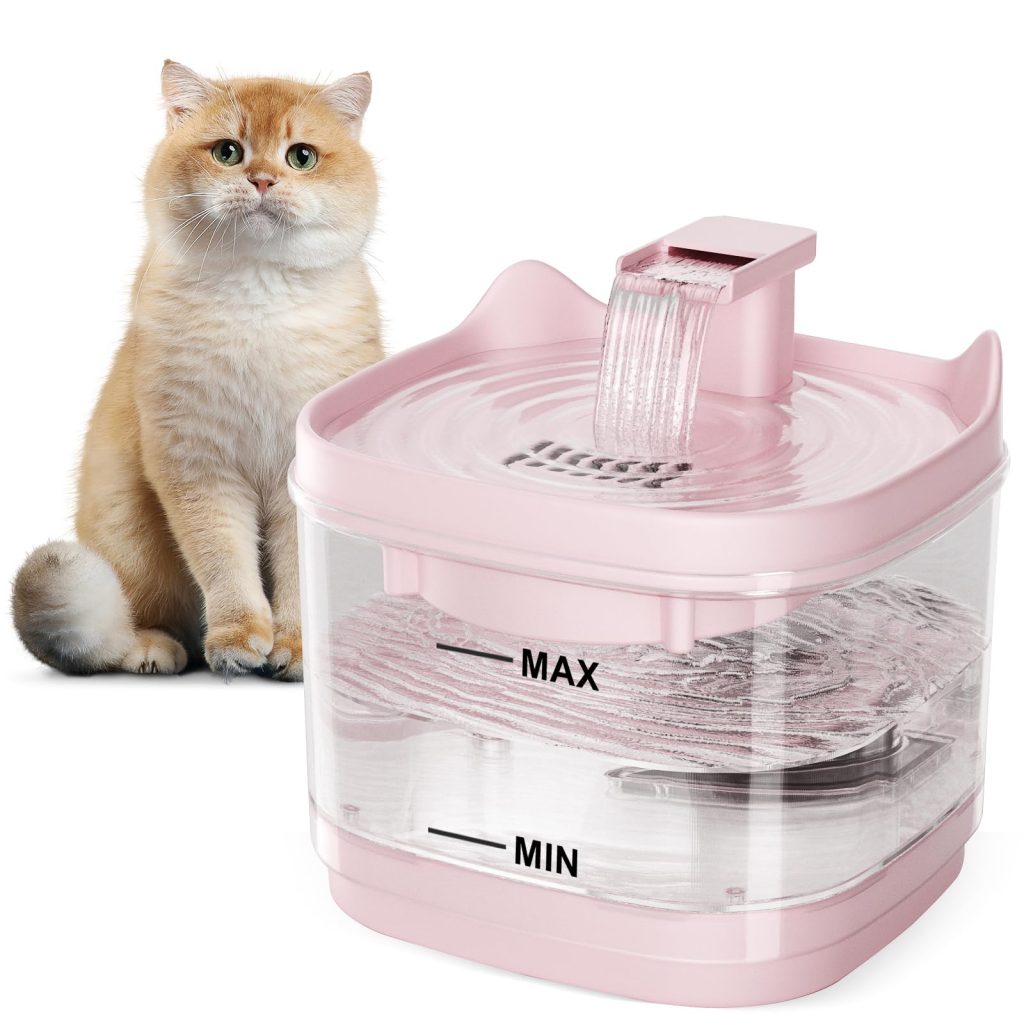
Feed a complete, life-stage-appropriate diet and measure portions rather than relying on a full bowl, adjusting intake to maintain a palpable waist and ribs that can be felt beneath a light covering of fat. Monitor weight because reduced activity, aging or indoor living can lower energy needs. Keep fresh water available, and seek veterinary advice for persistent weight change, vomiting, diarrhea or altered thirst.
Deafness is a welfare consideration in some white, blue-eyed Turkish Angoras, as described in the breed’s history; arrange hearing assessment when response to sound is uncertain. A deaf cat should live indoors or in a secure enclosure and should be approached where it can see the person, using gentle floor vibrations or visual cues rather than startling touch. Responsible breeders should also discuss health screening and family history; severe unsteadiness or poor coordination in a kitten requires prompt veterinary assessment.