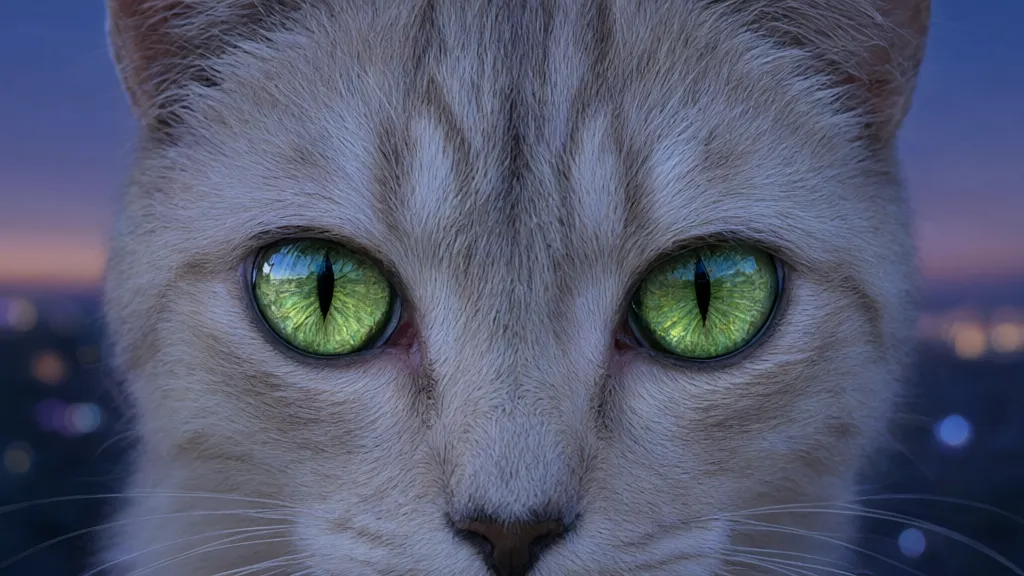
The anatomy of cat eyes is engineered for optimal vision in low-light environments, reflecting their crepuscular hunting habits. The cornea, which is more prominent in cats than in humans, allows for a greater field of view due to its curvature, measuring about 30% more in comparison. This adaptation means cats can detect movement this is imperceptible to humans. The pupil structure is pivotal; it can dilate significantly to channel more light, with a unique vertical slit shape that enhances depth perception and focus during nocturnal activities.
Behind the retina, the tapetum lucidum—a layer of reflective cells—amplifies light sensitivity, essentially maximizing their visual outcome during twilight hours. The presence of rod cells outnumbering cone cells in their retinas underscores this specialization. Rod cells respond to low light levels, while cone cells are aimed at discerning colors; cats, having fewer cone cells, have limited color perception, primarily distinguishing blues and greens.
Additionally, each cat’s eye has a specialized mechanism for tear production and drainage, crucial for maintaining moisture and clarity. The lacrimal glands secrete tears that not only serve as a protective barrier against pathogens but also maintain clarity for better vision. Any interruption in this process, often due to environmental factors or underlying health issues, can lead to dry eye syndrome, which can be debilitating if unaddressed.
Understanding the unique anatomy of cat eyes also includes recognizing the role of genetics in certain breeds. For instance, the Persian cat exhibits a shallow eye socket structure, which can predispose them to conditions such as corneal abrasion or progressive retinal atrophy. Conversely, breeds like the Siamese possess a more elongated eye structure, potentially leading to different visual abnormalities.

Boxie Probiotic Cat Litter, 40 Day Control, Clumping Clay Kitty Litter, Odor Eliminating Probiotics, Dust-Free, No Fragrances No Fillers, 16 lb
EUR 20.88 (as of September 20, 2026 13:45 GMT +00:00 - More infoProduct prices and availability are accurate as of the date/time indicated and are subject to change. Any price and availability information displayed on [relevant Amazon Site(s), as applicable] at the time of purchase will apply to the purchase of this product.)Age is another critical factor; as cats age, lens sclerosis may occur, causing a cloudy appearance and hindering clear vision. This can affect their ability to navigate their environment as they once could. Regular veterinary examinations are crucial for early detection of such changes, allowing for management strategies tailored to the individual’s needs.
Environmental conditions, such as prolonged exposure to bright sunlight or dust, can increase the risk of ocular issues. Ensuring shaded spaces and a dust-free environment promotes optimal eye health. Moreover, adjusting hydration levels through proper nutrition can significantly influence tear production and overall ocular well-being. A diet rich in omega-3 fatty acids supports tear film stability, thereby reducing the risk of surface irritation and maintaining eye health.
An understanding of cat eye anatomy not only highlights the intricacies of their vision but also informs best practices for care and management to prevent ocular health issues. Continuous observation and timely interventions can significantly enhance the quality of life for feline companions.
Interpreting Eye Colors and Shapes
The color and shape of a cat’s eyes offer significant insights into their emotional state, health, and individual behavior. Eye color can vary widely among breeds and individual cats, typically ranging from amber to blue, and even green. The variation in eye color is primarily determined by the amount of melanin present, with brown and amber indicating higher levels, while blue eyes result from a lack of pigment. Certain breeds, such as the Siamese, exhibit striking blue eyes due to genetic factors linked to their coat color. Awareness of these color associations allows owners to appreciate the unique characteristics of their cats.
The shape of a cat’s eyes also conveys important information. A wide, round pupil often signifies openness and engagement, indicating curiosity or interest in their surroundings. Conversely, constricted pupils can denote fear, anxiety, or aggression; it’s essential to assess this alongside the cat’s overall body language for an accurate interpretation. For instance, a cat with dilated pupils in a calm environment may be experiencing an adrenaline spike due to excitement or stress, while a relaxed cat will typically have naturally narrow pupils.
Furthermore, the presence of distinct eye shapes, such as those seen in exotic breeds like the British Shorthair, can affect vision and behavior. Cats with more pronounced, rounded eyes may exhibit a more docile demeanor, while those with elongated slits may be more alert and agile, characteristic of their ancestry as hunters. These visual distinctions can guide owners in determining the behavioral tendencies of various breeds and adapt care accordingly.
Beyond aesthetic traits, any sudden changes in eye color—such as the development of redness, cloudiness, or excessive tearing—should raise immediate concern. These changes may indicate underlying health issues, ranging from conjunctivitis to systemic conditions like hypertension, which can cause retinal damage. Regular veterinary assessments are crucial for early detection and management of these ocular health concerns.
Behavioral observations also play a critical role in interpreting eye signals. For instance, if a cat frequently engages in prolonged eye contact, it may be exhibiting trust or affection; however, averted gaze combined with rapid blinking may indicate submission or fear. Recognizing these signals enhances communication between cats and their owners and ensures a more harmonious living environment.

Interpreting the complexities of cat eye colors and shapes requires an understanding of the associated anatomical and behavioral factors. Owners must remain vigilant for any changes while appreciating the nuanced communication conveyed through their cat’s eyes. This knowledge fosters a deeper bond and improves the overall well-being of feline companions.
Common Eye Signals and Behaviors
Cat behavior is rich with subtlety, particularly when it comes to eye signals that inform their emotional state and intentions. A cat’s eye movements and positions serve as important communication tools. For instance, slow blinking is a universal sign of trust and affection in felines. When a cat slowly closes its eyes and then opens them while gazing at a human, it indicates contentment and a relaxed demeanor. This behavior often promotes bonding, and pet owners can reciprocate this gesture to reinforce their pet’s sense of security.
The position of a cat’s eyes can also tell you much about its mood. Fully dilated pupils usually signify a state of excitement or anxiety; this reaction can result from an acute stressor, such as encountering a loud noise or an unfamiliar person. Conversely, when a cat feels threatened, its pupils may constrict, often coupled with other body language signs like flattened ears or a puffed tail, indicating a readiness to defend itself. This dilation-constriction response is evolutionary, allowing cats to maximize their vision during critical moments.
Another key behavior to observe is the extent of eye contact. A cat that makes prolonged eye contact may feel secure and confident in its environment. However, if it frequently looks away or blinks, it may be attempting to diffuse tension or is feeling insecure. Understanding these cues can enhance interactions and foster a more harmonious relationship between the cat and its owner.
Furthermore, physical behaviors such as twitching eyelids or excessive blinking can indicate underlying health issues. Conditions like conjunctivitis or allergic reactions can manifest through these symptoms, leading to discomfort. These warning signs should prompt an evaluation by a veterinarian to ensure there are no serious problems affecting the cat’s ocular health.
Body language accompanying eye signals adds further layers to interpretation. For example, a cat grooming itself while constantly stealing glances at a new object may show curiosity tempered with caution. Alternatively, a cat that sits with half-closed eyes and engages in slow blinks amid a playful environment is likely comfortable and in a good mood. Observing these behaviors collectively can provide insights into the cat’s emotional landscape and overall well-being.
Understanding these common eye signals in conjunction with general feline behavior not only helps in interpreting their emotional states but also aids in forming a deeper bond built on trust and responsiveness. Recognizing individual preferences and responses allows for a tailored approach to care that enhances the well-being of cats.
Caring for Your Cat’s Eye Health
Caring for a cat’s eye health is essential for preserving its overall well-being. Regular veterinary check-ups are critical, as they allow for the early detection of ocular conditions such as cataracts, glaucoma, or retinal disorders. During these assessments, a veterinarian utilizes various diagnostic tools, including tonometry to measure intraocular pressure and fluorescein staining to investigate corneal integrity. Depending on the findings, targeted interventions may be necessary to manage diagnosed issues.
Environmental factors significantly influence ocular health. Cats require a dust-free habitat to minimize the risk of conjunctivitis – inflammation caused by irritants or allergens. Owners should avoid using air fresheners or harsh cleaning products that could exacerbate respiratory and ocular sensitivities in felines. Additionally, outdoor cats are at greater risk of abrasions and infections due to exposure to other animals, plants, or foreign bodies; thus, supervised outdoor activity or a controlled environment can mitigate these risks.
Nutrition plays an important role in maintaining eye health. Diets rich in antioxidants, particularly vitamins A, C, and E, support retinal function and may help prevent age-related degeneration. Omega-3 fatty acids, often found in fish oil, enhance tear production and ocular surface health, thus reducing the risk of dry eye syndrome. A well-balanced diet formulated specifically for a cat’s life stage is crucial; for instance, kittens and senior cats have different nutritional needs that can impact their ocular health.
Observing any changes in a cat’s eyes is important for timely intervention. Owners should routinely inspect their cats’ eyes for signs of redness, excessive tearing, or discharge. Regular grooming can help in detecting these changes early, especially in long-haired breeds where fur can hide eye health issues. If any discrepancies are noted, such as swelling, persistent squinting, or a clouded appearance, it is vital to consult a veterinarian immediately, as these symptoms may indicate serious conditions like glaucoma or uveitis, both of which can lead to vision loss if left untreated.
Additionally, understanding and practicing eye hygiene can prevent potential infections. For cats prone to tear staining, regular gentle cleaning with a damp cloth can help. Some breeds, like the Persian or Himalayan, have unique physiologies that lead to excessive tearing, making routine cleaning essential. Avoid using human products around their eyes, as they may contain chemicals harmful to cats. Instead, use veterinarian-recommended wipes or solutions formulated for feline use.
Fostering a stress-free environment promotes ocular health, as stress can trigger or exacerbate conditions affecting the eyes. Providing enrichment activities, ensuring a comfortable space, and maintaining regular routines contribute positively to a cat’s health. Monitoring their behavior, particularly changes in activities like hunting or play that could indicate visual impairment, enables proactive management of eye health.