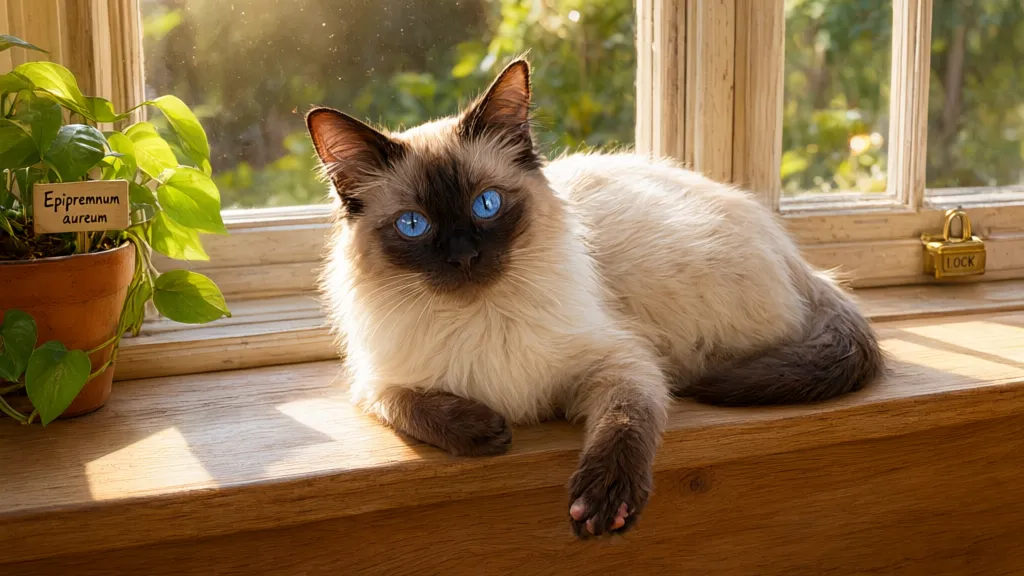
Javanese
The Javanese cat breed emerged in the United States during the 1950s and 1960s as a result of selective breeding aimed at producing a long-haired variant of the Siamese. The breed was developed through the crossbreeding of Siamese cats with colorpoint Persian and Balinese cats, maintaining the striking colorpoint pattern while enhancing fur length and...
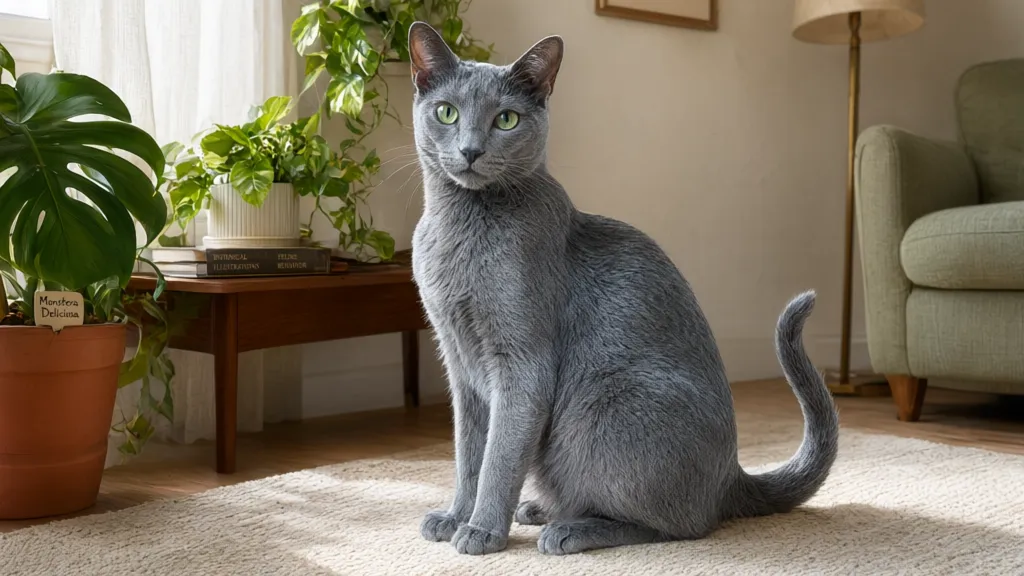
Korat
The Korat cat breed’s origins trace back to Thailand, where it’s revered as a symbol of good luck. The breed is believed to be at least 600 years old, possibly dating back to the 13th century or earlier, as evidenced by historical texts that mention cats in royal households. The name “Korat” derives from the...
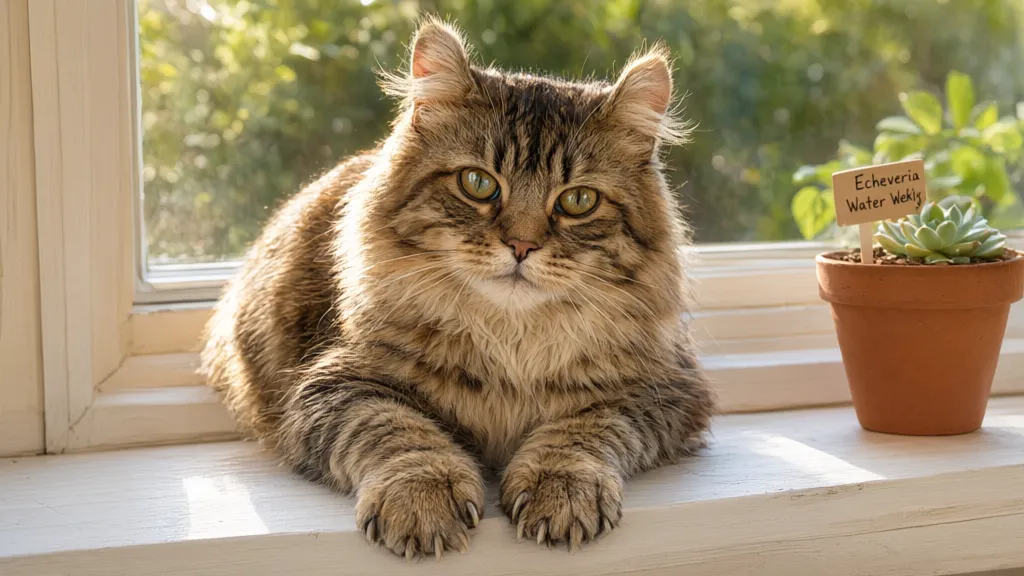
Highlander
The Highlander cat breed, known for its distinctive appearance and unique genetic traits, traces its origins to selective breeding programs initiated in the late 1990s. Specifically, the breed emerged primarily in the United States, reflecting the influence of Scottish Fold genetics, characterized by its rounded skull and folded ears, combined with the feral American Wildcat....
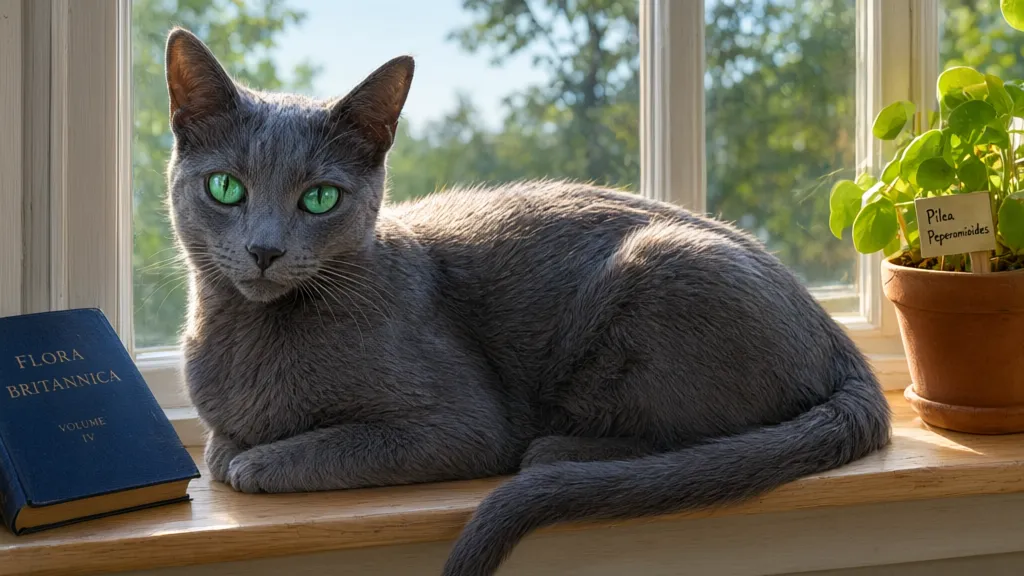
Russian Blue
The Russian Blue, a breed distinguished by its striking blue-gray coat and vivid green eyes, has origins steeped in mystique and historical significance. Its lineage is believed to trace back to the Archangel Isles in Russia, where these cats were originally admired for their hunting abilities. The breed’s early associations with Russian nobility led to...
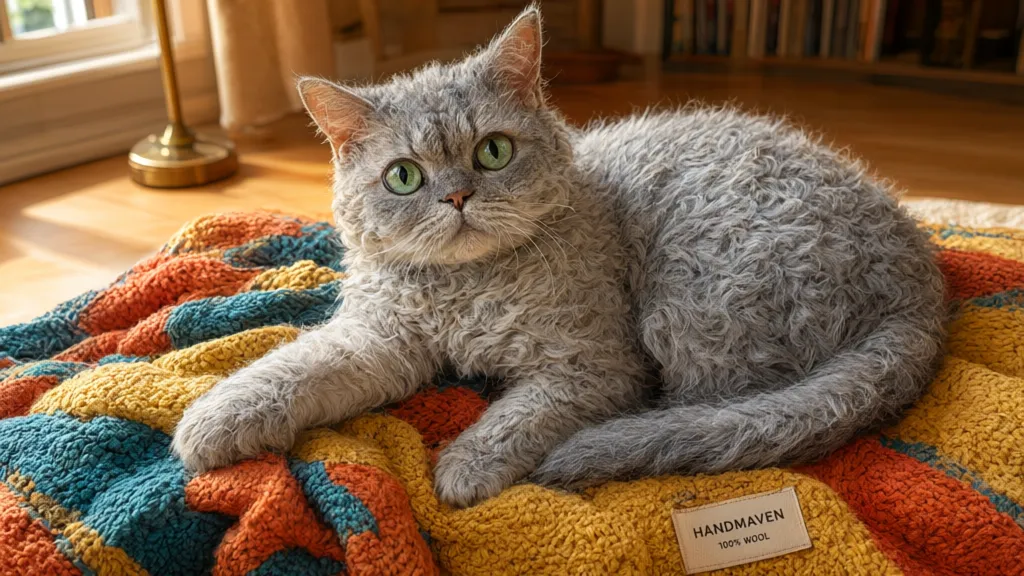
Selkirk Rex
The Selkirk Rex breed originated in 1987 in Montana, when a ranch cat gave birth to a litter that included a uniquely curly-coated kitten named Lancelot. This mutation was caused by a spontaneous genetic variation affecting the fur’s texture. The curly coat is the result of a recessive gene (KRT71) that impacts hair follicle structure,...
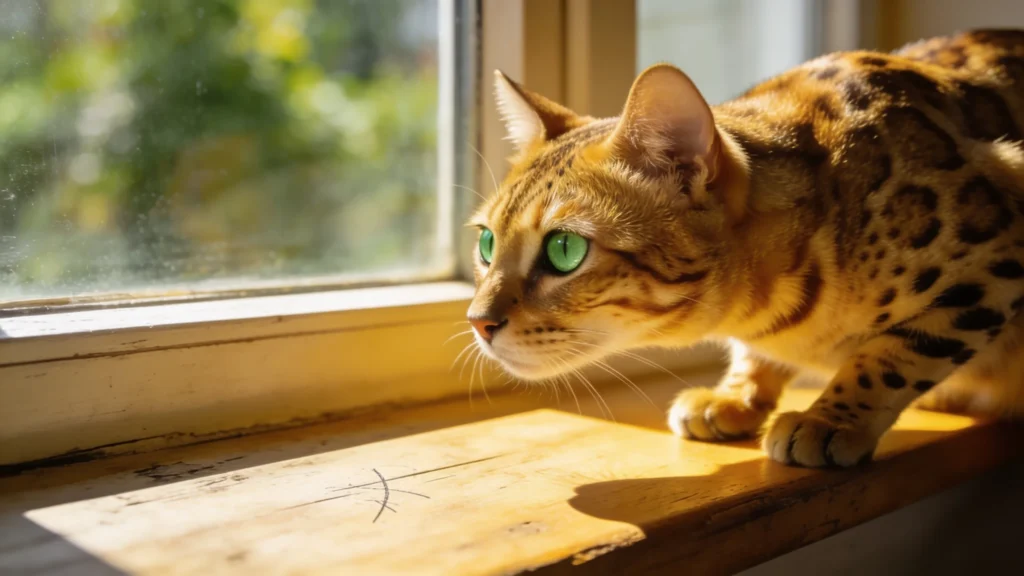
Cheetoh
The Cheetoh cat breed emerged in the early 2000s, developed by crossing the Bengal and the Ocicat. This intentional hybridization aimed to combine the striking coat patterns and markings of the Bengal with the wild appearance and robust body type of the Ocicat. The initial breeding began with a specific focus on creating a breed...
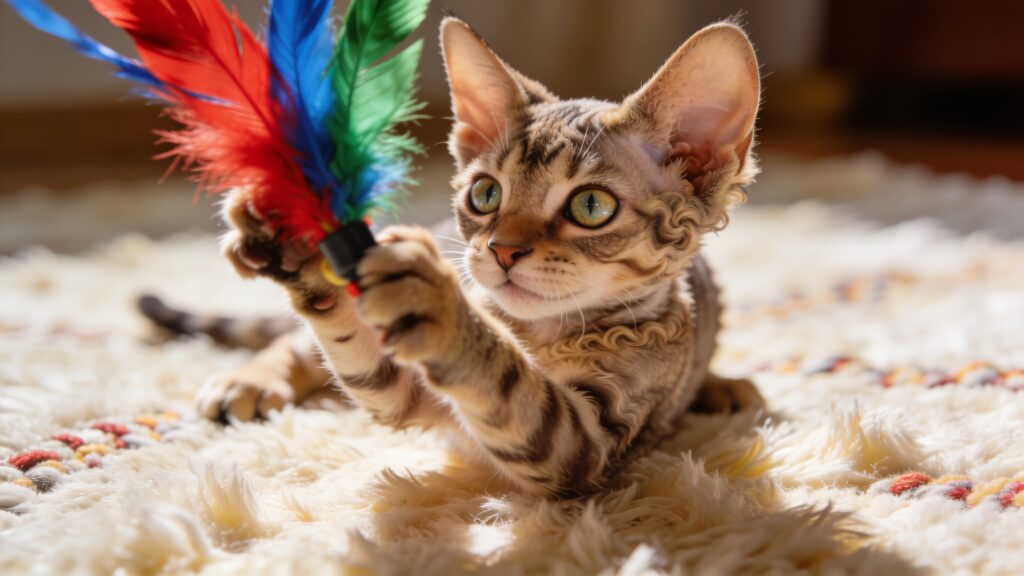
Devon Rex
The Devon Rex originated in Devon, England, during the 1960s when a curly-haired kitten named Kallibunker was discovered in a feral cat population. Genetic mutations affecting the hair follicles resulted in an unusual curly coat. This breed’s ancestry can be traced back to the Cornish Rex, from which it diverged due to distinct genetic variations...
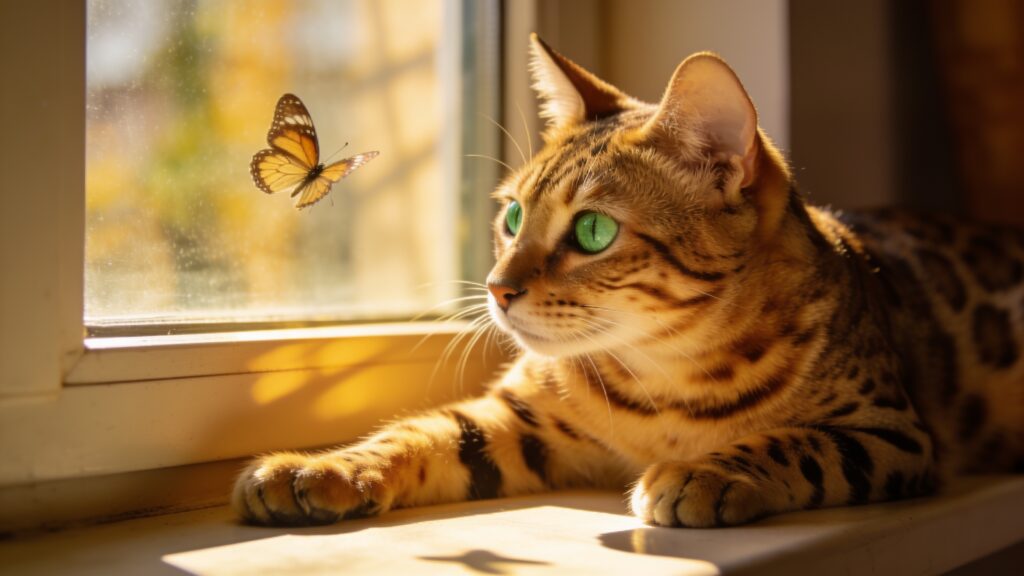
Ocicat
The Ocicat originated in the early 1960s through the deliberate crossing of the Siamese, Abyssinian, and American Shorthair breeds, resulting in a distinct breed that emulates the appearance of wild felids, specifically the Ocelot. The gene responsible for its spotted coat is an agouti gene, which enhances the visibility of the spots inherited from the...
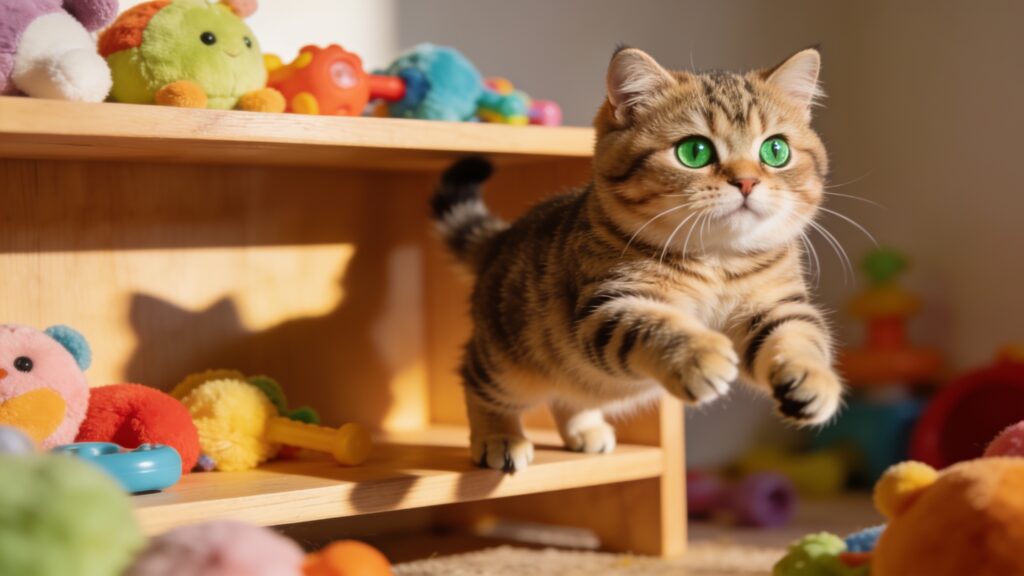
Munchkin
Munchkin cats exhibit distinct physical characteristics primarily attributed to a genetic mutation affecting their long bones, particularly the limbs. The breed is recognized for its short stature, with a typical height ranging from 5 to 7 inches, which results from a dominant gene named ‘Ld’ (longhair die). While their legs are notably shorter than those...