The Birman cat breed has a storied history, intertwining myth and verifiable developments. Originating from Burma, these cats were believed to accompany priests in temples, symbolizing purity and divine connection. In the early 20th century, a pair of Birmans were brought to France, leading to a breeding program that established the breed’s key characteristics. Genetic studies indicate that the Birman’s ancestry includes a mix of domestic and possibly wild breeds, contributing to their unique traits.
Post-World War II, this breed faced near extinction due to the war. A small number of Birmans were preserved through selective breeding, focusing on maintaining their characteristic coloration and long-haired coats. Despite the challenges, dedicated breeders worked to rebuild the population, resulting in a resurgence of the breed’s numbers and popularity in Europe, particularly in France, where they were officially recognized by cat registries.
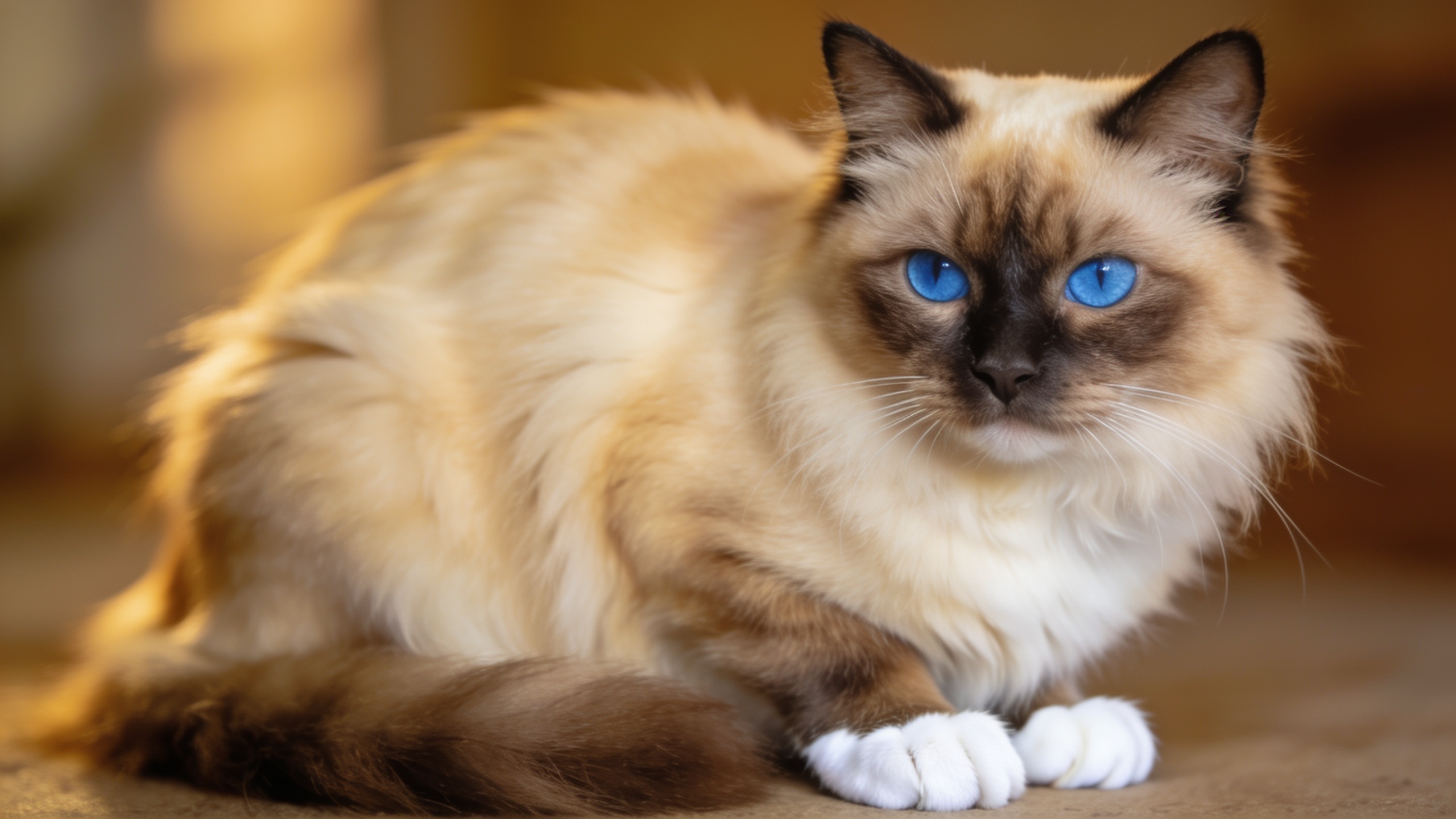
Today, the genetic makeup of Birmans has been influenced by careful cross-breeding with other long-haired breeds, including Persians and Siamese, to improve both health and temperament. This genetic diversity has also led to the emergence of variations in color patterns, although the traditional color point remains the most sought-after marking in breed standards. The Birman is distinguished by its semi-long hair, striking blue eyes, and unique white “gloves” on their paws, a characteristic that’s a result of selective breeding practices aimed at preserving these visual traits.
Additionally, the breed’s early history in temples among religious figures impacted their docile disposition. They were historically revered for their calm demeanor and strong attachment to humans, which has influenced modern perceptions of this breed. While firmly rooted in myth, the actual breeding history substantiates the notion that Birmans possess a temperament that aligns well with domestic life, leading to their status as cherished companions.

Purina Fancy Feast Gravy Lovers, Poultry & Beef Wet Cat Food, 3oz, 24-Pack | Variety Pack, grilled gourmet texture made with no artificial colors or preservatives, 100 percent complete and balanced
$22.86 (as of October 22, 2026 20:56 GMT +00:00 - More infoProduct prices and availability are accurate as of the date/time indicated and are subject to change. Any price and availability information displayed on [relevant Amazon Site(s), as applicable] at the time of purchase will apply to the purchase of this product.)The historical development of the Birman has also raised awareness regarding genetic health issues prevalent within the breed. Notably, hereditary diseases such as hypertrophic cardiomyopathy (HCM) and hip dysplasia have been observed. Breed-specific health monitoring guidelines recommend regular veterinary check-ups to screen for these conditions. Understanding the breed’s historical context aids in recognizing the impact of genetics on health and behavioral traits.
Consequently, as this breed continues to evolve, it’s essential for breeders to prioritize genetic health alongside aesthetic features, using pedigrees to promote a diverse gene pool and minimize genetic bottleneck effects. Education on responsible breeding practices remains crucial as the breed gains popularity worldwide.
Physical characteristics
The Birman cat is characterized by its striking physical features which contribute to its allure. The breed typically possesses a semi-long, silky coat that requires regular grooming to prevent matting. The fur is dense but not overly thick, which allows for comfortable wear in various climates. Essential grooming involves brushing at least once a week and more frequently during shedding seasons to manage loose hairs and maintain coat health.
Coloration in Birmans is a key characteristic, with the breed exhibiting a distinctive color-point pattern, wherein the body is lighter in color compared to the darker extremities—ears, face, paws, and tail. The accepted color points include blue, chocolate, lilac, and red, among others. Color development in Birmans is governed by temperature-sensitive genes; warmer parts of their body reflect darker shades as a result of this genetic mechanism. This trait necessitates careful attention during breeding to ensure alignment with desired standards.
The breed’s eye color is another defining physical trait. Birmans typically possess deep blue eyes, which result from genetic factors linked to their Siamese ancestry. This eye color is stable throughout their lives, although it can sometimes be less vivid in certain individuals due to health issues or environmental factors, such as lighting conditions. Regular examination of their eyes is recommended to monitor for signs of issues like intraocular pressure changes or cataracts.
Body structure in Birmans is robust and muscular, with a semi-foreign build, often described as a medium to large size. Adult males typically weigh between 10 to 14 pounds, while females range from 6 to 10 pounds. This breed features a moderately broad head with rounded contours, large, slightly tilted ears, and a short nose that enhances their physical charm. Careful attention should be paid to weight management, as obesity can exacerbate health risks, including joint issues and diabetes.
The paws of Birmans show distinctive white “gloves” which are genetic representations of their breed standard. These markings can vary—some may have complete gloves while others may have partial coverage. The identification of these patterns is critical in ensuring adherence to breed standards, which may affect show eligibility and breeding decisions.
In terms of health considerations, aside from hereditary concerns like hypertrophic cardiomyopathy (HCM), the Birmans’ physical characteristics can predispose them to certain conditions. The combination of a dense coat and well-defined body structure requires careful monitoring of their health to avoid issues like dental disease, which are not uncommon in breeds prone to obesity and sedentary behavior. Regular veterinary check-ups, maintenance of a balanced diet tailored to their age and activity level, and promoting playtime can help mitigate these risks.
Temperament and behavior
The temperament of Birman cats is influenced by both their historical role as companion animals and their genetic background. Typically described as sociable and affectionate, Birmans exhibit a strong desire for human interaction, making them less tolerant of prolonged solitude. This trait can lead to behavioral problems, such as vocalization or destructive behavior, if left alone for extended periods. Observing signs of stress or anxiety, like excessive grooming or hiding, can signal that a Birman requires more social stimulation or companionship.
Behaviorally, Birman cats are known for their gentle nature and adaptability to various environments, ranging from bustling households to quieter settings. Their calm demeanor, often a result of their breeding history linked to temple life in Burma, allows them to coexist harmoniously with other pets and children. However, it very important for owners to monitor interactions between Birmans and other animals to ensure that the natural playfulness of younger Birmans does not overwhelm more sensitive companions, potentially leading to stress or aggression.
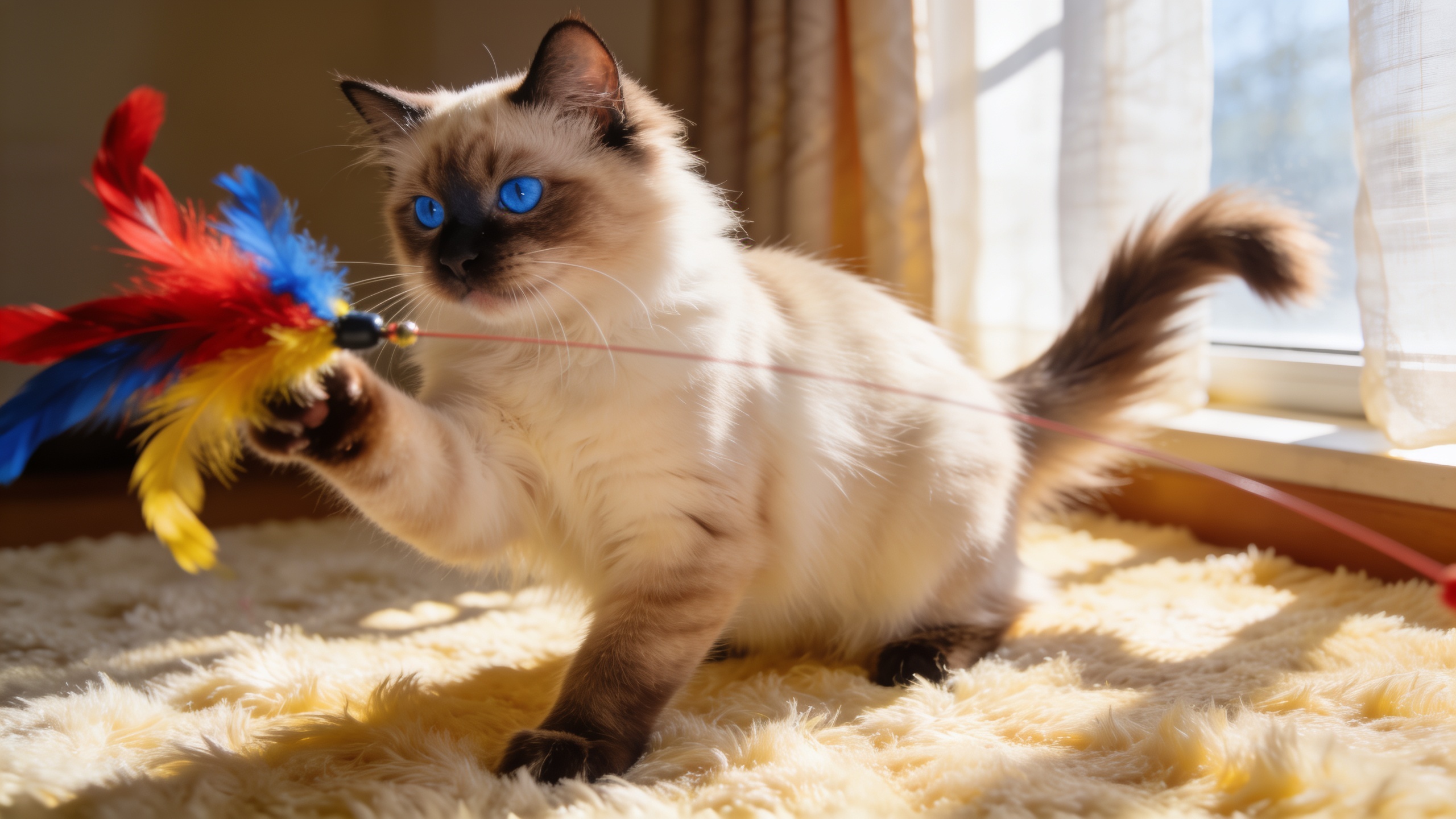
Birmans also exhibit playful intelligence, often engaging in interactive play that stimulates their mental and physical agility. Providing toys that challenge their problem-solving skills, such as puzzle feeders or interactive playthings, can enhance their mental well-being and prevent boredom. It is recommended to rotate toys regularly to maintain their interest, as repetitive exposure can lead to disinterest and potential behavioral issues stemming from inactivity.
Grooming and regular handling play a significant role in reinforcing the bond between Birmans and their owners. Routine grooming sessions not only maintain coat health but also serve as opportunities for socializing, which can enhance the cat’s comfort and trust in human interaction. Establishing a consistent grooming routine from a young age is essential for fostering a calm disposition during these sessions, which can prevent anxiety related to handling and vet visits later in life.
In their playful nature, Birmans may show tendencies towards mischief, such as climbing onto shelves or exploring curious nooks. This exploratory behavior underscores the importance of providing a safe, enriched environment to satisfy their curiosity while preventing potential dangers associated with high places or small spaces. Owners should ensure that their homes are cat-proofed, as Birmans may inadvertently encounter hazards due to their inquisitive behavior.
Understanding the nuances of Birman behavior, including their need for companionship, play, and environmental enrichment, is critical for fostering a healthy, well-adjusted cat. Owners should remain vigilant for any changes in behavior, such as withdrawal or increased aggression, which could indicate underlying health issues or environmental stressors that need to be addressed promptly. Regular veterinary visits tailored to behavioral assessment can also provide insights into optimal management strategies for maintaining their well-being.
Care and maintenance
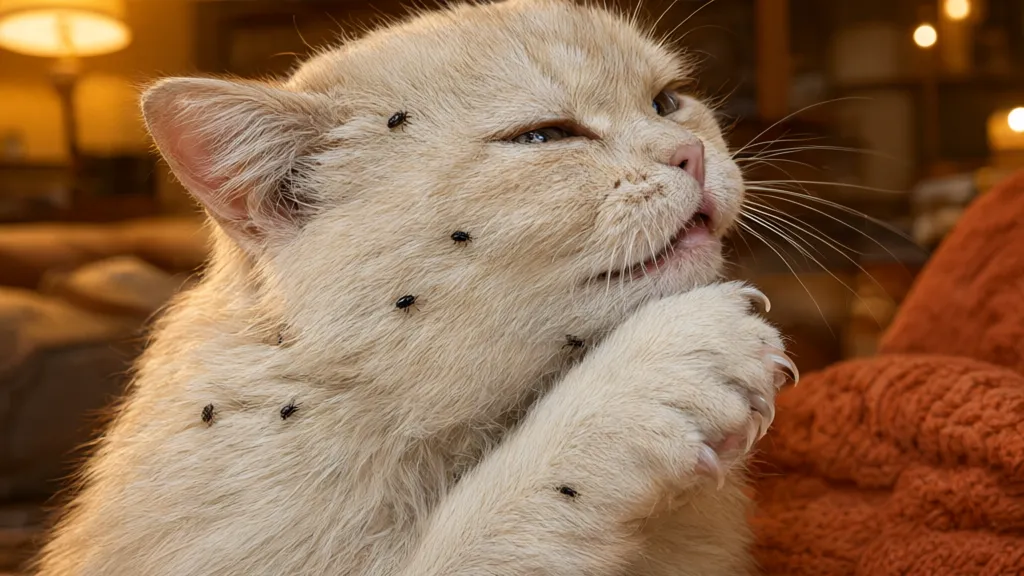
Proper care and maintenance of Birman cats are crucial to ensuring their health and well-being throughout their lives. Their semi-long coats require regular grooming to prevent matting and reduce shedding. It’s recommended to brush them at least once a week, increasing frequency during shedding periods to minimize loose hair accumulation. Using a wide-toothed comb can help detangle knots without damaging their delicate fur. Furthermore, regular grooming sessions serve as an opportunity for early detection of skin issues, parasites, or lumps that could signify health concerns.
Nutrition plays a significant role in the overall health of Birmans. High-quality, protein-rich diets tailored to their life stage (kitten, adult, senior) are essential, considering their relatively high energy levels, particularly in younger cats. Monitoring their food intake very important to prevent obesity, a common issue that can exacerbate health risks such as diabetes and joint problems. A mix of dry and wet food can maintain hydration and support dental health, as the abrasive texture of dry food can help reduce plaque buildup while wet food contributes to moisture content in their diet. It’s advisable to consult with a veterinarian to establish an optimal feeding regimen based on individual health needs and activity levels.
Hydration is another critical aspect of care. Birmans can be prone to urinary issues, so providing fresh water daily and encouraging hydration through wet food can be beneficial. Some cats may prefer drinking from a fountain, which appeals to their natural instincts and may encourage increased water intake. Monitoring litter box habits for any signs of urinary distress, such as straining or changes in frequency, is essential for early intervention.
Physical activity is paramount for Birmans, as their playful nature requires ample stimulation to prevent boredom and related behavioral issues. Providing a variety of toys, climbing structures, and interactive play opportunities is vital for their well-being. Establishing a routine that includes daily play sessions not only caters to their energetic disposition but also strengthens the bond between the cat and owner. Additionally, incorporating puzzle feeders can enhance mental stimulation and prolong feeding times, aiding digestion and alleviating obesity risks.
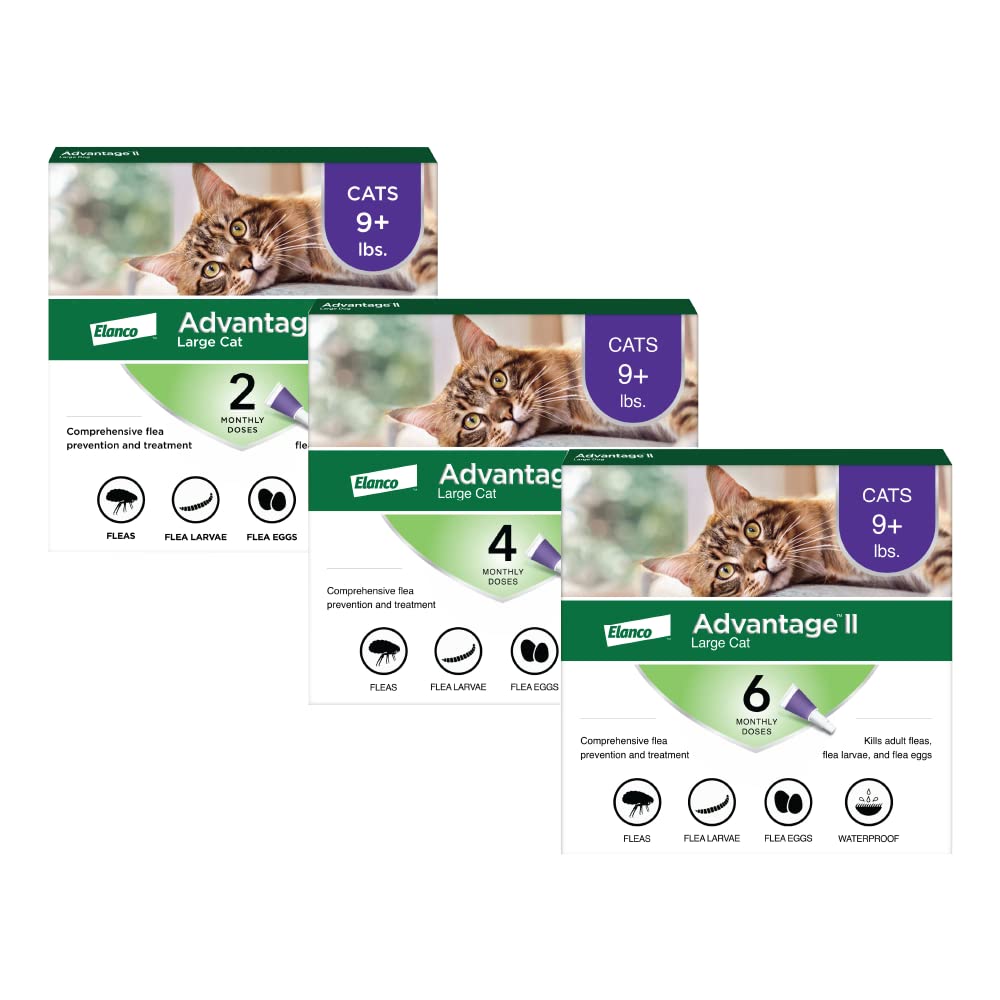
Regular veterinary check-ups are fundamental for monitoring the health of Birmans. Early detection of hereditary conditions like hypertrophic cardiomyopathy (HCM) is achievable through routine screenings, which can include echocardiograms. Keeping up with vaccinations, dental cleanings, and preventive care reinforces their overall health. Awareness of breed-specific health concerns should guide veterinary visits, allowing for proactive health management tailored to the unique needs of Birmans.
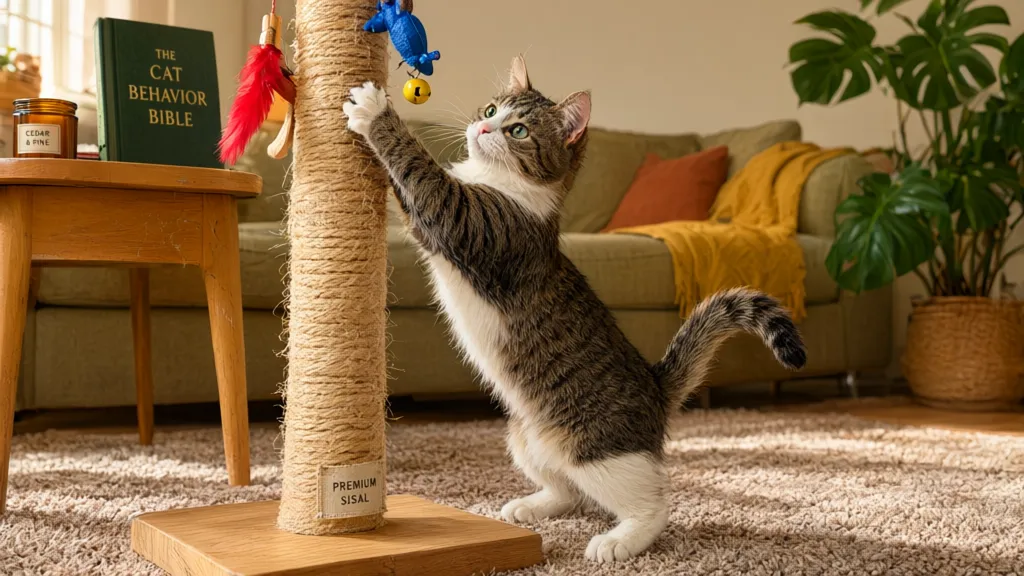
Environmental management is equally significant. Birmans should be kept in a safe environment to prevent injuries, especially due to their curiosity and inclination to explore. Cat-proofing homes by securing electrical cords, ensuring windows are screened, and removing toxic plants can help protect against accidents. Offering designated spaces for scratching and climbing can satisfy their instinctual behaviors while keeping your furniture safe.