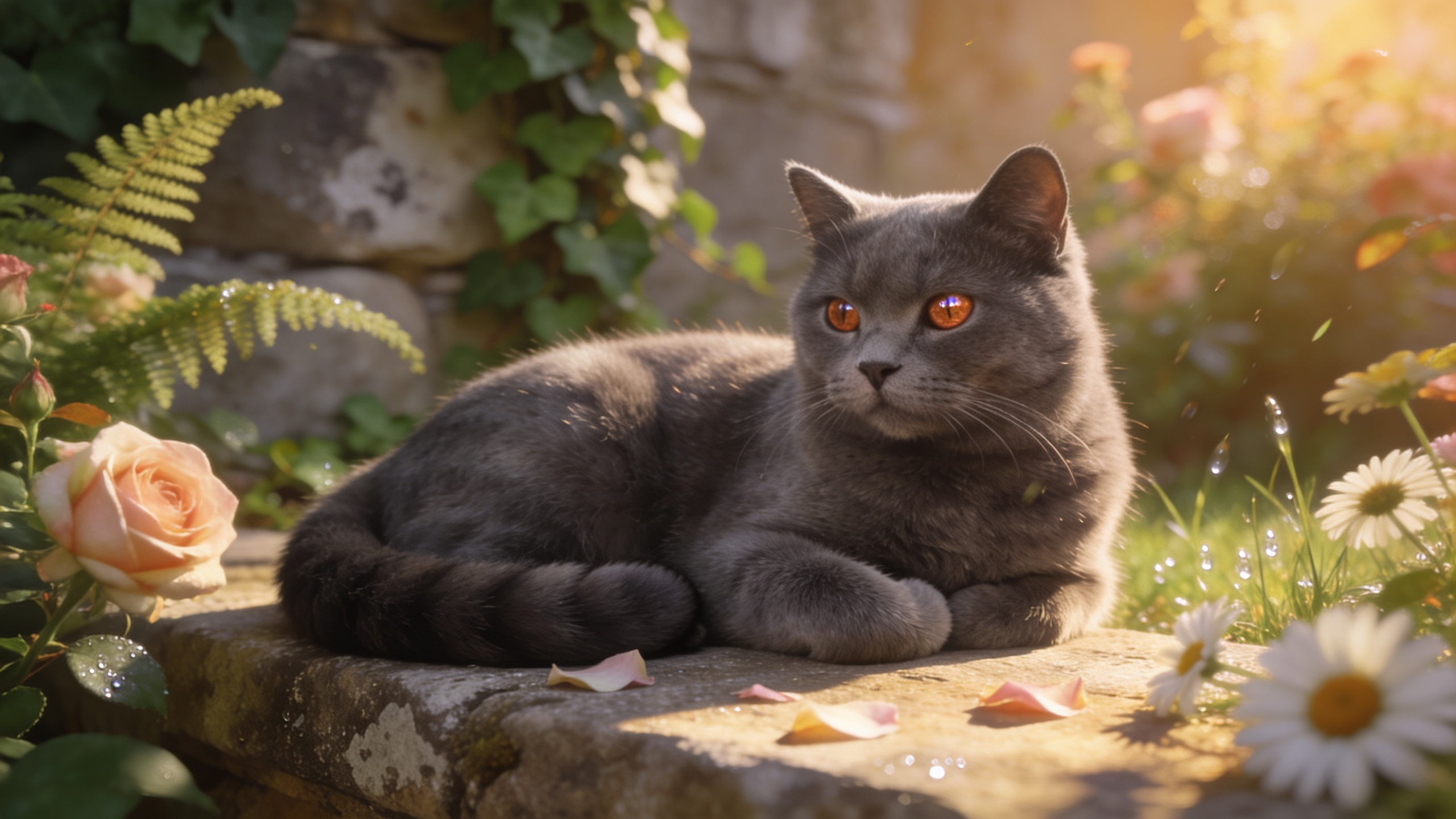
The Chartreux breed has its origins deeply rooted in France, specifically in the region of Chartreuse Mountains where monks are believed to have contributed to its development. Historical records suggest that these cats were likely kept for their hunting prowess, particularly in controlling rodent populations in monasteries. Genetic analysis indicates a unique lineage that distinguishes Chartreux from other breeds, marked by a long history of natural selection within the French landscape.
Documented references to Chartreux cats can be traced back to the 16th century, supporting the idea that they have been recognized for centuries for their distinctive slate-blue coat and copper or gold eyes. This breed almost faced extinction during the mid-20th century due to World War II, wherein many domestic animal populations dwindled. In the post-war era, efforts by dedicated breeders effectively revived the breed, using selective breeding strategies to stabilize its genetic diversity and enhance its population.
During the revival, breeders focused on enhancing the breed’s physical and temperamental characteristics, ensuring that the traditional traits attributed to Chartreux cats were preserved. The breed was officially recognized in France in 1939 by the Société Féline Française, which began to set breed standards that ensured the cats upheld the distinctive traits of robust health, body conformation, and ideal temperament.
Throughout the years, the Chartreux has maintained a reputation not only as a functional cat but also as a companion animal, blending its historical roles in pest control with evolving expectations of domestic pets. International interest grew in the late 20th century, leading to its recognition by various cat registries outside of France, including The International Cat Association (TICA) and the Cat Fanciers’ Association (CFA).

Sheba Perfect Portions Cuts Wet Cat Food, Multipack, 2.6 oz, 24 ct | Chicken, Salmon & Turkey cuts in gravy, grain-free, protein-rich, no corn/soy, essential vitamins & minerals, twin-pack trays
EUR 25.13 (as of October 15, 2026 08:33 GMT +00:00 - More infoProduct prices and availability are accurate as of the date/time indicated and are subject to change. Any price and availability information displayed on [relevant Amazon Site(s), as applicable] at the time of purchase will apply to the purchase of this product.)It very important to acknowledge that the Chartreux breed’s genetic predisposition has contributed to its overall health, with relatively low incidences of inherited diseases compared to some other breeds. This aspect is likely attributable to its historical emergence in a more natural, less manipulated setting, emphasizing resilience and adaptability. Modern breeding practices now emphasize these inherited traits along with personality factors, advocating for genetic health while preserving its distinctive physical appearance and sociable temperament.
Physical characteristics of the Chartreux
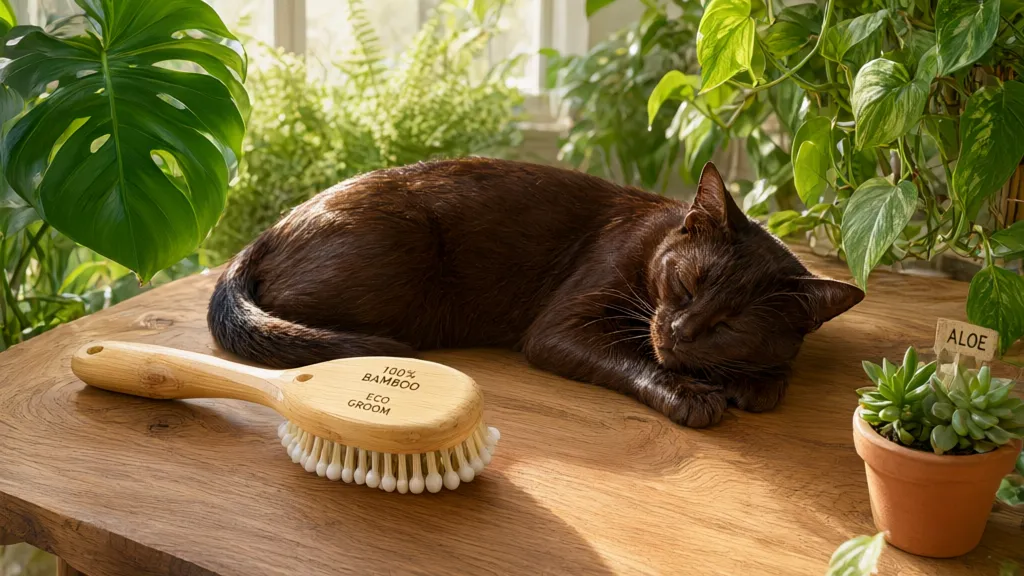
The physical characteristics of the Chartreux are defined by its unique coat, body structure, and overall appearance. This breed is notable for its dense, water-repellent double coat, which exhibits a distinctive slate-blue hue. The color ranges from a lighter shade to a more saturated tone, contributing to the breed’s signature look. The coarse outer layer and softer undercoat work synergistically to provide insulation and protection, allowing these cats to thrive in varied climates. Grooming is essential to manage this dense fur; however, it requires less maintenance than long-haired breeds due to lower shedding rates.
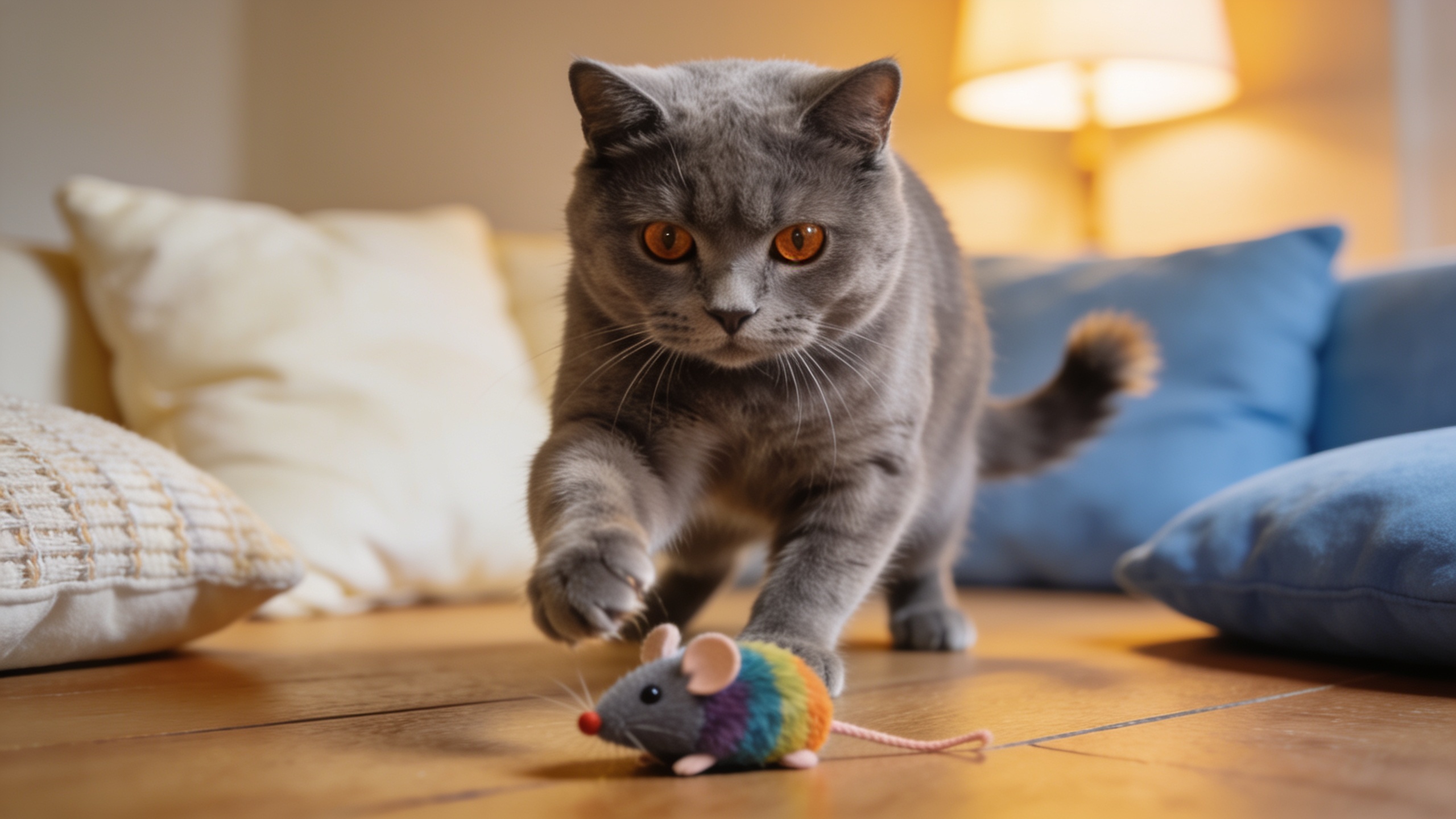
The Chartreux possesses a robust, muscular build. Males typically weigh between 12 to 16 pounds, while females are generally smaller, averaging between 8 to 12 pounds. This breed features a broad, rounded head with prominent cheeks, giving it a distinctive appearance. Their large, round eyes—often in shades of copper or gold—are expressive and contribute to their inquisitive demeanor. The nose is short and straight, with a noticeable stop that fits the proportions of their face, enhancing their appealing look.
<p.The structure of the ears is another breed hallmark; they are medium-sized, slightly pointed, and positioned high on the head, enabling acute hearing. This anatomical feature is advantageous for detecting subtle sounds, a trait that aids their hunting instincts. The legs of the Chartreux are strong and equal in length, providing a sturdy foundation for agility and speed. The paws are rounded, which offers stability and an efficient grip when navigating diverse terrains.
<p.As a breed, Chartreux cats are known for their steady gait and nimble movements, traits that stem from their origins as proficient hunters. Their well-developed muscle tone and solid bone structure contribute to an athletic yet graceful appearance. Another characteristic of this breed is its somewhat stocky neck, which supports the heavier skull structure and lends itself to a powerful presence.
<p.The tail is medium in length, thick at the base, and tapers to a rounded tip, balancing their overall physique. This tail structure plays a role in communication, helping express their mood and intentions through tail movements. Environmental conditions should be considered when managing the Chartreux's physical health; while they adapt well to indoor living, a stimulating environment is necessary to keep them physically and mentally engaged.
<p.Regular veterinary checks and a balanced diet rich in protein, vitamins, and minerals can further enhance their physical attributes, ensuring optimal muscle development and overall welfare. Their health is intrinsically linked to their morphology, thus understanding their physical traits aids in making informed decisions regarding care and appropriate lifestyle adaptations.
Personality and behavioral traits
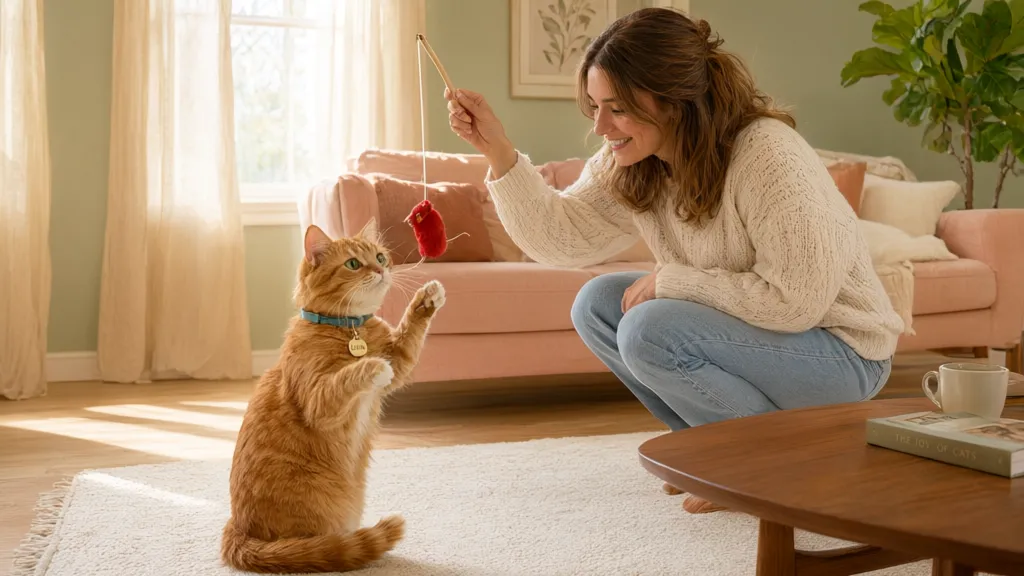
The Chartreux breed exhibits distinct personality traits that reflect its history as a natural hunter and companion. Known for their intelligence, Chartreux cats engage in problem-solving behaviors that indicate a stimulating mental capacity. The breed often displays a strong prey drive, which manifests in playful hunting behaviors such as stalking and pouncing on toys or even laser pointers. Observing these behaviors can be essential for providing appropriate enrichment, such as interactive toys or puzzle feeders that challenge their cognitive skills.
An important aspect of the Chartreux’s personality is its sociable nature. While these cats can display independence, they typically form strong bonds with their human companions. They’re known to follow their owners from room to room, preferring social interaction rather than isolation. This affectionate demeanor encourages a nurturing environment where they can thrive emotionally. However, they can also be sensitive to changes in their living environment, which may lead to stress or anxiety if not managed properly.
Their communication style involves a range of vocalizations, often characterized by soft chirps and trills rather than loud meows. This unique vocal trait often signifies their desire for attention or companionship, allowing owners to gauge their mood and needs. If a Chartreux becomes excessively vocal or withdraws from interaction, it may signal underlying issues, such as boredom or health concerns, necessitating engagement or veterinary evaluation.
<p,In terms of behavioral patterns, the Chartreux tends to adapt well to various living situations, whether urban apartments or rural homes. Their calm demeanor influences their ability to coexist with other pets, but introductions should be managed carefully to mitigate territorial disputes. Positive reinforcement techniques during social interactions can foster peaceful coexistence and facilitate smoother adaptations.
<p,Chartreux cats are also generally less prone to destructive behavior, often stemming from their innate hunting instincts directed toward appropriate targets like toys rather than household items. Nonetheless, providing a variety of enrichment options remains crucial to alleviate tension and promote well-being, especially in environments with limited space. Engaging in regular play sessions can fulfill their need for activity while strengthening the owner-pet bond.
<p,Overall, the psychological well-being of a Chartreux is intertwined with their environment and social dynamics. Regular positive interactions, coupled with mental and physical stimulation, can prevent issues related to anxiety or aggression. Understanding the nuances of their behavior can lead to more tailored care strategies, enhancing both their quality of life and the connection they share with their human family members.