Purring is generated by a rapid, rhythmic cycle of neural input from the brainstem that drives the laryngeal and diaphragmatic musculature during both inhalation and exhalation. The laryngeal muscles alternately open and narrow the glottis, creating a repeating airflow pattern that makes the vocal folds and surrounding tissues vibrate at roughly 25 to 150 cycles per second. Because the sound occurs on both phases of breathing, it has a continuous quality rather than the discrete pulses seen in meows or chirps.
The exact neural circuit is not fully mapped, but the prevailing model involves a central pattern generator in the brainstem sending oscillating signals through the vagus and recurrent laryngeal nerves. These nerves control the muscles that reposition the arytenoid cartilages and modulate the vocal folds. The diaphragm contributes by stabilizing pressure changes in the chest, which helps maintain the low-frequency resonance that many people hear as the classic purr. In some cats, the hyoid apparatus and oral cavity amplify the vibration, making the purr seem louder or more rumbling.
Because purring is mechanically tied to airway patency and laryngeal function, abnormal changes in the sound can be clinically useful. A purr that becomes weak, raspy, intermittent, or absent may reflect pain, upper airway disease, laryngeal inflammation, neurologic dysfunction, or generalized weakness. Cats with respiratory distress may still purr, which can mislead owners; purring does not rule out asthma, pleural effusion, pneumonia, heart failure, or trauma. The effort needed to purr is usually low, but any cat that purrs while open-mouth breathing, using abdominal effort, or showing cyanotic gums needs urgent evaluation.
Individual anatomy influences how purring sounds. Small-bodied cats often produce a higher-pitched or less resonant purr, while cats with broader thoraxes or larger laryngeal structures may create a deeper vibration. Breed differences are less studied than in coat or facial morphology, but brachycephalic cats can have altered airflow mechanics, and any condition that narrows the upper airway can change the acoustic profile. Kittens can purr within days of birth, which is thought to help maintain contact with the queen during nursing and may reflect early maturation of the relevant neural circuitry.

Temptations Creamy Puree Cat Treats, Chicken, Salmon & Tuna, 24 Count | Chicken, Salmon, Tuna flavors, under 15 cal/tube, no added sugar/fillers, squeezable treat or meal topper, great for seniors
EUR 9.40 (as of October 13, 2026 08:25 GMT +00:00 - More infoProduct prices and availability are accurate as of the date/time indicated and are subject to change. Any price and availability information displayed on [relevant Amazon Site(s), as applicable] at the time of purchase will apply to the purchase of this product.)When assessing the mechanism in practice, note the context in which the purr occurs, the symmetry of breathing, and whether the vibration is accompanied by swallowing, coughing, sneezing, or voice change. A purr that appears only during handling, feeding, or grooming is usually a normal motor output, whereas a purr paired with hiding, tension, immobility, or reduced appetite may represent a coping response rather than contentment. The sound itself is only part of the signal; the mechanics behind it are tied to both emotional state and physical condition.
Cats purr for multiple biological reasons, and the same motor pattern can serve different functions depending on context. In kittens, purring begins early and is strongly linked to maternal bonding: the queen can locate nursing kittens by the vibration, while the kittens use it to signal that they are latched, settled, and physiologically regulated. The low-frequency rhythm may also help synchronize suckling and reduce separation risk in a nest where vision is limited.
In adult cats, purring often functions as a social signal. It can communicate non-threatening intent to other cats and to humans, especially during close contact, grooming, or resting in a shared space. Some cats use a distinct “solicitation purr,” which contains a higher-frequency acoustic component that makes it harder for people to ignore. That embedded cry-like edge is thought to recruit human caregiving responses more effectively than a neutral purr and is frequently heard around feeding times.
Purring also appears during self-soothing states. Cats may purr when startled, confined, in a novel environment, or after conflict, which suggests the behavior is not limited to joy. The repetitive motor output may dampen arousal through vagal activation and help the cat maintain a functional breathing pattern when emotionally activated. In practical terms, this means a cat may purr while choosing distance, crouching, or freezing; the purr in that case reflects regulation, not relaxation.
Pain is another major trigger. Orthopedic disease, dental pain, post-surgical discomfort, urinary tract disease, and visceral pain can all provoke purring, especially in cats that are otherwise stoic. The behavior may act as an internal coping mechanism, possibly because the low-frequency vibration is associated with reduced stress response and may support tissue repair through gentle neuromuscular activity. A cat purring while refusing food, hiding, guarding the abdomen, or moving stiffly should be treated as potentially painful until proven otherwise.
Medical patients may purr for reasons linked to recovery and energy conservation. Cats with chronic illness often seek predictable contact and may purr during handling because the behavior conserves effort compared with vocalizing or moving away. In geriatric cats, purring may increase when mobility declines or sensory processing changes, because the cat relies more heavily on low-effort communication. Conversely, a sudden drop in purring in a cat that habitually purrs can indicate worsening illness, severe stress, or laryngeal dysfunction.
Interpret purring by pairing it with posture, appetite, grooming, mobility, and respiration. Purring plus soft body language and normal eating is usually affiliative; purring plus tension, hiding, or breathing effort is a medical or welfare red flag.
Nutritional status can influence how often a cat purrs during caregiving interactions. Cats that associate humans with predictable mealtimes or high-value palatability often purr in anticipation because the behavior has been reinforced by consistent positive outcomes. Cats on restricted, low-energy, or painful chewing diets may purr less around feeding if the experience is associated with frustration or oral discomfort. In older cats, decreased intake, weight loss, and sarcopenia often coexist with changes in purring behavior because the cat’s overall behavioral repertoire becomes compressed around conserving energy.
Breed and individual temperament also shape purring frequency. Highly social lines such as Siamese and related Oriental breeds are often more vocally interactive and may purr readily during contact, while more reserved cats may reserve purring for close, trusted moments. However, personality and early handling history matter more than breed alone. A cat raised with calm, consistent human contact typically uses purring more freely as a social bridge than a cat with a history of fear, pain, or inconsistent caregiving.
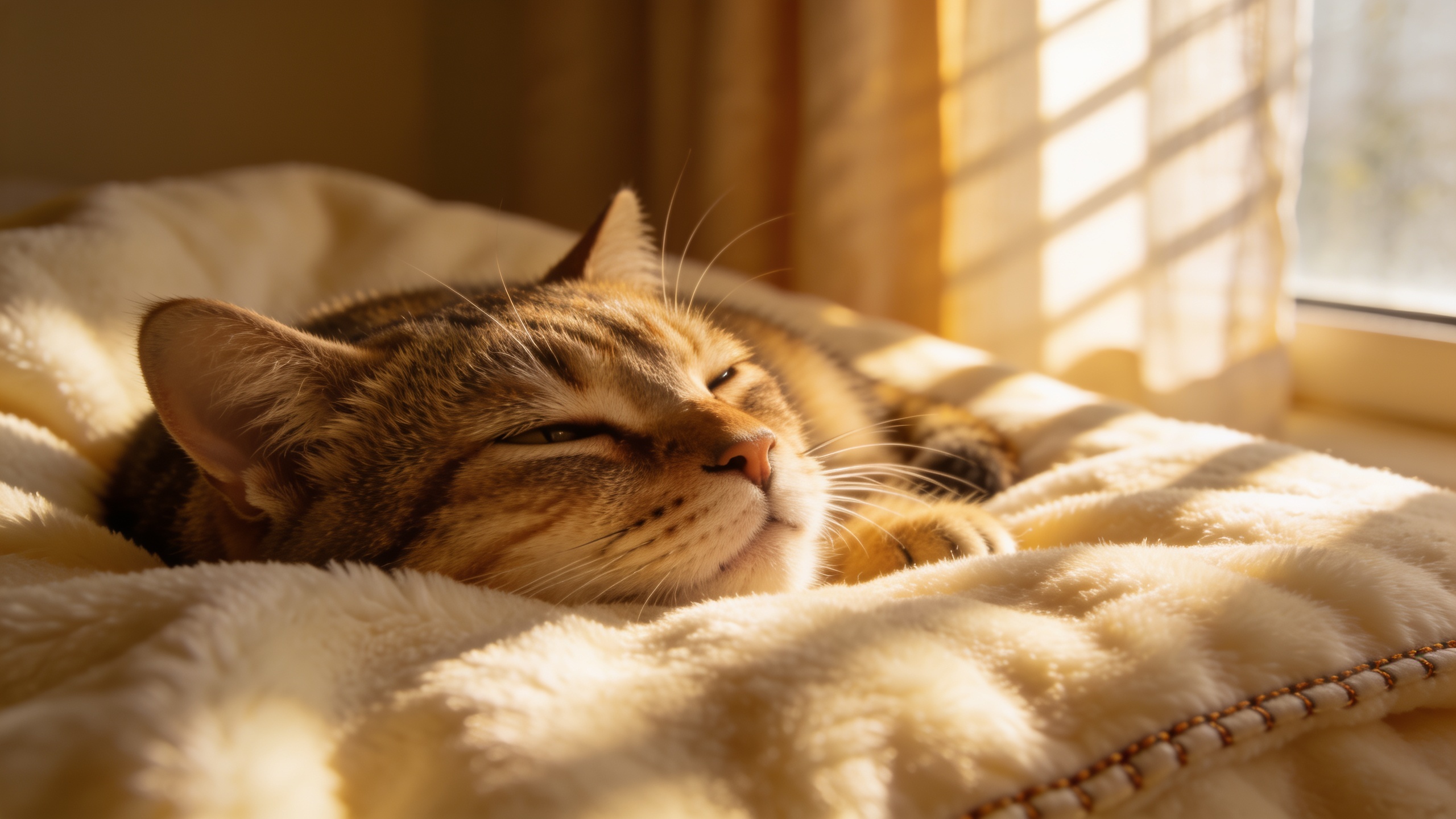
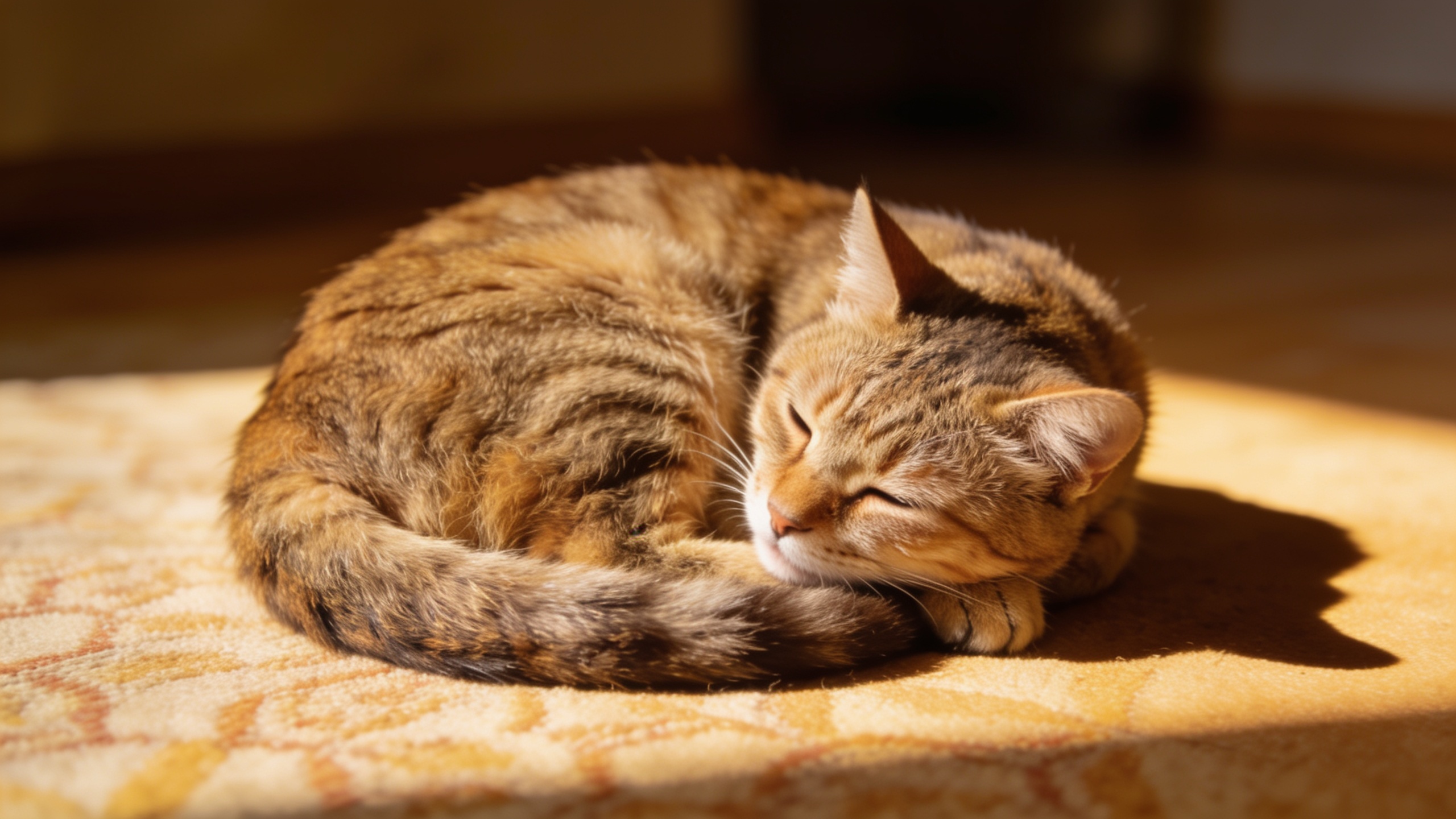
The most reliable way to read purring is to treat it as a state marker, not a mood label. A relaxed cat usually purrs with loose facial muscles, half-closed eyes, a neutral or slightly forward ear set, and an unforced body that may be curled, stretched, or kneading. The respiratory rhythm remains smooth, the purr starts and stops cleanly, and the cat can pause the vibration to eat, sniff, or reposition without strain. That pattern suggests low arousal and effective social comfort.
When purring reflects distress, the body tells a different story. Cats in pain or nausea often purr while keeping the head low, shoulders hunched, limbs tucked tightly, and tail wrapped close to the body. They may refuse jumping, protect a sore area, avoid being touched, or show subtle facial tightening around the eyes and whisker pads. Because cats mask illness, a purring cat that’s quieter than usual, less interactive, or suddenly clingy should be considered clinically suspicious even if it appears calm.
Changes in purr quality can track disease progression. A weak or breathy purr may accompany dehydration, cachexia, severe dental disease, generalized weakness, or laryngeal dysfunction. A harsh, interrupted, or raspy purr can occur with upper airway inflammation, oral pain, or altered airflow from brachycephalic anatomy. If the purr disappears in a cat that normally purrs frequently, especially alongside anorexia, hiding, vomiting, or reduced grooming, the loss of that behavior can be as informative as a new symptom.
Some cats purr during examination or handling because they have learned that the behavior helps them remain in contact or lowers internal arousal. In practice, this means purring does not guarantee the cat is enjoying restraint, clipping, medicating, or transport. Look for whether the cat is still accepting food rewards, leaning into contact, or voluntarily approaching afterward. A cat that purrs while its pupils are dilated, body is rigid, or tail is flicking is communicating mixed or negative arousal, not contentment.
In kitten care, purring can help identify normal nursing and bonding, but it also has welfare value beyond emotion. Orphaned or fading kittens that are too weak to purr, or that purr weakly while failing to nurse vigorously, need prompt assessment for hypothermia, hypoglycemia, infection, or congenital weakness. Because purring requires coordinated neurologic and respiratory function, a marked change in a neonate’s purr can be an early sign that the kitten is losing physiologic reserve.
Age modifies interpretation. Senior cats often purr more quietly because of reduced muscle mass, dental discomfort, arthritis, and lower overall activity. Owners may mistake this for contentment when it’s actually the cat’s default low-effort communication. In geriatric cats, combine purring with weight change, litter box habits, hydration status, and willingness to groom; those measures reveal far more than sound alone.
- soft body, normal appetite, voluntary contact, no respiratory effort.
- crouching, hiding, reduced movement, appetite drop, touch sensitivity.
- purr plus open-mouth breathing, abdominal effort, wheeze, or nasal noise.
- purr becomes faint, irregular, or disappears in a cat that usually purrs often.
For welfare assessment, the most useful question is not whether the cat purrs, but what else is happening at once. Purring that coexists with stable posture, normal respiration, and routine eating is generally a good sign. Purring that appears alongside grimacing, reluctance to move, or changes in breathing deserves the same seriousness as any other clinical warning sign.