The Ocicat originated in the early 1960s through the deliberate crossing of the Siamese, Abyssinian, and American Shorthair breeds, resulting in a distinct breed that emulates the appearance of wild felids, specifically the Ocelot. The gene responsible for its spotted coat is an agouti gene, which enhances the visibility of the spots inherited from the breeding mix, giving the cat a wild, exotic appearance while maintaining a domesticated temperament. Although it mimics the appearance of a wilderness predator, the Ocicat is entirely domestic and has been selectively bred to retain a friendly, sociable nature.
In 1986, this breed was recognized by The International Cat Association (TICA), which propelled its popularity in the cat fancy community. Early breeding efforts focused on combining the beauty of the Abyssinian and the intelligence of the Siamese, deliberately avoiding the introduction of any feral genetics. The meticulous breeding process maintained a balanced temperament, ensuring the Ocicat is adaptable to various living conditions while encouraging a playful and active disposition.
As the breed matured, Ocicats were introduced to various genetic lines to improve robustness and vitality. This strategic genetic diversity has minimized the impact of hereditary health issues commonly found in purebred cats, such as respiratory or dental problems. The conscious aim to maintain a healthy gene pool has resulted in a breed generally recognized for its resilience.
The Ocicat gained further recognition when it began to appear in breed competitions and was featured in popular culture, boosting interest around this breed. Such visibility has contributed to a greater understanding of its needs – including social interaction and mental stimulation – as these cats thrive in environments that allow them to engage with their human companions and other pets.
Fresh Step Extreme Clump Multi Cat Clumping Cat Litter, 14 lb. | Forms Tight Clumps, Easy To Scoop, Scented, Ammonia Block Technology, Low Dust, Compatible with Most Auto Litter Boxes
EUR 8.79 (as of September 29, 2026 18:35 GMT +00:00 - More infoProduct prices and availability are accurate as of the date/time indicated and are subject to change. Any price and availability information displayed on [relevant Amazon Site(s), as applicable] at the time of purchase will apply to the purchase of this product.)It’s vital to note the shift toward breeding Ocicats for both standard and color variations. Breeders have explored various coat colors, including rich shades of gold, chocolate, and silver, which not only enhance aesthetics but also introduce new genetic materials aimed at bolstering health and reducing vulnerability to specific ailments.
The historical journey of the Ocicat exemplifies the balance of aesthetic allure and practical welfare considerations in feline breeding endeavors. This careful approach has contributed not only to the breed’s physical attributes but also to the broad spectrum of behaviors that define the Ocicat today, rendering it a versatile companion for cat owners.
Characteristics of the ocicat
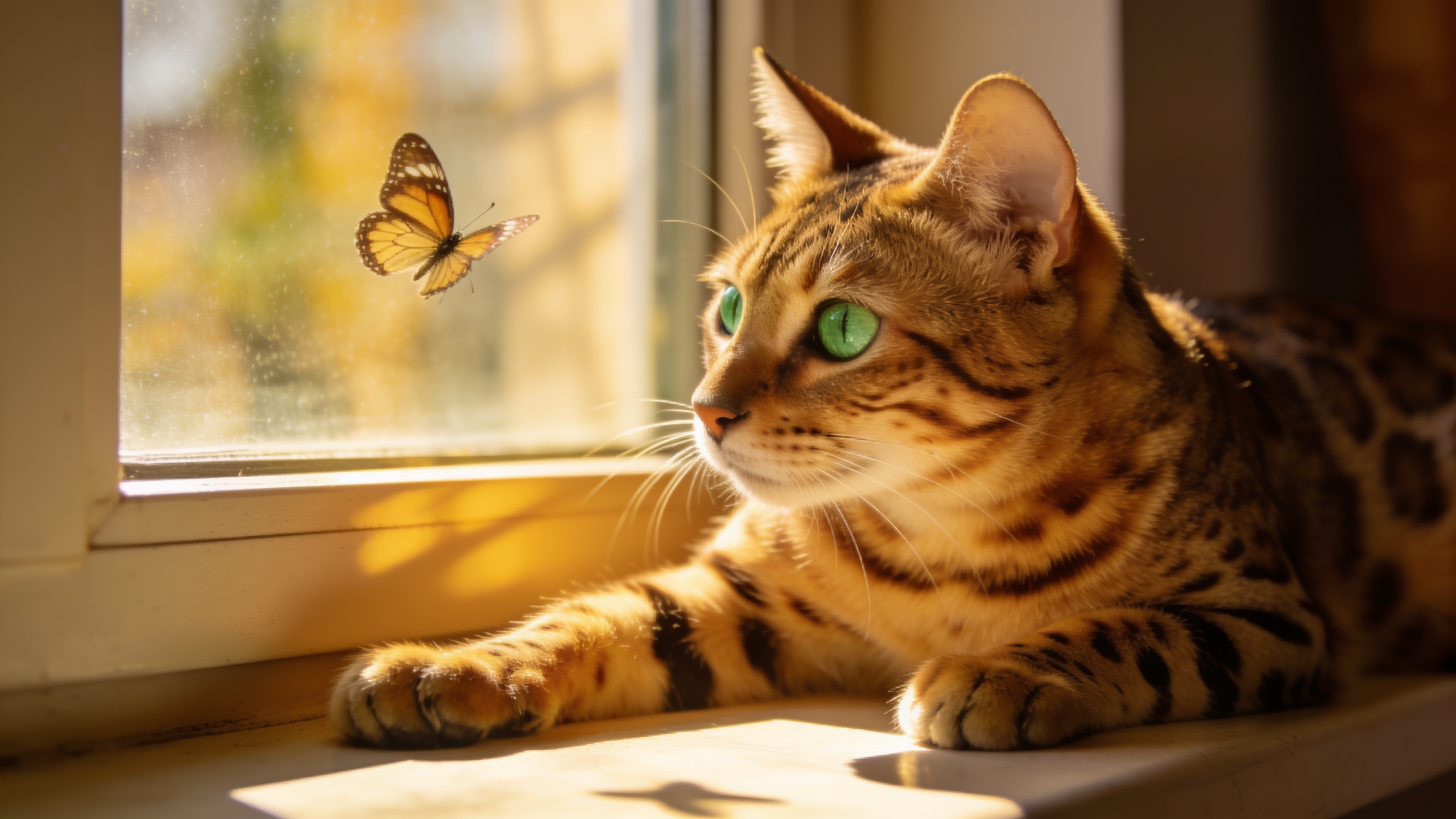
The Ocicat is characterized by its distinctive, spotted coat that resembles that of the wild ocelot, yet is entirely domestic in nature. The coat patterns result from a complex interplay of genetics, notably involving the agouti gene, which determines the visibility of spots against the base color. This breed typically presents in a range of colors, including tawny, chocolate, cinnamon, and silver, all exhibiting a unique rosette or spotted pattern that resembles that of exotic felines.
Body structure is robust, with a muscular and athletic build, designed for play and agility. Ocicats possess a strong, broad head, large ears set at a slight angle, and expressive almond-shaped eyes that can be copper or green. These physical traits not only enhance their aesthetic charm but also contribute to their overall functionality, supporting behaviors such as climbing and active exploration.
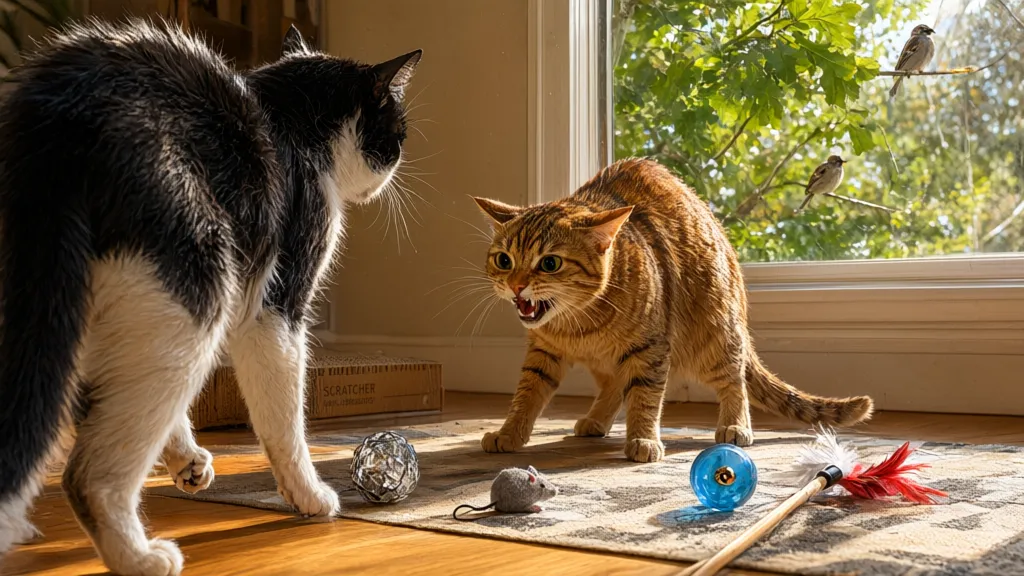
Behaviorally, Ocicats are known for their high intelligence and curiosity, traits that necessitate mental stimulation and physical activity. They exhibit playful behavior well into adulthood, indicating a strong need for engagement through interactive play and environmental enrichment. Notably, Ocicats are social creatures that thrive on interaction, necessitating regular contact with humans or other pets to prevent boredom-induced behavioral issues, such as excessive vocalization or destructiveness.
The breed’s temperament is influenced by its lineage, reflecting the sociable nature of its parent breeds. Ocicats tend to form strong bonds with their caregivers, displaying loyalty and affection. They’re typically confident and adaptable, making them suitable for various living environments, from single-person households to larger families. However, due to their active nature, they require ample space to roam and play, which can manifest in different behavioral expressions, such as climbing or exploring elevated perches.
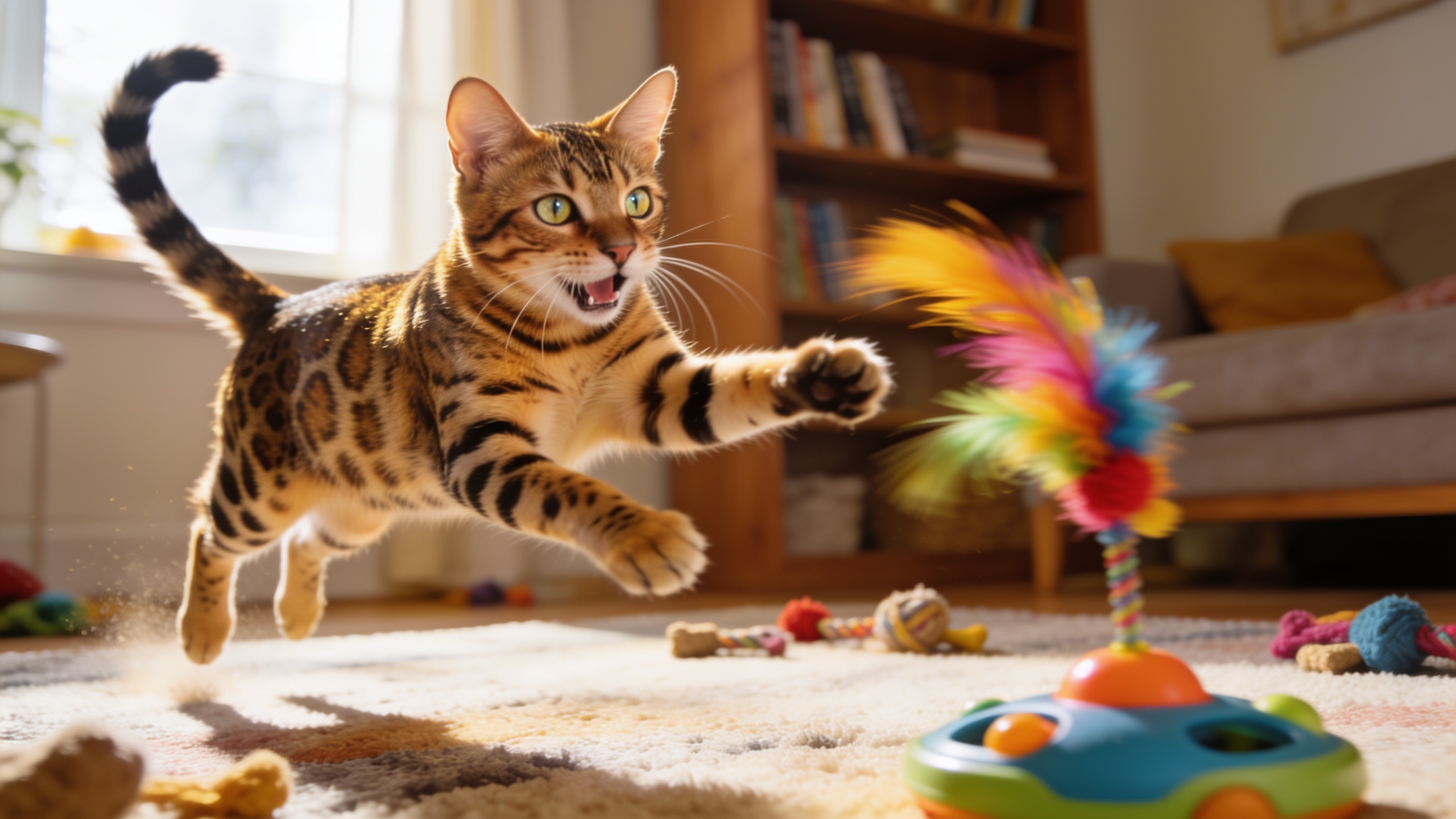
Regarding vocalization, Ocicats can express themselves with a range of sounds, often communicating their needs and emotions, which could indicate anxiety or discontent if left unengaged. Therefore, observing vocal patterns can provide insights into their well-being, helping owners respond adequately to their requirements. Interactive toys and puzzle feeders are recommended to encourage natural hunting behaviors and mental engagement, mitigating potential boredom.
Physical health factors also play a critical role in the breed’s characteristics. Regular veterinary check-ups combined with a balanced diet tailored to the Ocicat’s specific needs are vital for preventing common health issues. Nutrition should focus on high-quality animal protein sources to support their muscular build, coupled with appropriate vitamins and minerals to ensure overall vitality. Additionally, maintaining dental health through regular brushing and appropriate dietary choices helps mitigate the risk of dental disease prevalent in this breed.
Care and grooming for ocicats
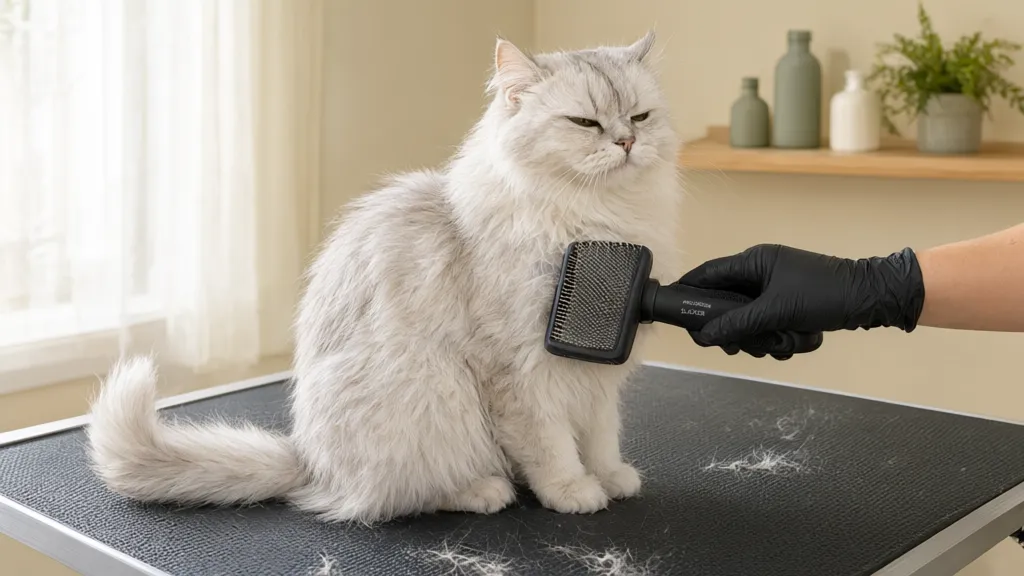
Ocicats require regular grooming to manage their unique coat, which has a distinct ticked appearance resulting from the agouti gene. Their short, dense fur benefits from bi-weekly brushing to minimize shedding and reduce the risk of hairballs. Use a rubber grooming mitt or a fine-toothed comb to effectively remove loose hair without irritating the skin. Pay special attention to the underbelly and neck areas where loose hair accumulates more readily.
Bathing is generally not a necessity due to the Ocicat’s self-grooming habits; however, if they become particularly dirty or have been exposed to allergens, a gentle cat shampoo can be used. Ensure thorough rinsing to prevent residue that could irritate the skin. After bathing, dry the coat with a towel or a low-heat pet dryer, being cautious to avoid overheating and causing stress.
Regular nail trimming very important, as Ocicats are active and often partake in scratching behaviors. Trim their claws every three to four weeks to prevent overgrowth and minimize the risk of injury to both the cat and household items. Use a quality cat nail clipper and be mindful of the quick, the pink area within the claw, to avoid bleeding.
Dental health management is vital to the breed’s overall welfare, as Ocicats can be predisposed to dental issues. Incorporate regular tooth brushing into the grooming routine using a feline-specific toothpaste. Additionally, dental treats designed to reduce plaque can complement brushing efforts, making oral care more engaging and beneficial.
Ensure that ears are kept clean and free from wax buildup. Inspect them weekly and clean gently with a soft, damp cloth or use vet-recommended ear cleaning solutions. Watch for signs of infection, such as redness or discharge, and consult a veterinarian if such symptoms arise.
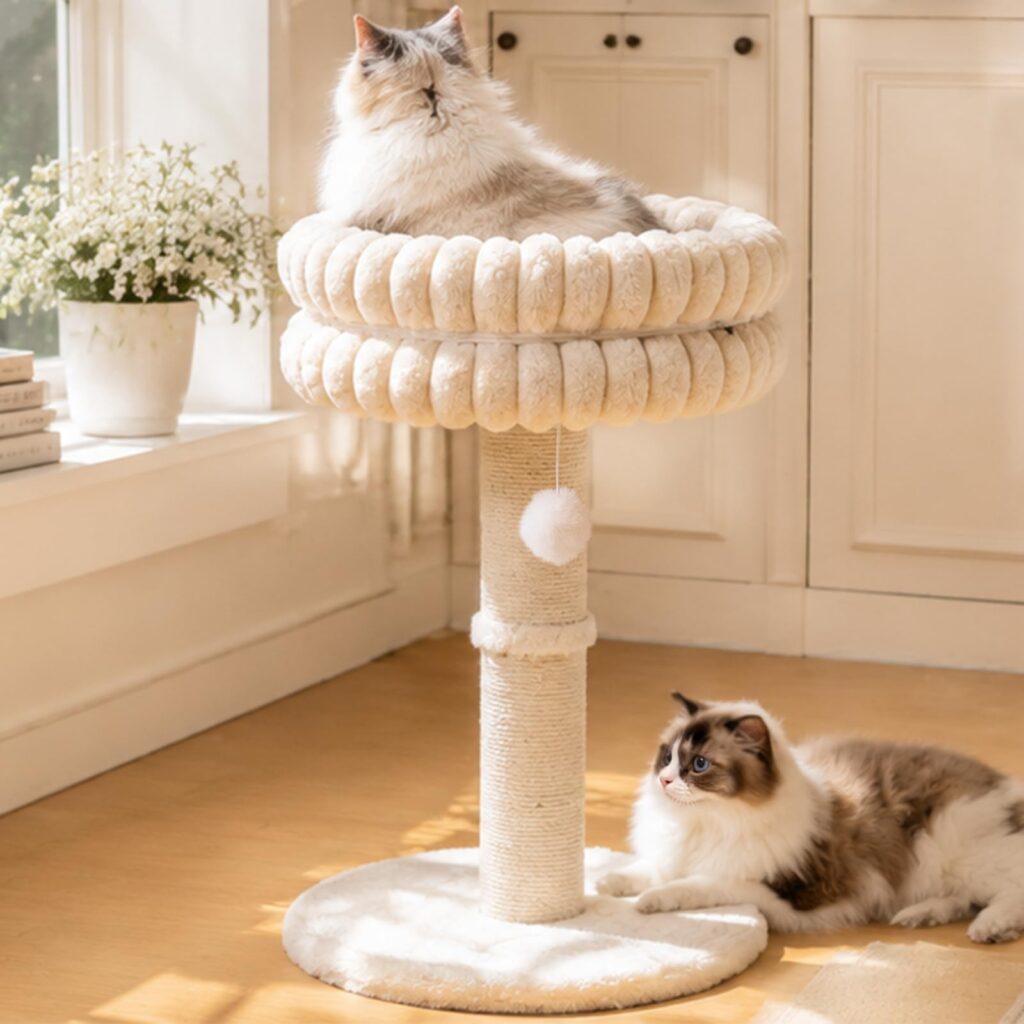
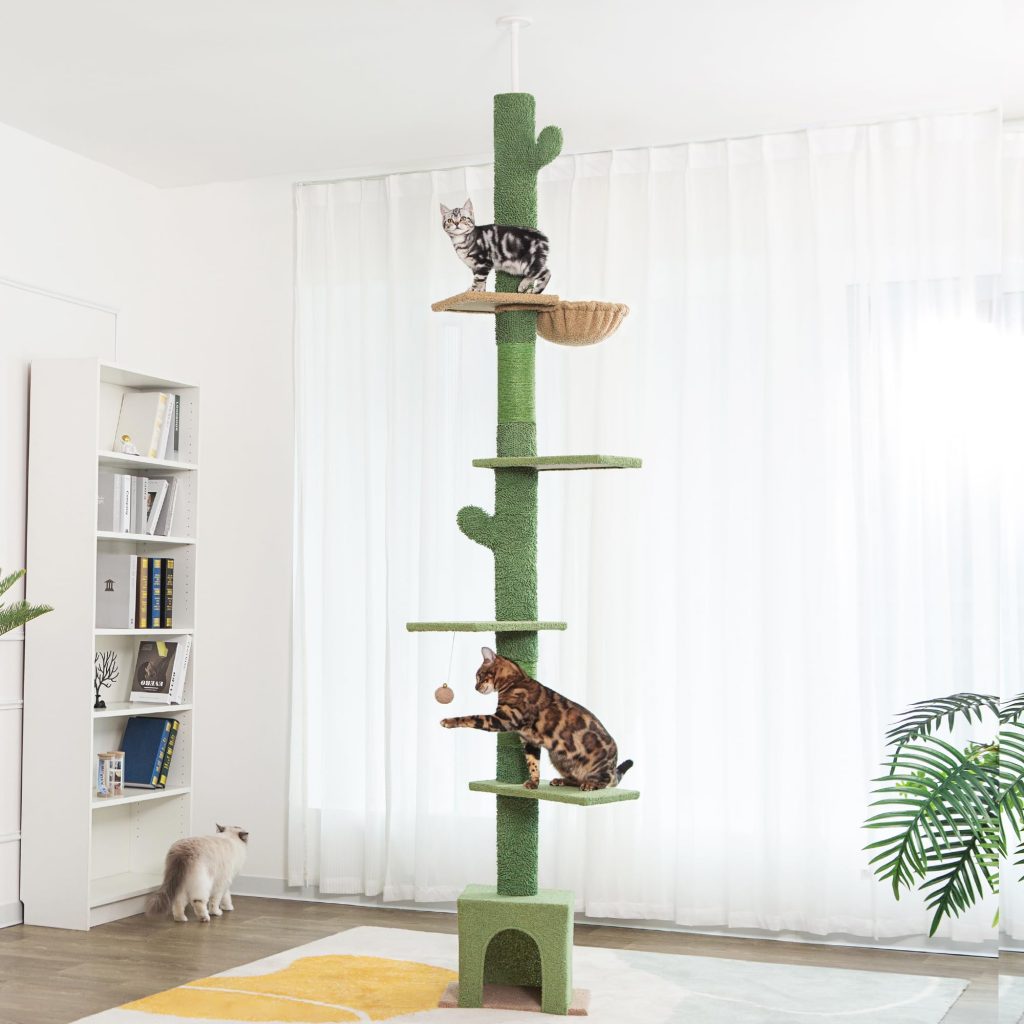
Environmental enrichment plays a significant role in the care of Ocicats. They thrive in a stimulating environment that encourages their natural behaviors. Provide a variety of scratching posts, climbing structures, and toys that mimic hunting activities. Interactive play sessions are essential; engage them with feather wands, laser pointers, or puzzle feeders that challenge their intellect and promote physical activity.
Social interaction cannot be overlooked; Ocicats flourish when they’re included in family activities. Ensure they have companions, whether human or animal, to mitigate stress and mitigate boredom, which can lead to behavioral problems. Regular visits from friends or other pets can contribute positively to their social well-being and reduce anxiety.
Lastly, monitoring their health through routine veterinary visits is paramount, as it aids in early detection of potential health issues. Keep vaccination records up to date, discuss dietary requirements specific to the breed, and adapt care strategies based on age and activity levels to promote a long, healthy life for your Ocicat.