This breed traces to the broader population of sturdy British domestic shorthairs that were present around ports, farms, and urban districts, where natural selection favored compact bodies, dense coats, and efficient hunting behavior in a cool, damp climate. In the late 19th century, selective breeding transformed these local cats into a recognizable pedigree type, with early fanciers deliberately choosing animals with round heads, substantial bone, and plush coats rather than the finer-built foreign shorthair types then becoming popular.
Its formal development is closely tied to Harrison Weir, who is credited with organizing the first cat show in London in 1871 and helping define a standard for the native British cat. Early show records describe blue-coated animals as particularly valued, partly because the blue-gray phenotype was common and visually striking under indoor gaslight. The breed population was not static; it was shaped by repeated outcrossing and later refinement, which explains why the modern cat combines a native landrace background with strong breed-specific selection.
Breed history was disrupted during both World Wars, when food shortages and population collapse reduced numbers dramatically. To preserve the type, breeders used controlled crosses with Persian, Russian Blue, and other domestic shorthair lines, then backcrossed toward the desired British phenotype. This recovery strategy increased genetic diversity in some lines while also influencing coat length, texture, and body mass, which is why pedigree cats can still vary in expression even within the same standard. The Persian contribution is one reason some individuals are now seen with a slightly longer coat or more pronounced roundness than earlier examples.
Genetically, the breed reflects intentional selection for a dense undercoat, broad chest, cobby body, and a calm, low-activity disposition that suited indoor life and controlled breeding programs. The heavy coat evolved for insulation, not for extreme heat tolerance, so heat stress can become a management issue in warm homes. Because this breed was built from a relatively narrow founder base and later rebuilt from limited survivors, some lines may show inherited tendencies that merit attention, including hypertrophic cardiomyopathy, polycystic kidney disease in lines with historical Persian influence, and obesity when food intake exceeds the breed’s lower-than-expected energy expenditure.
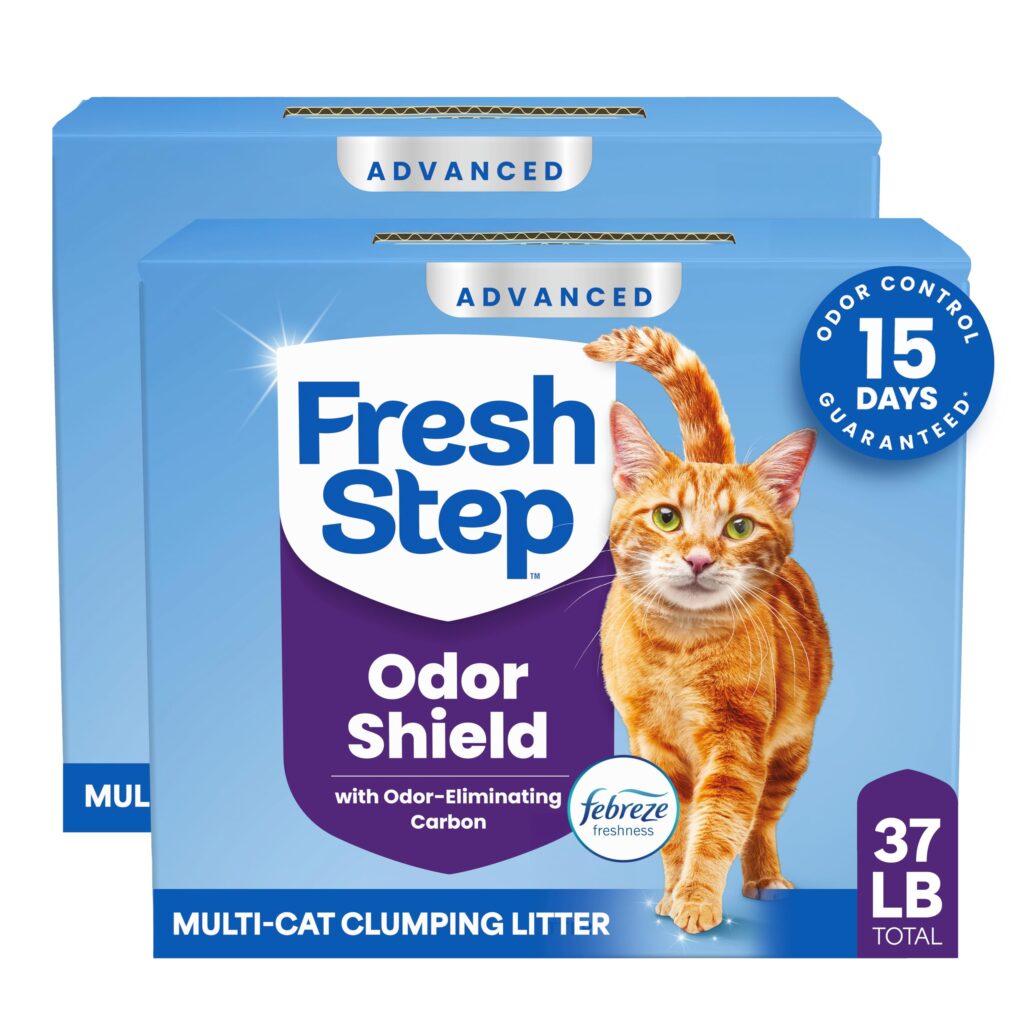
Fresh Step Odor Shield Multi Cat Clumping Cat Litter, 14 lb. | Febreze Freshness, Odor Shield with Ammonia Block Technology, Low Dust, Compatible with Most Automatic Litter Boxes
EUR 9.92 (as of October 3, 2026 19:10 GMT +00:00 - More infoProduct prices and availability are accurate as of the date/time indicated and are subject to change. Any price and availability information displayed on [relevant Amazon Site(s), as applicable] at the time of purchase will apply to the purchase of this product.)Behaviorally, the breed’s heritage as a working urban mouser explains why many individuals are observant, deliberate, and less inclined to constant climbing or frantic play than some lighter, more reactive breeds. That does not indicate low intelligence; rather, it reflects a style of problem-solving that’s often cautious and economy-based. Cats from strongly selected show lines may be especially tolerant of handling but can be less adaptive if early socialization was weak, because temperament refinement sometimes came at the expense of exposure to varied environments.
Breed history matters clinically because it predicts three management priorities: monitor body condition closely, avoid chronic overheating, and screen breeding stock for inherited disease when pedigree information suggests risk.
In practical terms, early-life handling and stable nutrition have a disproportionate effect on how the breed expresses its inherited temperament. Kittens reared with poor socialization may become reserved rather than aggressive; that reserve is often mistaken for aloofness when it is actually a predictable response to limited early exposure. Breeding programs that prioritize extreme roundness or oversized body type can also amplify orthopedic strain and grooming complications, so sound structure and moderate condition remain more functional than exaggerated show presence.
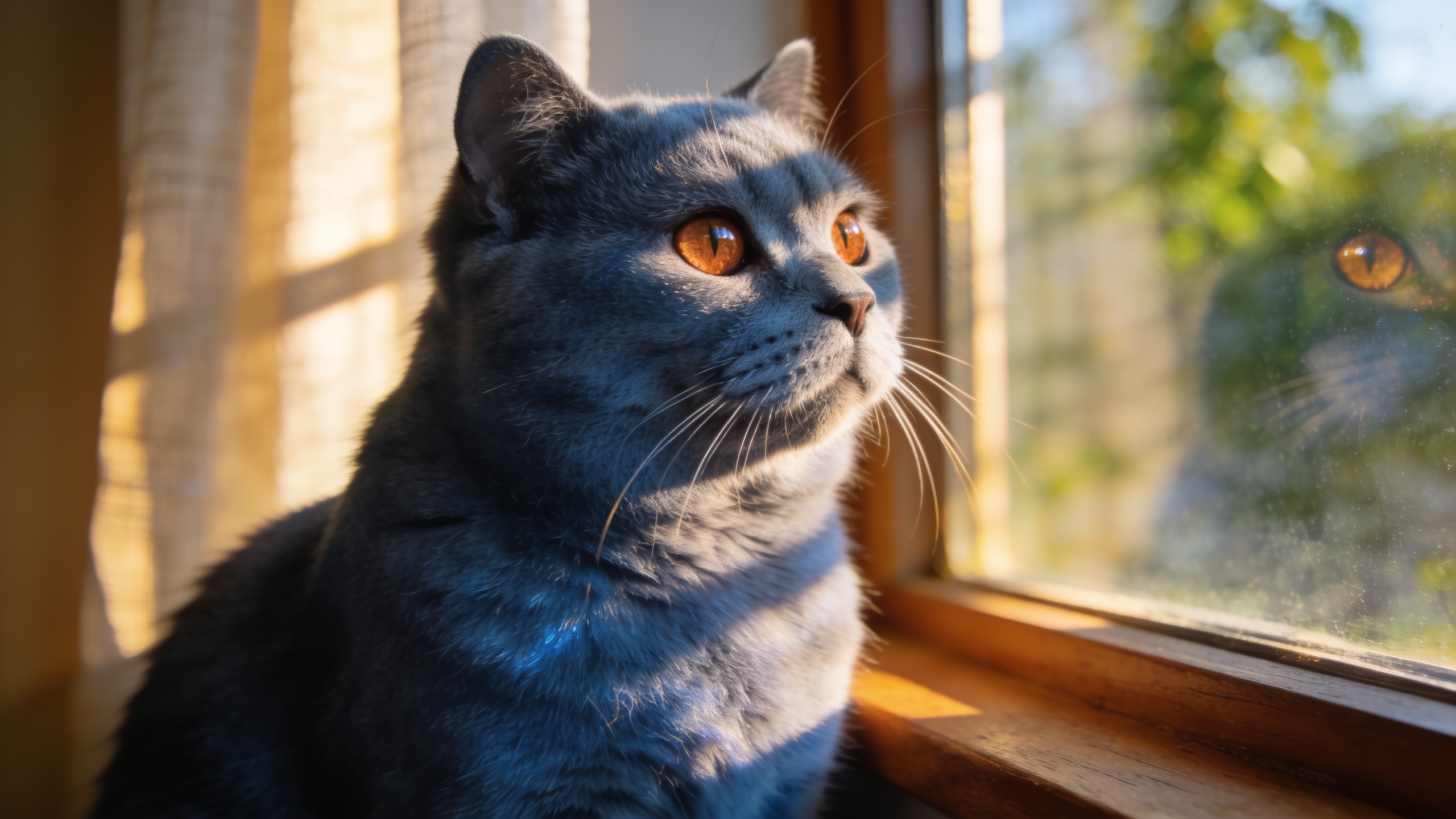
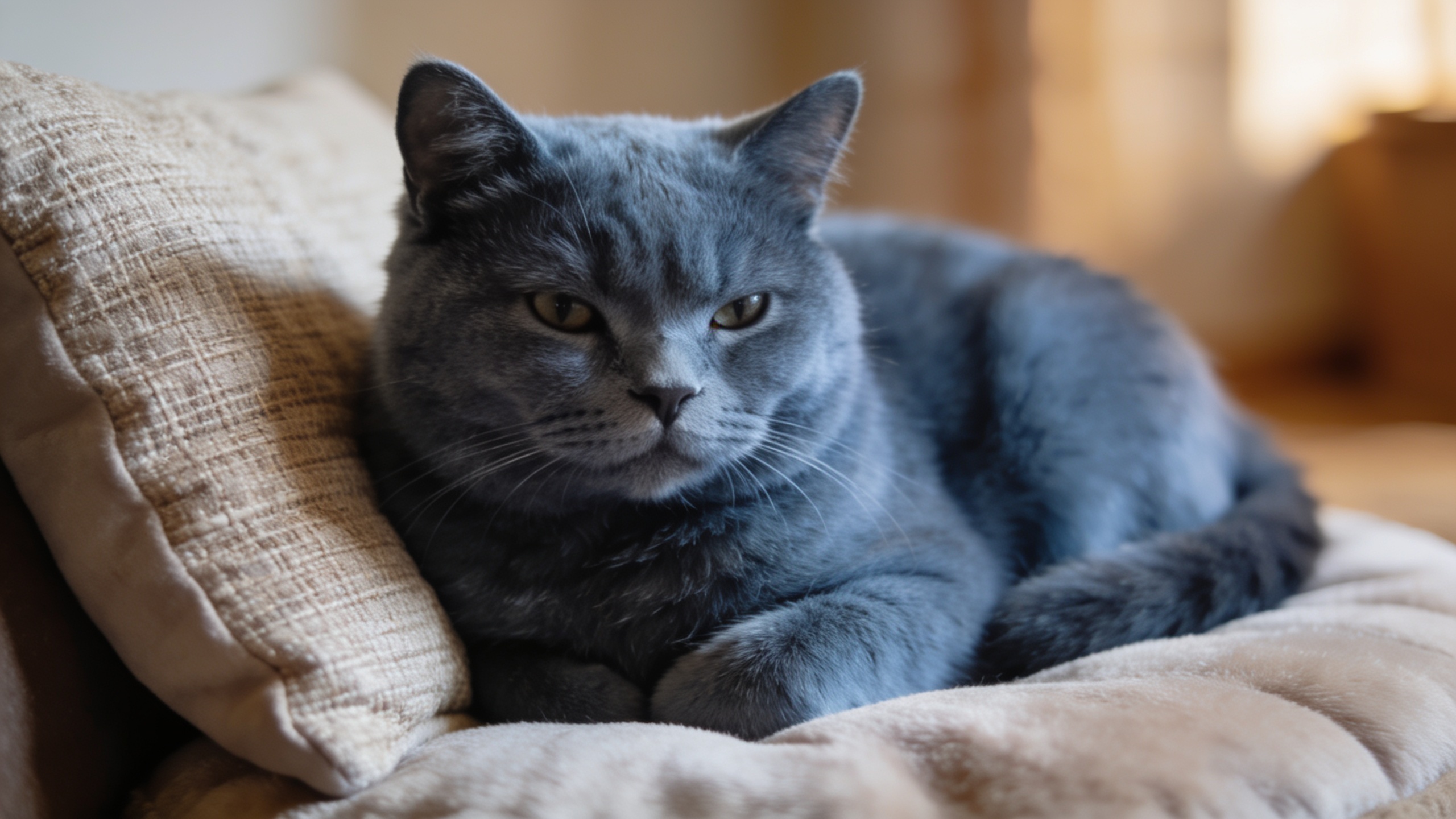
The breed’s outline is defined by a dense, powerful frame rather than the sleek silhouette seen in many other shorthairs. Adults typically carry a broad thorax, short to medium-length legs with heavy bone, and a thick neck that merges into a full chest, producing the characteristic “cobby” impression. This structure is not merely cosmetic; it reflects a lower center of gravity and a body built for steady movement rather than rapid sprinting or high vertical agility. Overselection for excessive mass, however, can blur the distinction between muscularity and adiposity, so palpation of the ribs and waist is more informative than visual bulk alone.
The head is generally large and rounded, with prominent cheek development that becomes especially obvious in mature males as the jowls widen with sex hormone influence. A short, broad muzzle, firm chin, and wide-set eyes contribute to the breed’s blunt expression. Because the muzzle is shorter than in many natural shorthairs, some individuals may have mild tear staining, saliva retention around the lips, or reduced efficiency in grooming the facial folds if the face is very full. The nose should not be pushed into a flat, brachycephalic configuration; an overly shortened nasal bridge increases the risk of airflow resistance and ocular irritation without improving the breed’s functional type.
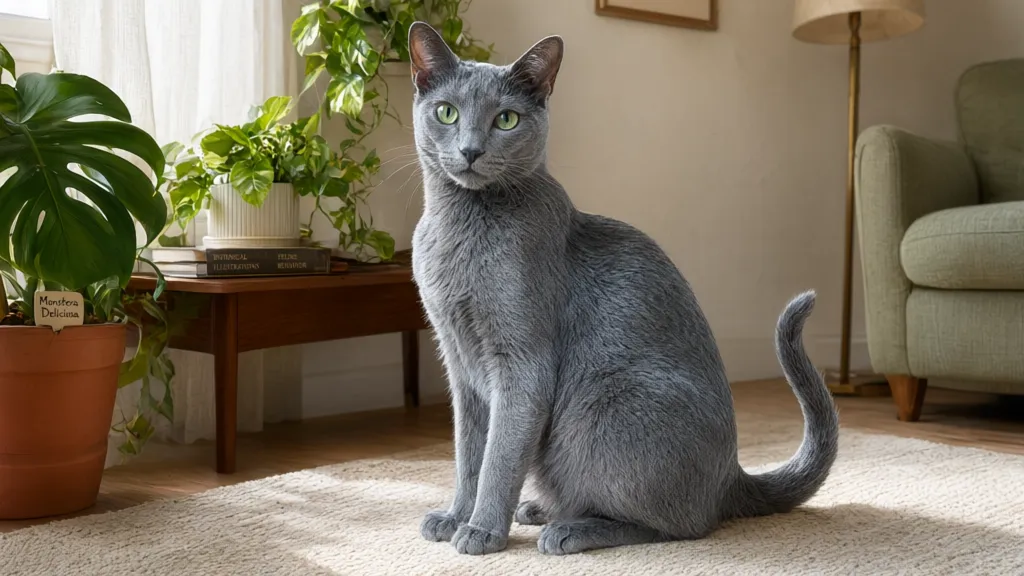
The coat is one of the most distinctive physical traits: short, very dense, and resilient, with a crisp outer texture over a substantial undercoat. The hairs stand away from the body, creating a plush, almost padded feel this is caused by high follicular density and fiber layering rather than true longhair length. Seasonal shedding can be significant, and because the undercoat is thick, loose hair may accumulate quickly if grooming is neglected. This coat does not mat easily under normal conditions, but static buildup, dietary imbalance, and reduced self-grooming in overweight cats can allow dead hair to pack into the coat and increase hair ingestion.
Eye color varies by coat color and genetic background, but the eyes are usually large, open, and widely spaced. In the classic blue-coated cat, deep copper to gold is preferred, while other color divisions may permit different eye shades. Eye shape should remain rounded without excessive protrusion; large, open eyes that are too prominent are more vulnerable to trauma, dryness, and chronic tearing. Ear size is relatively small and rounded at the tips, set wide apart to preserve the breed’s overall roundness. Ears that appear excessively large or high-set can make the head look finer than desired, while very low-set ears can exaggerate skull width but may also collect debris if the outer ear skin is folded into heavy head furnishings.
Sexual dimorphism is pronounced. Males are generally broader, heavier, and more muscular, with greater head width and fuller cheek padding. Females are usually more refined but should still remain substantial, never narrow or delicate in outline. Kittens often appear less massive than adults and may not fully express the adult coat texture or facial rounding until after the second year, so premature evaluation can underestimate both body type and final appearance. This breed matures slowly, and structural fullness often continues developing beyond the age when many other cats appear complete.
Observations that suggest the body is moving out of functional type include:
- ribs that cannot be palpated with light finger pressure because of excess fat rather than coat density
- a palpable abdominal fat pad that obscures the waist and limits grooming reach
- stiff hind-limb extension or reluctance to jump onto normal household surfaces
- frequent panting or open-mouth breathing after mild exertion, which can indicate overheating or cardiopulmonary limitation
- coat clumping near the rump, tail base, or shoulders from poor grooming access
Because the breed’s dense coat and compact mass can disguise poor condition, body assessment should include muscle tone over the shoulders and thighs, not just scale weight. A well-structured cat feels firm, balanced, and heavy for size without being coarse or overstuffed. In breeding evaluation, the best specimens maintain breadth and substance without sacrificing mobility, clear eyes, clean facial contours, and a coat that remains plush rather than greasy, brittle, or excessively woolly.