Cat-proofing begins with recognizing that most household injuries are not random accidents but predictable outcomes of feline anatomy and behavior. Cats are obligate climbers, skilled jumpers, and persistent explorers with narrow chests, flexible spines, and an intense tendency to investigate moving objects, dangling cords, warm enclosed spaces, and elevated edges. A hazard is anything that can be bitten, swallowed, tangled, toppled, climbed, scratched, burned, or used as a launch point into danger.
Kitchen and bathroom surfaces contain the highest density of risks because they combine toxins, sharp objects, water, heat, and attractants. String on a roast, plastic wrap, hair ties, dental floss, sewing thread, ribbon, and rubber bands can cause linear foreign bodies that saw through the intestinal wall as peristalsis tries to move them along. Small puncture-size objects such as needles, earrings, pill packets, bottle caps, and children’s toys are dangerous because cats often chew before swallowing, and even partial ingestion can obstruct the intestine or perforate tissue. Antifreeze, essential oils, many cleaning agents, acetaminophen, ibuprofen, lilies, sago palm, and certain rodenticides are especially high risk; ingestion may produce delayed signs, so a cat that only briefly contacts the substance still requires immediate attention.
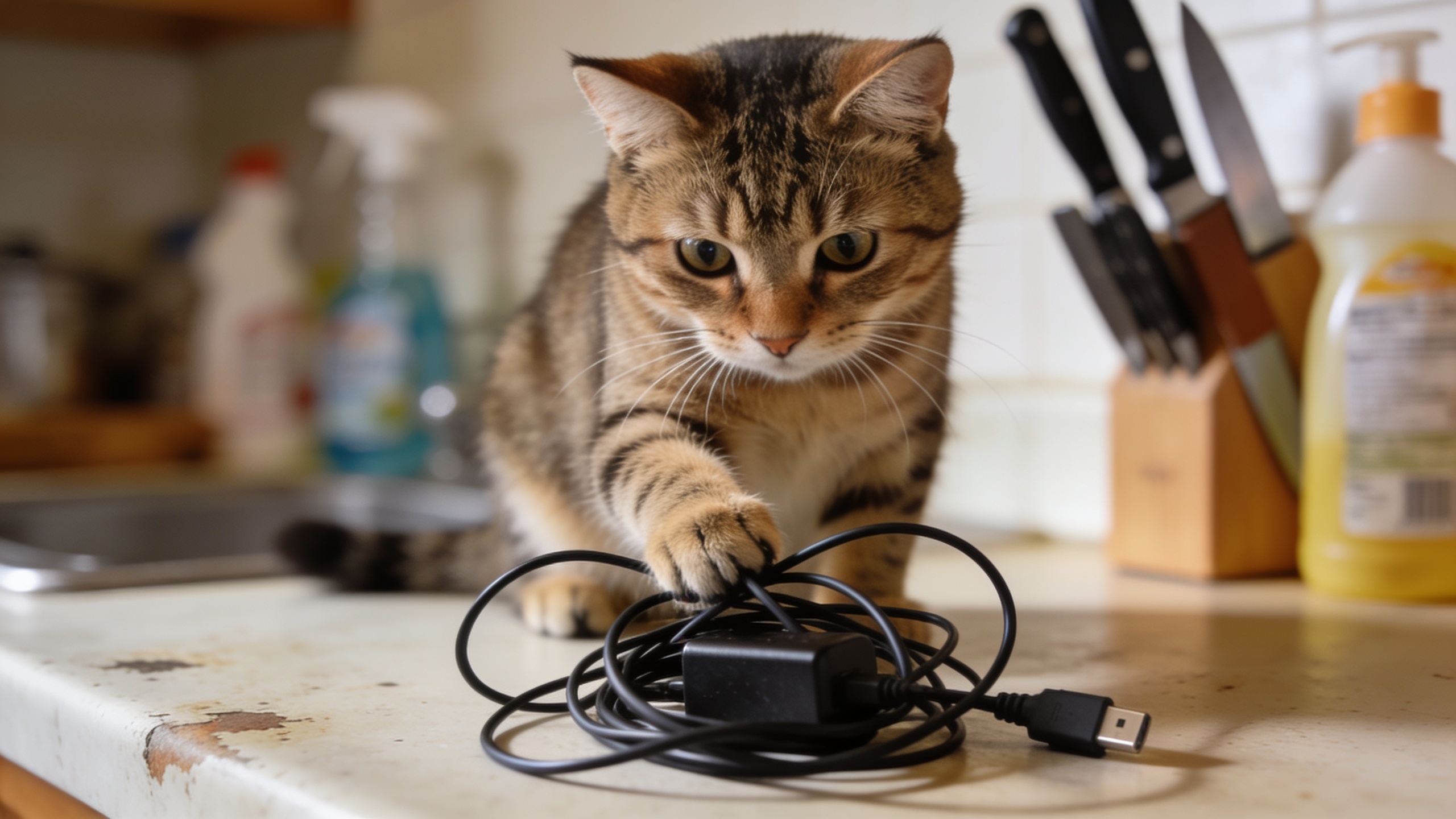
Electrical hazards are common because cords satisfy oral curiosity in kittens and stressed adults alike. Bite marks on cords, intermittent appliance failures, or a cat repeatedly returning to the same wire indicate a real electrocution and burn risk, not simple nuisance chewing. Curtain cords, blind loops, charging cables, and headphone cords can also entangle the neck or forelimbs, especially in younger cats with higher impulsivity and more rapid play escalation. Secure loose lengths, eliminate loops, and inspect for fraying, exposed copper, or warm plugs.
Furniture and home structure create trauma hazards when cats use unstable vertical pathways. Tall bookshelves, unsecured televisions, lightweight lamps, and stacked boxes can shift under a jump or scramble. Cats with hindlimb weakness, arthritis, obesity, or decreased vision misjudge distances and are more likely to fall or strike edges. Window screens, balcony railings, and open tilt windows are particularly dangerous because a cat may lose traction while pursuing prey movement or reacting to a sound; one unsuccessful leap can result in spinal injury or thoracic trauma.

Purina Tidy Cats Free and Clean Unscented Clumping Cat Litter, 38 lb Box | Activated charcoal delivers lasting odor control, made without fragrances or dye, clumping
EUR 23.10 (as of October 3, 2026 19:10 GMT +00:00 - More infoProduct prices and availability are accurate as of the date/time indicated and are subject to change. Any price and availability information displayed on [relevant Amazon Site(s), as applicable] at the time of purchase will apply to the purchase of this product.)Plants, potting media, and home decor are frequent hidden sources of gastrointestinal and neurologic illness. Cats often chew leaves, dig in soil, or bat down dried flowers because texture and movement trigger predatory engagement. The presence of moldy compost, fertilizer granules, cocoa mulch, decorative stones, and pot anchors adds ingestion and choking risks. Feather toys, wand toys, and holiday decorations become hazardous when broken down into strips, hooks, tinsel, needles, or foam fragments that are easily swallowed.
Watch for early warning signs that a household item is becoming a danger:
- Repeated chewing, licking, or pawing at one object or area
- Vomiting after access to string-like or plant material
- Drooling, pawing at the mouth, or sudden refusal to eat
- Hiding, agitation, or a sudden change in gait after a jump or fall
- Burn marks, coughing, weakness, tremors, or unsteady movement after chemical exposure
Hazard identification should be done at cat level, not human eye level. Anything reachable from a jump, climb, or pull should be treated as accessible, including shelf edges, countertop corners, open drawers, medicine cabinets, and trash bins. Cats do not need direct ownership of an object to be harmed by it; access lasting only seconds is enough for ingestion, entrapment, or injury.
A safe feline environment is built around territorial control, species-appropriate verticality, and predictable access to resources. Cats do not feel secure in open, high-traffic spaces where they must constantly monitor for approach from multiple directions; stress rises when escape routes are blocked or when resting sites are exposed. The goal is to create zones that reduce startle responses, limit conflict, and allow the cat to choose distance, height, and concealment without forcing isolation.
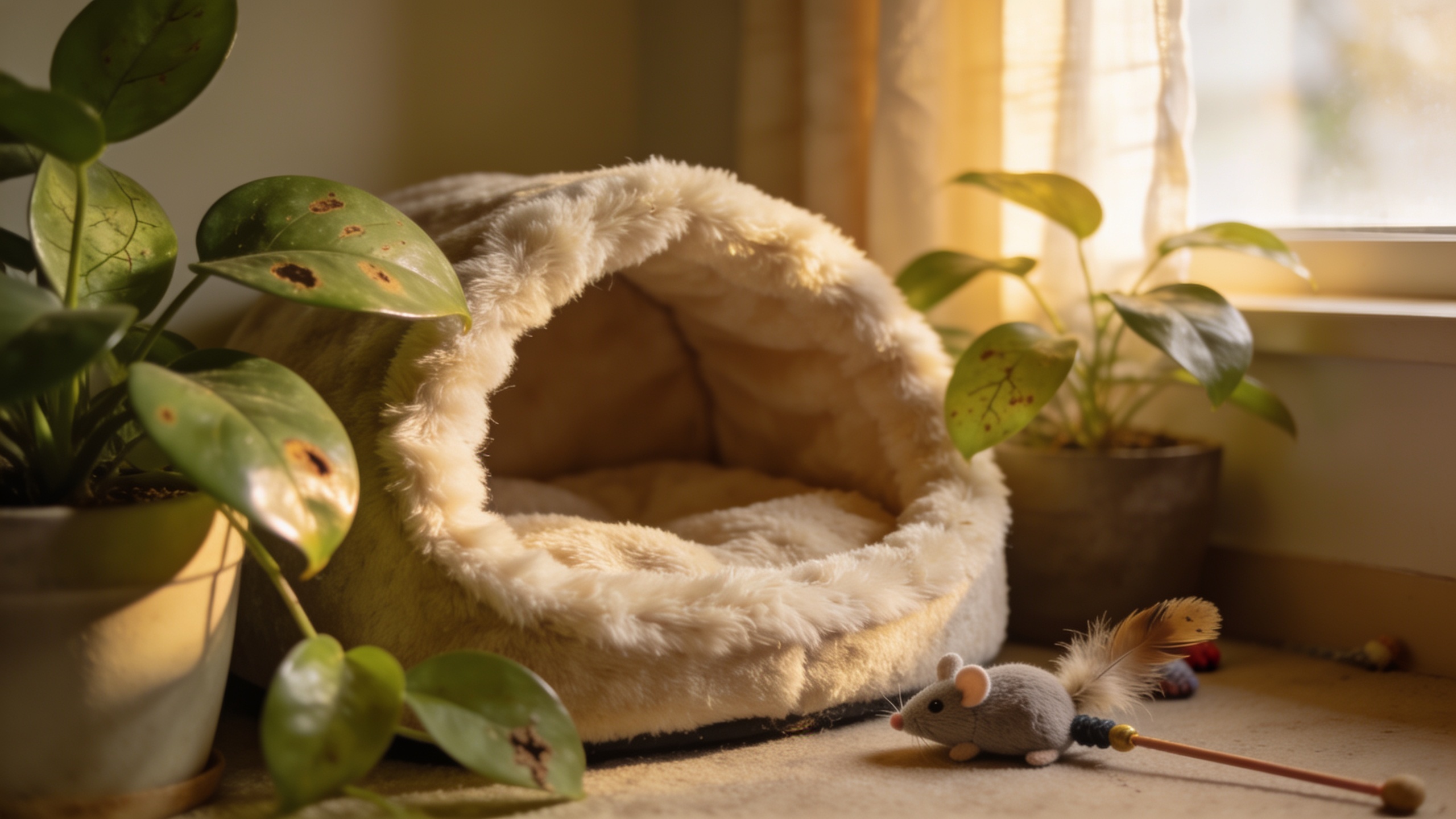
Each cat should have at least one low-stress resting area that is physically separated from loud appliances, entry doors, litter boxes, and food preparation zones. For older cats, kittens, arthritic cats, and brachycephalic breeds with reduced stamina, the resting site should require minimal jumping and offer stable footing. Orthopedic beds, fleece-lined boxes, hooded beds with a front opening, and shelf cubbies with non-slip surfaces work well because they reduce visual exposure while preserving easy entry and exit. Avoid deep, enclosed spaces with a single exit if the cat startles easily or has a history of conflict with other pets.
Vertical space must be designed as a functional escape network rather than decorative shelving. Cats feel safer when they can move between levels without touching the floor in high-arousal moments, so connect cat trees, window perches, furniture tops, and shelves into a route with predictable traction. Width matters: narrow ledges force micro-adjustments that worsen instability in kittens, obese cats, and seniors with vestibular disease or osteoarthritis. A perching surface should be wide enough for the cat to turn around without backing off an edge, and it should be anchored so that launch and landing do not create wobble that can trigger avoidance.
Resource placement has direct behavioral consequences. Food, water, litter, and resting areas should not compete for the same approach lane, because many cats will not eat or eliminate if they must pass another cat, a dog, or a high-traffic corridor to get there. In multi-cat homes, separate feeding stations and litter boxes by distance and visual barriers, not just by room count. A shy cat is more likely to use a box placed behind furniture or beside a wall than one centered in an exposed room; the cat is reducing vulnerability while eliminating. For cats with urinary disease, this matters because withholding urine under stress can aggravate cystitis and inappropriate elimination.
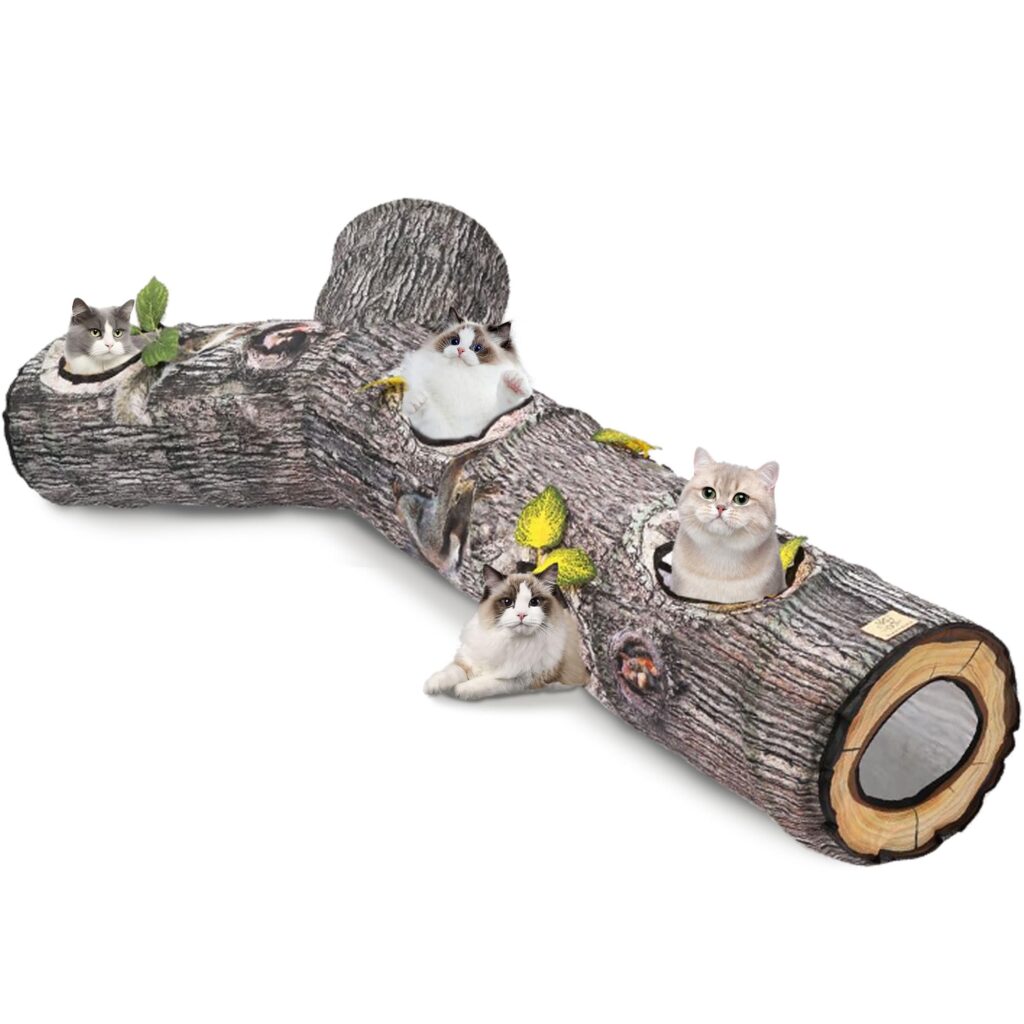
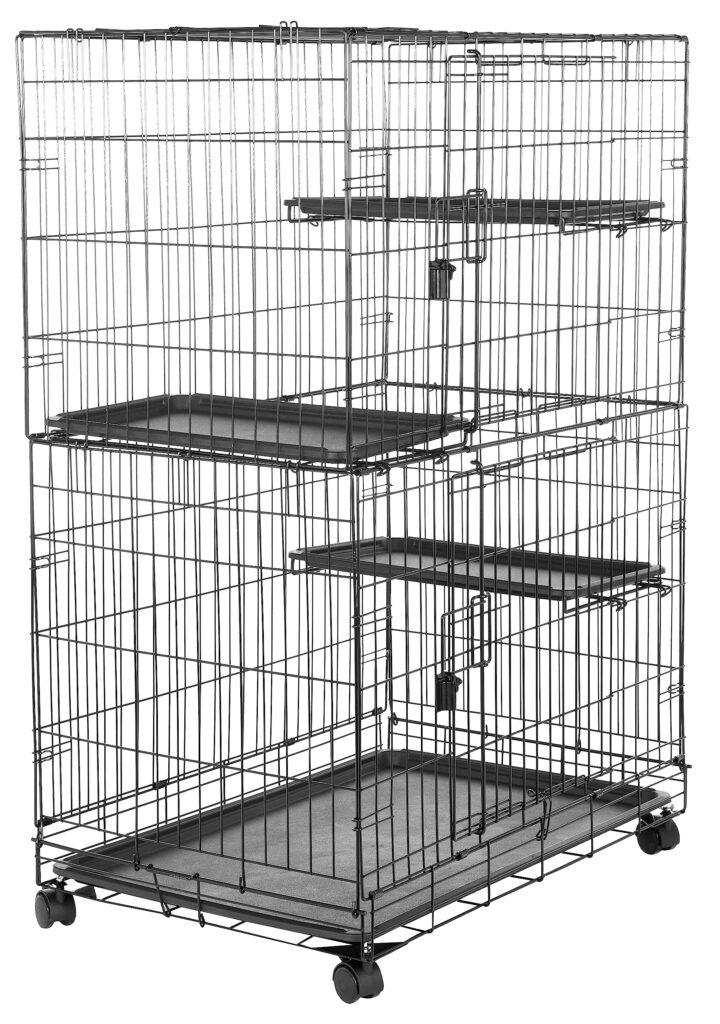
Hiding spaces should be accessible, ventilated, and escapable. Cardboard boxes with two exits, tunnel systems, and furniture with open backs provide concealment without trapping the cat in a corner. Closed carriers, under-bed voids with limited clearance, and storage furniture with one entry point can become ambush sites or entrapment hazards. If a cat is sick, painful, or newly introduced to the home, a low-stress room with litter, water, food, and hiding options should be established before unrestricted access is allowed; this prevents overwhelm and helps preserve appetite, hydration, and normal elimination patterns.
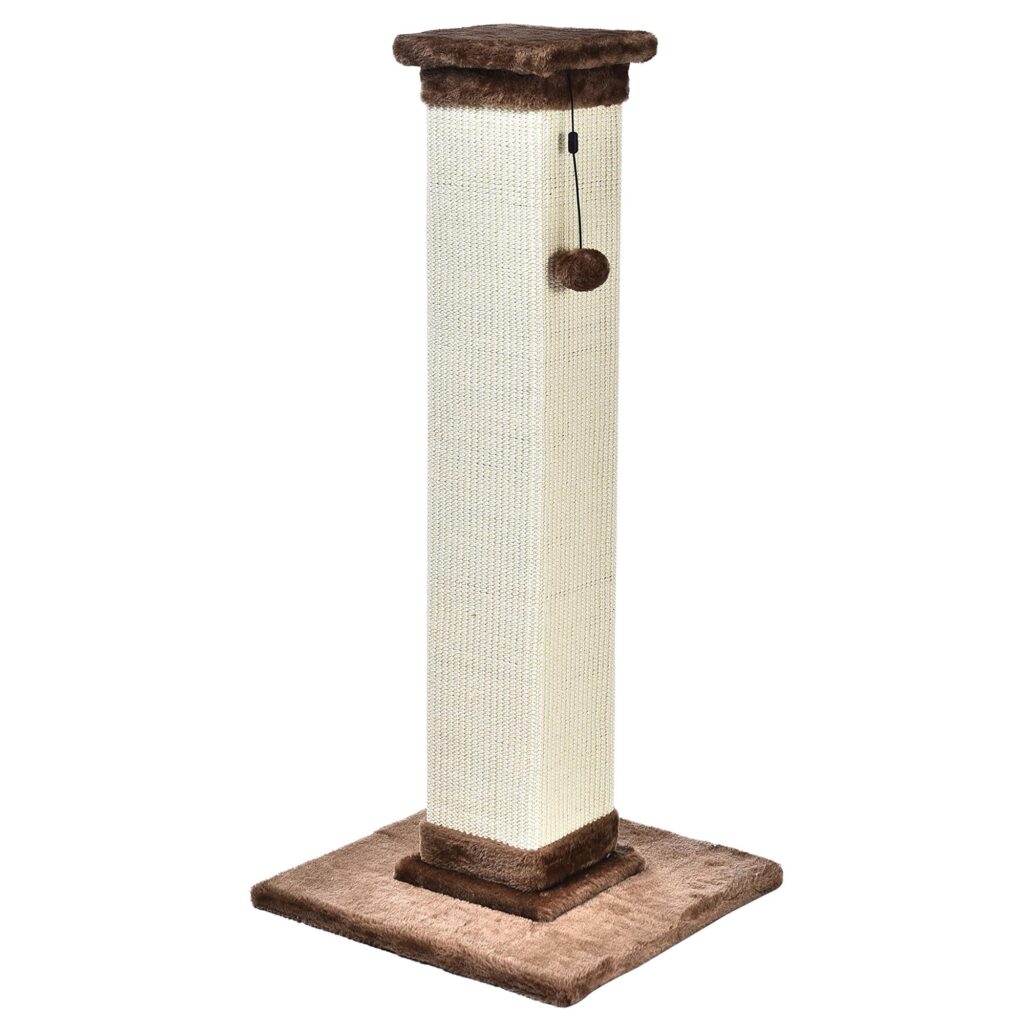
Environmental enrichment should lower stress without creating clutter that invites injury. Scratching posts need to be tall enough for full-body extension and sturdy enough not to tip, because a wobbly post can teach a cat to avoid stretching and can provoke defensive scratching elsewhere. Place posts at sleep-wake transition points and near entrances to primary resting zones, since scratching is often used to mark territory and reset muscle tone after rest. Rotate toys instead of leaving fragile items scattered on the floor; toy variety reduces frustration, but loose strings, springs, and batting toys with detachable parts should be removed when unsupervised.
Use these placement rules to build safer zones:
- Provide one secure retreat per cat, plus one extra in multi-cat homes
- Keep at least one water source away from food and litter contamination zones
- Maintain non-slip surfaces on perches, ramps, and stair transitions
- Choose resting sites with multiple exit paths whenever possible
- Anchor all tall furniture and cat trees to prevent tip-over injury
Observe how the cat actually uses the home. A cat that sleeps under beds, hesitates at thresholds, guards the hallway, or changes routes when another pet appears is telling you the environment is too exposed or competitive. A cat that repeatedly chooses high shelves, laundry baskets, sink basins, or closet corners is selecting enclosure, warmth, elevation, or reduced visual load. Safe spaces should be adjusted to those preferences rather than forcing the cat into a layout that looks tidy but functions poorly from a feline sensory perspective.