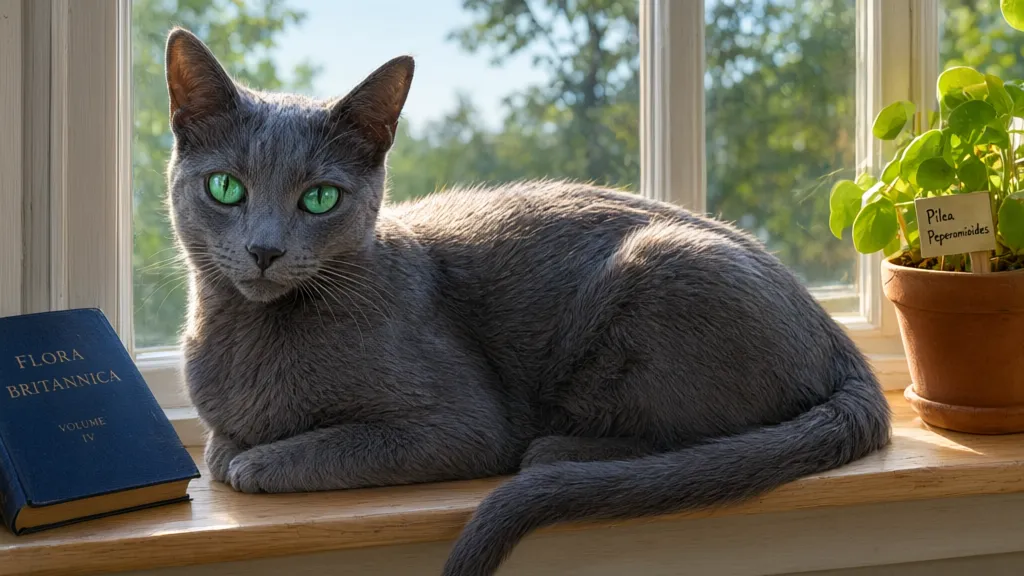
The feline visual system is a complex interplay of anatomical structures designed to optimize vision in various lighting conditions. Cats possess a unique eye structure that differentiates them from humans, primarily featuring a larger cornea and a pupil that can dilate and constrict significantly, allowing for increased light intake during low-light scenarios. This anatomical adaptation is important for their predatory lifestyle, which often involves hunting during dawn and dusk.
Within the eye, the presence of a higher proportion of rod cells compared to cone cells plays a pivotal role in a cat’s visual capability. Rod cells are responsible for detecting light and motion, while cone cells are essential for color perception. Cats have approximately six to eight times as many rod cells as humans, enhancing their ability to see in dimly lit environments. In contrast, their cone cells, tasked with color discrimination, are limited in variety, primarily tuned to detect blue and green wavelengths, which affects their overall color vision significantly.
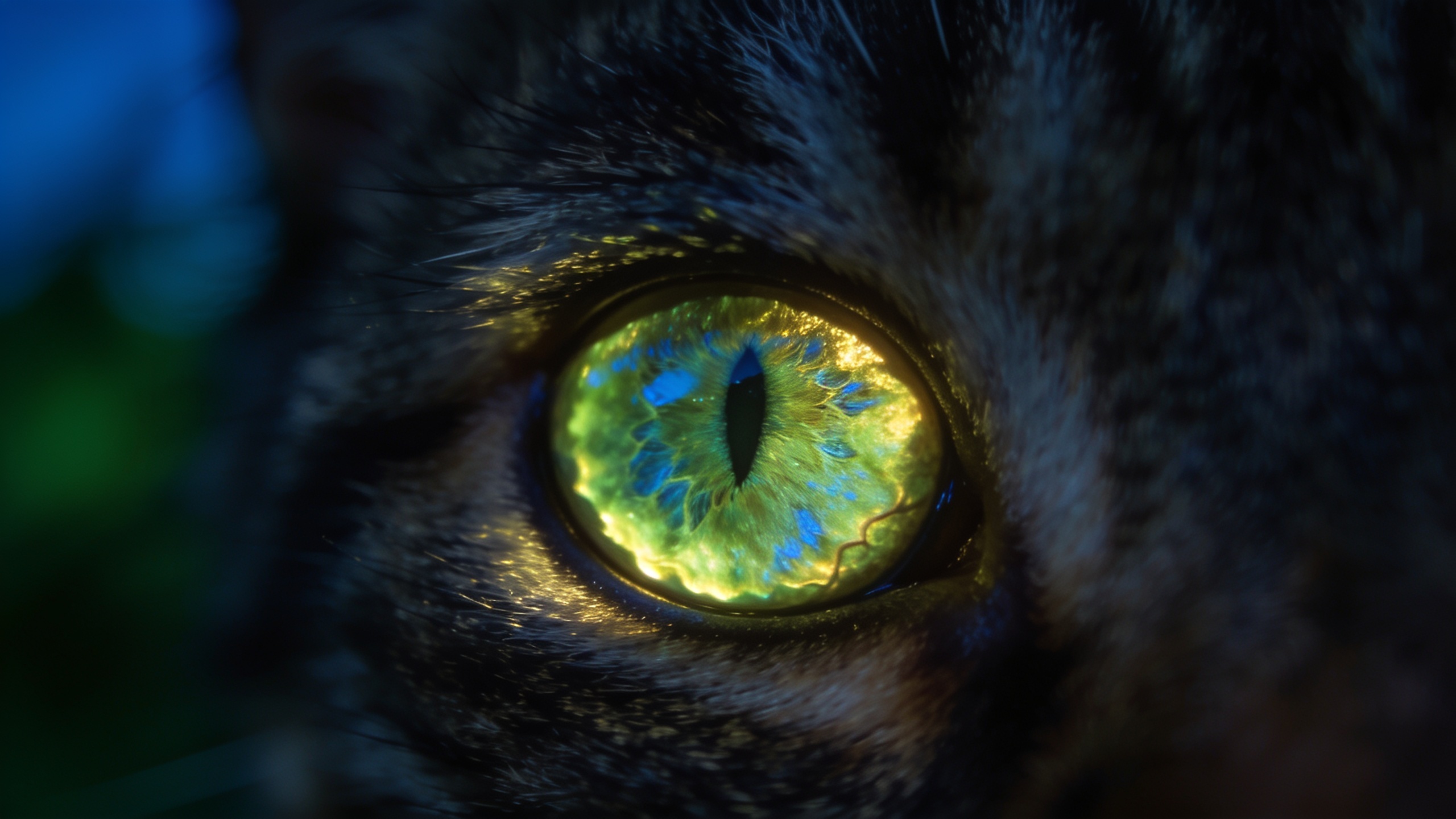
The tapetum lucidum, a reflective layer behind the retina, further enhances night vision by reflecting light that passes through the retina back into the eye, allowing it to be detected again by the photoreceptors. This adaptation not only increases visual sensitivity in low-light conditions but also results in the eye’s characteristic “glow” at night. However, this increased sensitivity comes with trade-offs, as excessive light exposure can lead to discomfort, necessitating environments with adjustable lighting for optimal welfare.
Examining the eye’s structure, the sclera is relatively thin compared to other mammals, which, alongside a flexible lens, allows for rapid focusing on moving objects, an important factor during hunting. The positioning of the eyes also contributes to their visual field, with a wider field of view (approximately 200 degrees) compared to humans. However, this comes at the cost of depth perception, which is compensated by their excellent motion detection capabilities.

Sheba Perfect Portions Pate Wet Cat Food, Seafood Variety, 2.6 oz, 24 ct | Salmon, Seafood & Whitefish and Tuna, grain-free, protein-rich, no fillers/artificial flavors, 48 servings, twin-pack trays
EUR 24.02 (as of September 19, 2026 09:11 GMT +00:00 - More infoProduct prices and availability are accurate as of the date/time indicated and are subject to change. Any price and availability information displayed on [relevant Amazon Site(s), as applicable] at the time of purchase will apply to the purchase of this product.)Feline anatomy also includes specialized muscles surrounding the eye, enabling swift eye movement and tracking of prey. These muscles are pivotal during short bursts of speed in predation scenarios, allowing for acute focus on fast-moving objects. Moreover, the brain’s visual cortex is proportionally larger in cats than in some other animals, illustrating the importance of visual processing in their survival and hunting strategies.
Recognizing potential visual impairment is critical; signs such as hesitance to jump, reluctance to engage in play, or excessive blinking can indicate underlying issues. Regular veterinary check-ups should include ocular examinations, as conditions like cataracts, retinal degeneration, or glaucoma can significantly impact a cat’s well-being and behavior. Early detection and intervention are essential for preserving a cat’s vision and overall quality of life.
The Color Spectrum of Cat Vision
Cats perceive color differently than humans due to their distinct cone cell composition. They have only two types of cone cells, as opposed to humans, who possess three. This limitation primarily affects their ability to see colors in the red spectrum. As a result, cats find it challenging to differentiate between red and pink hues, often perceiving them as shades of gray or dark colors. Conversely, they have a heightened perception of blue and green, allowing them to distinguish these colors more effectively. This differential color perception is rooted in their evolutionary adaptations as crepuscular hunters, aiding in their ability to spot prey in specific lighting conditions.
The reduced color discrimination does not detract from their hunting skills; rather, it allows for enhanced sensitivity to motion and contrast against natural backgrounds. Research suggests that cats can see the world primarily in shades of blue, green, and gray, which are more prevalent in their environment. This adaptation underscores their innate predatory behaviors, enabling them to blend into various habitats where these colors dominate.
Moreover, cats experience a phenomenon known as “color constancy,” which enables them to recognize familiar objects and prey despite changes in lighting conditions. For example, a familiar toy will maintain its perceived color, enabling the cat to identify it even under different lighting, aiding their interaction with the environment.
Environmental factors play an essential role in how cats use their color perception. In conditions with lower light or increased saturation of certain colors, a cat may rely more on motion detection and contrast rather than color differentiation. This reliance is critical in hunting scenarios where agility and acute focus on movement are paramount. That’s particularly true as they chase prey that may use rapid directional changes to escape predation.
Understanding a cat’s color vision can inform owners about their preferences and behavior regarding toys and environmental enrichment. For example, toys that are predominantly blue or green may elicit more interest, whereas red or pink items may be less engaging. While selecting these items, ensuring they incorporate textures that stimulate other senses can enhance play and hunting-like behaviors, reflecting their instinctual tendencies.
Additionally, it is crucial for cat owners to be aware that while cats may not experience the full spectrum of colors as humans do, their visual capabilities are designed to support their ecological niche. Observing how a cat interacts with objects in their environment can provide insight into their comfort levels and encourage healthier, more active lifestyles through enriched play experiences tailored to their unique vision spectrum.
Night Vision Capabilities
Cats exhibit remarkable night vision capabilities, primarily due to the anatomical and physiological characteristics of their eyes. The abundance of rod cells, coupled with the tapetum lucidum, allows felines to function effectively in low-light conditions. This adaptation is essential for their hunting practices, which predominantly occur during twilight when natural light is diminished.
The rod cells found in a cat’s retina are particularly sensitive to light, enabling them to detect movements and shapes with greater efficiency in near darkness. Studies indicate that cats can see in light levels that are five to six times lower than what humans can perceive, highlighting their evolutionary advantage as nocturnal hunters. Their eyes can use approximately one-sixth the amount of light required for human vision, allowing them to navigate and hunt in dim environments.
Moreover, the tapetum lucidum enhances this capability by reflecting incoming light back through the retina. This reflective layer doesn’t merely double light capture; it permits cats to perceive detailed movement even when visibility is severely compromised, providing a competitive edge in predation. However, the increased reliance on low light does imply that cats can experience a temporary disorientation if suddenly exposed to bright lights, necessitating gradual illumination adjustments in their environment.
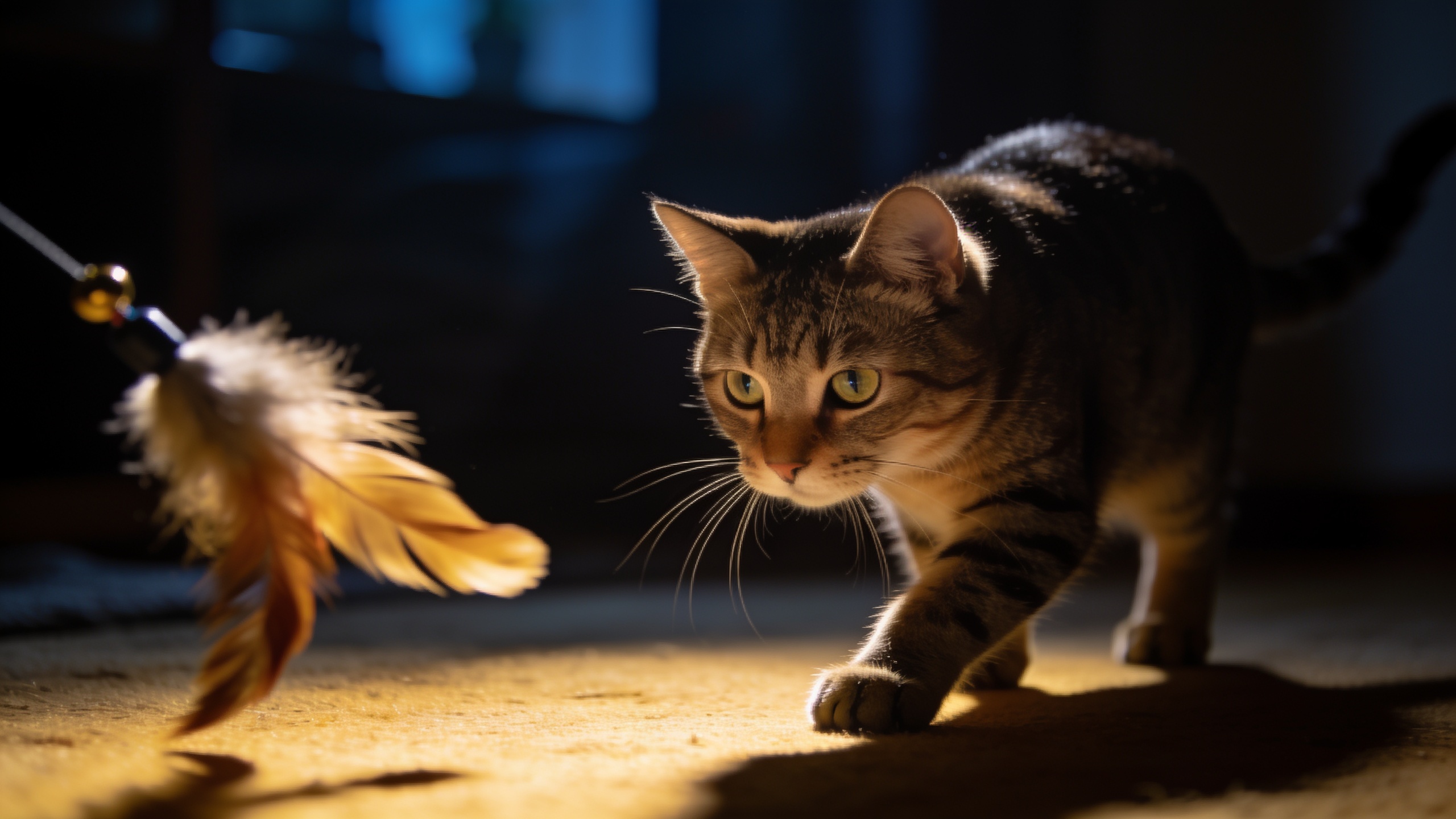
Behaviorally, the superior night vision contributes to their instinctual tendencies. When investigating dimly lit areas or during the peak times for hunting, cats exhibit heightened alertness and more pronounced predatory behaviors. Owners might observe enhanced stalking and pouncing actions in low-light settings, aligning with their natural instincts. Additionally, it especially important for cat owners to monitor their pets for signs of visual impairment, as changes in night vision can indicate medical concerns such as retinal abnormalities or progressive retinal atrophy.
Age also plays a pivotal role in night vision capabilities. As cats mature, the integrity of their retinal cells may decline, leading to responses that may seem unusual. Notably, senior cats might show hesitance to navigate in low light or struggle to engage in typical predatory behavior. Veterinary assessment can be instrumental in diagnosing and managing these age-related visual challenges, ensuring that the cat maintains an optimal quality of life.
For optimal feline welfare, the environment should accommodate their night vision. Low-level, adjustable lighting can be beneficial, especially in spaces where cats spend the most time. Providing enrichment that considers their visual preference—like toys that create movement patterns or contrast against backgrounds—can engage their innate predatory instincts while accommodating their visual strengths. Regularly assessing the home environment for obstacles in low light and creating pathways can reduce the risk of injury associated with decreased visibility.
Behavioral Implications of Cat Vision
Feline behavior is deeply influenced by their unique visual capabilities, impacting various aspects of their lives, including hunting strategies, social interactions, and environmental navigation. The heightened sensitivity to movement and contrast enables cats to track prey effectively, even in challenging light conditions. This adaptability is reflected in their predatory behavior; when observing a moving target, cats will often exhibit a crouching stance, a preparation for a pounce this is instinctively linked to their vision-driven hunting style.
In conjunction with their visual acuity, a cat’s behavioral responses are also shaped by their understanding of spatial dimensions. Although cats have an extensive visual field, the depth perception is compromised due to the forward-facing orientation of their eyes. This leads to a reliance on movement cues to judge distances when hunting or navigating their environment. Consequently, owners may notice that cats approach potential prey or engaging toys by making calculated movements before committing to an action, demonstrating their reliance on visual cues for complex coordination.
Age-related changes in a cat’s vision can lead to significant shifts in their behavior. Senior cats often exhibit altered reactions to visual stimuli; they may display hesitance in jumping, slower movements, or reluctance to engage in activities that were once commonplace. These behavioral modifications can often be misinterpreted as laziness or disinterest, but they are more accurately indicative of declining visual capabilities. Understanding this progression is critical for owners to accommodate the needs of aging cats, ensuring environments remain safe and accessible.
Environmental enrichments that leverage a cat’s visual strengths can enhance their overall wellbeing. Toys that move erratically or create contrasts in color and texture stimulate their hunting instincts, while maintaining physical and mental engagement. Observing which types of visual stimuli provoke excitement or curiosity can guide owners in tailoring playtime to better align with their cat’s natural behaviors. It’s also beneficial to provide hiding spots that offer vantage points for observing their surroundings, as this not only aligns with their predatory nature but also supports their need for environmental security.
Social interactions among cats are likewise influenced by visual perception. Cats communicate non-verbally through body language, which is often predicated on visual cues. Ears positioned forward may indicate interest or engagement, while sideways or backward-facing ears can signal distress or aggression, which can easily be misread if not understood. The ability to read these subtle changes is essential for preventing conflicts, especially in multi-cat households. Moreover, observing a cat’s body language in conjunction with its visual responses during interactions can reveal underlying behavioral patterns, important for promoting harmony among feline companions.
Recognizing the behavioral implications of how cats perceive their environment allows pet owners and veterinary professionals to foster better welfare practices tailored to their specific visual and behavioral needs. Creating spaces that cater to these instincts can significantly enhance a cat’s quality of life, reducing stress and boosting overall comfort in both familiar and new environments.