The Highlander cat breed, known for its distinctive appearance and unique genetic traits, traces its origins to selective breeding programs initiated in the late 1990s. Specifically, the breed emerged primarily in the United States, reflecting the influence of Scottish Fold genetics, characterized by its rounded skull and folded ears, combined with the feral American Wildcat. Breeders sought to enhance the feline’s physical attributes while ensuring a robust health profile, which was fundamental to their goal of creating a stable breed. The combination of these traits resulted in the Highlander’s notable curvy, muscular physique along with its unique polydactyl feature in some lines, allowing for a diverse gene pool that contributes to the breed’s adaptability.
This breed was officially recognized by The International Cat Association (TICA) in 2008, a milestone that established its legitimacy and paved the way for broader popularity and breeding standardization. This recognition coincided with the growing interest in unique and exotic cat breeds among pet enthusiasts. The Highlander quickly gained attention for its engaging physical traits, particularly its large, expressive eyes, and powerful build, yet it retains a genetic predisposition toward health issues common in associated breeds, necessitating careful breeding practices.
Polydactylism, a prominent feature in Highlanders, results from specific genetic mutations affecting the development of mesenchymal cells which influence digit formation. This can lead to variations in paw structure, thereby requiring enhanced monitoring of paw health and functionality, particularly at early developmental stages. Some breeders selectively promote this trait, resulting in populations where polydactyl cats become more prevalent; however, this requires a balanced approach to prevent potential complications associated with excessive digital growth, such as mobility issues or skin infections.
In evaluating the Highlander’s lineage, its foundation reflects cross-breeding practices aimed at augmenting the cat’s physical and temperamental attributes, while maintaining genetic diversity. Breeders carefully monitor lineage to minimize the risk of hereditary health issues, particularly those linked to skeletal and cardiac conditions. Consequently, the history of the Highlander cat is not merely a chronicle of appearance; it embodies ongoing efforts to balance aesthetic goals with ethical breeding practices and health considerations.

Fresh Step Odor Shield Multi Cat Clumping Cat Litter, 14 lb. | Febreze Freshness, Odor Shield with Ammonia Block Technology, Low Dust, Compatible with Most Automatic Litter Boxes
EUR 8.36 (as of September 23, 2026 14:31 GMT +00:00 - More infoProduct prices and availability are accurate as of the date/time indicated and are subject to change. Any price and availability information displayed on [relevant Amazon Site(s), as applicable] at the time of purchase will apply to the purchase of this product.)As this breed continues to evolve, breeders emphasize maintaining a commitment to genetic health, necessitating a structured breeding setup that values the genetic variability necessary for long-term vitality. The overarching goal is to cultivate Highlanders that not only present their signature characteristics but also exemplify overall wellness and behavioral stability, making them suitable companions in various home environments. This vigilant approach to breeding serves as a model for responsible practices in cultivating any cat breed, underscoring the importance of integrity in feline genetics and welfare.
Physical characteristics
The Highlander cat breed is distinguished by its robust and muscular physical characteristics, which result from a combination of genetic influences and careful selective breeding. The breed typically exhibits a strong, well-defined musculature, accentuated by a broad chest and solid bone structure, giving it an overall substantial appearance. The body length can vary, but it tends to be medium to large in size, with a length that often exceeds typical feline proportions due to their heritage, which includes influence from the American Wildcat.
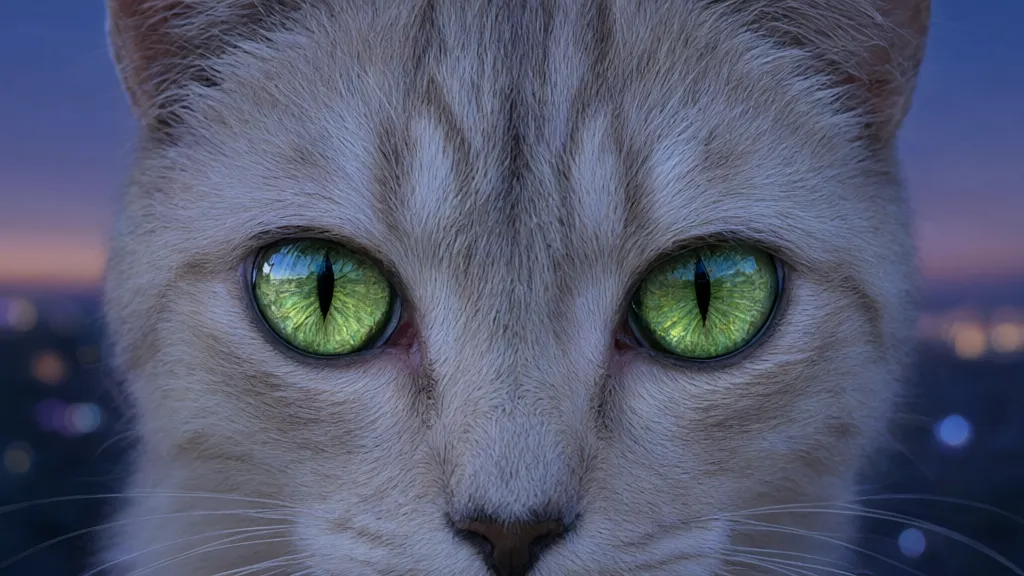
One of the most iconic features of the Highlander is its head shape, which is characterized by a rounded skull and a wide muzzle. This distinct cranial structure allows for a pronounced expression, complemented by large, expressive eyes that range in color, often showcasing striking hues. The ears are noteworthy as well; Highlanders can possess curled or folded ears reminiscent of the Scottish Fold, while others may have upright ears. This variance is a direct outcome of selective breeding aimed at promoting certain traits over others, which is vital for maintaining the breed’s diverse characteristics.
Another prominent characteristic of the Highlander is the occurrence of polydactylism, presenting as an extra toe on each paw in some individuals. This trait arises from mutations in specific genes and can influence both aesthetic appeal and functional capacity. While these cats can exhibit improved dexterity and agility due to their additional toes, it’s essential to monitor their paws closely for any potential hygiene issues or discomfort that may arise from this feature, as extra digits can lead to irregularities in foot formation and subsequent mobility challenges.
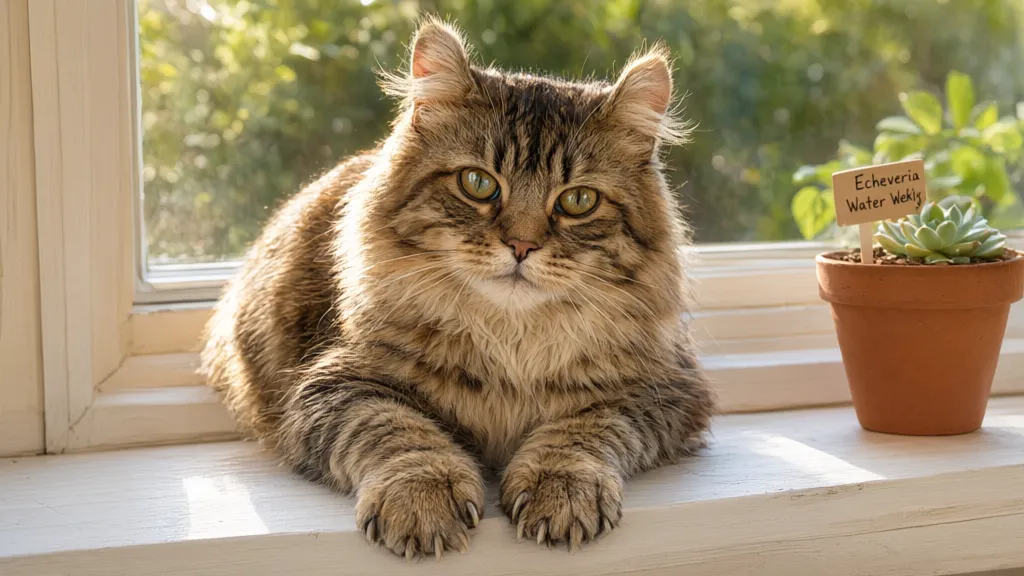
The coat of a Highlander is typically medium to long, with a variety of textures and patterns available, including tabby, solid, and spotted variations. The fur often has a dense undercoat that provides insulation, which is particularly advantageous for maintaining body heat in colder climates. Grooming is an important aspect of care for Highlanders due to their coat type; regular brushing is necessary to prevent matting and to manage shedding, especially during seasonal changes.
In terms of colors, the Highlander breed showcases a wide palette ranging from classic shades of brown and cream to more exotic hues like blue and lilac, largely due to the mixed genetic background of its lineage. This genetic diversity not only contributes to the breed’s aesthetic allure but also enhances its resilience to breed-specific health challenges. Attention to these physical characteristics is essential for breeders and owners, as they play an important role in determining the overall health, functionality, and adaptability of the Highlander as a companion animal.
Temperament and behavior
The Highlander cat breed exhibits a temperament influenced by its genetic makeup and selective breeding practices. Characterized by high intelligence and a playful demeanor, these cats are often noted for their adaptability to various environments, which is essential in multi-pet households. Their sociable nature leads to strong bonds with their human companions, fostering affectionate interactions that are crucial for emotional well-being. Positive reinforcement training techniques are particularly effective, as Highlanders respond well to engagement and stimulation, reinforcing desirable behaviors.
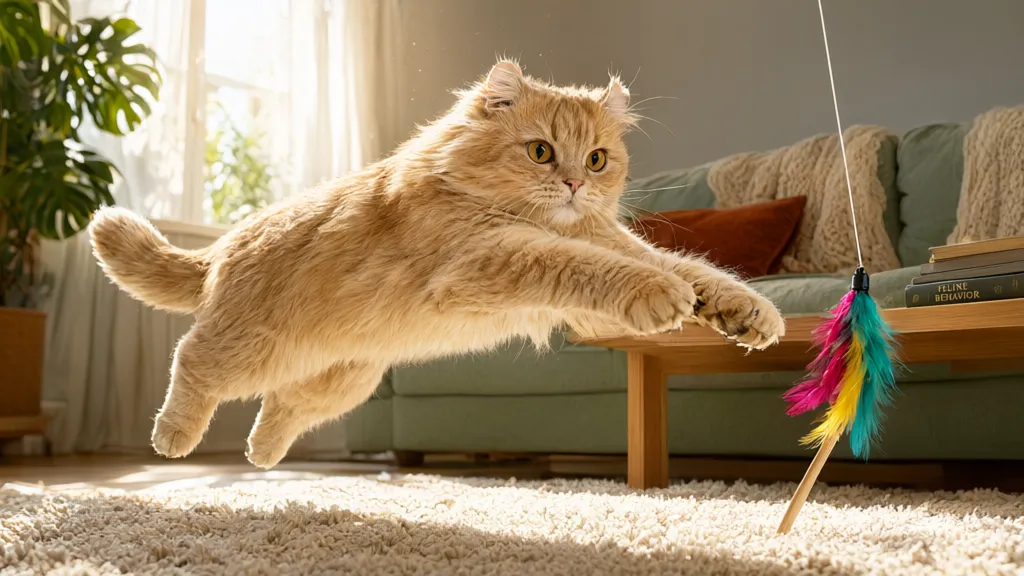
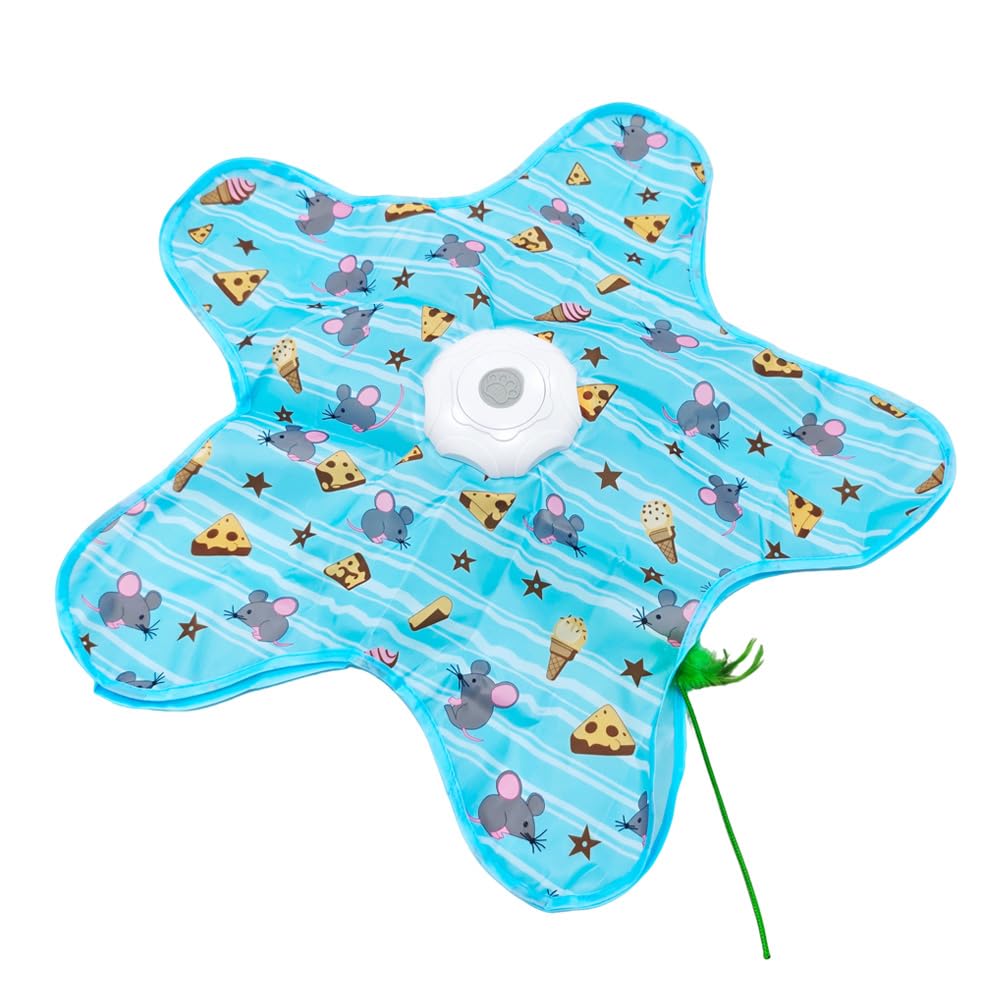
An inquisitive disposition is another hallmark of the Highlander breed. This curiosity drives them to explore their surroundings actively, making it vital for owners to provide a safe, enriched environment. Environmental enrichment strategies, such as puzzle feeders and interactive toys, can mitigate potential behavioral issues stemming from boredom or anxiety. Regular play sessions not only cater to their natural hunting instincts but also contribute to physical fitness, reducing the risk of obesity—a concern particularly relevant given their muscular build.
<p;In terms of social behavior, Highlanders typically exhibit a balanced blend of independence and sociability. They enjoy the company of humans and can relate well to other pets, although early socialization is critical to manage any dominant behaviors, especially in males. Familiarization with varied environments and social settings enhances their confidence and reduces the likelihood of behavioral problems related to stress or territoriality. Notably, Highlanders possess the ability to adjust their behavior based on their social context, displaying playful exuberance in stimulating situations while remaining calm during quieter moments.
<p;Due to their strong hunting instincts, supervision is necessary during outdoor excursions, as these cats can be prone to chasing small animals. Owners should consider leash training or secured outdoor enclosures to safely satisfy their need for exploration. Highlanders are also known to vocalize more than many breeds, using a range of sounds to communicate their needs and emotions effectively. Careful attention to these vocalizations can provide insight into their well-being and help address any underlying issues.
<p;Behavioral monitoring is essential, particularly as Highlanders may be susceptible to stress-related conditions if their routines are disrupted. Signs of distress may include excessive grooming, hiding, or changes in appetite, which necessitate immediate attention and intervention. Proper management of stressors in their environment, such as introducing new pets or changes in household dynamics, can significantly enhance their psychological health. By recognizing and responding effectively to these behavioral cues, owners can ensure a harmonious coexistence with their Highlander, promoting both physical and emotional health.
Care and maintenance
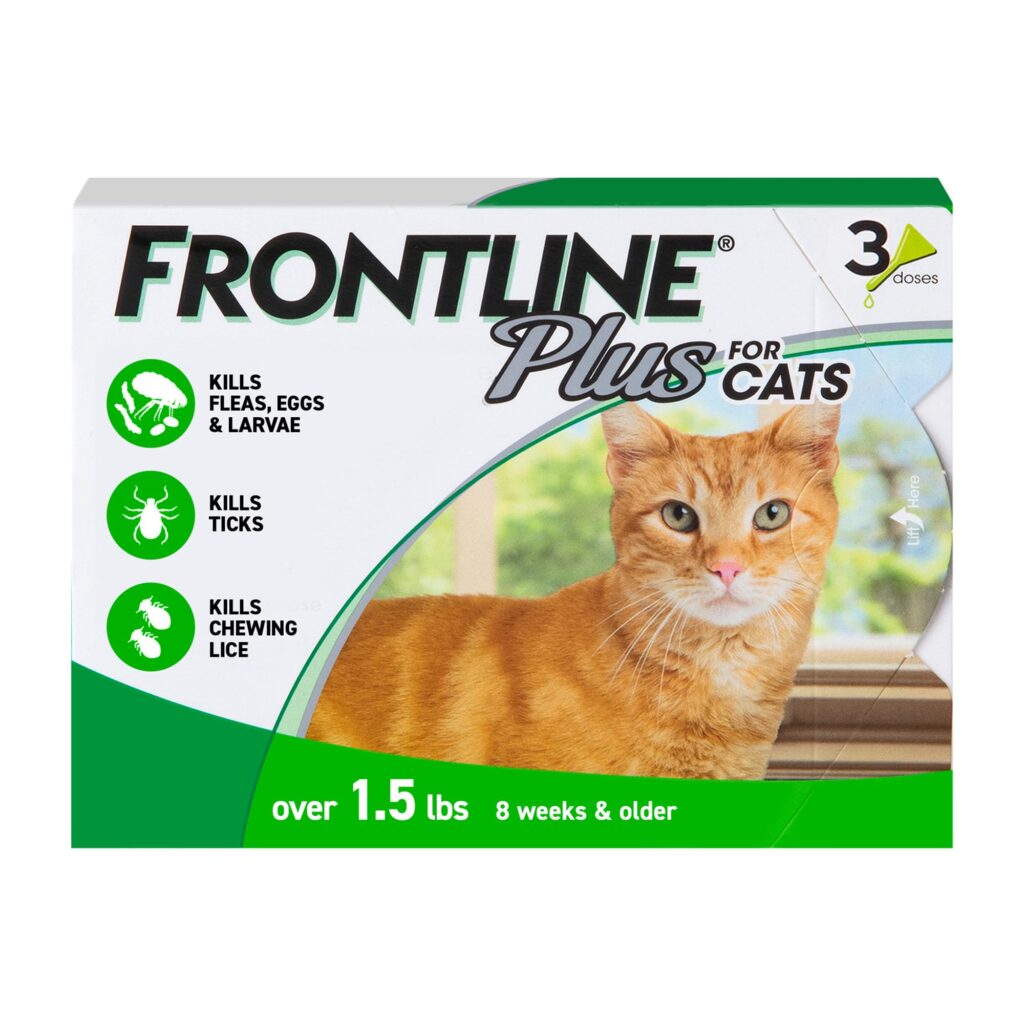
The Highlander cat requires a comprehensive approach to care and maintenance, focusing on both physical health and psychological well-being. Regular veterinary check-ups are essential to monitor for breed-specific health issues, particularly those related to the skeletal system and heart. Screening for hypertrophic cardiomyopathy (HCM) is vital, as this condition is prevalent in certain breeding lines and can pose significant health risks. Maintaining an updated vaccination schedule and preventative care plan is crucial; this includes annual exams, dental care, and parasite control, all of which contribute to the overall longevity of the breed.
Nutritional management is equally important, as Highlanders have a higher muscle mass and energy expenditure due to their active nature. A high-protein, species-appropriate diet is recommended to support their muscular build and promote optimal health. Owners should select premium cat food that lists real meat as the first ingredient and pay attention to the specific dietary needs based on age and activity level. Providing a balanced diet rich in omega fatty acids can also aid in maintaining healthy skin and coat, further enhancing the breed’s distinctive appearance. Portion control and monitoring body weight are critical, as obesity can lead to various health complications; feeding guidelines should be adhered to based on the cat’s age, weight, and activity level.
Grooming is a significant aspect of maintaining a Highlander’s coat, particularly due to the potential for matting with their medium to long fur. Regular brushing, at least once a week, is recommended to minimize hairballs and remove loose fur, especially during shedding seasons. Additionally, pay attention to ear and dental hygiene; regular ear cleaning can prevent otitis, while routine dental care, including brushing and professional cleanings, can avert periodontal disease, which is common in cats.
Environmental enrichment is essential to satisfy the Highlander’s playful and intelligent nature. Interactive playtime very important, as it provides mental stimulation and exercise; consider incorporating puzzle toys and climbing structures that allow for climbing and exploring. Creating a safe outdoor space or using a secure leash can also help address their instinctual need for exploration while minimizing risks associated with free roaming. Social interaction with humans and other pets should be encouraged to foster their sociable disposition, but monitoring for signs of stress or dominance is essential to maintain harmony in multi-pet households.
Behavioral health requires vigilance, as Highlanders may exhibit signs of stress if their routines are disrupted. Notable behaviors such as excessive grooming, changes in eating habits, or withdrawal from interaction may indicate underlying issues; these behaviors necessitate immediate attention to prevent further escalation. Providing consistent routines, a secure environment, and positive reinforcement training can significantly enhance their behavioral stability. Maintaining an active and enriching lifestyle is vital for their mental health, encouraging a harmonious and fulfilling life as a companion animal.