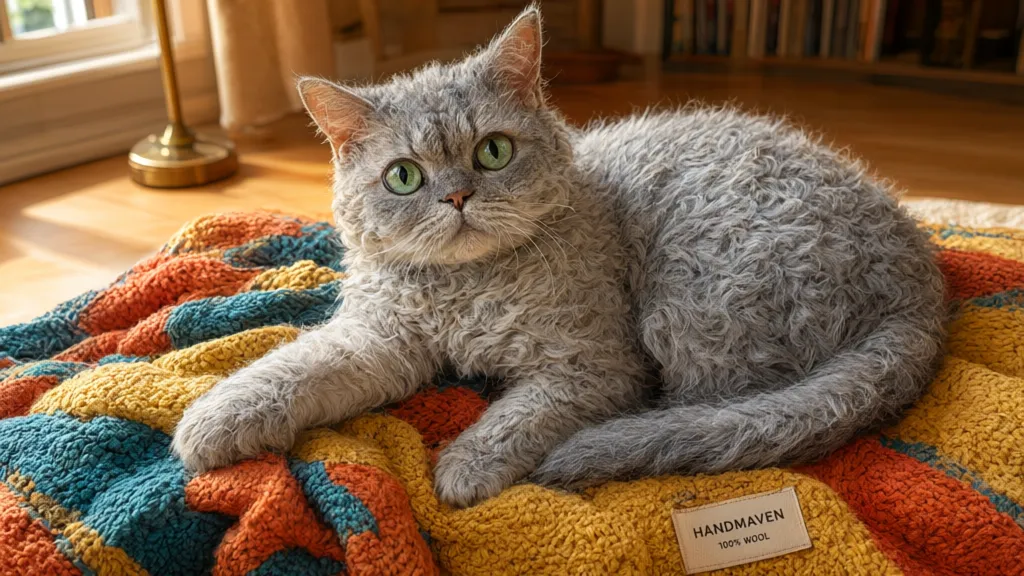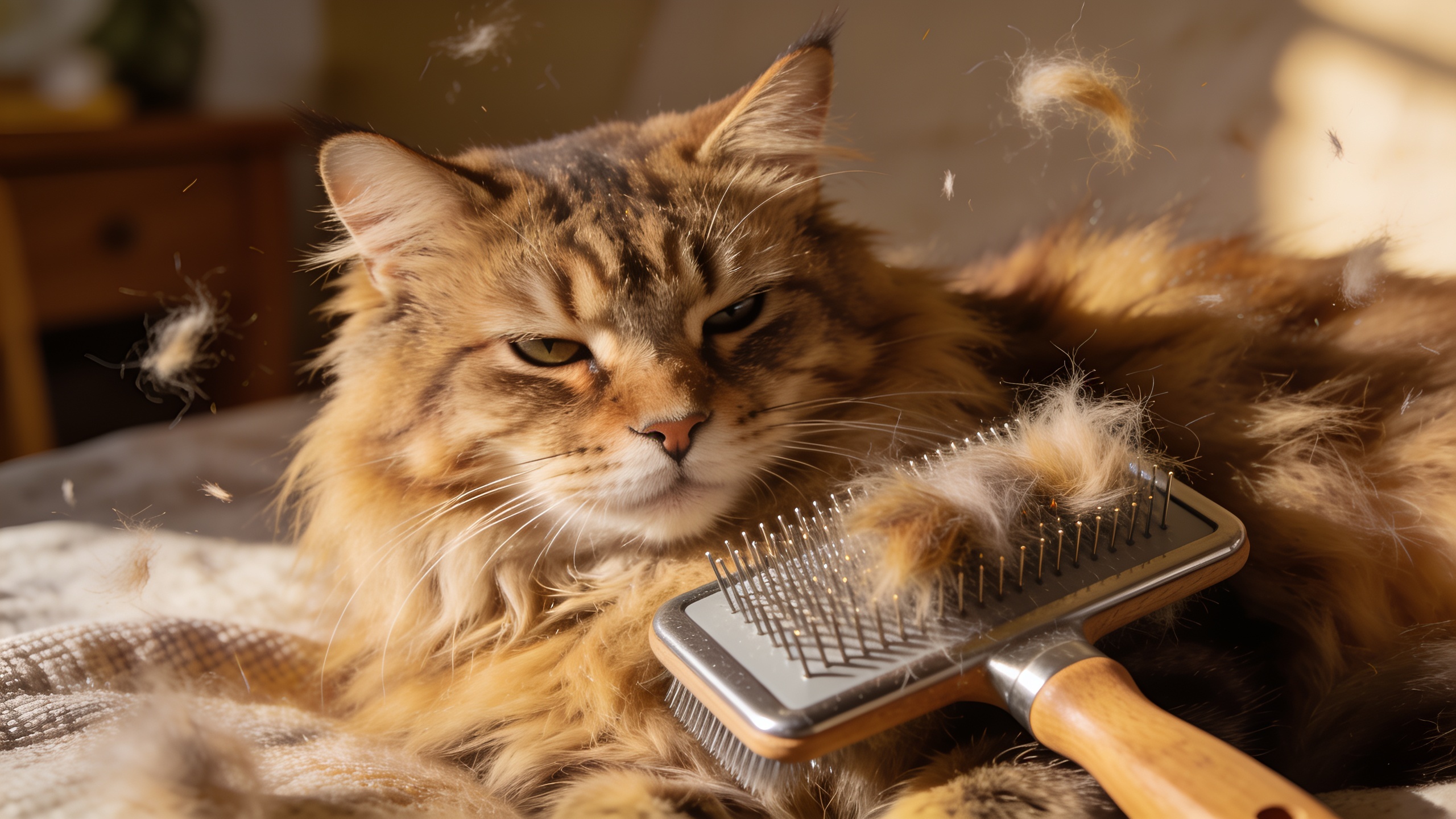
Understanding cat shedding patterns requires a focus on physiological and genetic factors that govern hair growth cycles, which can vary significantly among different breeds and individual cats. Cats are crepuscular, meaning they are most active at dawn and dusk, which influences their shedding patterns as light exposure regulates their melatonin levels and, subsequently, their fur cycles. Seasonal shedding occurs primarily in spring and fall as they transition between thick winter coats and lighter summer coats, driven by changes in daylight length. Breeds such as the Maine Coon and Siberian retain dense undercoats that contribute to heavier shedding, while hairless breeds like the Sphynx exhibit minimal shedding, illustrating the role of genetics in fur production.
Age also plays an important role, with kittens shedding their baby fur at around 2 to 3 months of age, initiating their adult fur growth. Conversely, senior cats may experience altered shedding patterns due to hormonal fluctuations, health issues, or systemic changes, which can lead to increased or reduced fur loss. External factors such as stress, which can be caused by changes in environment, diet, or social dynamics within a multi-pet household, may trigger excessive shedding or alopecia, highlighting the necessity of monitoring behavioral changes.
Nutritional deficiencies, particularly in essential fatty acids, zinc, and protein, can impact coat health, resulting in dryness, brittleness, and increased shedding. A balanced diet formulated for their life stage is vital; for example, senior cats often require formulations that address joint health and skin condition, which can mitigate shedding. Additionally, certain medical conditions such as hyperthyroidism or allergies can contribute to abnormal shedding patterns, necessitating a veterinary assessment if shedding becomes excessive or is accompanied by other health concerns.
Regular health check-ups can aid in identifying underlying issues that may exacerbate shedding. In cases where shedding is linked to stress, employing environmental enrichment strategies—such as providing vertical space, interactive toys, and safe hiding spots—can alleviate anxiety and minimize excessive shedding triggered by stress. Monitoring your cat’s weight is equally important, as overweight cats are often less active, leading to changes in their shedding patterns due to reduced grooming behaviors.

Now retrieving an image set.
World's Best Cat Litter, Multiple Cat, Unscented, Odor Control, 15 lb Bag | Controls tough multi-cat odors and lasts 2x longer; natural corn litter, quick clumping, flushable, 99% dust free
EUR 16.48 (as of September 9, 2026 06:57 GMT +00:00 - More infoProduct prices and availability are accurate as of the date/time indicated and are subject to change. Any price and availability information displayed on [relevant Amazon Site(s), as applicable] at the time of purchase will apply to the purchase of this product.)Observing the type and condition of the shed fur can provide critical insights; for instance, a sudden increase in shedding accompanied by visible bald patches may indicate dermatological issues or allergies. Maintaining a record of any changes in shedding can aid veterinarians in diagnosing and treating potential health issues effectively, ensuring optimal feline well-being and reducing shedding-related nuisance. Understanding these patterns allows for targeted interventions to optimize coat health and minimize fur presence in the home.
Grooming Techniques to Reduce Shedding
Implementing effective grooming techniques is essential for managing and reducing shedding. Regular brushing is the most effective strategy, tailored to the specific coat type of the cat. For example, long-haired breeds like Persians or Ragdolls require daily grooming with a slicker brush or a wide-toothed comb to prevent matting and remove loose fur. In contrast, short-haired breeds, such as the American Shorthair, can benefit from weekly brushing using a rubber grooming mitt or bristle brush to remove loose hair. This not only reduces shedding but also helps to distribute natural oils, promoting a healthier coat.
Consider the seasonal shedding cycles and adjust the grooming frequency accordingly. During peak shedding seasons in spring and fall, increasing the grooming frequency can significantly reduce fur scatter in the home. It’s particularly beneficial to begin a grooming routine before these periods to preemptively manage excess hair. Additionally, using grooming tools like undercoat rakes can effectively target dense undercoats in breeds predisposed to heavy shedding, ensuring thorough removal of dead hair.
Beyond brushes, using specialized grooming tools, such as deshedding tools or grooming gloves, can enhance the efficacy of your routine. Deshedding tools specifically designed to penetrate the undercoat can remove loose hair efficiently without damaging the outer coat, making them particularly effective for double-coated breeds. Additionally, grooming gloves can make the experience more enjoyable for the cat, providing physical contact that some pets find reassuring while at once gathering loose hair.
Incorporating bathing into the grooming regimen, although less frequent, can also assist in shedding management. Using a gentle cat-formulated shampoo can promote a healthier coat and skin, reducing excess hair loss. However, over-bathing can strip essential oils, leading to dryness and potential increased shedding, so it should be done judiciously, typically no more than once a month for most cats.
Pay attention to your cat’s tolerance of grooming sessions. Stress or anxiety during grooming may lead to negative experiences that can further contribute to shedding. Implementing positive reinforcement strategies, such as treats or incorporating play before or after grooming, can help alleviate stress. Gradually acclimating the cat to the grooming process, starting with short sessions, can increase comfort levels over time. Monitor behavioral changes during these sessions; signs of distress may indicate the need for alternative approaches or tools.
Consultation with a veterinarian or a feline behaviorist may be warranted in cases of extreme shedding despite regular grooming, as underlying health issues could still be at play. By aligning grooming techniques with individual preferences and physiological needs, cat owners can effectively mitigate the challenges posed by shedding, leading to a healthier coat and a fur-reduced living environment.
Home Environment Adjustments for a Fur-Free Zone
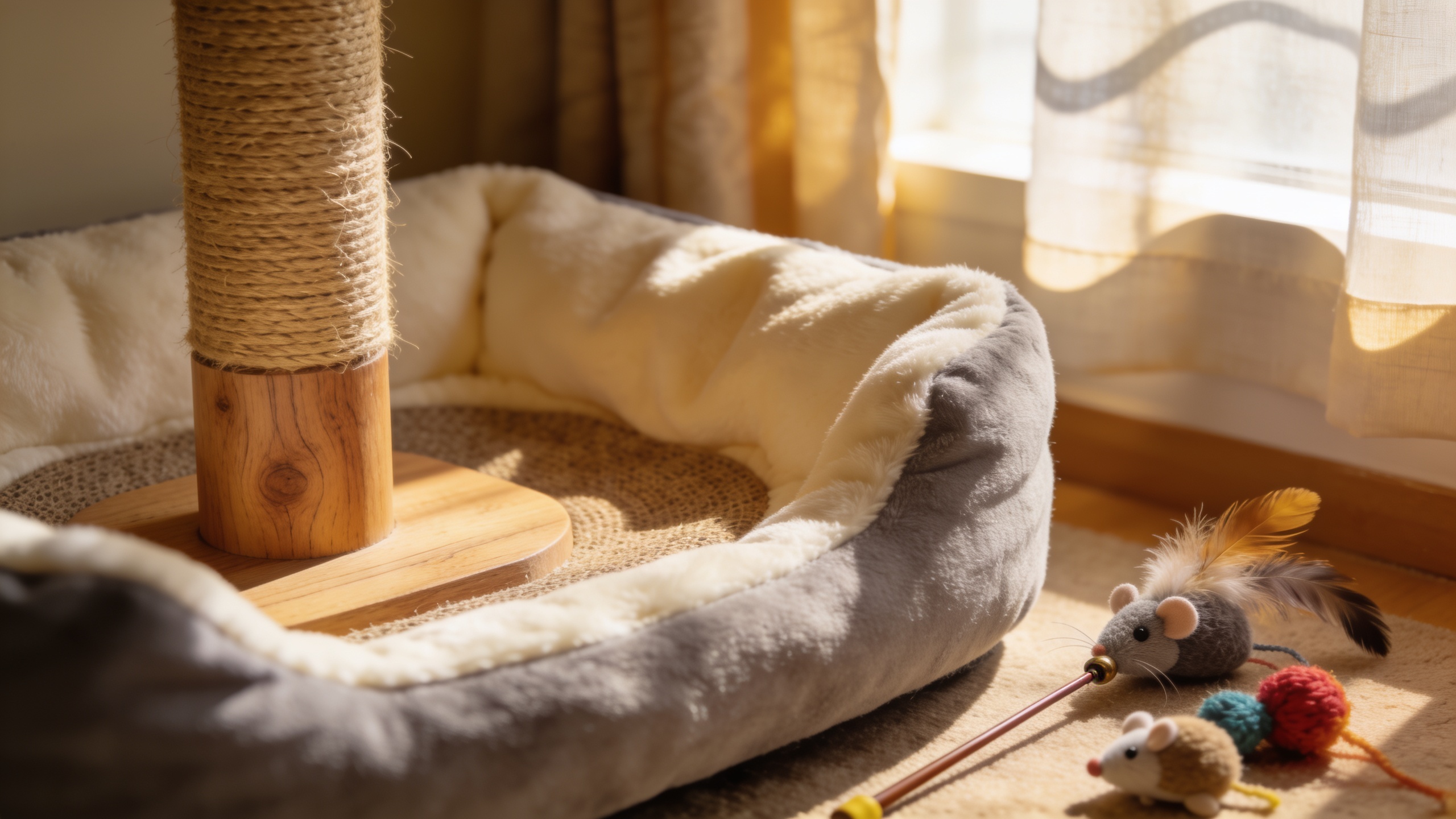
Creating a fur-free zone within the home requires strategic adjustments to the living environment, shifting focus on areas where cats spend their time, and ensuring optimal cleanliness and air quality. The first step involves designating specific areas for the cat, such as a cat tree or a designated nook, equipped with comfortable bedding and stimulating elements. Using vertical space encourages your cat to remain in those areas, lessening the distribution of fur throughout the home.
The use of high-quality vacuum cleaners equipped with HEPA filters can significantly reduce shedding by effectively capturing dander and hair. These vacuums are designed to minimize airborne allergens, ultimately promoting a healthier living space. Daily vacuuming in high-traffic areas and places where the cat frequently resides will help capture loose hairs before they settle into upholstery and carpets.
Regular laundering of textiles, such as curtains, blankets, and cushion covers, especially important. It is recommended to wash these items weekly in hot water to remove allergens and fur effectively. Introducing furniture covers or pet-specific throws can protect surfaces and allow for easy cleaning, ensuring that hair does not accumulate in difficult-to-clean crevices.
Air filtration systems, particularly those with HEPA filters, can significantly improve indoor air quality by trapping airborne hair and allergens. Maintaining proper humidity levels with a dehumidifier can also limit static, which contributes to hair clinging to surfaces. It is valuable to use these systems continuously, especially in enclosed spaces where pet hair tends to accumulate.
Implementing a consistent grooming schedule will further benefit home cleanliness. Establishing a grooming station with specialized tools near the preferred resting area of your cat, ensures regular maintenance and hair collection, ideally reducing the volume found in other rooms. Providing treats and positive reinforcement during grooming will encourage compliance and make the process more enjoyable for your cat.
Avoiding common shedding exacerbators, such as stressors or allergens, through environmental adjustments is essential. Ensure the cat has a safe retreat, with items that provide comfort and reduce anxiety, such as soothing pheromone diffusers or calming music. Addressing factors such as excessive noise from outside or conflicts with other pets can also sustain a peaceful environment, potentially reducing stress-induced shedding.
Lastly, maintaining a regular health check-up schedule with a veterinarian should not be overlooked; any unexpected changes in shedding patterns can indicate underlying medical issues that require attention. This proactive approach ensures that the environment remains conducive to your cat’s well-being, further minimizing shedding within the home.