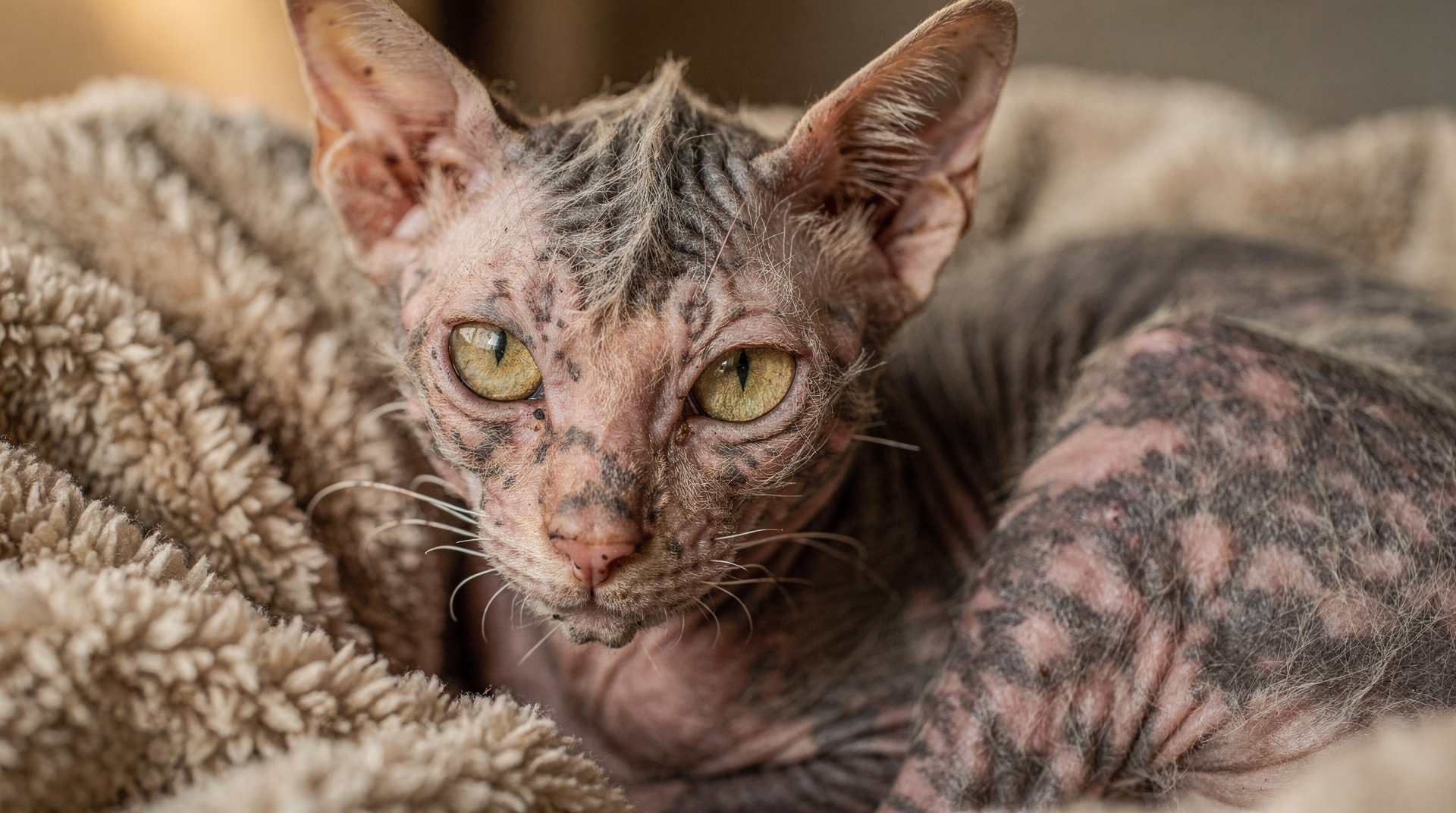
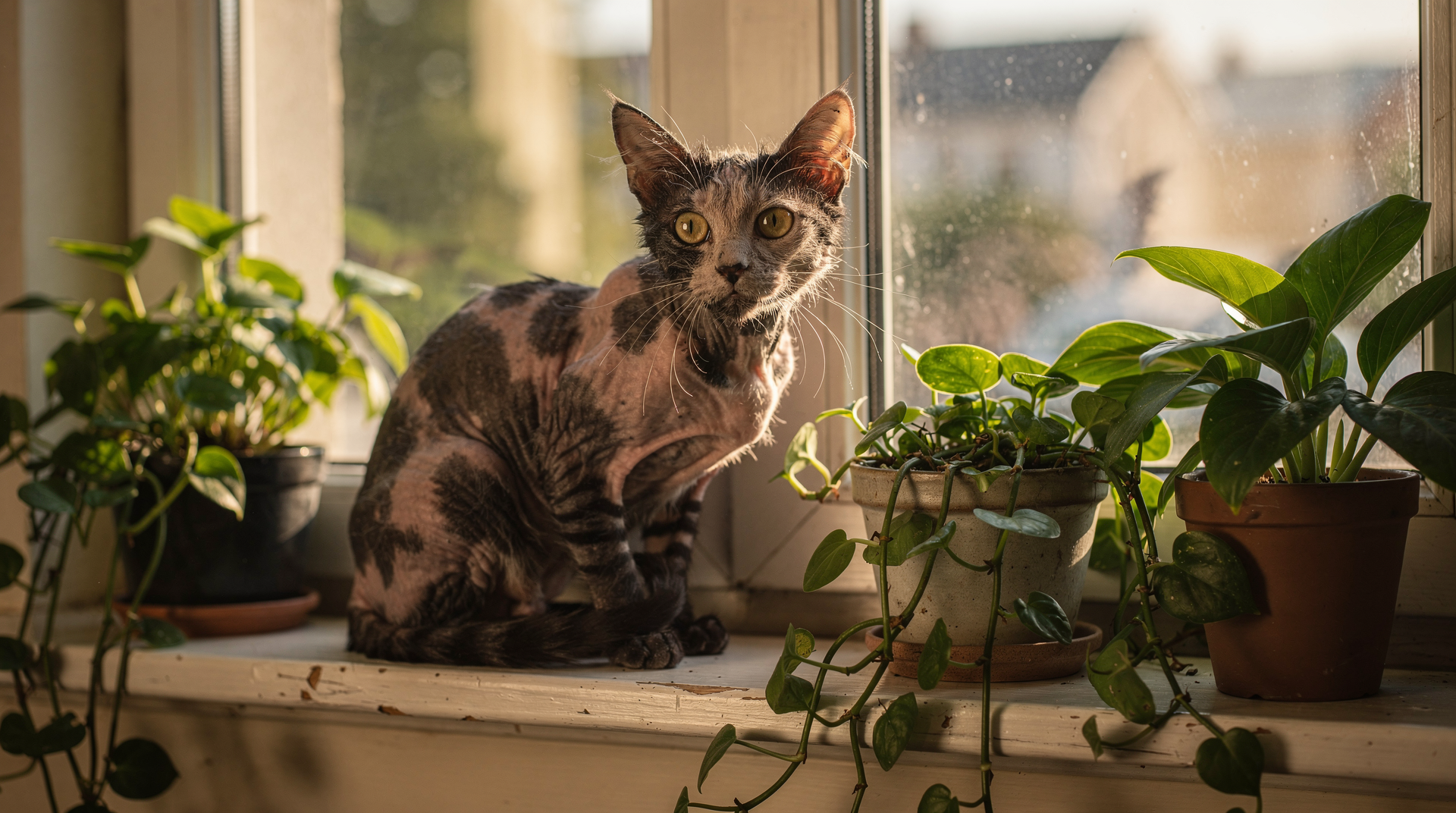
The Lykoi cat, often captivating with its striking resemblance to a werewolf, is not merely a visual anomaly; it embodies a complex genetic tapestry that dictates its psyche and social interactions. Emerging from the crossbreeding of domestic shorthaired cats and the unique gene pool of the natural mutation, the Lykoi showcases a notable absence of fur in specific areas, creating an appearance that belies its affectionate and inquisitive nature. This breed is shaped by its lineage, rooted in a deep history that intertwined the wild with the domesticated, resulting in a feline this is both instinctually perceptive and endearingly gregarious.
Biologically speaking, Lykoi possess a duality in their temperament influenced heavily by their genetics. This breed thrives on engagement, exhibiting a level of playfulness and curiosity that mirrors the hunting instincts of their feral ancestors. Unlike many domestic breeds, they possess an instinctual drive to explore their environment, showcasing a cognitive processing style this is both analytical and agile. They’re adept at reading subtle cues, not just from their human companions but also from their surroundings, making them notably aware and responsive to changes in their environment. Such traits can be attributed to their evolutionary history, where survival relied heavily on their ability to adapt and respond to stimuli, thus enriching their communicative and social capabilities.
Their strikingly haunting eyes speak to an intrinsic alertness, a remnant of their lineage that bonded them to the natural world. However, this same lineage renders them sensitive to shift in social dynamics and environmental stressors. Achieving a stable emotional state in Lykoi requires a nuanced understanding of their behavioral triggers. They exhibit a proclivity for forming tight attachments, not out of mere affection but as a deeply ingrained survival mechanism. This bond, however, is contingent upon consistent, gentle leadership; they thrive under a structured environment where their insecurities are soothed, revealing their true nature as companionable, curious, and emotionally attuned beings.
Lykoi cats also display a unique dichotomy in physicality and behavior that can be dissected through the lenses of both their distinctive appearance and inherent temperament. Their anatomical makeup—a blend of agility and strength—coupled with moderate energy levels, lends itself to a playful demeanor that does not falter even in adulthood. Owners may find that their playful antics persist well into maturity, continuously seeking enrichment and stimulation. Therefore, an environment fostering both mental and physical engagement becomes critical for their overall well-being. Understanding the intricacies of their disposition not only aids in the fortification of the human-animal bond but also lays the foundation for a harmonious coexistence that respects their instinctual needs.

Now retrieving an image set.
Greenies Feline Natural Dental Cat Treats, Roasted Chicken Flavor, 9.75 oz | #1 vet-recommended, clinically-proven oral care, cleans teeth and freshens breath, cleans to gumline, natural ingredients
EUR 9.52 (as of September 15, 2026 08:41 GMT +00:00 - More infoProduct prices and availability are accurate as of the date/time indicated and are subject to change. Any price and availability information displayed on [relevant Amazon Site(s), as applicable] at the time of purchase will apply to the purchase of this product.)The care and maintenance of a Lykoi cat extends beyond mere routine; it’s a dance of attentiveness that aligns with their unique genetic identity and physiological requirements. Grooming these cats necessitates an understanding of their partially hairless features, a consequence of the unique genetic mutation that defines the breed. Spot-checking for skin irritations and ensuring that the exposed dermis is free from debris, moisture, and parasites becomes an integral ritual. The Lykoi can be prone to skin conditions, given their minimal fur, thus bodies should be routinely inspected for any signs of inflammation or infection. Using a gentle, damp cloth to wipe down their skin can promote hygiene while concurrently offering tactile comfort, reinforcing the bond between feline and human.
Diet plays an equally pivotal role in cultivating the overall health and vitality of the Lykoi. Their ancestral lineage hints at a proclivity toward high protein consumption, therefore a diet rich in animal proteins, complemented by balanced fats and limited carbohydrates, is essential. Formulating a macro-nutritional profile that emphasizes species-appropriate dietary elements not only meets their energetic needs but also mitigates overfeeding issues that can lead to obesity—a condition this is particularly concerning given their potential predisposition to metabolic disorders. Owners are advised to monitor their feeding schedule, preferring smaller, more frequent meals that mirror their instinctual foraging behavior. This allows the Lykoi to engage in their natural tactical eating habits, warding off any developing surgical risks associated with sudden changes in weight.
Environmental enrichment is perhaps the most salient aspect of Lykoi care. Their instinctual curiosity and energetic disposition demand an environment abundant with stimuli. A variety of interactive toys, climbing posts, and puzzle feeders can transform a living space into a crucible of engagement and learning. Incorporating elements reminiscent of nature—like perches at different heights, crinkly hideaways, and even water features—can replicate their ancestral hunting grounds, allowing them to express their predatory behaviors in a controlled manner. Social interaction should not be overlooked; regular play sessions that exploit their hunting instincts can provide the mental and physical stimulation they crave, promoting psychological well-being alongside physical health.
Regular veterinary check-ups are paramount. Lykoi cats exhibit particular susceptibilities to health complications, including periodontal disease and hypertrophic cardiomyopathy. Early detection is crucial; hence, familiarizing oneself with the warning signs of common health issues—such as changes in energy levels, eating habits, or overall demeanor—equips owners with the knowledge to seek timely interventions. Developing a relationship with a vet familiar with the nuances of Lykoi health can facilitate a preventive approach, ensuring the vigilant monitoring of potential hereditary vulnerabilities.
Ultimately, the establishment of a predictable routine, anchored in both structure and compassion, fosters a sense of security for the Lykoi. Their emotional well-being hinges on a rhythm of life that offers both predictability and consistency while allowing space for their natural tendencies to thrive. Addressing their specific care needs with diligence and insight lays the groundwork for a flourishing companionship—one marked by mutual understanding and deep-rooted affinity. By navigating their complex needs with patience and informed resolve, owners can ensure that these extraordinary cats not only survive but truly thrive, allowing their intriguing character to shine through in all its multifaceted glory.
The Lykoi cat’s lineage is woven through a tapestry of nature’s own mutations, a saga that dates back to the early 21st century when these unique felines were first formalized. This breed emerged from the alleles of domestic cats, distinguished by a remarkable genetic anomaly that manifests as patches of hairlessness. Historically, the Lykoi has roots in Tennessee, where breeders initially recognized this improbable mutation in litters of domestic shorthairs. The term “Lykoi,” derived from the Greek word for “wolf,” aptly encapsulates their striking appearance, evoking an ethereal essence reflective of the wild.
As preferences shift toward where intuition often trumps intellect, the story of the Lykoi is emblematic of evolution’s capricious hand—the serendipity of mutation that bestowed upon them a coat that’s more sculptural than substantial. The breed’s partially hairless coat not merely invites fascination; it narrates an evolutionary tale. As these cats adapted, they became sensitive to their environments, the lack of fur rendering them acutely aware of temperature fluctuations and tactile stimuli—their keen awareness a vestige of their feral ancestry, where survival hinged on instinctual perceptions. Thus, it becomes evident that the physicality of the Lykoi, while striking, serves an intrinsic purpose: a canvas upon which their behavioral tendencies paint a vivid picture of adaptability and awareness.
Socially, the Lykoi’s historical journey also reveals critical insights into their behavioral architecture. Having been selectively bred for specific traits, they carry within them the remnants of a bygone era where intimate relationships with humans were forged under the banner of companionship and utility. While once cats were mere hunters of vermin, the Lykoi, with their affectionate nature, illustrate a historical pivot towards pets bred for emotional connectivity rather than solely for practical roles. Their history imbued them with an innate ability to observe human moods and respond accordingly—an evolutionary adaptation spurred by their time spent at the edges of human society.
The profound interplay between their genetics and behavioral proclivities unveils a story of resilience and companionship. While they possess the physical markings of their wild forebears, their temperament reflects centuries spent alongside humanity, developing an understanding of the complex and often unpredictable emotional landscape of their human counterparts. They exhibit a striking blend of confidence tempered with caution—a duality woven into their historical fabric that guides their interactions today. Their inherent unpredictability, coupled with a desire for structured social bonds and continuous engagement, speaks to a duality purposefully sculpted through generations.
Listeners of this saga must recognize the crucial role that genetics plays in the destiny of these cats. Genetic predispositions toward certain health issues, such as dermatological sensitivities linked to their unique coats, are a direct outcome of their history. Thus, Lykoi owners must remain vigilant about the intimate connection between their cat’s hereditary background and their present health—they must become the stewards of their wellbeing, aware that love and attention echo through the ages. These felines, endowed with an intricate past, thrive best not only in companionship but within environments that reflect their spirited essence and ever-present need for engagement.