Within the intricate tapestry of a feline’s digestive system, probiotics emerge as unsung heroes, wielding profound influence over gut health and, consequently, overall physiological and psychological well-being. To truly comprehend their beneficial effects, one must first dissect the evolutionary anatomy of the cat, an obligate carnivore whose digestive tract has been sculpted by millennia of prey consumption. The feline gastrointestinal system, though adept at processing proteins and fats, is not equipped to handle an abundance of dietary carbohydrates. Thus, the presence of a robust microbiome, populated by beneficial bacteria, becomes paramount in bridging the gap between raw nutritional intake and effective metabolic processing.
These microscopic allies perform a multitude of roles that extend far beyond mere digestion. They enhance nutrient absorption, particularly of critical vitamins such as B12 and K that flourish under the tutelage of a well-balanced microbiota. Functioning almost as a secondary digestive enzyme, probiotics catalyze the fermentation process, breaking down complex fibers into short-chain fatty acids, a cornerstone of gastrointestinal health that also exerts anti-inflammatory properties. Elevating their status further, these probiotic strains contribute to the cat’s immune defense mechanisms by occupying niches that would otherwise be susceptible to pathogenic invasion. The risk of gastrointestinal disturbances—whether acute or chronic, such as diarrhea or constipation—diminishes remarkably with the incorporation of these beneficial microorganisms, providing a resilient buffer against the environmental stressors often encountered by domestic cats.
Moreover, the delicate equilibrium of the gut flora is key to maintaining a healthy gastrointestinal barrier. An intact mucosal layer acts as both a shield and a gatekeeper, preventing harmful substances from infiltrating the systemic environment—a vital consideration when discussing conditions like inflammatory bowel disease (IBD) that plague the feline population. Probiotics have been shown to enhance the integrity of this barrier through the stimulation of mucin production and the fortification of tight junctions among epithelial cells, thereby minimizing permeability and the potential onset of leaky gut syndrome.
Cats, inherently creatures of habit, exhibit an observable sensitivity to changes in their diet and environment, which can lead to shifts in their gut microbiota—a phenomenon that can instigate behavioral and physiological cascade effects. Through a holistic lens, the relationship between a cat’s mindset and its digestive health becomes evident, as stress and anxiety can provoke gastrointestinal disturbances. The administration of probiotics not only restores balance within the gut but also may mitigate stress-induced gastrointestinal symptoms, offering a dual benefit that addresses both physiological and behavioral aspects of feline health.

Now retrieving an image set.
Dr. Elsey's Ultra UnScented Clumping Clay Cat Litter 40 lb. Bag
EUR 19.94 (as of September 15, 2026 08:41 GMT +00:00 - More infoProduct prices and availability are accurate as of the date/time indicated and are subject to change. Any price and availability information displayed on [relevant Amazon Site(s), as applicable] at the time of purchase will apply to the purchase of this product.)Furthermore, the therapeutic potential of probiotics extends into the realm of antibiotic-induced dysbiosis, a common consequence of medically necessary interventions where beneficial bacteria are decimated. In such instances, the timely reintroduction of targeted probiotic strains acts as a salve, reinstating the balance and diversity of the microbiome, thus expediting recovery and reinstating normal digestive function. The beauty of this dynamic interaction, however, is not merely confined to the confines of the gut; rather, its implications reverberate throughout the entire system, influencing everything from cognition to emotion, weaving a complex web of health.
The role of probiotics in feline digestion transcends the mere act of processing food; they’re pivotal players in the holistic orchestration of feline health, modulating biochemical pathways, supporting immunological resilience, and even influencing behavior. Therefore, incorporating probiotics into a feline dietary regimen is not merely a consideration for those engaged within the scope of gastroenterology but an essential component of nurturing the multidimensional essence of the modern cat. Each spoonful of fermented goodness represents a commitment to fostering vitality in these exquisite carnivores, ensuring that their evolutionary legacy—a legacy intertwined with health, instinct, and freedom—continues unabated in our homes.
The selection of an appropriate probiotic for your feline companion requires both discernment and an informed understanding of the nuances inherent in the various strains available on the market. Not all probiotics are created equal; their efficacy is contingent upon the specific strains used, the delivery mechanisms employed, and the unique physiological and microbiological context of each individual cat. As guardians of these obligate carnivores, it’s our duty to sift through the plethora of products, landing upon those that are robustly substantiated by scientific inquiry and tailored to the distinctive intricacies of feline physiology.
Central to this decision-making process is an appreciation for the types of probiotics commonly available. Fermentation products featuring strains such as Lactobacillus, Enterococcus, and Bifidobacterium stand as exemplary candidates due to their established roles in fostering a balanced gastrointestinal flora. These organisms exhibit properties conducive to enhancing digestion, increasing nutrient bioavailability, and bolstering resistance against pathogenic bacteria. For the discerning cat owner, it’s worth noting that not all Lactobacillus or Bifidobacterium strains are universal in their effectiveness; hence, one must scrutinize the specific strains listed in the product’s formulation, using empirical studies that validate their protective and therapeutic roles in feline health.
In addition to the strain specificity, the viability of probiotics is paramount. Products must guarantee that these microorganisms remain alive and active throughout the shelf life and are delivered effectively into the gastrointestinal tract. Probiotics encapsulated in enteric-coated capsules or those formulated in stable powder forms can often survive the acidic milieu of the stomach more effectively, ensuring that a sufficient number of viable bacteria reach the intestines where they exert their influence. The formulation should ideally include a diversity of strains, as synergy among different probiotic microorganisms might enhance their collective efficacy, creating a multifaceted approach to re-establishing gut health.
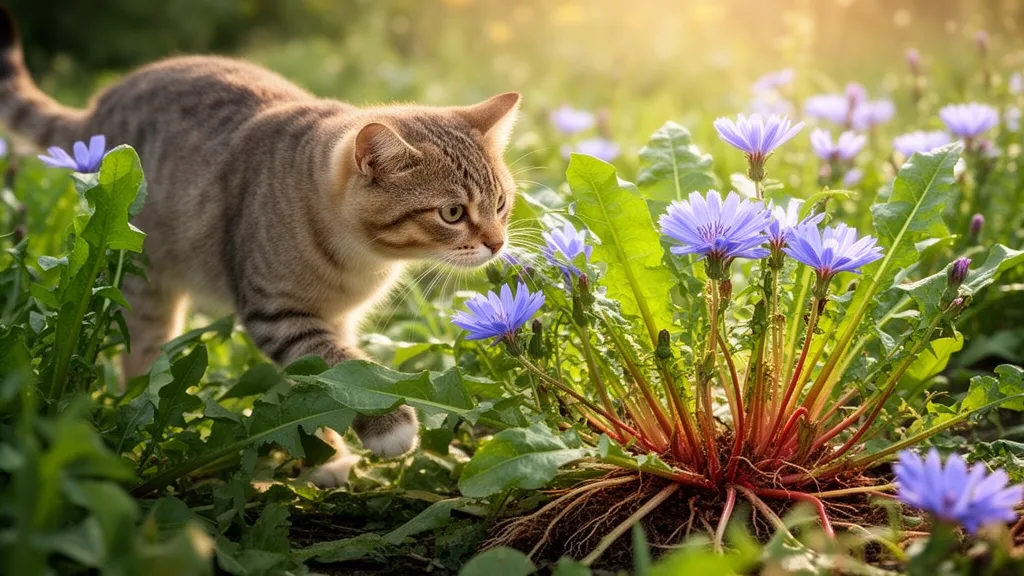
Moreover, one’s attentive eye must also be directed towards the presence of prebiotics, which serve as nourishment for probiotics, fostering their growth and activity once ingested. A symbiotic relationship between probiotics and prebiotics can amplify the benefits derived from supplementation, creating an optimal environment for beneficial bacteria to thrive. In particular, ingredients such as inulin, a soluble fiber sourced from chicory root or other plant materials, can enhance the overall efficacy of this product, reinforcing the delicate balance of the gut microbiota.
As one navigates the landscape of feline probiotics, it is imperative to circumvent marketing claims that lack robust scientific backing. The allure of products boasting miraculous transformations should be approached with skepticism; instead, reliance on recommendations from trusted veterinary professionals and peer-reviewed studies can illuminate the path toward sound decision-making. Consulting with a veterinarian who specializes in feline nutrition can offer individualized insights tailored to your cat’s specific health needs, weight status, age, and existing medical conditions, ensuring that any probiotic regimen is not only safe but also beneficial.
Importantly, the integration of probiotics into a cat’s dietary routine should be approached incrementally, allowing for gradual adaptation within the digestive system. A sudden introduction of potent strains can provoke gastrointestinal upset, underscoring the necessity of titrating the dosage according to your pet’s response. Monitoring for subtle signs—including changes in stool consistency, frequency of bowel movements, or behavioral shifts—can provide valuable feedback, guiding further adjustments and enhancing the overall experience of this nutritional endeavor.
In essence, the act of choosing the right probiotic for your cat transcends mere product selection; it embodies an intricate interplay of knowledge, awareness, and advocacy for your feline companion’s health. By meticulously aligning the needs of your cat with the scientifically-supported attributes of beneficial organisms, you engage in a profound commitment to safeguarding the rich tapestry of health woven through the lives of these magnificent creatures. Each decision reaffirms the intersection of companionship and stewardship, enhancing not only the wellbeing of your beloved feline but also the profound bond that exists between species, embodying the spirit of co-evolution and mutual growth.