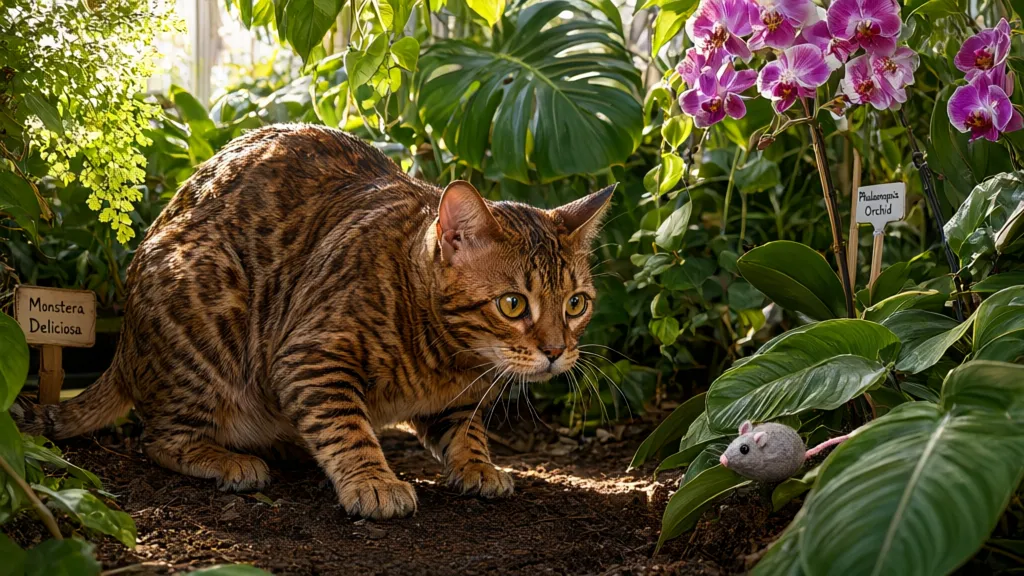
The hunting instinct in domestic cats, scientifically rooted in their ancestral behavior, remains potent despite domestication. This instinct primarily manifests through play behaviors that mimic predatory actions—stalking, pouncing, and capturing prey. Key to understanding these instincts is knowing that they’re driven by both genetic hardwiring and learned experiences.
Feline hunting behaviors are influenced by specific breeds. For instance, breeds like the Bengal or Abyssinian exhibit heightened predatory drives and energetic behaviors, whereas breeds such as the Persian may show a lesser inclination to engage actively in hunting simulations. Kittens and younger cats exhibit these instincts more prominently, as their developmental stage incorporates play as a mechanism for learning essential survival skills.
The irreplaceable role of sensory processing in hunting cannot be overlooked. Cats rely heavily on sight and sound for hunting; their unique ability to perceive high-frequency sounds helps them detect small prey, while their binocular vision allows for excellent depth perception, crucial when stalking. Therefore, creating environments that stimulate these senses is vital for their overall mental health and well-being.
Environmental factors also significantly impact the expression of hunting instinct. Indoor cats may exhibit frustration or anxiety if they lack adequate stimulation, potentially leading to behaviors that compromise their well-being, such as excessive grooming or aggression. Providing vertical spaces, such as cat trees and shelves, can offer crucial vantage points mimicking the natural hunting environment. These spaces encourage climbing and scanning behaviors reminiscent of their wild ancestors.

Purina Fancy Feast Grilled Seafood Wet Cat Food, 3 oz Cans, 24-Pack | Variety Pack, crafted with real seafood in savory gravy. Made with no Artificial Colors or Preservatives.
EUR 18.68 (as of October 15, 2026 08:33 GMT +00:00 - More infoProduct prices and availability are accurate as of the date/time indicated and are subject to change. Any price and availability information displayed on [relevant Amazon Site(s), as applicable] at the time of purchase will apply to the purchase of this product.)Social dynamics within the home can further influence hunting behaviors. For multiple cat households, competition can spark heightened hunting responses, while single cats may show varied responses depending on their socialization history. Fostering interactive play with owners is crucial; frequent and varied interactions can enhance their physical and mental engagement while satisfying their predatory drives.
To optimize the expression of natural hunting instincts, a diet tailored to species-specific needs is essential. Incorporating high-protein foods mimics the diet of wild prey, fostering a healthier metabolism. Additionally, feeding strategies that involve puzzle feeders can stimulate natural foraging behavior, integrate mental and physical exercise, and further engage their hunting instincts.
Observing your cat’s natural behaviors is fundamental to management. Signs of boredom, like rearranging furniture or excessive meowing, should prompt immediate modification of their environment or routine. Providing varied textures, scents, and interactive elements within their playing space can significantly enhance their quality of life, promote essential exercise, and satisfy deeply rooted instincts. By understanding these elements, owners can create an enriched environment that aligns with their cat’s natural behaviors and needs.
Creating an Engaging Indoor Environment
To cultivate an engaging indoor environment that satisfies your cat’s hunting instincts, implement various structural and sensory modifications that mirror aspects of their natural habitat. Vertical space is critical; use shelves, cat trees, and window perches to provide lofted areas that allow cats to climb, observe, and practice stalking behaviors. Offering heights enables your cat to survey their domain, enhancing their sense of security while encouraging physical activity.
Incorporating hiding spots and enclosed spaces fosters the instinctual need to seek out shelter and ambush prey. Cardboard boxes, covered beds, or tunnels can serve as effective hideaways, promoting exploration and play. These elements stimulate curiosity while offering your cat a sense of control over their environment, crucial for psychological well-being.
Visual stimulation significantly influences engagement. Position bird feeders or outdoor catios near prevalent windows to provide dynamic entertainment. Moving objects attract a cat’s attention, enhancing their predatory drive. Use privacy screens or window films that reduce visibility into the home to prevent overstimulation, allowing cats to focus on their perceived ‘ prey’ without distractions.
In terms of scent enrichment, use toys infused with catnip or natural pheromones to heighten sensory engagement. Scent trails can be established using safe, non-toxic substances that encourage searching behaviors. Hide treats in different areas of their environment to promote foraging, effectively engaging their hunting instincts and keeping them mentally stimulated.
Auditory enrichment should not be overlooked. Play recordings of prey sounds or use toys that emit noise to mimic the sounds of birds or small animals. This can evoke an instinctual response, prompting stalking and pouncing behaviors. Ensure the volume remains comfortable to avoid overwhelming your cat.
Using strategic lighting can also modify their hunting environment. Adjustable dimmable lights or laser pointers create movement patterns that evoke chasing behaviors and stimulate physical activity. Shadows and movement from these light sources resonate with their natural hunting habits, prompting outdoor play by simulating prey visibility.
Manipulate the layout of your indoor space regularly to prevent habituation and maintain interest. Changing the positioning of perches, scratching posts, and toys fosters an environment dynamic enough to avoid boredom. Repetition can dull their enthusiasm; creating new routes for exploration can invigorate their instinctual pursuits.
Maintaining a clean and organized space aids in reducing stress and avoiding environmental triggers that may provoke anxiety. A clutter-free environment combined with these engaging alterations results in a stimulating habitat that aligns with your cat’s inherent needs, facilitating their mental and physical health long term.
Interactive Toys and Games for Cats
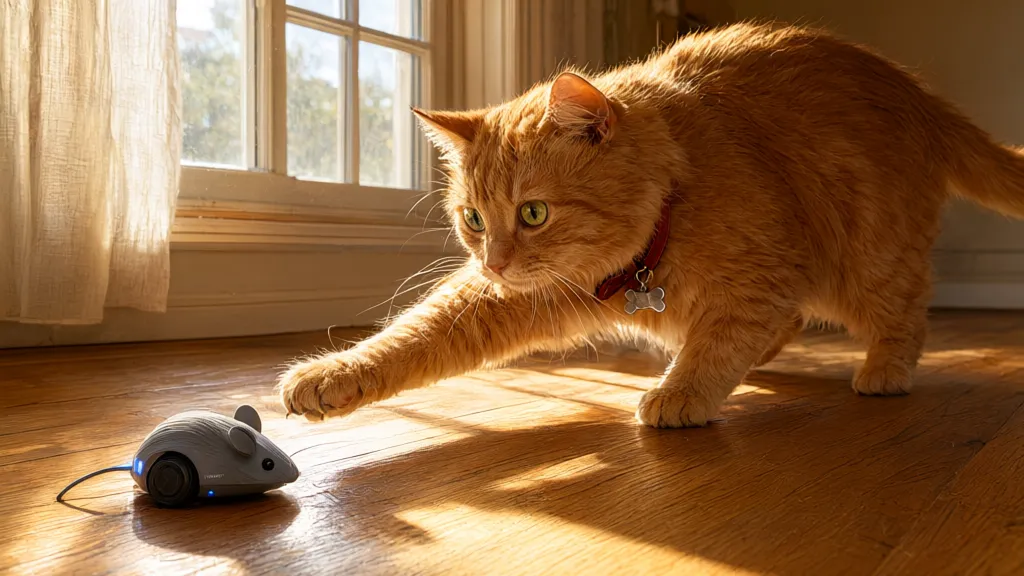
Interactive toys and games are essential for channeling your cat’s hunting instincts into productive activities, providing both mental and physical stimulation. These toys should mimic the unpredictability of live prey to maintain engagement. Consider toys that exhibit erratic movements; battery-operated devices that dart across the floor simulate escape behavior typical of small animals, tapping into your cat’s predatory drive.
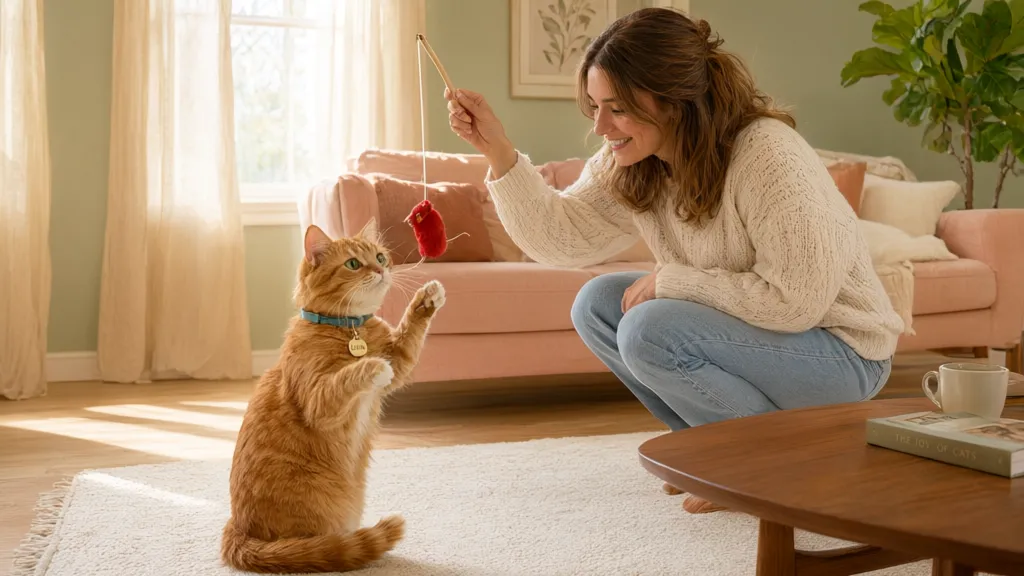
Feather wands and laser pointers are excellent for interactive play and offer opportunities for exercise. When using feather wands, allow your cat to “catch” the prey occasionally to reinforce positive hunting behaviors. This satisfies their instinct to pounce and enhances the bond between the cat and owner. However, ensure that sessions are age-appropriate; kittens may require shorter bursts of play, while older cats might benefit from gentler engagement to avoid fatigue or frustration.
Puzzle toys that dispense treats can effectively harness your cat’s problem-solving skills and hunting behaviors. These toys engage the cat’s intellect while reinforcing foraging instincts, as they must manipulate the toy to retrieve the reward. Select toys that vary in difficulty levels to challenge your cat continuously; rotating these toys prevents habituation and sustains interest over time.
Incorporating hide-and-seek scenarios can enhance your cat’s prey-stalking skills. Hide treats or toys throughout the home, prompting your cat to search and discover them. This promotes natural foraging behavior, stimulating both mental and physical activity. Monitoring your cat’s engagement with these activities can offer insights into their preference for hunting styles, which can help tailor future play experiences.
Additionally, using automated toys can provide unsupervised playtime for cats lacking direct interaction with their owners. These devices often incorporate timers or sensors that activate movement based on the cat’s proximity, keeping them mentally engaged while allowing owners to manage their time effectively. Observing how your cat interacts with these devices can reveal much about their preferences and style of play, allowing for customization of future interaction approaches.
When introducing new interactive toys or games, observe your cat’s body language for signs of stress or disinterest. Signs of frustration, such as swatting at the toy without enthusiasm or walking away, may indicate the need for a different approach or type of engagement. Conversely, active chasing and prolonged attention reflect effective engagement with the play material.
For safety, ensure that toys do not have small, detachable parts that could pose choking hazards. Regularly inspect toys for wear and tear. Dispose of any damaged toys to prevent injury. High-quality materials are essential; avoid items that may injure your cat’s sensitive paws or teeth. Over time, diversifying the types of games and interaction can lead to a well-rounded cat, physically fit and mentally stimulated.
Training Techniques to improve Playtime
Training techniques that enhance playtime leverage your cat’s natural instincts through structured interactions that foster engagement and challenge mental acuity. Positive reinforcement is crucial; rewarding desired behaviors establishes a framework for effective learning. Use small, high-value treats during play sessions to incentivize your cat when they exhibit behaviors like stalking or pouncing, reinforcing those natural instincts while simulating a more successful hunting experience.
Clicker training can be particularly beneficial in structured play scenarios. This method allows cats to associate the sound of the clicker with a reward, effectively bridging the gap between their actions and the consequences. Use the clicker when your cat demonstrates desirable hunting behaviors, such as stalking a feather toy or successfully capturing a laser dot. Once the association is established, gradually introduce commands to shape their play, such as “pounce” or “catch,” further enhancing cognitive engagement.
Incorporating variations in play movements can keep your cat mentally stimulated. For instance, alternate between slow, tantalizing movements that mimic wounded prey and rapid, unexpected changes that evoke the natural flight of smaller animals. This unpredictability not only hones their hunting skills but also encourages adaptability. Tailor the difficulty of these motions based on your cat’s age and ability; kittens naturally excel at sprightly movements, while older cats may benefit from slower, more deliberate actions to reduce the risk of injury.
Social play can deepen the bond between owner and cat while channeling natural competitive instincts. Allowing your cat to interact with another cat or even engaging in play that includes other household pets can create stimulating scenarios that provoke instinctive behaviors. Ensure these interactions stay positive; monitor closely for any aggression, especially in younger or more dominant personalities. Periodic adjustments to playtypes or partner dynamics can help maintain a healthy and motivational environment.
Monitoring your cat during play sessions is essential. Look for signs of overexertion or disinterest. If your cat begins panting heavily, loses focus, or displays excessive tail flicking, it may be time to pause and reassess their engagement level. Adequate hydration should be ensured, especially if play is intense, to avoid overheating. Additionally, consider the length of play sessions; shorter, more frequent sessions generally promote sustained interest and engagement rather than extended periods that risk fatigue.
Establishing a routine around playtime can be beneficial. By setting specific times for interactive play, your cat learns to anticipate these activities, making them more eager participants. Routine not only enhances their adaptability but also contributes to a structured environment that respects their need for predictability, which can be particularly important for more cautious or sensitive breeds.
Using structured training techniques during playtime can profoundly enhance your cat’s engagement and overall enjoyment while satisfying their inherent hunting instincts. The careful balance of stimulation, complication, and reward fosters an environment where cats can flourish both physically and mentally.