The delicate architecture of feline integument extends beyond mere aesthetics; it is a robust, multifaceted system integral to the cat’s survival. The skin acts as a protective barrier, regulating thermoregulation and immunological defenses. Yet, like a poorly woven tapestry, it can present flaws that significantly affect a cat’s health and comfort. Among these flaws, common skin issues manifest with alarming frequency, challenging both the practitioner and the devoted pet owner to a duel of knowledge and care.
Dermatitis, an inflammation of the skin, emerges as a leading concern. Feline dermatitis may arise from a myriad of sources: allergens—be they environmental, dietary, or parasitic—can sensitize a cat’s immune system, leading to an eruption of symptoms ranging from pruritus to hair loss. Notably, food allergies often present insidiously, masquerading as gastrointestinal disturbances that may eventually reveal themselves in the fur, necessitating an acute understanding of cutaneous reactions to dietary changes as well as the formulation of elimination diets tailored to the individual.
Fleas, the perennial nemesis, inflict more than just physical discomfort; they catalyze a cascade of immune responses in sensitive cats, resulting in flea allergy dermatitis. The intense itching that accompanies this condition becomes a relentless cycle that can transform a leisurely grooming ritual into a perilous endeavor, as the cat seeks solace from the torment of bites. A discerning groomer must, therefore, not only address the acrid presence of these parasites but also be vigilant, noting subtle changes in behavior or fur texture that foreshadow potential infestations.
In another vein, seborrhea—an abnormality in oil production—can create a dual path of dilemma: dry skin that flakes with embarrassment or oily fur that clumps grotesquely. This condition, particularly common among certain breeds, requires an elevated awareness of both genetic predispositions and environmental stressors. Grooming must then tread a fine line, employing appropriate shampoos and conditioners that recalibrate oil levels without stripping essential lipids. The delicate equilibrium of sebum is a balance critical not just to aesthetics but also to the prevention of further dermatological health issues.
Now retrieving an image set.
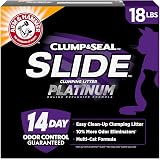
ARM & HAMMER Slide Platinum Easy Clean-Up Clumping Cat Litter, 18 lbs | 24/7 Odor Control, Triple-Action Freshness, Non-Stick, Low Tracking, 99.9% Dust Free, Multi-Cat Formula, Scented
EUR 15.60 (as of September 17, 2026 08:45 GMT +00:00 - More infoProduct prices and availability are accurate as of the date/time indicated and are subject to change. Any price and availability information displayed on [relevant Amazon Site(s), as applicable] at the time of purchase will apply to the purchase of this product.)Moreover, in the grander narrative of feline physiology, skin infections—bacterial or fungal—wage their insidious campaigns under the radar, often overlooked until they become pronounced. The savvy groomer, armed with a discerning eye, recognizes that flaking, localized redness, or an unpleasant odor serves as the chorale of impending issues. Regularly palpating the skin and observing the coat during grooming transforms this practice into a vital diagnostic tool, revealing the early whispers of maladies that would otherwise grow into symphonic crises.
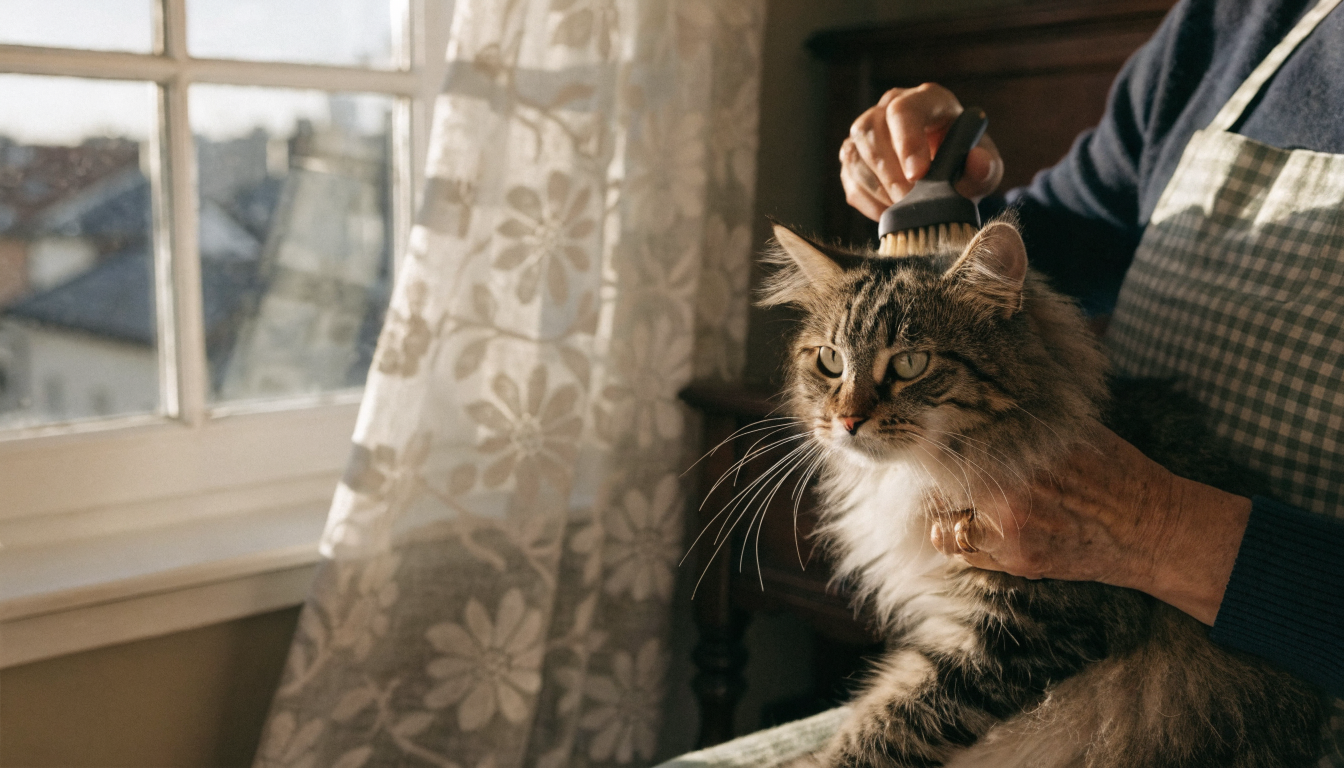
Lastly, it cannot go unmentioned the phenomenon known as “psychogenic alopecia,” where the overwhelming weight of anxiety leads to self-induced hair loss. Understanding this complex interaction between mental state and physical manifestation demonstrates the need for a holistic approach to care, where grooming transcends mere hygiene and enters the realm of behavioral therapy. In these moments, grooming evolves into a therapeutic ritual, borne out of respect for the cat’s individual psyche, enhancing both trust and tolerance.
In the intricate realm of feline health, the common skin issues are not merely peripheral challenges; they represent the intricate dialogue between a cat’s inner biology and outer world, requiring research, awareness, and an artistry of care that imbues every grooming session with purpose and significance.
The marketplace of feline grooming products is vast and often bewildering, resembling an elaborate bazaar where each bottleneck and tube promises miraculous transformations, yet not all reside on the pedestal of efficacy or safety. Choosing the right products means navigating an ocean of marketing jargon, identifying formulations that dovetail with a cat’s unique physiological needs rather than succumbing to the appeal of mere trends. To achieve an informed selection, one must engage rigorously with the ingredients and their respective roles in the maintenance of sensitive skin and coat health.
To begin, the essence of a successful grooming regimen lies in understanding how various ingredients interact with the cat’s sensitive integumentary system. Emollients such as jojoba oil or shea butter serve as protective agents, creating barriers that lock in moisture while soothing irritated skin. These fatty compounds mimic natural sebaceous secretions, restoring balance without clogging pores—a crucial consideration for breeds prone to seborrheic conditions. In contrast, products laden with synthetic fragrances or harsh detergents may strip the skin of vital oils, triggering a cascade of inflammatory responses detrimental to overall skin health.
Moreover, as certain cats are prone to specific conditions—like the Persian’s susceptibility to matting—selecting pH-balanced shampoos tailored to their distinctive fur and skin types is paramount. Hypoallergenic formulas devoid of parabens and sulfates will yield a gentler alternative, ensuring that the cat’s coat remains lush and manageable without exacerbating pre-existing sensitivities. Additionally, botanicals like oatmeal and chamomile present calming properties that may alleviate discomfort associated with dermatological concerns, offering a tactile assurance that resonates with the cat’s experience.
In considering topical treatments for common dermatoses, professionals should explore the potential of medicated shampoos containing chlorhexidine or benzoyl peroxide, which combat bacterial and fungal challenges without undue irritation. The delicate balance of antifungal agents with soothing carriers mitigates the risk of exacerbation, emphasizing the notion that intervention must cater to the individual’s threshold for transdermal absorption while ensuring rapid, effective relief. It’s here that the groomer’s knowledge becomes vital—a keen ability to discern when the intervention of a veterinarian is warranted and when judicious home care suffices.
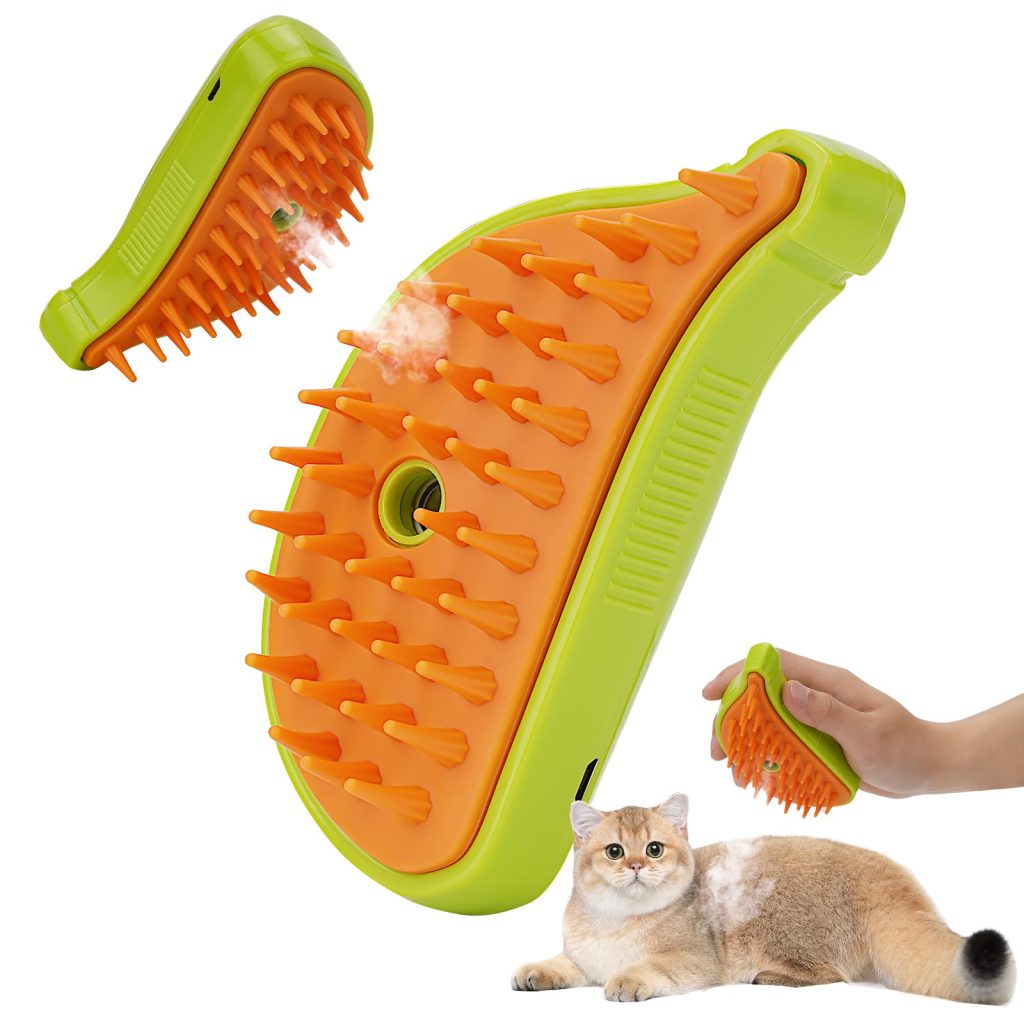
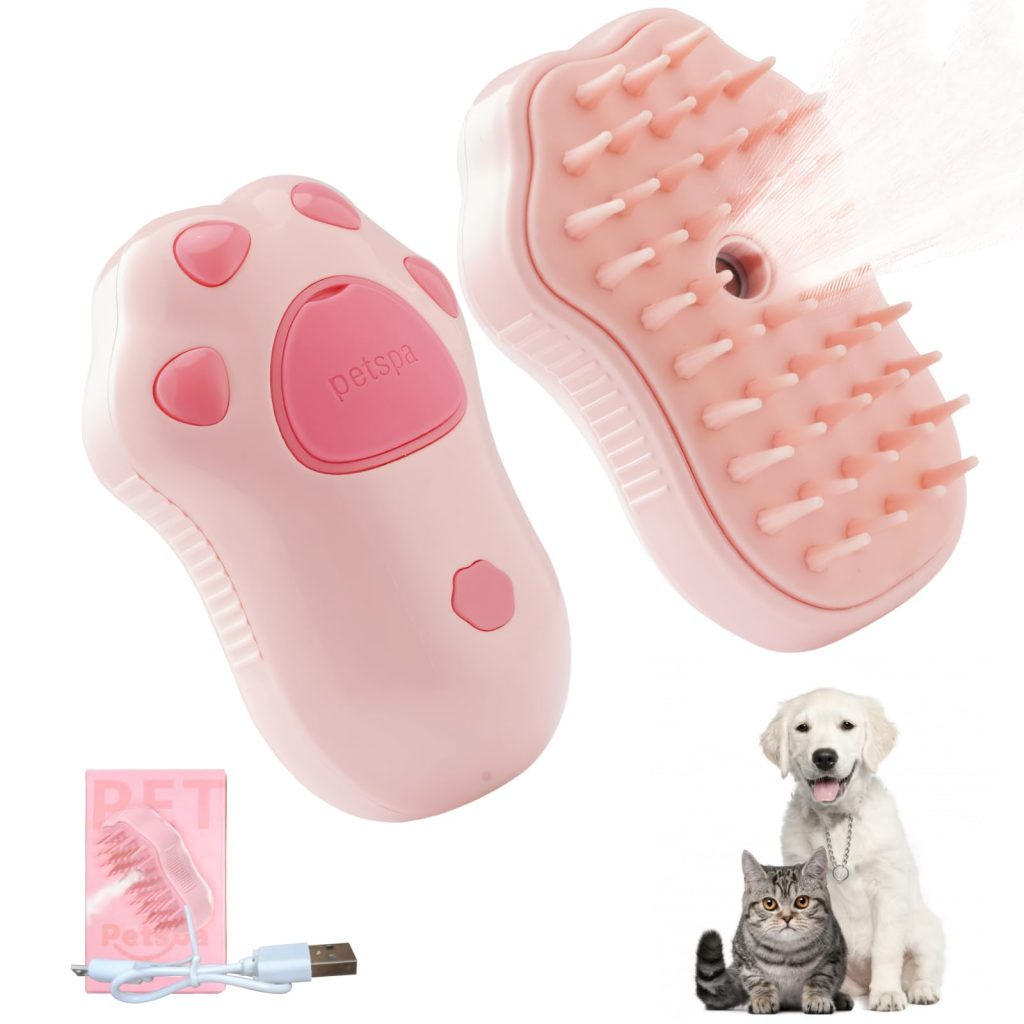
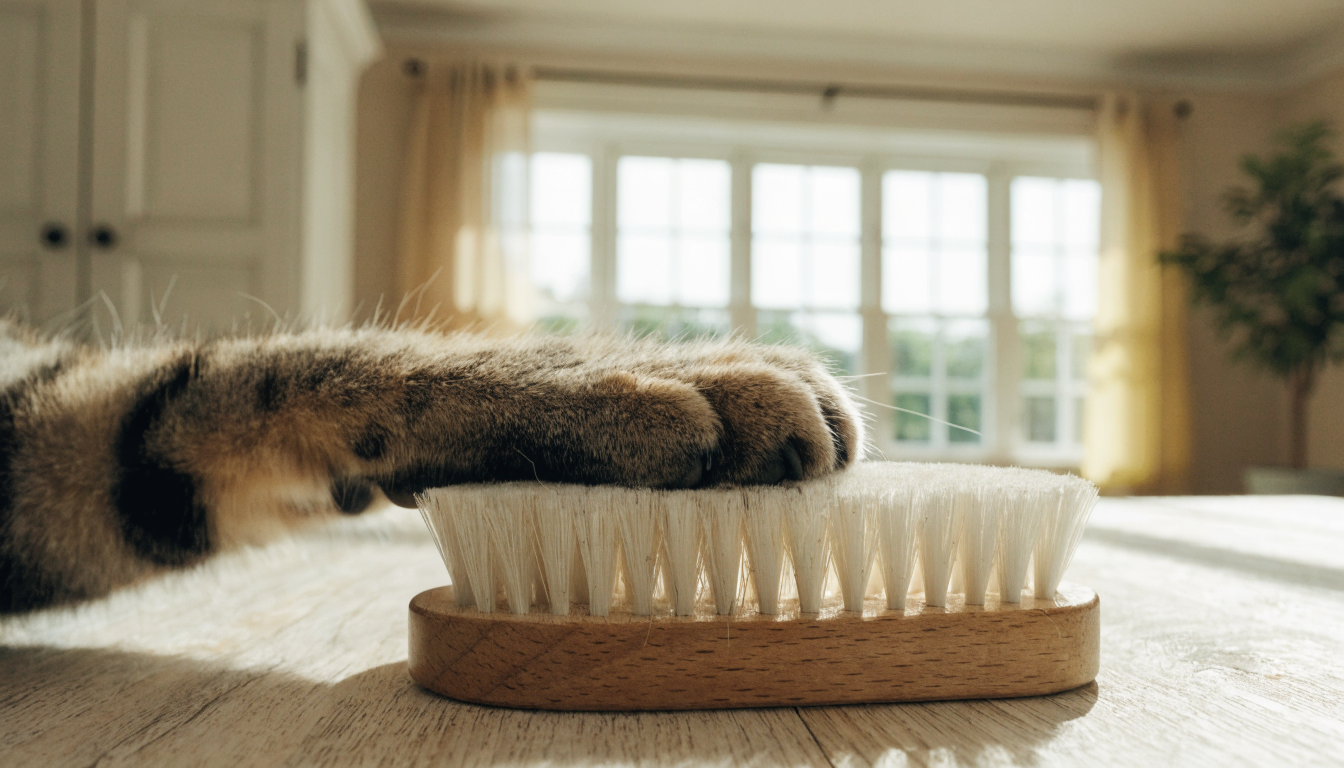
When contemplating the utility of grooming tools, one cannot ignore the impact of material design on a cat’s comfort. Bristle brushes with natural fibers may excel in distributing natural oils while avoiding overstimulation of sensitized dermal layers. Conversely, rubber or silicone-based grooming tools can provide a gentle massage effect, stimulating circulation while escorting loose fur into the waiting hands of devoted owners, thus preventing matting. Each instrument should be an extension of its user—chosen not only for its efficiency but also for its ability to foster a nurturing environment free from anxiety.
Continuous education and monitoring elevate the choice of grooming products to a life-affirming practice. Just as a seasoned sommelier attunes to the nuances of each vintage, so too must cat guardians deepen their understanding of their felines’ evolving needs. Engaging in regular consultations with veterinary dermatologists can elucidate the best paths forward, ensuring that products remain aligned with the unique biome that resides beneath each coat—an added layer of consideration that transforms everyday grooming into an insightful expedition into well-being.