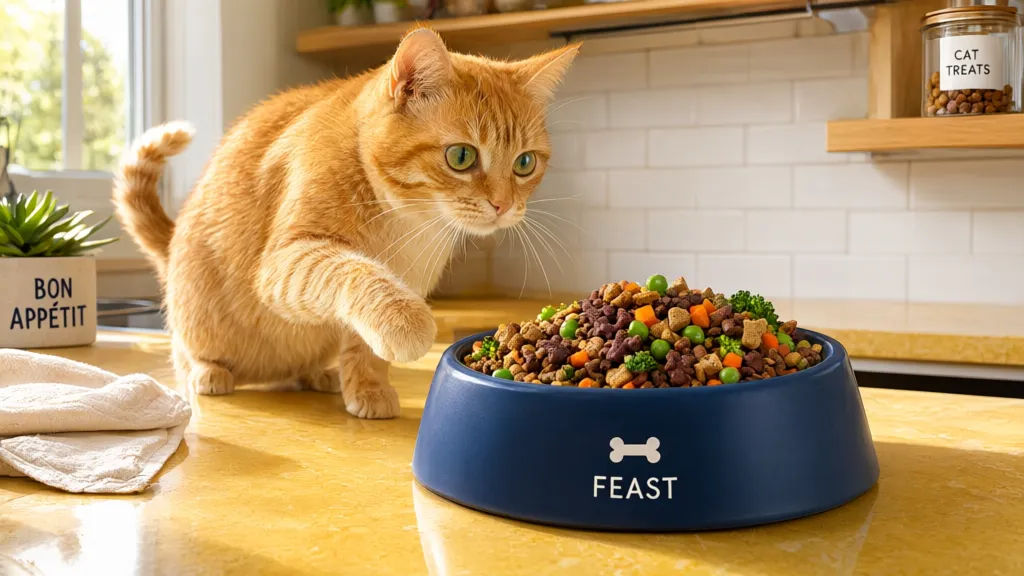
Obesity in cats is characterized by an excessive accumulation of body fat, posing significant health risks. Commonly, it’s defined as a body condition score (BCS) of 7 or higher on a 9-point scale. The etiology of feline obesity is multifactorial, including genetics, behavior, and environment. Certain breeds, such as Persians and British Shorthairs, exhibit a predisposition to obesity, likely due to lower energy expenditure and a higher propensity for sedentary behavior.
Behavioral aspects, such as overeating driven by free-feeding practices or reliance on high-calorie treats, contribute heavily to weight gain. The hormonal regulation of appetite also plays a role; for example, leptin resistance can occur in obese cats, diminishing the effectiveness of this hormone in regulating food intake. Additionally, stressors such as environmental changes or disruptions in routine can lead to increased food consumption as a coping mechanism.
Physiologically, obesity affects numerous systems within the feline body. It can lead to insulin resistance, heightening the risk for diabetes mellitus, a common endocrine disorder in overweight cats. The excess weight can also place undue stress on joints, leading to degenerative joint disease, which can exacerbate inactivity and further increase obesity. Moreover, studies indicate that obese cats have a higher incidence of urinary tract issues compared to their lean counterparts, likely due to concentrated urine and sediment formation.
There are observable signs of obesity beyond visual assessment, such as difficulty grooming, reduced playfulness, and lethargy. Weight gain can be gradual, making it less apparent to owners; thus, regular assessments and body condition evaluations are crucial. Tracking your cat’s weight monthly can help identify changes before they reach the threshold of overconsumption. Regular veterinary consultations should assess not only weight but also overall health, screening for potential complications associated with obesity.

Delectables Squeeze Up Variety Pack, Creamy Squeezable Puree, Lickable Wet Cat Treats, Grain Free, No Added Fillers, No by-Products, No Added Preservatives, 0.5 Ounces Tube, 20 Tubes Total
$9.97 (as of October 22, 2026 20:56 GMT +00:00 - More infoProduct prices and availability are accurate as of the date/time indicated and are subject to change. Any price and availability information displayed on [relevant Amazon Site(s), as applicable] at the time of purchase will apply to the purchase of this product.)Preventative measures are fundamental in managing the health of predisposed and mature cats. Establishing a structured feeding routine, offering appropriate portion sizes, and selecting nutritionally balanced food are critical. Encouraging physical activity through interactive play can counteract the sedentary lifestyle common in many indoor cats. Environmental enrichment that mimics natural hunting behaviors may promote exercise, which is essential for maintaining a healthy weight.
Ultimately, addressing cat obesity requires a multifaceted approach, integrating dietary management, behavioral modifications, and regular health monitoring to optimize long-term outcomes and enhance the quality of life for affected felines.
Essential Components of a Balanced Diet
A balanced diet for cats is not merely about portion control but rather encompasses the selection of appropriate macronutrients, micronutrients, and caloric content tailored to each cat’s unique needs. High-quality protein should predominate in a feline diet, given that cats are obligate carnivores, requiring amino acids such as taurine, arginine, and methionine to maintain optimal health. These proteins support muscle maintenance and metabolic functions, which are crucial for cats to sustain energy levels and activity, particularly in weight management contexts.
Fats, while energy-dense, are essential for intracellular functions and the absorptions of fat-soluble vitamins (A, D, E, K). Healthy fats, such as omega-3 and omega-6 fatty acids, should be included at a controlled level to support skin health, coat quality, and cognitive function. For weight management, it is imperative to assess the type and ratio of fats in the diet, as excessive quantities, particularly saturated fats, can contribute to obesity and associated health issues.
Carbohydrates should be limited, as cats have a low physiological need for them, and excessive carbohydrate intake can lead to metabolic imbalances. However, some high-fiber carbohydrates can be beneficial in moderation, aiding in gastrointestinal health and providing a sense of fullness without excessive calories. Select carbohydrate sources should be digestible and non-inflammatory, reducing the risk of digestive disturbances that could exacerbate obesity.
Micronutrient balance is equally crucial. Vitamins and minerals play various roles in enzymatic processes, immune function, and overall health. For instance, vitamin E supports cellular health and antioxidant functions, while essential minerals, including potassium and magnesium, are vital for maintaining nerve and muscle function. Over-supplementation or under-supplementation can lead to significant health issues, particularly in obese cats where metabolic functions are already compromised.
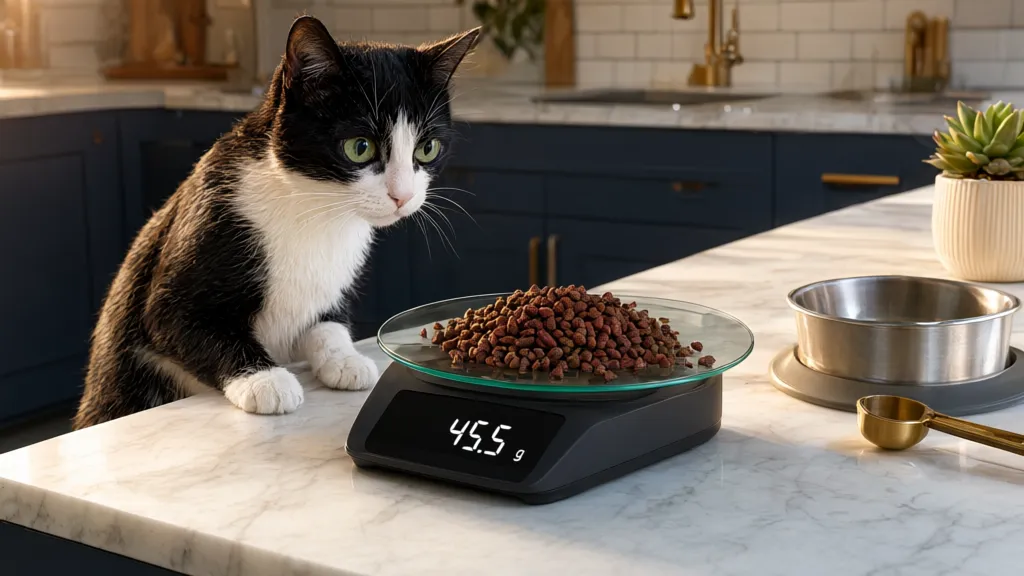
Portion control and calorie density must be critically evaluated against the cat’s activity level and overall health status. Employing calorie-density assessments can aid in determining appropriate caloric intake based on body condition score (BCS) and targeted weight loss goals. Many commercially available cat foods have specific formulations aimed at weight management, providing lower calorie density while maintaining palatability and nutrient adequacy.
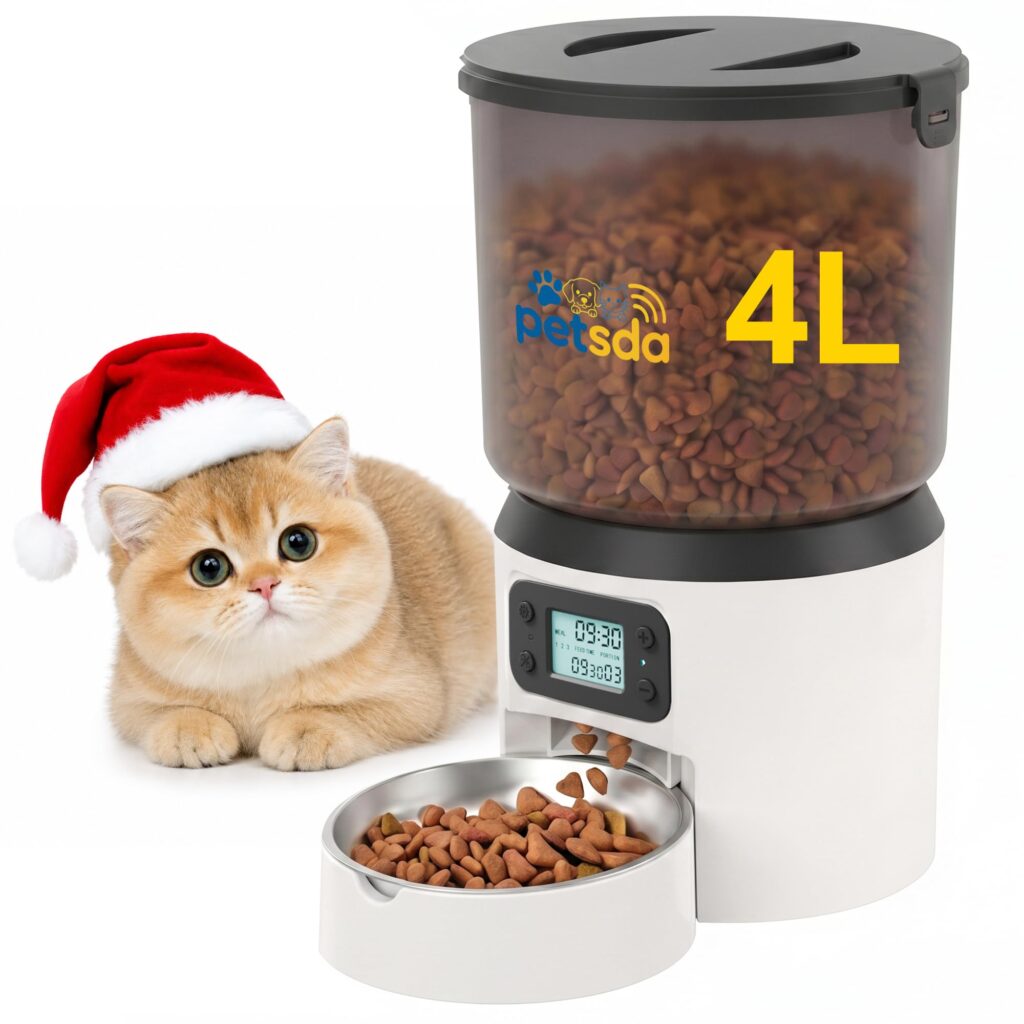
The timing and frequency of meals also play a significant role in managing feline weight. Structured feeding schedules, avoiding free-feeding, and using slow feeders can help regulate intake and promote satiety without excess caloric consumption. Additionally, monitoring food intake and maintaining a food diary can offer insights into eating behaviors, enabling better dietary adjustments to align with weight management objectives.
Understanding specific dietary needs based on age, breed, and health status is essential. Senior cats, for instance, may require fewer calories due to decreased metabolic rates, while younger cats need adequate nutrition to support growth and development. Consultation with a veterinary nutritionist familiar with feline dietary needs can yield tailored recommendations, reinforcing effective weight management strategies.
Practical Tips for Weight Management
Weight management in cats necessitates the formulation of a holistic strategy integrating dietary adjustments, activity promotion, and behavioral modifications. Begin by establishing a consistent feeding schedule, which effectively restricts calorie intake compared to free-feeding practices. Consider using measuring cups or a digital scale to provide precise portion sizes and prevent the unintentional overfeeding that commonly occurs when relying on visual estimates or ad libitum feeding.
Incorporate high-quality, weight management-specific cat food labeled with controlled calorie density and balanced macronutrients, particularly focusing on proteins with low-fat content. Transitioning to a new diet should be gradual over 7 to 10 days to minimize gastrointestinal disturbances. Monitor weight consistently, using a veterinary scale if possible, to track progress; weight should be reevaluated every two weeks, aiming for a weight loss of approximately 1-2% of body weight per week.
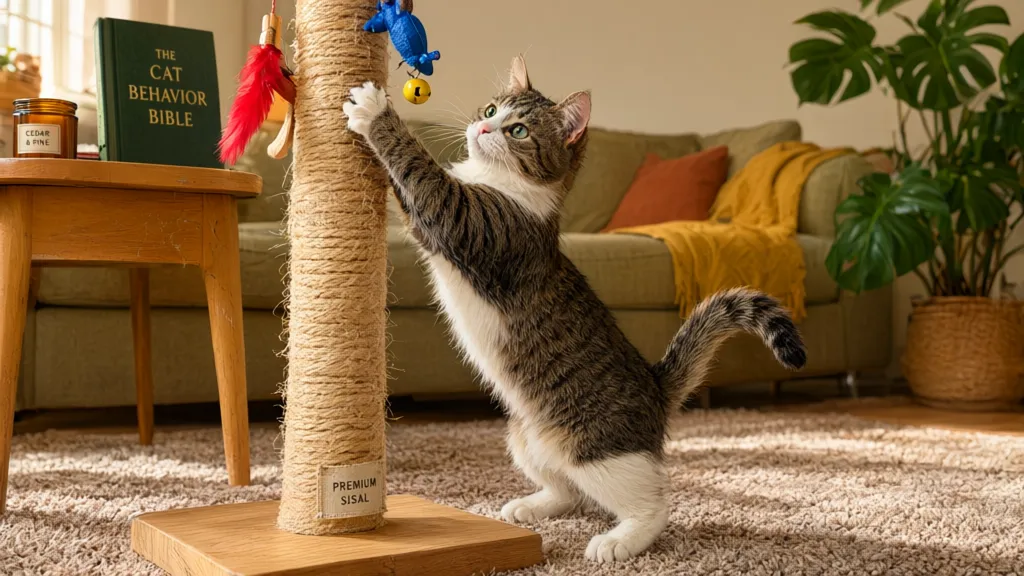
Behavioral enrichment is critical in promoting increased physical activity; use interactive toys that stimulate hunting instincts, such as feather wands and laser pointers to encourage exercise. Rotate toys frequently to maintain novelty and engagement, ensuring your cat remains active. Structured play sessions should be conducted daily, ideally lasting at least 15 to 30 minutes to facilitate sustained energy expenditure.
Environmental modifications can enhance opportunities for movement. Creating vertical spaces such as shelves or climbing structures allows cats to explore their surroundings, engaging in natural climbing behaviors while encouraging muscle use. Consider puzzle feeders to slow down eating and promote mental stimulation, which can reduce boredom and the urge to overeat due to inactivity.
Recognizing stress as a potential trigger for overeating is vital. Observe changes in food intake correlated with environmental shifts or routine modifications. Providing a stable environment, maintaining a predictable schedule, and introducing stress-relief tools, like pheromone diffusers, can mitigate stress-induced food consumption.
Monitoring water intake is equally relevant; ensure your cat has access to fresh water at all times as adequate hydration is necessary for overall metabolic health and can contribute to feelings of satiety. Some cats may prefer running water; consider investing in a water fountain to encourage higher water consumption.
Use a comprehensive diary to detail feeding habits, weight changes, and activity levels. This practice aids in identifying patterns over time and facilitates discussions with veterinary professionals. Regular consultations with veterinarian nutritionists allow for ongoing evaluations and adjustments to diet and management strategies, tailoring approaches based on specific needs, behavior, and health conditions.
By implementing these targeted strategies, cat owners can significantly improve their pet’s chances of successful weight loss while promoting an enhanced quality of life through sustained health and well-being.