Feline nutrition should be built around obligate carnivore physiology: cats require preformed amino acids, specific fatty acids, and nutrients that are naturally concentrated in animal tissue, not plant matter. Taurine deficiency can cause retinal degeneration, dilated cardiomyopathy, reproductive failure, and poor neonatal development because cats have limited capacity to synthesize taurine and lose it through bile. Arachidonic acid, vitamin A, and niacin also must come from animal sources because cats convert plant precursors inefficiently. Diets that rely heavily on legumes, starches, or novel protein isolates may appear “balanced” on paper, yet still fail to match the amino acid density, digestibility, and moisture profile of a prey-based diet.
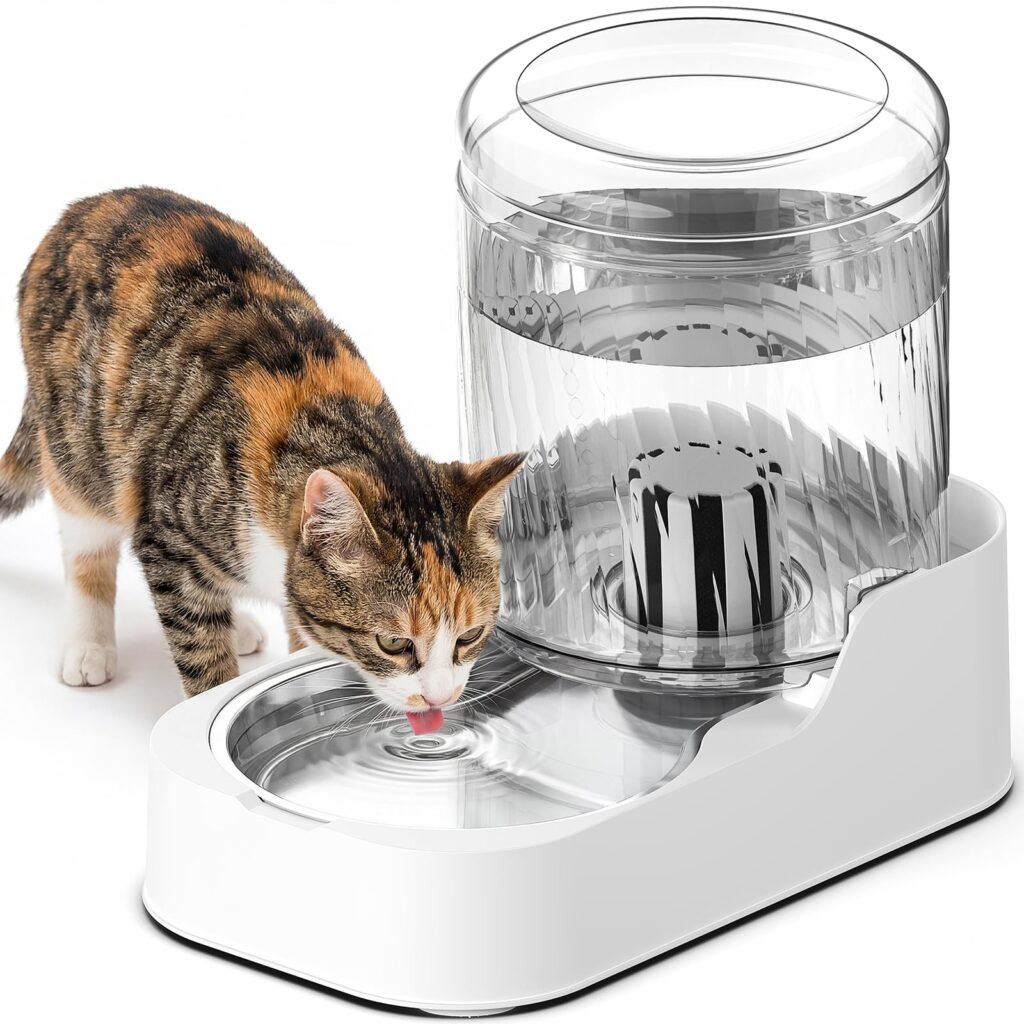
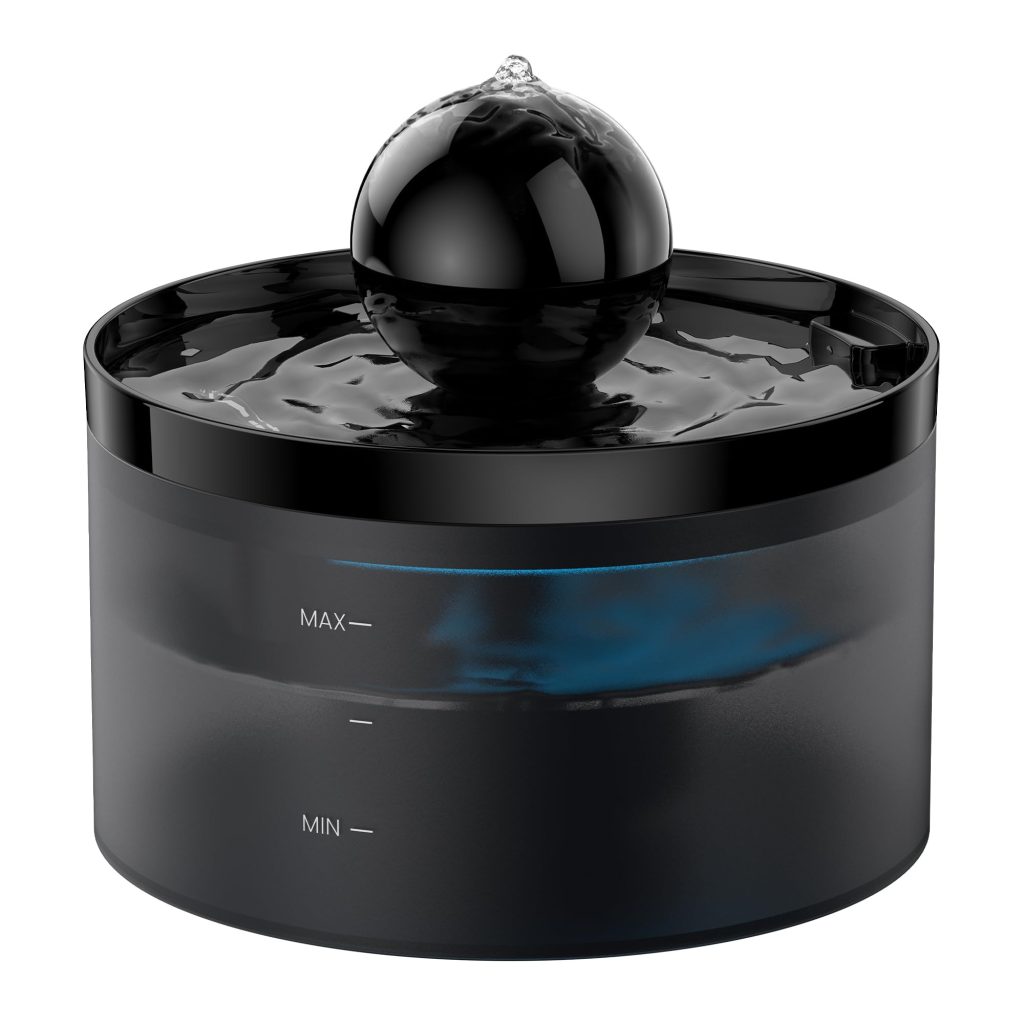
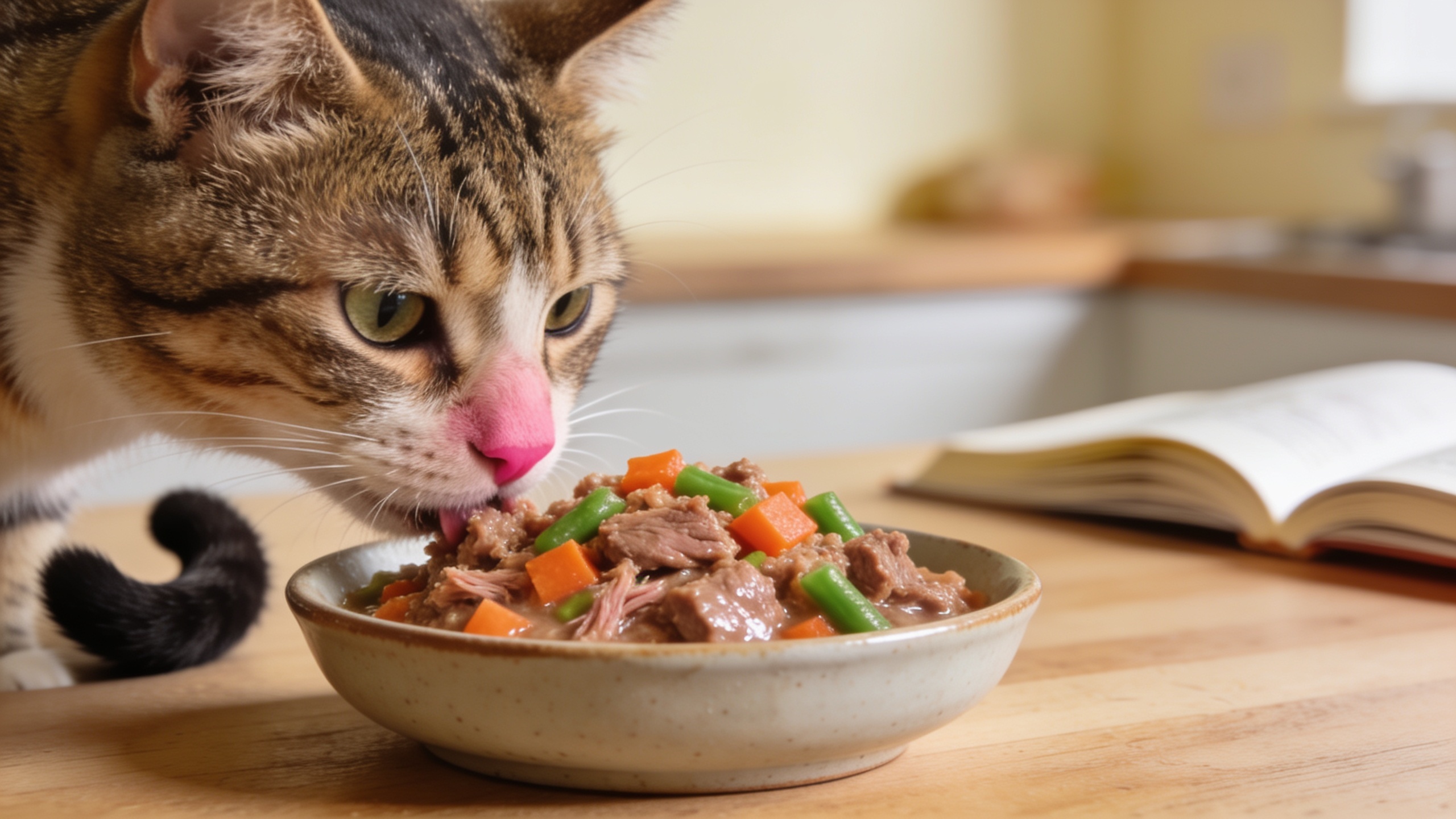
Moisture content is a major determinant of urinary and renal health. Cats evolved to obtain most water from prey, so chronic intake of dry kibble can increase urine concentration in cats that already drink little, especially older males, overweight cats, and breeds predisposed to lower urinary tract disease. Higher moisture diets support urine dilution, reduce crystal supersaturation, and help cats with constipation, idiopathic cystitis, or borderline kidney function maintain better hydration status. Cats with chronic kidney disease often benefit more from palatable, protein-appropriate wet food than from a diet simply labeled “low protein,” because excessive protein restriction can accelerate muscle loss and reduce food intake. The practical goal is controlled phosphorus, adequate highly digestible protein, and consistent calorie delivery.
Protein quality matters more than crude percentage. Cats need sufficient essential amino acids to preserve lean mass, immune function, and hepatic detoxification. Seniors, recovering cats, and those with hyperthyroidism, diabetes, or cancer often require a diet with higher digestibility and improved amino acid availability to prevent sarcopenia. Obese cats should not be placed on severe calorie restriction without preserving protein intake, because rapid fat loss with inadequate amino acids can precipitate hepatic lipidosis, especially in cats that stop eating for even 24 to 48 hours. Weight loss plans should favor measured portions, increased wet-food volume, and slower loss rates that protect muscle.
Ingredient tolerance and bowel health are best judged by the cat, not the label. Loose stool, vomiting after meals, excessive shedding, flatulence, pruritus, and recurrent ear inflammation can reflect food intolerance, but the same signs may also arise from parasites, inflammatory bowel disease, or dietary imbalance. A strict elimination diet requires single-source protein exposure and no flavored medications, treats, or chewable supplements that contaminate the trial. Cats with food-responsive dermatitis or enteropathy usually need 8 to 12 weeks of complete adherence before response can be interpreted.

Friskies Purina Seafood Sensations Dry Cat Food, 22 lb Bag | Crunchy cat kibble with salmon, tuna and shrimp flavors, with protein for healthy muscles and fatty acids for skin and coat
EUR 17.02 (as of September 24, 2026 14:32 GMT +00:00 - More infoProduct prices and availability are accurate as of the date/time indicated and are subject to change. Any price and availability information displayed on [relevant Amazon Site(s), as applicable] at the time of purchase will apply to the purchase of this product.)Common feeding mistakes include free-feeding calorie-dense dry food to sedentary indoor cats, switching diets abruptly in cats with sensitive GI tracts, using dog food as a substitute during shortages, and relying on plant-based “complete” foods without confirming taurine, arginine, vitamin A, and fatty acid adequacy. Rapid diet changes alter the microbiome and can trigger anorexia in cats that are highly neophobic. New foods should be introduced gradually over several days, with careful attention to stool quality, appetite, and litter box output. For cats with chewing difficulty, dental pain, or brachycephalic facial structure, smaller kibble alone is not enough; palatable wet textures or minced diets are often more realistic and less inflammatory to oral tissues.
Watch for subtle nutritional red flags: reduced grooming, muscle wasting over the spine and thighs, recurrent hairballs in an underfed cat, night hunger with weight loss, firm stool or straining, and drinking significantly more or less than baseline. These changes often appear before bloodwork shifts and can reveal that the diet is mismatched to the cat’s metabolism, age, activity, or disease burden.
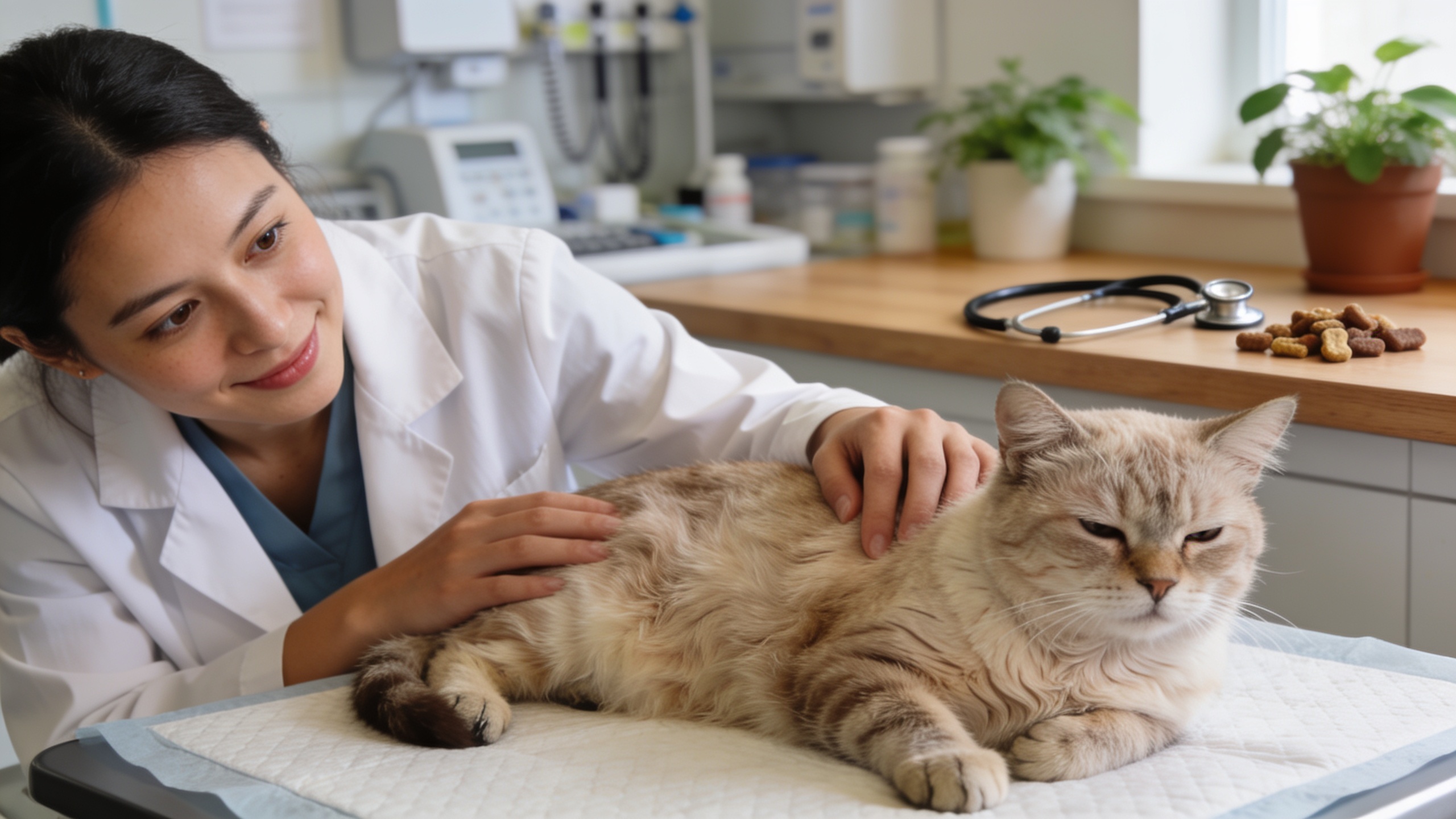
Preventive medicine in cats works best when it is anchored to early detection, because many common diseases progress quietly until organ reserve is already reduced. Annual wellness exams are usually insufficient for senior cats, cats with chronic illness, and breeds with known inherited risks; these patients benefit from examinations and targeted screening every 6 months, since thyroid disease, hypertension, dental infection, renal insufficiency, and arthritis can advance materially in that interval. Blood pressure measurement is often overlooked but should be routine in older cats, hyperthyroid cats, and cats with kidney disease, because systemic hypertension can damage the retina, brain, kidneys, and heart before obvious clinical signs appear. Fundic examination and urinalysis add information that serum chemistry alone can miss, especially in cats with early renal concentrating defects or occult proteinuria.
Stress reduction is not a wellness luxury in cats; it directly affects gastrointestinal motility, lower urinary tract inflammation, immune function, and food intake through sustained activation of the sympathetic nervous system and hypothalamic-pituitary-adrenal axis. Cats are highly sensitive to uncontrolled change, particularly in multi-cat homes, shelter environments, and households with inconsistent routines. Stress commonly presents as overgrooming, hiding, reduced play, litter box avoidance, nocturnal vocalization, cystitis flares, vomiting, or refusal of novel foods. In susceptible cats, emotional arousal can worsen idiopathic cystitis by altering bladder permeability and pain signaling, which is why environmental modification often reduces recurrence more effectively than repeated medication alone.
Environmental assessment should focus on resource distribution rather than room size. Each cat needs separate access to feeding stations, water sources, resting sites, scratchers, and litter boxes placed so a dominant cat cannot guard all pathways. The litter box target is one box per cat plus one extra, with large, uncovered boxes and unscented litter if the cat shows avoidance or periuria. Boxes should be cleaned frequently enough that odor does not build, because olfactory aversion can trigger holding behavior and cystitis. Vertical territory, hiding sites, and predictable retreat options reduce tension in cats that cannot escape social pressure at floor level. In multi-cat homes, repeated staring, blocking doorways, chasing, and interrupted eating are more predictive of stress than obvious fighting.
Routine is a physiologic intervention. Cats that are fed, medicated, and handled on a predictable schedule show lower arousal than cats exposed to irregular human activity, changing visitors, or frequent furniture rearrangement. If a cat is anxious about handling, training with brief, reward-based sessions can reduce fear responses to nail trims, ear medication, and carrier use. The carrier should be left accessible in the home as a resting place rather than appearing only before transport; fear conditioning around the carrier is a major cause of avoidable stress. Pheromone therapy may help some cats during transitions, but it works best when paired with measurable environmental improvements and not used as a substitute for space, predictability, and species-appropriate outlets.
Pain control is a core component of stress management because chronic pain changes behavior long before limping becomes obvious. Arthritic cats often stop jumping, use lower litter boxes, miss jumps onto furniture, or become irritable when touched along the spine or hips. Dental pain can present as chewing on one side, dropping kibble, preferring soft food, or sudden resistance to being petted around the face. Obesity amplifies pain by increasing joint load and inflammatory cytokine production, so body condition management is part of preventive care, not cosmetic maintenance. Cats that seem “grumpy” or withdrawn should be evaluated for pain sources before assuming temperament change.
Parasite prevention, dental prophylaxis, and prompt treatment of minor illness also reduce chronic stress load because discomfort compounds behavioral vulnerability. Flea dermatitis can trigger relentless grooming and sleep disruption; intestinal parasites can cause intermittent nausea and weight loss that owners misread as finickiness; gingivitis and stomatitis can suppress intake enough to produce hepatic risk in a matter of days. Any cat that hides, stops grooming, or changes litter habits deserves a physical exam rather than a wait-and-see approach, because cats commonly mask illness until compensatory mechanisms fail.
- Seek earlier evaluation for breeds with inherited risk patterns such as Maine Coons, Ragdolls, Persians, Scottish Folds, and Bengals, because cardiomyopathy, airway issues, polycystic kidney disease, osteochondrodysplasia, and lower urinary tract problems may emerge before obvious signs.
- Track baseline weight, body condition score, and muscle condition monthly; loss of dorsal or hindlimb muscle is a stronger red flag than scale weight alone in older cats.
- reduced appetite in a social eater, increased vocalizing at night, overuse of one litter box, urine outside the box, or sudden intolerance to petting.
- Use any pattern change as a trigger for diagnostics, because in cats, behavior shifts are often the earliest measurable sign of pain, nausea, endocrine disease, or inflammatory illness.