Feline cognition encompasses a range of mental processes, including perception, memory, problem-solving, and social understanding. Unlike humans, cats have a brain structure that prioritizes instinctual behavior and sensory processing, reflecting their evolution as solitary hunters rather than pack animals. The feline brain operates at approximately 90% of the capacity of a human brain, with a significant number of neurons concentrated in the cerebral cortex, which suggests a complex interplay of cognitive abilities.
Notably, cats have evolved unique adaptations that enable them to understand their environment and navigate challenges effectively. For instance, their acute sense of hearing allows them to detect high-frequency sounds produced by rodents, while their excellent night vision aids in low-light conditions, reinforcing their hunting skills. This sensory integration plays an important role in how cats interpret stimuli and make decisions.
Memory in cats is multifaceted; they possess both short-term and long-term memory capabilities. Research indicates that cats can retain information about tasks or individuals for extended periods, often drawing on previous experiences to inform future behavior. This is evident when cats recognize their owners’ schedules or types of interactions based on past rewards or discomforts. In addition, their spatial memory is particularly refined, enabling them to navigate complex environments with ease.
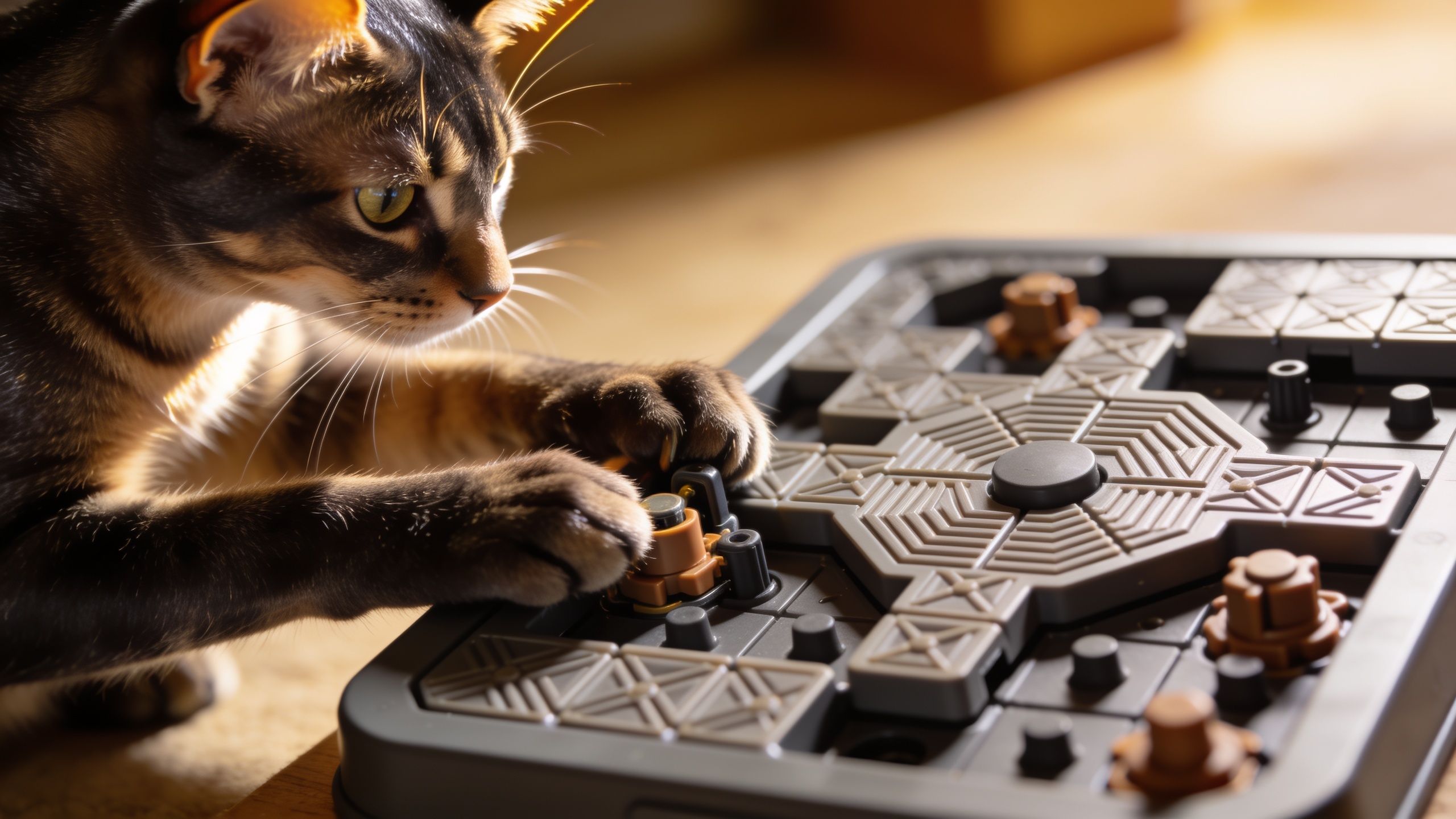
Cats exhibit problem-solving abilities, demonstrated through behaviors such as opening doors or manipulating objects to gain access to food. These actions suggest an understanding of cause-and-effect relationships, wherein the cat learns that specific actions lead to desirable outcomes. Environmental enrichment plays a significant role in stimulating these cognitive skills, with puzzle feeders and interactive toys promoting engagement and mental agility.

World's Best Cat Litter, Multiple Cat, Unscented, Odor Control, 15 lb Bag | Controls tough multi-cat odors and lasts 2x longer; natural corn litter, quick clumping, flushable, 99% dust free
EUR 17.21 (as of October 15, 2026 08:33 GMT +00:00 - More infoProduct prices and availability are accurate as of the date/time indicated and are subject to change. Any price and availability information displayed on [relevant Amazon Site(s), as applicable] at the time of purchase will apply to the purchase of this product.)Social cognition is also integral to feline intelligence. Despite their reputation for independence, cats can form strong bonds with their human companions and other animals. They use vocalizations, body language, and pheromonal communication to convey their needs and emotions. Understanding these signals enhances interactions and reflects their social awareness.
Age and breed influence cognitive function. Kittens exhibit rapid cognitive development, learning through exploration and play, while older cats may experience cognitive decline, similar to senility in humans. Breeds such as Abyssinians and Siamese tend to display higher curiosity and problem-solving capabilities compared to more reserved breeds, indicating genetic predispositions in cognitive behaviors.
Feline cognition is a complex interplay of sensory processing, memory retention, problem-solving, and social understanding influenced by evolutionary adaptations, age, and breed characteristics. Observing these cognitive behaviors can enhance the human-cat bond and guide owners in creating an environment that nurtures their feline companions’ intelligence.
Measuring Cat Intelligence
Measuring feline intelligence involves the assessment of various cognitive abilities, using both behavioral observations and standardized tests. Traditional methods have relied heavily on the observation of behaviors that indicate problem-solving skills, social interactions, and adaptability. For instance, the use of puzzle feeders can offer insights into a cat’s ability to navigate challenges and obtain rewards, highlighting capacities such as persistence and strategic thinking.
One method to measure problem-solving skills is the “string test,” where a cat must manipulate a string to access a reward. Successful completion of this task showcases spatial awareness and an understanding of means to an end. In a controlled environment, measuring how long it takes a cat to solve such puzzles or interact with objects provides quantitative data regarding cognitive speed and efficiency.
Additionally, social intelligence can be gauged through interaction-based assessments. For example, observing a cat’s response to its owner’s cues, such as hand signals or verbal commands, can reveal levels of social cognition and willingness to engage in cooperative behaviors. Cats that demonstrate consistent responses to such cues may possess higher levels of intelligence, especially when considering factors like reinforcement and prior experience.
Age significantly impacts cognitive measurement. Kittens may show remarkable learning curves, often adapting quickly to novel stimuli, while senior cats may exhibit behavioral changes that reflect cognitive decline. Testing memory retention through recall tasks can aid in distinguishing between typical age-related cognitive changes and pathological conditions, such as feline cognitive dysfunction syndrome (CDS).
Furthermore, environmental factors can skew intelligence measurement. Cats raised in enriched environments with diverse stimuli—such as toys, social interaction, and opportunities for exploration—tend to display higher problem-solving abilities compared to those in more restricted settings. Controlled studies can compare the cognitive performance of cats in varied environments, yielding insights into the importance of mental stimulation.
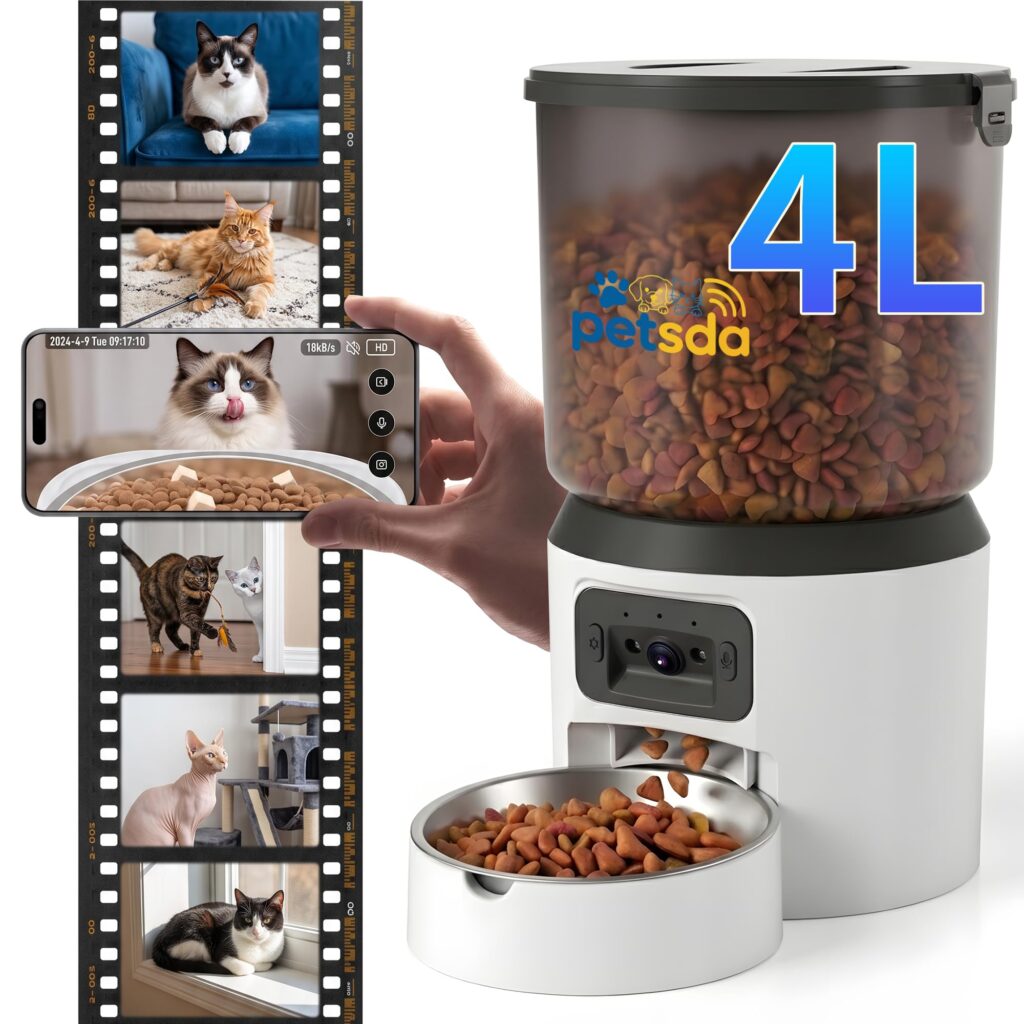
Use of technology, such as eye-tracking systems and motion detection, is becoming increasingly relevant in measuring feline intelligence. These tools can analyze how cats process visual stimuli and respond to various cues, providing a deeper understanding of their perceptual abilities and attention spans.
In research, standardized intelligence tests—similar to those applied in canine studies—are being developed to facilitate comparisons across breeds and individual cats. Such frameworks would allow for a broader categorization of intelligence levels among domestic cats, accommodating for genetic predispositions and individual variances.
Ultimately, measuring cat intelligence requires a multidisciplinary approach that combines observational methodologies, behavioral assessments, and innovative technologies to derive a comprehensive understanding of feline cognitive abilities.
Enhancing Your Cat’s Mental Skills
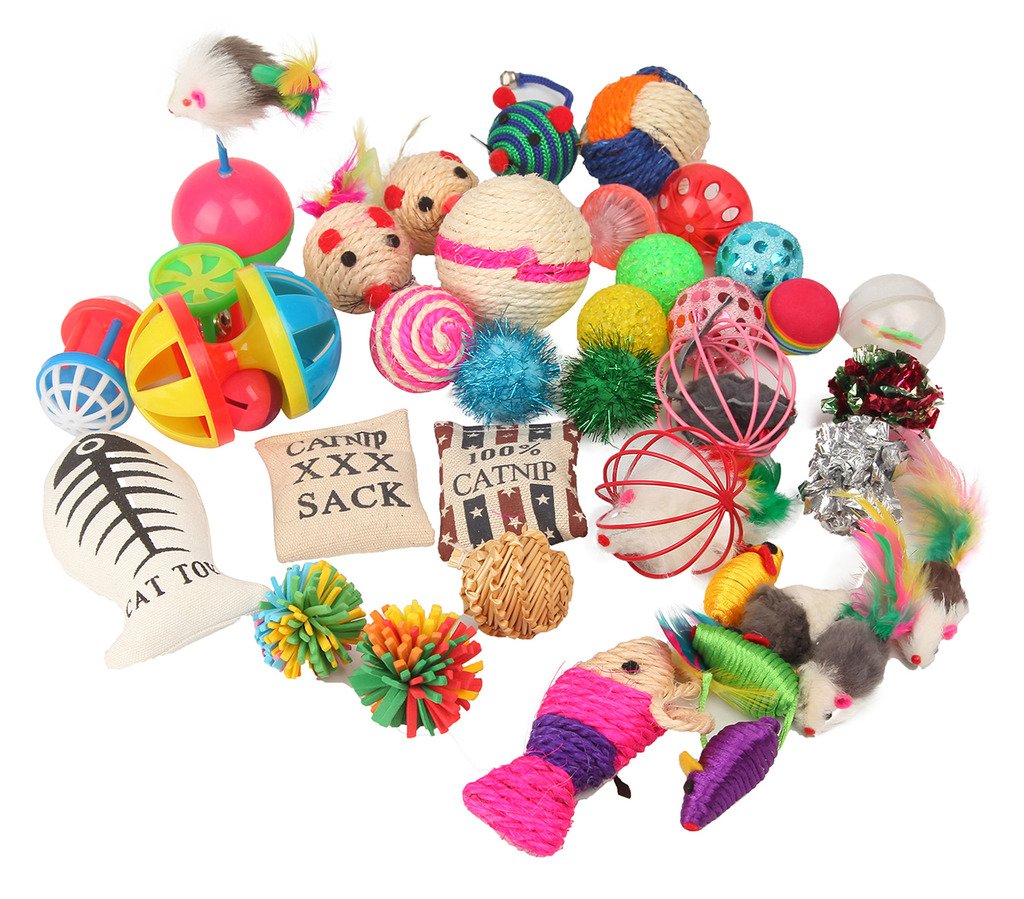
Enhancing feline mental skills is essential for promoting cognitive development and overall well-being. Structured environmental enrichment is a fundamental strategy that can significantly stimulate a cat’s cognitive abilities. This includes providing a variety of toys, such as interactive puzzle feeders that require problem-solving skills, which can help keep a cat mentally engaged. Rotating these toys regularly prevents boredom and allows cats to encounter new challenges, thereby encouraging exploration and mental agility.
Training sessions centered around positive reinforcement can further enhance cognitive skills. Employing clicker training or similar techniques can effectively teach basic commands or tricks, strengthening the bond between owner and cat while also stimulating the cat’s cognitive functions. These training exercises activate the brain through motor learning and memory retrieval, both critical components in developing intelligence. The consistent practice of commands introduces novelty, which especially important for sustained engagement and stimulation.
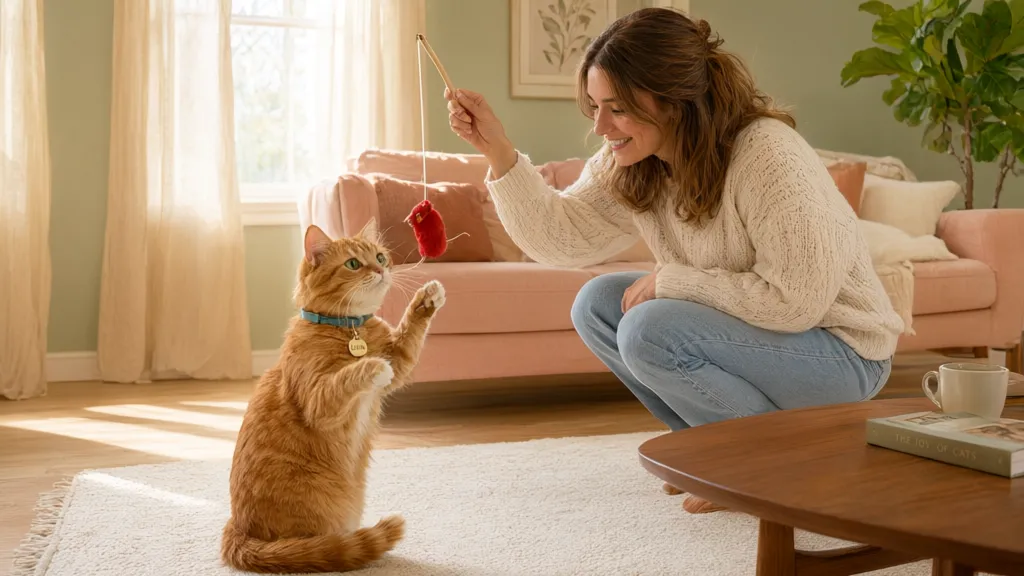
Social interaction significantly contributes to cognitive enrichment. Engaging with cats through play that simulates hunting behaviors, such as feather wands or laser pointers, not only satisfies their instinctual drives but also challenges their problem-solving capabilities as they strategize to catch elusive targets. Pairing this with social interaction—either with humans or other compatible cats—can enhance their social cognition, fostering awareness and adaptability in their social environment.
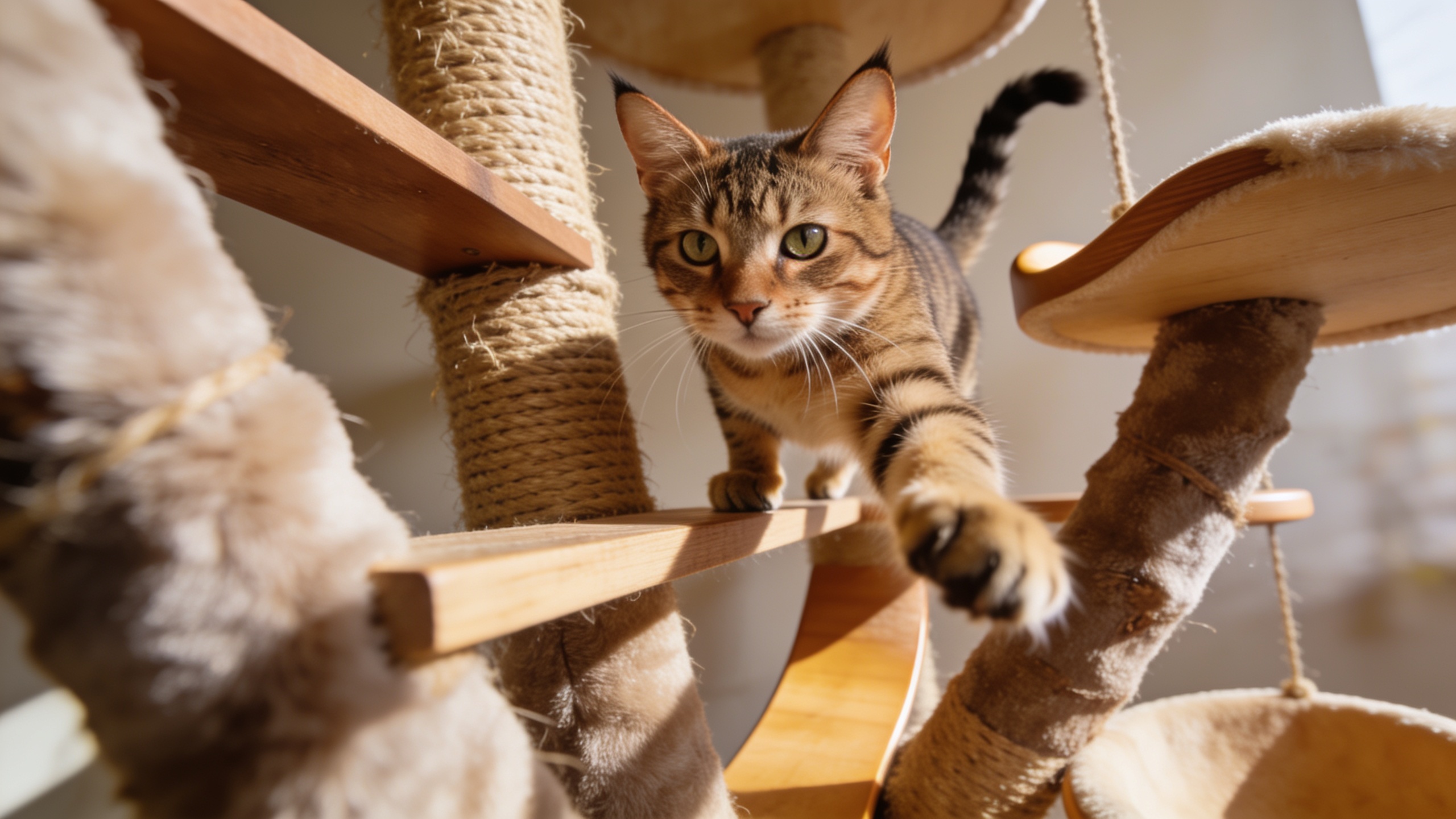
Physical activity is closely linked to cognitive function in cats. Encouraging climbing with cat trees or shelves allows cats to explore their vertical territory, promoting both physical and mental stimulation. Such environments mimic natural behaviors, helping to reduce stress and minimize behavioral issues linked to boredom and inactivity. The variation in vertical space also promotes spatial awareness and enhances memory as cats learn to navigate their surroundings effectively.
Mindfulness of dietary factors is paramount for cognitive health. Nutritionally balanced diets rich in omega-3 fatty acids, particularly DHA, have been linked to improved cognitive function. Foods specifically formulated for brain health can enhance memory and learning capabilities, particularly in older cats experiencing cognitive decline. Regular veterinary check-ups can assist in tailoring nutritional plans that cater to specific behavioral and cognitive needs as cats age.
Monitoring behavioral changes especially important in assessing the effectiveness of cognitive enhancement strategies. Cats that are more active, curious, and engaging with their environment indicate cognitive growth. Lack of enthusiasm, withdrawal, or excessive lethargy may signal cognitive decline or health issues, warranting further investigation. Owners should take note of any shifts in interaction with toys, social engagement, or responsiveness to training cues, as these can guide adjustments to enrichment practices.
Ultimately, creating a multifaceted approach to enhancing mental skills involves integrating environmental enrichment, social interaction, physical activity, nutrition, and observation. These components, collectively, contribute to a healthier and more intellectually engaged feline companion.