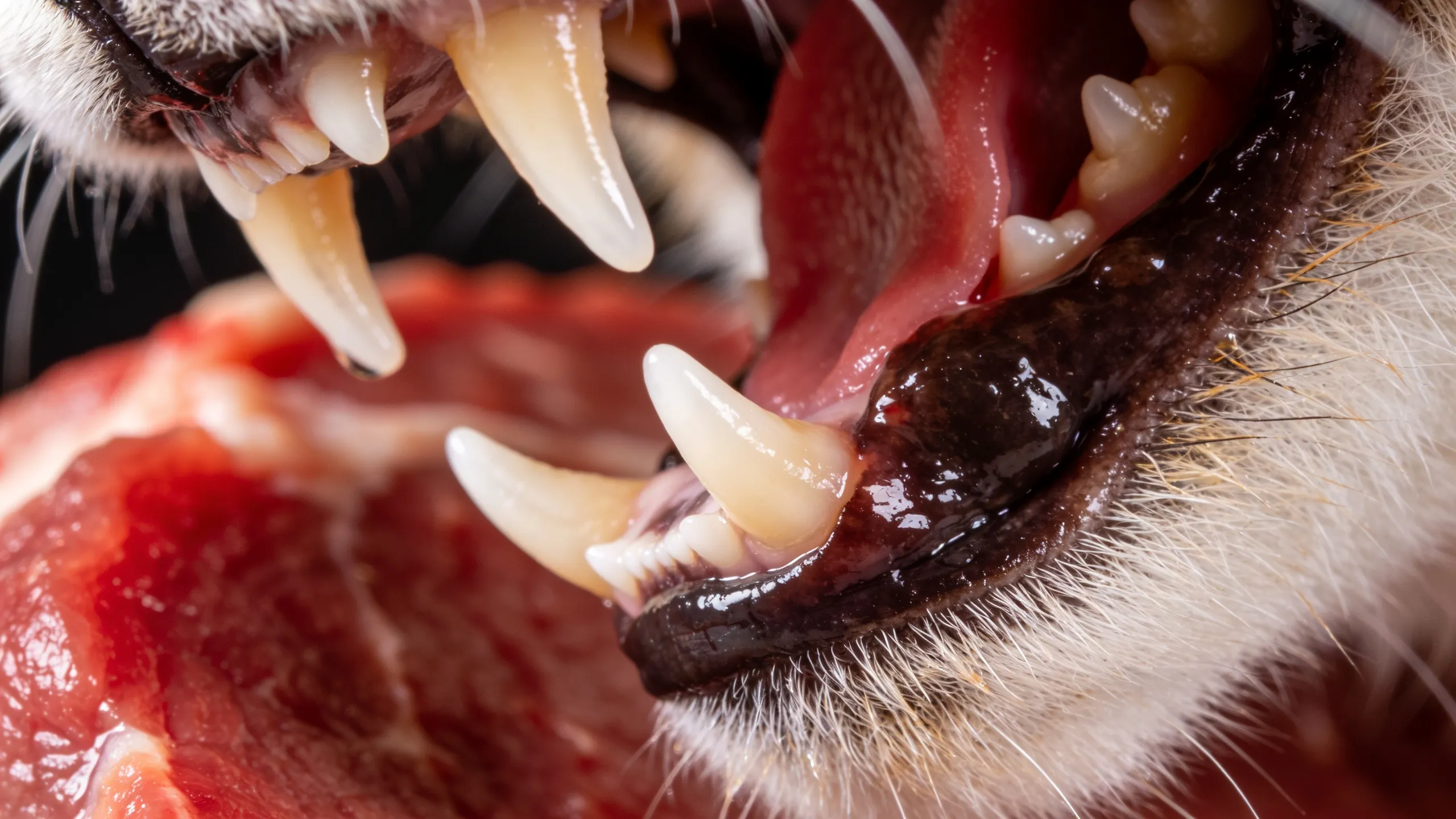
The feline digestive system is specialized for a carnivorous diet, with anatomical features that promote efficient processing of protein and fat while minimizing carbohydrate use. The system begins with the mouth, where sharp incisors and carnassial teeth facilitate the tearing of flesh. The lack of a significant digestive adaptation for cellulose, such as a cecum or large intestine present in herbivores, reflects their evolutionary history as obligate carnivores.
Upon ingestion, food travels through the esophagus via peristaltic waves to the stomach, which is highly acidic, with a pH typically between 1.5 and 3.0. This potent acidity not only initiates protein digestion but also serves a critical role in pathogen defense, preventing infections from consumed prey. The stomach’s lining secretes gastric juices, including pepsinogen, which upon activation becomes pepsin to hydrolyze proteins into peptides.
Following gastral processing, the partially digested food, or chyme, enters the small intestine, where the majority of enzymatic digestion and nutrient absorption occurs. The small intestine is divided into three segments: the duodenum, jejunum, and ileum. The duodenum receives bile from the liver and pancreatic enzymes that are essential for fat emulsification and further carbohydrate and protein digestion. The jejunum is the focal point for nutrient absorption, with a highly folded mucosal surface to maximize absorption area. Absorbed nutrients then enter the bloodstream via the portal vein, which directs them to the liver for processing.
The liver plays a pivotal role in metabolic regulation, detoxification, and the production of bile, which aids in fat digestion. The pancreas complements this by secreting digestive enzymes, including lipases, amylases, and proteases. The secretion of these enzymes is influenced by hormonal signals, primarily cholecystokinin and secretin, based on the presence of nutrients in the duodenum.

Rocco & Roxie Enzyme Stain & Odor Eliminator, 32 Fl Oz | Bio-enzymatic urine destroyer; CRI Certified Safe; made in USA; for carpets, bedding, litter boxes, crates & cars
EUR 21.40 (as of October 13, 2026 08:25 GMT +00:00 - More infoProduct prices and availability are accurate as of the date/time indicated and are subject to change. Any price and availability information displayed on [relevant Amazon Site(s), as applicable] at the time of purchase will apply to the purchase of this product.)The remaining unabsorbed material passes into the large intestine, where water and electrolytes are reabsorbed. The feline colon is relatively short and designed to minimize the time waste spends in the digestive tract, reflecting the cat’s need to quickly eliminate indigestible portions of its prey. The microbiome within the colon contributes to fermentation processes, although less significant than in omnivores or herbivores due to the feline’s protein-centric diet.
Age, breed, and individual health significantly influence the efficiency and capacity of this digestive system. For instance, certain breeds exhibit genetic predispositions to gastrointestinal disorders, highlighting the importance of breed-specific knowledge in veterinary diagnostics and care. Moreover, as cats mature, their digestive enzyme production may decline, necessitating dietary adjustments. A thorough understanding of these anatomical and physiological aspects is essential for the effective management and treatment of digestive disorders in felines.
Common feline digestive disorders
Common digestive disorders in felines can range from benign to severe, and understanding these conditions requires recognizing their clinical presentation and underlying mechanisms. Hairball formation is prevalent among cats due to their grooming habits; ingested fur accumulates in the stomach and can lead to vomiting or obstructive episodes if not expelled. The inability to pass hairballs can result in gagging or retching, necessitating vigilant observation for any changes in defecation or appetite.
Inflammatory bowel disease (IBD) is a multifactorial condition characterized by chronic intestinal inflammation, often linked to food sensitivities or allergens. Clinical signs include chronic vomiting, diarrhea, and weight loss. Affected cats may exhibit intermittent or consistent symptoms, making early diagnosis challenging. Histopathological examination of biopsies is pivotal in establishing the diagnosis and differentiating IBD from other conditions, such as intestinal lymphoma.
Gastroenteritis, often due to infectious agents, dietary indiscretion, or toxins, leads to inflammation of the stomach and intestines. Symptoms typically include vomiting, diarrhea, and abdominal pain. In severe cases, dehydration can occur rapidly, necessitating immediate veterinary intervention. Thorough history taking is vital to identify potential causative factors, which aids in tailoring effective treatment strategies.
Constipation, frequently seen in older or dehydrated cats, can become severe and lead to megacolon if not addressed. Signs of constipation include infrequent or painful defecation. Monitoring litter box behavior is essential, as unsatisfactory elimination can indicate underlying health issues. Dietary modifications, such as increased fiber or hydration, alongside appropriate medications, can significantly alleviate constipated conditions.
Pancreatitis, inflammation of the pancreas, can be acute or chronic and is often precipitated by high-fat diets or underlying metabolic disorders. Clinical signs may be vague—anorexia, vomiting, and lethargy are common—and diagnostic imaging alongside serum enzyme elevation especially important for detection. Management typically incorporates a low-fat diet and supportive care, emphasizing the need for careful dietary considerations in predisposed breeds.
Finally, feline hepatic lipidosis, a life-threatening condition resulting from excessive fat accumulation in the liver, commonly arises from prolonged anorexia or rapid weight loss. Symptoms can appear subtly but often include jaundice, vomiting, and behavioral changes. Diagnosis rests on biochemical analysis and imaging. Treatment focuses on nutritional rehabilitation and addressing underlying triggers.
Awareness of these common feline digestive disorders underscores the importance of monitoring signs and seeking timely veterinary care. Each condition requires a multifaceted approach considering the cat’s individual health, age, and breed predispositions, as well as a tailored nutritional strategy to support recovery and gastrointestinal health.
Diagnostic methods for feline digestive issues
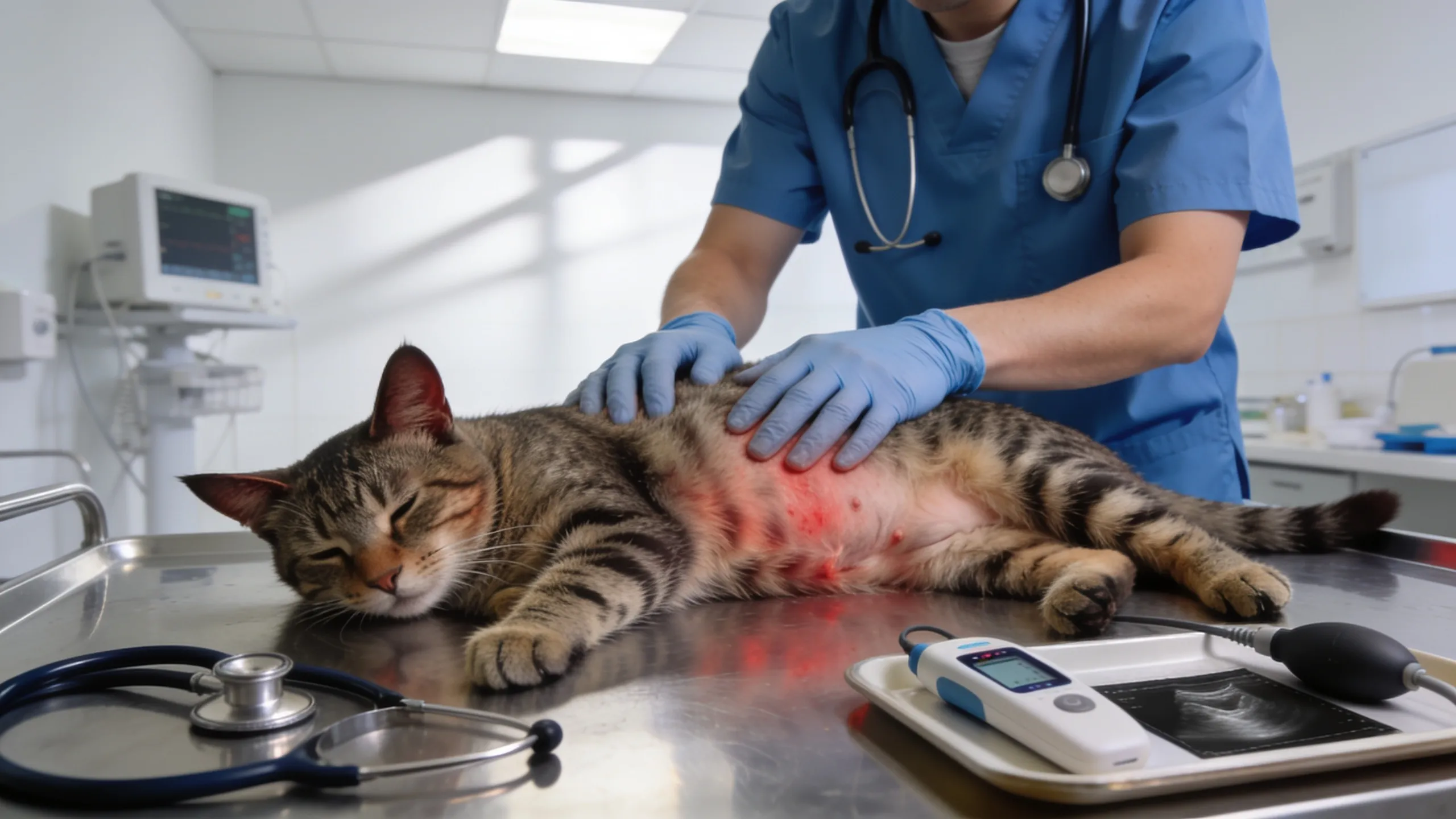
Diagnostic approaches for feline digestive issues demand a multi-faceted strategy, integrating clinical assessment, laboratory analysis, and imaging techniques to establish an accurate diagnosis and appropriate treatment plan. Initially, a thorough history and physical examination by a veterinarian is essential to identify clinical signs that may correlate with specific gastrointestinal disorders. Observations such as the frequency and consistency of bowel movements, vomit characteristics, and appetite changes can provide critical insights.
Abdominal palpation often reveals tenderness, distension, or inflammation, and can suggest specific conditions such as pancreatitis or gastrointestinal obstructions. Additionally, a detailed history of dietary habits, changes in behavior, and recent exposures to toxins or infectious agents informs risk factors for conditions like gastritis or gastroenteritis.
Laboratory diagnostics are invaluable, with complete blood counts (CBC) and serum biochemistry panels revealing signs of systemic disease, dehydration, and organ function impairment. Elevated liver enzymes may indicate hepatic dysfunction, while low levels of potassium can be suggestive of gastrointestinal losses associated with vomiting or diarrhea. Urinalysis complements this, as it can identify systemic dehydration and urinary conditions that might co-exist with gastrointestinal disorders.
Fecal examinations are crucial for ruling out parasitic infections or bacterial overgrowth, especially in cases of chronic diarrhea. Specific tests, including fecal culture or polymerase chain reaction (PCR) testing, help to identify infectious agents and guide targeted treatment strategies. Additionally, specialized assays may be employed to evaluate for specific conditions, such as the measurement of pancreatic lipase for pancreatitis or serum folate and cobalamin levels for assessing intestinal absorption capabilities in cases of IBD.
Imaging techniques, such as abdominal ultrasound or radiographs, play an important role in visualizing the gastrointestinal tract and surrounding structures. Ultrasound is particularly useful for identifying organ enlargement, masses, or specific inflammatory changes, allowing for a non-invasive assessment of the gastrointestinal system. Radiographs can reveal signs of obstruction or motility disorders, although they provide limited information on soft tissue structures compared to ultrasound.
Endoscopy, including gastrointestinal endoscopy or colonoscopy, offers direct visualization of the digestive tract and allows for biopsy collection when necessary. These biopsies are essential for histopathological evaluation to diagnose chronic conditions such as IBD or neoplastic disorders. The combination of these diagnostic modalities enables veterinarians to discern complex gastrointestinal disorders effectively and develop tailored management plans that address both the underlying issues and the cat’s unique physiological requirements.
Nutritional management and care strategies
Nutritional management for cats with digestive disorders requires a thorough understanding of the underlying conditions, individual metabolic needs, and dietary modifications that can support gastrointestinal health. For cats suffering from conditions like inflammatory bowel disease (IBD), a highly digestible diet that minimizes the potential for allergens is paramount. This often involves using novel protein sources, such as duck or venison, to reduce immune-mediated reactions, alongside hydrolyzed protein diets that lower the likelihood of triggering sensitivities.
In cases of malabsorption, such as with IBD or chronic enteropathy, incorporating diets enriched with prebiotics and probiotics can be beneficial. Prebiotics, like inulin, enhance the growth of beneficial gut microbiota, while probiotics can help restore microbial balance in the gut. Furthermore, customized diets containing higher fat content are advantageous, as they provide concentrated energy sources necessary for cats that struggle to maintain weight due to malabsorption issues.
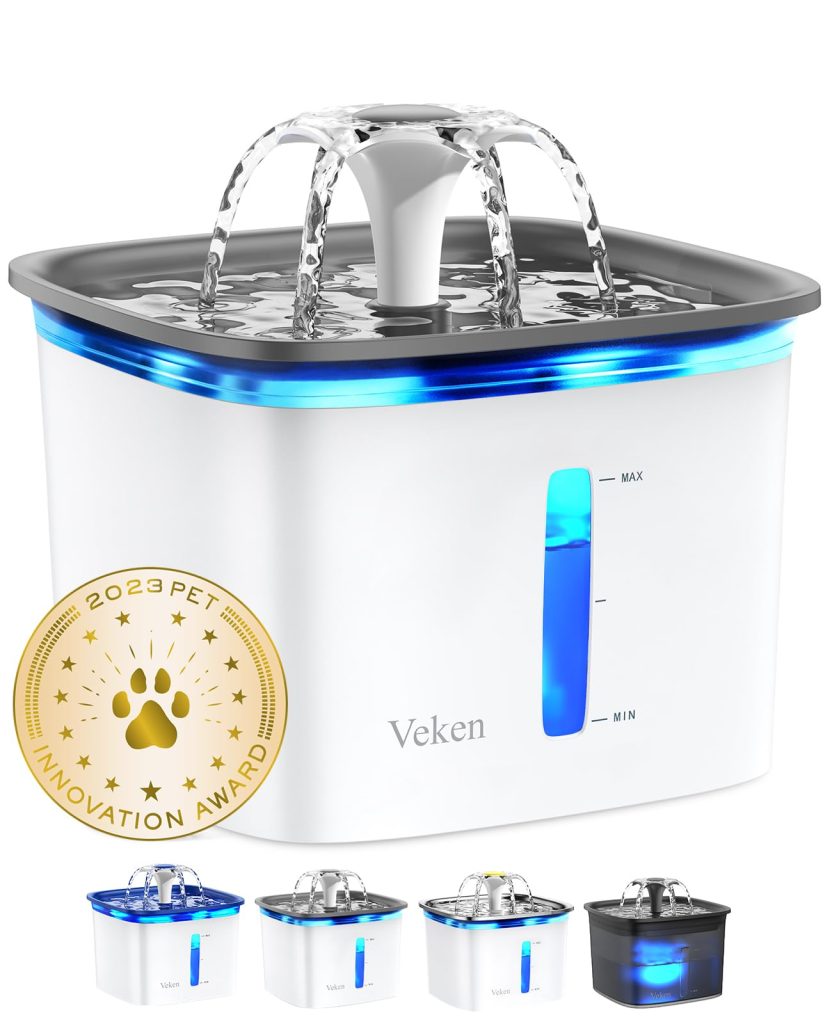
When addressing hairball prevention, high-fiber diets can assist in promoting normal motility and expelling ingested hair. Fiber sources such as psyllium or beet pulp increase stool bulk and speed up transit time through the gastrointestinal tract, reducing hair accumulation. It’s also vital to ensure adequate hydration, as dehydration can exacerbate constipation and lead to more severe digestive issues like megacolon. Encouraging water intake through wet food formulations or fountains can improve hydration for cats prone to urinary and digestive complications.
For cats diagnosed with pancreatitis, a low-fat diet is critical to prevent exacerbation of the condition. These diets help alleviate stress on the pancreas, allowing it to recover. Careful consideration of carbohydrate sources is also necessary, as high-carb diets can provoke further metabolic issues. Smaller, more frequent feedings can reduce the risk of digestive upset and improve caloric intake without overwhelming the gastrointestinal system.
Monitoring weight and body condition is essential for any cat with digestive disorders. Regular weigh-ins can help identify unintentional weight loss, which may indicate worsening of the condition. Body condition scoring provides a visual reference to assess whether dietary adjustments are effectively maintaining optimal health. Furthermore, consulting with a veterinary nutritionist may yield tailored dietary plans that adopt specific calorie-to-nutrient ratios based on the cat’s age, breed, and health status.
Signs of dietary dissatisfaction, such as rejection of food, changes in stool consistency, or vomiting, necessitate prompt reassessment of the feeding strategy. A gradual introduction of any diet changes is important to minimize gastrointestinal upset. Additionally, supplementing diets with vitamins and minerals may be warranted, particularly in cases where malabsorption is present, to ensure adequate nutritional support and prevent deficiencies.
Effective nutritional management incorporates ongoing evaluation and adaptation based on each cat’s clinical response, highlighting the importance of a holistic approach to care that aligns feeding strategies with overall health status. Continuous communication with veterinary professionals enhances the likelihood of successful dietary interventions to support digestive health in felines.