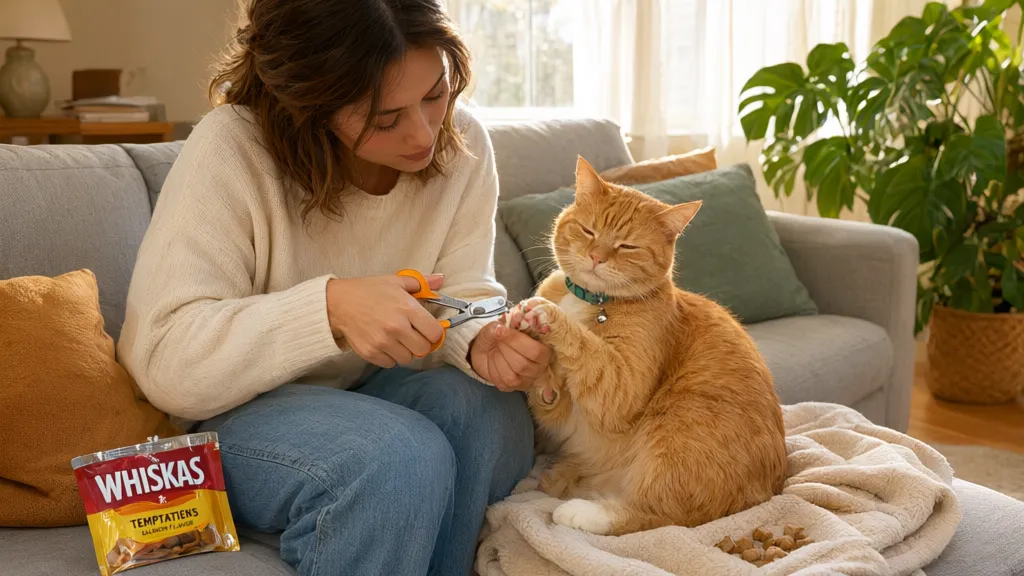
Cat Claw Clipping: How Often and How Much
Most indoor cats need their claws clipped about every 2–4 weeks, but growth rate and wear vary. Check all four paws weekly and set the interval by what you observe: claws that become needle-sharp, catch repeatedly on fabric, or begin curving toward the paw need attention sooner. Scratching removes the loose outer claw sheath; it...
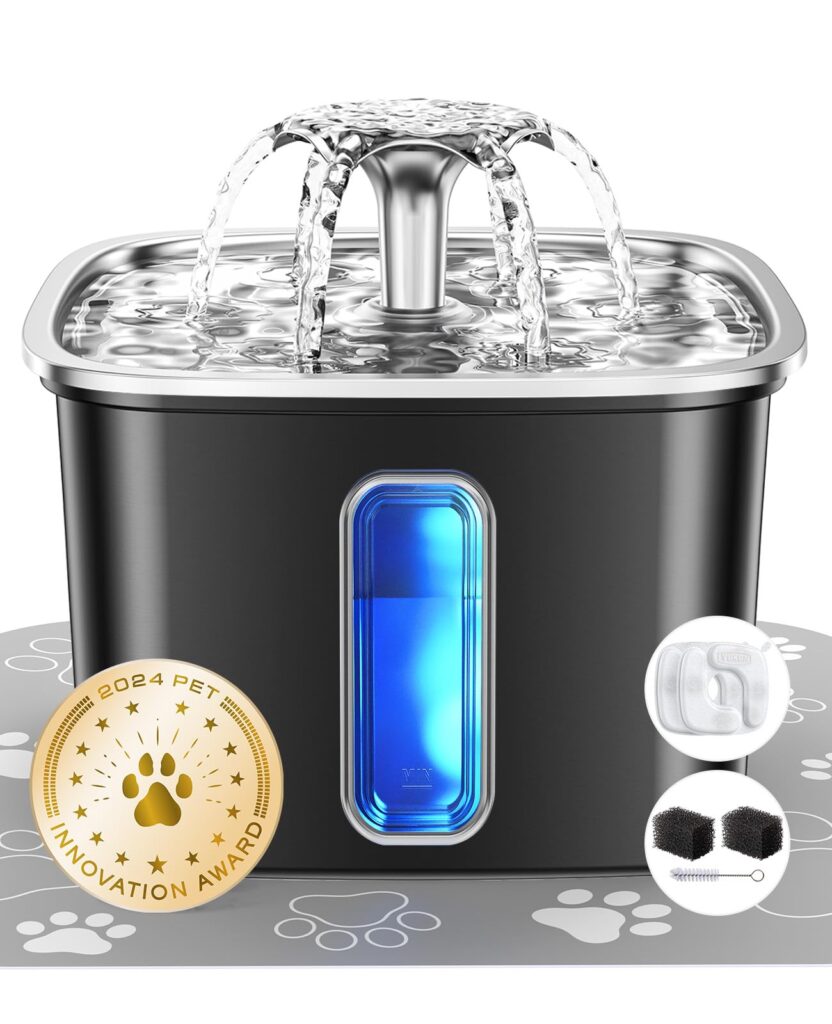
Veken Stainless Steel Cat Water Fountain
The Veken C1 combines a 108-ounce (3.2-liter) reservoir with a stainless-steel drinking surface, a circulating pump, and replaceable filters. For cats who prefer moving water, a fountain may make drinking more appealing, but no design can guarantee that every cat...
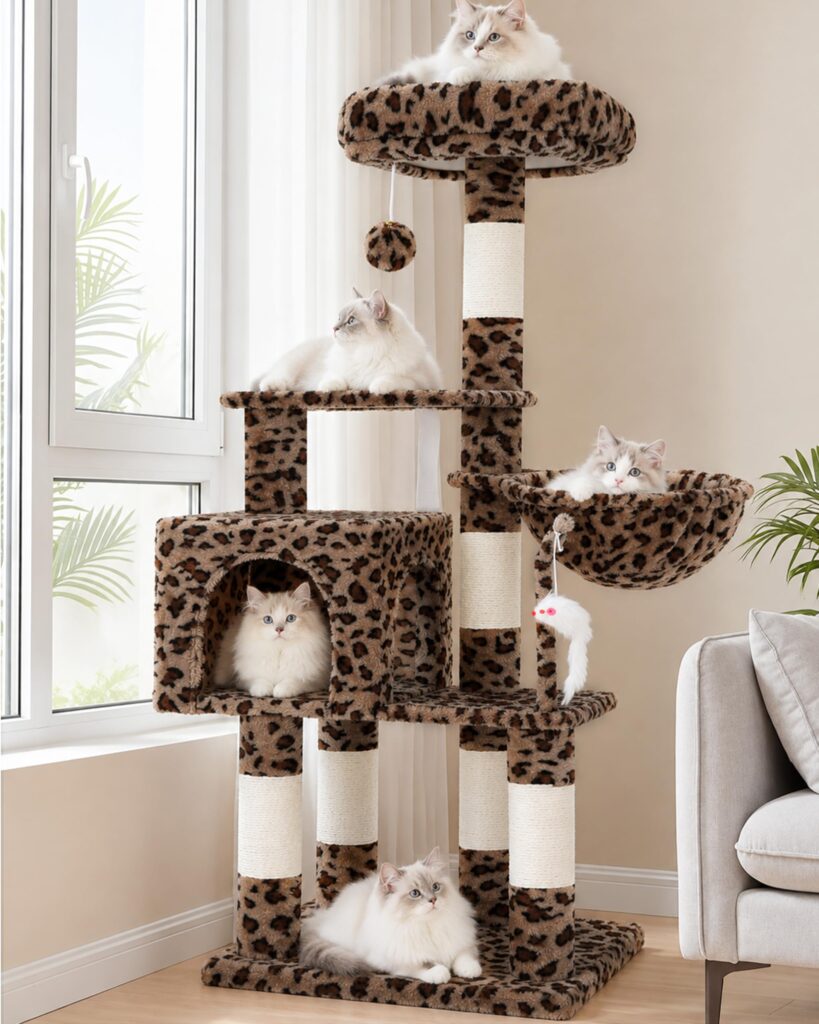
Heybly HCT004SG Cat Tree
The Heybly Cat Tree is a compact, 43.3-inch indoor climbing and resting station with sisal-wrapped posts, two platforms, a padded top perch, a hammock, and attached toys. Its layout offers several ways to climb, scratch, nap, and observe household activity—useful...

Snowshoe
Snowshoes developed as a practical response to deep, loose snow: spreading a person’s weight over a larger area reduces sinking and makes travel possible when ordinary footwear would bog down. Their exact place and date of origin are uncertain. Archaeological evidence and historical accounts point to a long history of snow travel across northern Eurasia...
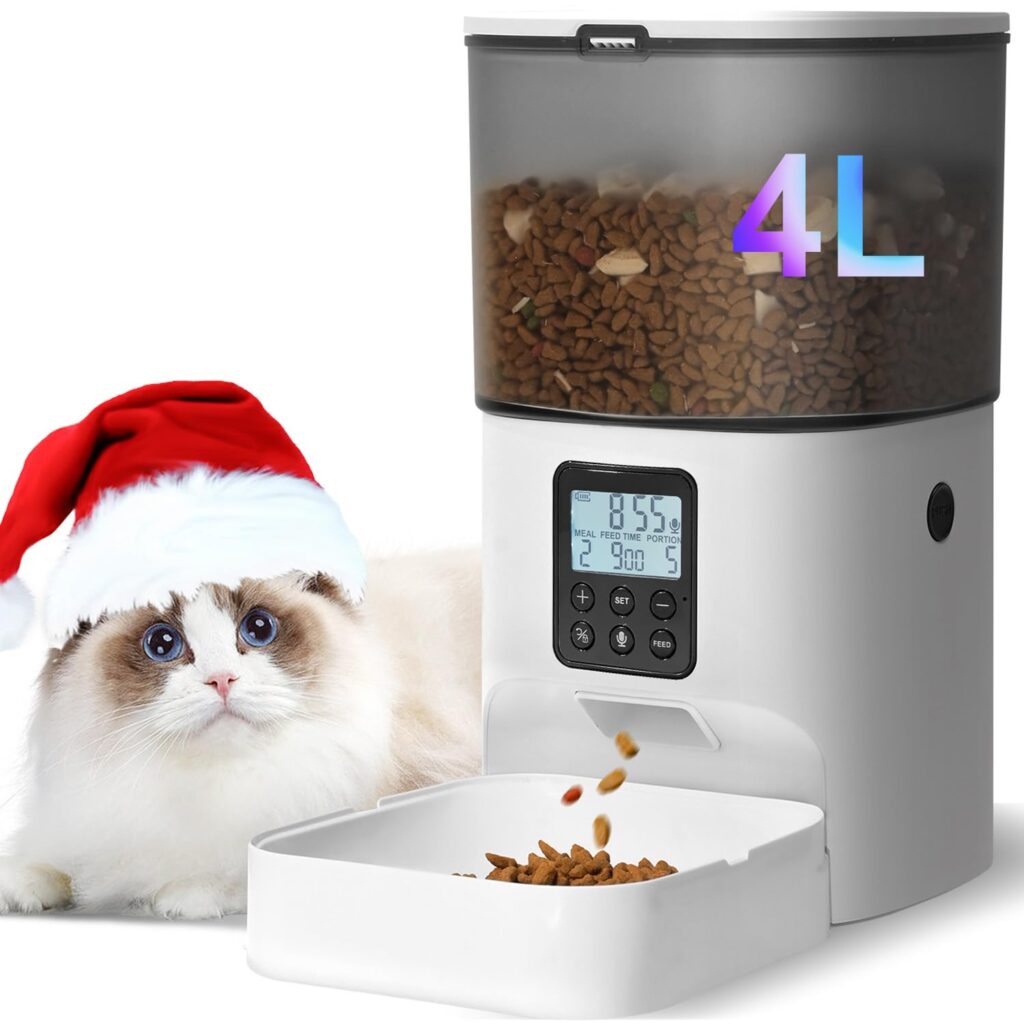
“ANDOLL HOME Automatic Cat Feeder”
The ANDOLL HOME automatic feeder offers useful scheduling features for cats who eat dry food: a 4-liter hopper, up to eight meals a day, adjustable portions, a recorded voice prompt, and both plug-in and battery power. Its anti-jam mechanism and...
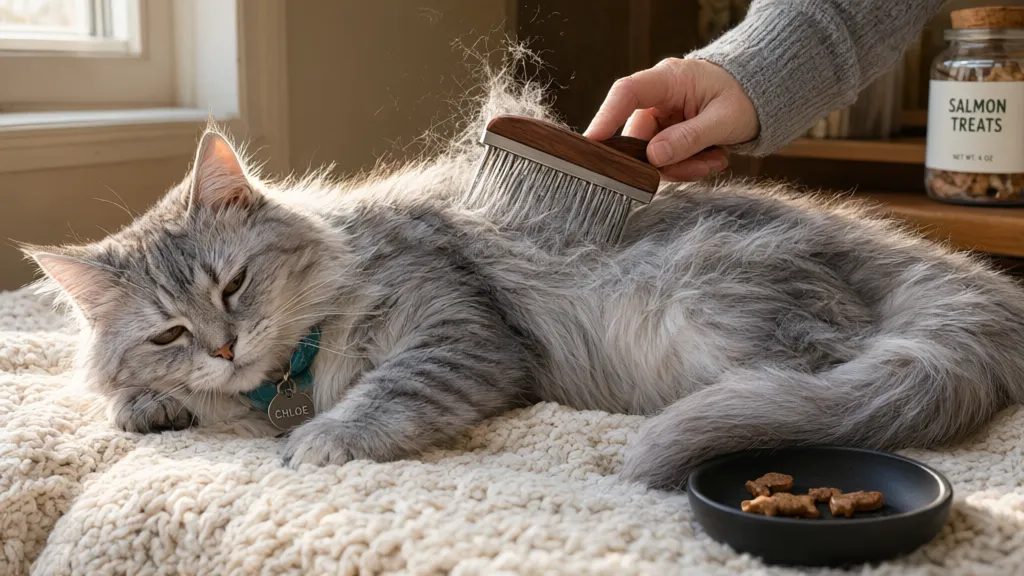
Dealing with Cat Hairballs: Prevention and Remedies
Cats ingest hair during grooming because the backward-facing keratin spines on the tongue catch loose hairs and carry them toward the throat. Most swallowed hair moves through the digestive tract and leaves in the stool. Hairballs form when hair accumulates in the stomach, mixes with mucus or food, and is expelled by vomiting; the usual...

World’s Best Cat Litter Poop Fighter
World’s Best Cat Litter Poop Fighter is a corn-based clumping litter aimed at households that need stronger control of urine and stool odors. Its advertised Botanical Blocker and light lemongrass scent may help keep a litter area fresher, while quick...
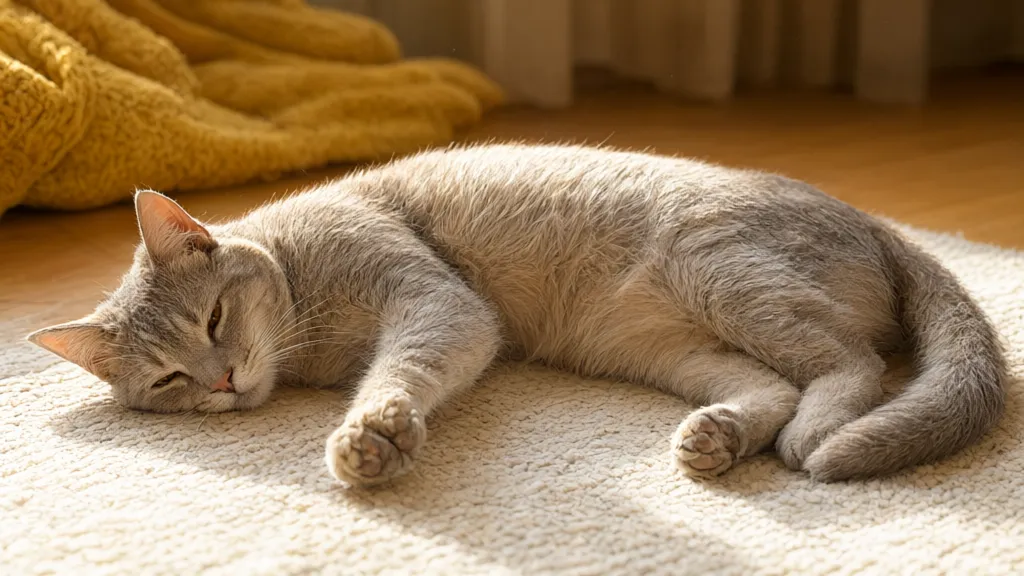
Feline Body Language: Signs of Comfort and Discomfort
A comfortable cat typically carries its body without bracing: muscles look loose, weight is evenly supported, and the spine rests in a natural curve rather than a rigid crouch. A cat lying on its side or with paws tucked beneath the body may be resting, provided the limbs and shoulders remain relaxed and the cat...
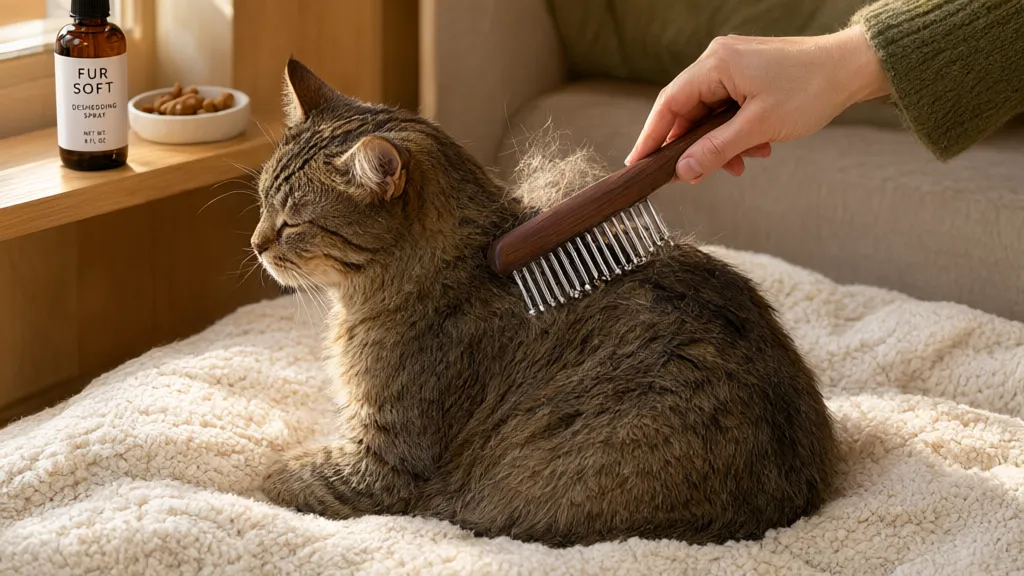
A Guide to Regular Fur Maintenance for Cats
For a short, close-lying coat, brush once or twice weekly with a soft-bristle brush or grooming mitt, moving from head toward tail in the direction the coat grows. Use light, short strokes over the back and sides; the belly, armpits, and groin are more sensitive, so approach them only when the cat is relaxed. A...