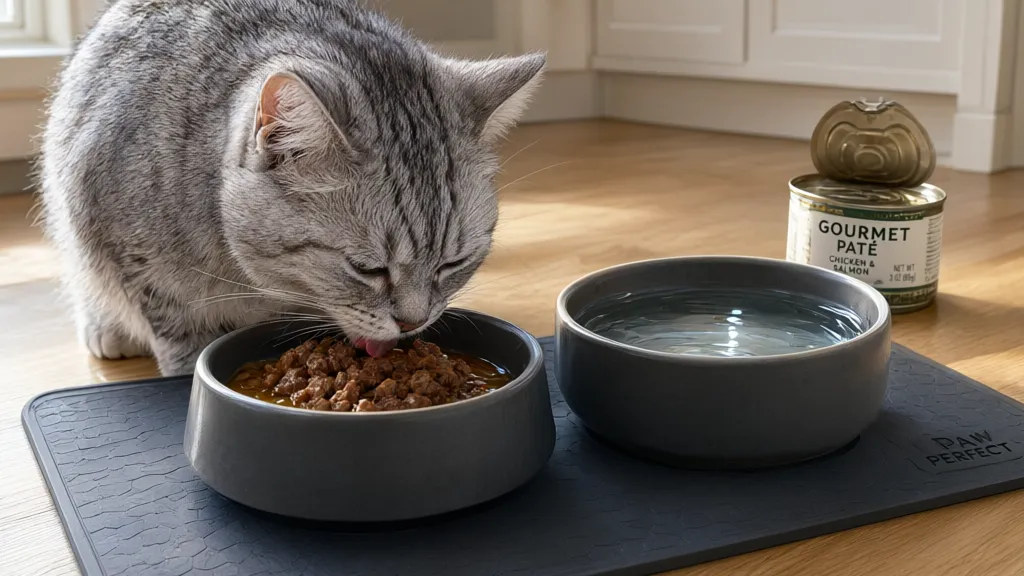
Cats are obligate carnivores: their metabolism depends on nutrients concentrated in animal tissues, including taurine, arachidonic acid, preformed vitamin A, and adequate dietary protein. A food labeled complete and balanced for the cat’s life stage is formulated to supply essential nutrients in appropriate proportions; meat alone, homemade recipes without professional formulation, and many treats can create deficiencies or mineral imbalances over time.
Energy needs vary with body size, age, neuter status, activity, and health. Kittens need energy-dense food with nutrients that support growth; adult cats generally need fewer calories, particularly after neutering, when energy requirements can fall while appetite remains strong. Older cats may need adjustments based on muscle loss, dental function, kidney or other disease—not simply a lower-calorie senior label. Use measured portions and track body weight and body condition: ribs should be readily felt beneath a light fat covering, and a visible waist should remain when viewed from above. Unplanned weight loss or gain warrants veterinary assessment.
Protein supports lean tissue, enzymes, and other metabolic functions. Cats have a relatively high protein requirement and are poorly suited to diets that rely heavily on carbohydrate to supply energy. The appropriate amount and source still depend on the individual: a cat with kidney disease, urinary problems, food allergy, or another diagnosed condition may need a specifically formulated diet rather than a general high-protein or grain-free product.
Water intake is part of nutritional adequacy. Cats often drink little relative to their needs, and moisture-rich food can increase total water consumption; this may be useful for cats prone to concentrated urine, although it does not replace treatment for urinary disease. Monitor drinking, urination, appetite, stool quality, coat condition, and weight. A sudden increase in thirst or urination, persistent vomiting or diarrhea, difficulty eating, or reduced appetite can signal illness rather than a simple food preference.
IAMS Proactive Health Healthy Adult Dry Cat Food, Chicken, 3.5 lb | Veterinarian-recommended, Real chicken #1 ingredient, chicken & egg protein, wholesome grains for energy, supports muscles
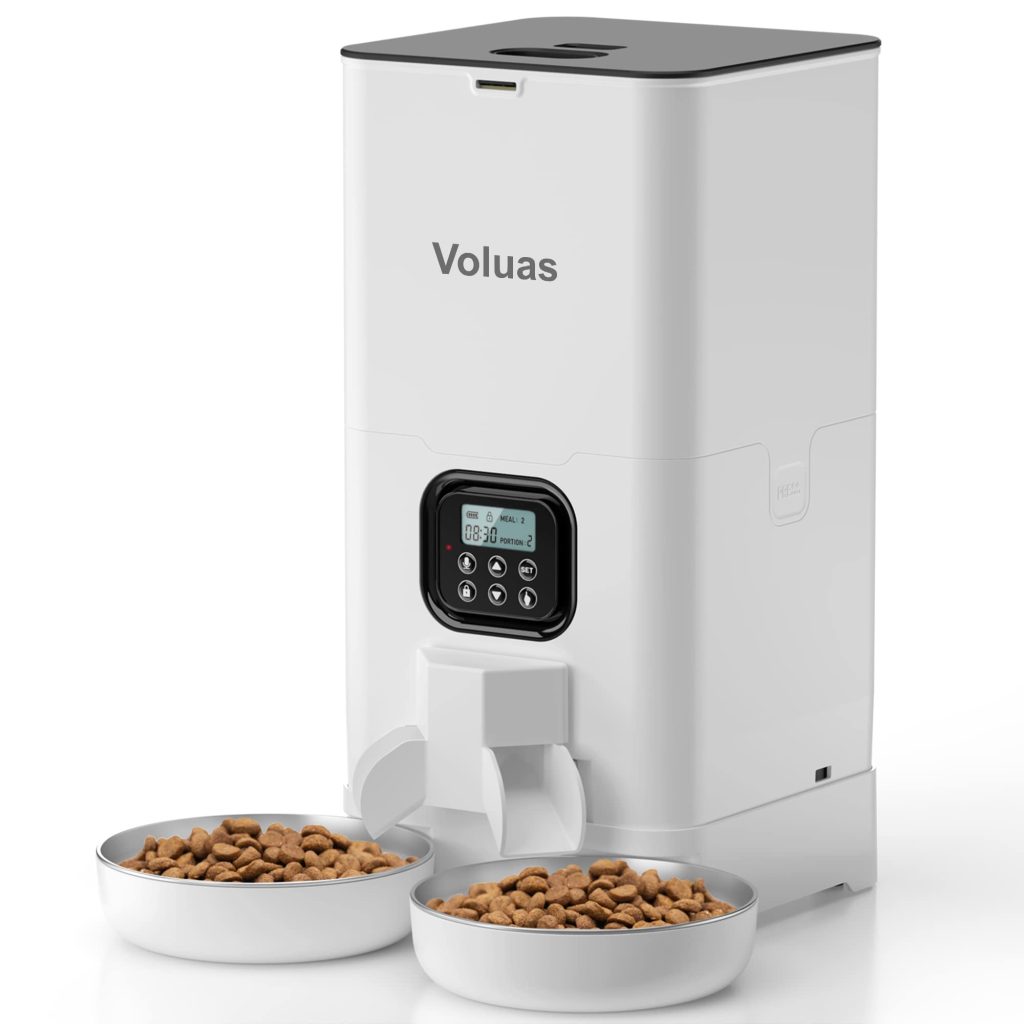
(as of November 15, 2026 10:06 GMT +00:00 - More infoProduct prices and availability are accurate as of the date/time indicated and are subject to change. Any price and availability information displayed on [relevant Amazon Site(s), as applicable] at the time of purchase will apply to the purchase of this product.)Feed according to measured daily portions rather than relying on a continuously full bowl, which can obscure appetite changes and encourage excess intake. Account for treats and food used for medication within daily calories; keep treats to a small share of intake so they do not dilute essential nutrients. In multi-cat homes, separate feeding or controlled-access feeders can help confirm that each cat eats the intended food and amount.
A therapeutic diet should match a confirmed diagnosis, not a symptom guessed from a food label. “Sensitive,” “urinary,” or “renal support” wording on retail foods does not make them equivalent to veterinary diets tested for specific nutrient targets. Before changing food, identify the condition, its severity, current medications, and whether the cat will reliably eat the proposed diet; refusing food can become dangerous, especially in overweight cats.
For chronic kidney disease, veterinary diets typically restrict phosphorus and adjust protein, sodium, potassium, and energy to reduce metabolic burden while preserving muscle. Protein should not be cut indiscriminately: excessive restriction can worsen muscle loss, and the appropriate level depends on disease stage and nutritional status. Cats with kidney disease that eat poorly may need a gradual transition, appetite treatment, or another plan rather than prolonged fasting.
Urinary diets are not interchangeable. A diet designed to dissolve struvite crystals changes urine chemistry and mineral concentrations; calcium oxalate stones do not dissolve with food and may require different prevention or medical treatment. Urinary signs such as repeated litter-box visits, straining, blood, or passing little or no urine require prompt veterinary attention; inability to urinate is an emergency, particularly in male cats. Increased moisture intake can support urine dilution but cannot replace diagnosis or prescribed treatment.
For diabetes, a veterinarian may recommend a calorie-controlled, relatively low-carbohydrate diet, often with higher protein, alongside insulin and glucose monitoring. Diet changes can alter insulin needs quickly, so do not change food or insulin doses without coordinating a monitoring plan. Weight reduction in an overweight diabetic cat should be gradual; abrupt food refusal risks hepatic lipidosis.
Suspected food allergy requires a strict elimination trial, usually with a veterinary hydrolyzed-protein diet or a genuinely novel protein selected from the cat’s dietary history. Feed it exclusively for the prescribed trial period—often eight to twelve weeks—and exclude flavored medications, treats, table scraps, and access to other pets’ food. Improvement followed by recurrence after controlled re-exposure helps confirm the diagnosis; rotating retail proteins or choosing grain-free food does not reliably test for allergy.
For obesity, use a complete therapeutic weight-loss diet and a measured calorie target rather than simply feeding much less of a maintenance food, which can under-supply essential nutrients. For chronic intestinal disease, diets may use hydrolyzed or novel proteins, highly digestible ingredients, or altered fiber; the best choice depends on the suspected mechanism and response. Introduce a prescribed diet gradually when medically appropriate, record intake and symptoms, and contact the veterinarian if vomiting, diarrhea, or food refusal develops.
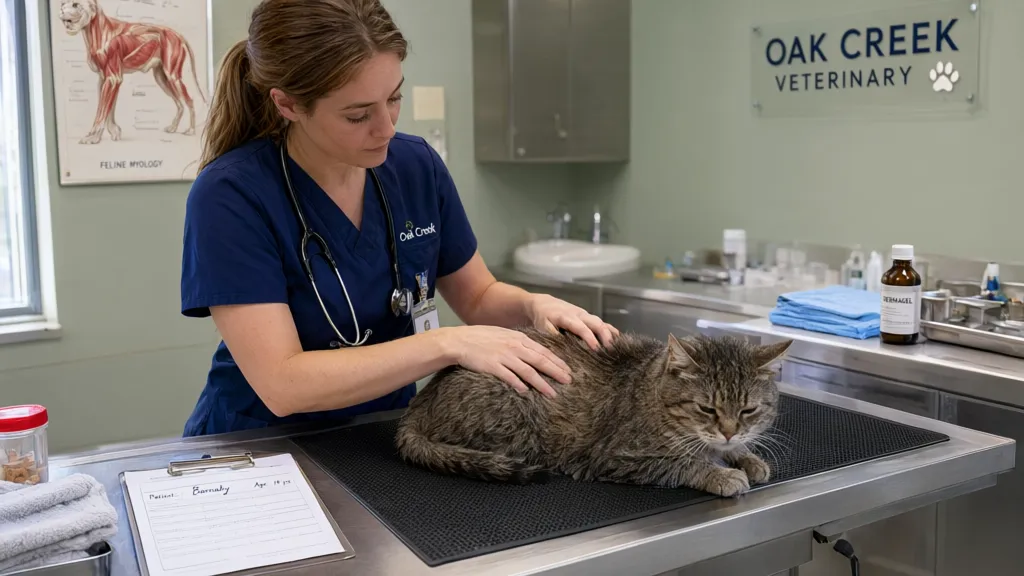
Before a diet change, give your veterinarian a complete feeding history: food brands and formulations, measured daily amounts, treats, supplements, flavored medications, access to other pets’ bowls, and recent changes in appetite or weight. Bring packaging or clear photographs of labels; recipes and nutrient profiles can differ within the same product line. This record helps distinguish a food’s effect from changes in calories, medication, or access.
Establish a baseline that can be compared over time: body weight, body condition score, muscle condition score, appetite, water intake, stool and urine patterns, and relevant examination or laboratory findings. A stable weight can conceal muscle loss, especially in older cats or cats with kidney disease, so ask the veterinarian to assess muscle over the spine, shoulder blades, and hips as well as body fat. Keep a dated home log of food actually eaten, vomiting or diarrhea, litter-box changes, and weekly or monthly weights using the same scale.
Monitoring intervals depend on diagnosis and treatment. A cat starting a therapeutic diet may need reassessment within weeks to confirm acceptance, intake, and early response; chronic disease may require scheduled examinations and blood or urine tests at intervals set by the veterinarian. For kidney disease, trends in kidney values, phosphorus, potassium, hydration, blood pressure, urine findings, body weight, and muscle condition can guide adjustments. For diabetes, glucose measurements or a veterinarian-directed continuous glucose monitor help assess whether food and insulin remain appropriately matched. Do not interpret a single laboratory result without considering hydration, medication, and the cat’s clinical condition.
Track the response against a specific target, such as reduced itching during an elimination trial, fewer gastrointestinal signs, gradual weight loss, improved glucose control, or reduced recurrence of urinary problems. Change one major variable at a time when clinically safe, and record the date; otherwise, it becomes difficult to identify what helped. If a diet is prescribed for a diagnostic trial, even small amounts of other food can invalidate the result.
Contact the veterinary team promptly if the cat eats substantially less, refuses food, loses weight unexpectedly, vomits repeatedly, develops persistent diarrhea, becomes weak, or shows a marked change in thirst or urination. Report the amount eaten rather than saying only that appetite is “poor.” Never wait for a scheduled check if a male cat strains and passes little or no urine; that can indicate a life-threatening obstruction.
Bring follow-up measurements and your feeding log to each appointment. The veterinarian can then adjust calories, diet composition, medication, or testing based on the cat’s actual response rather than the food label alone. If the prescribed food is rejected, discuss alternatives promptly instead of allowing prolonged under-eating or making an unmonitored substitution.