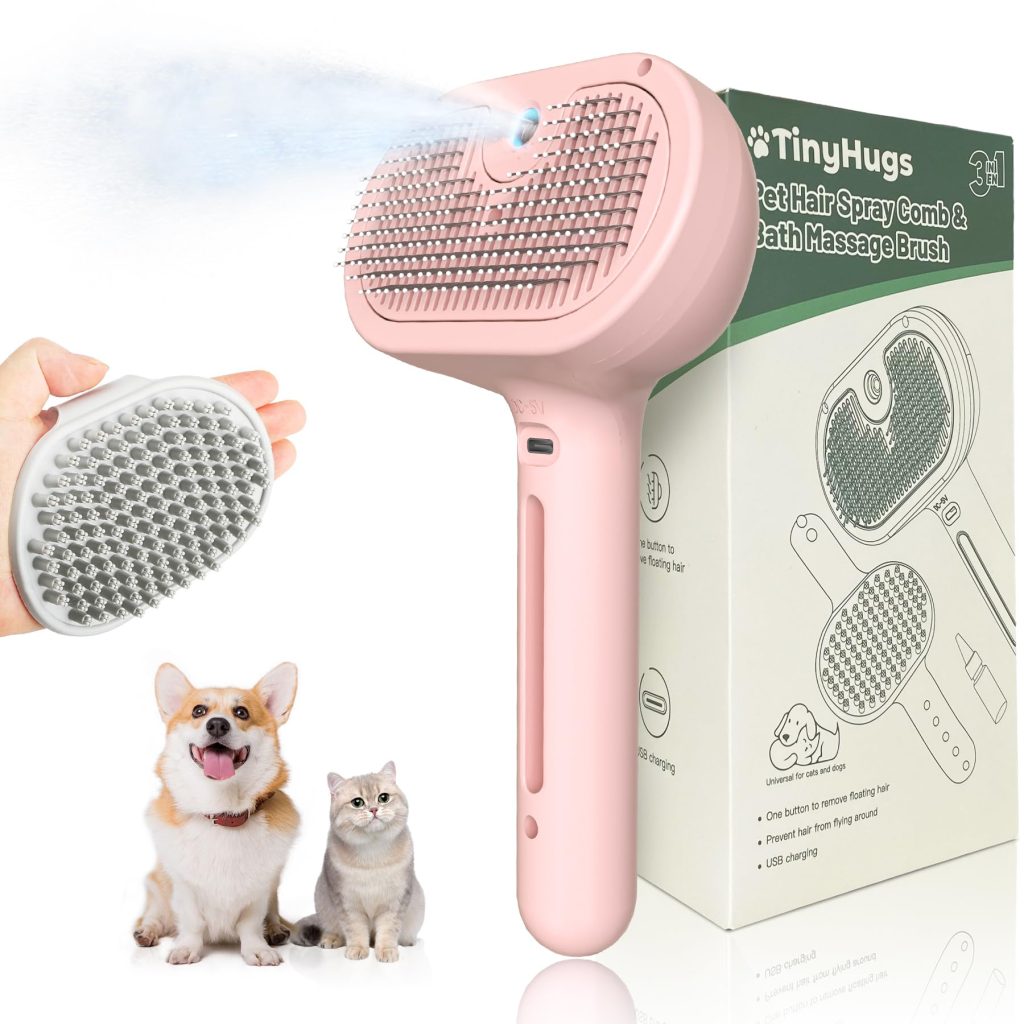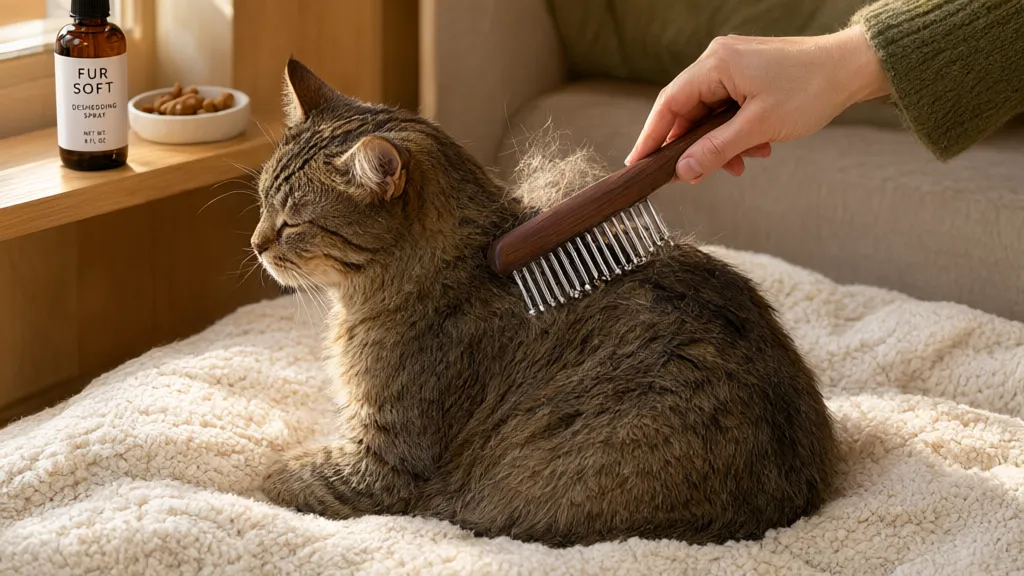
For a short, close-lying coat, brush once or twice weekly with a soft-bristle brush or grooming mitt, moving from head toward tail in the direction the coat grows. Use light, short strokes over the back and sides; the belly, armpits, and groin are more sensitive, so approach them only when the cat is relaxed. A rubber mitt can lift loose hairs without scraping the skin.
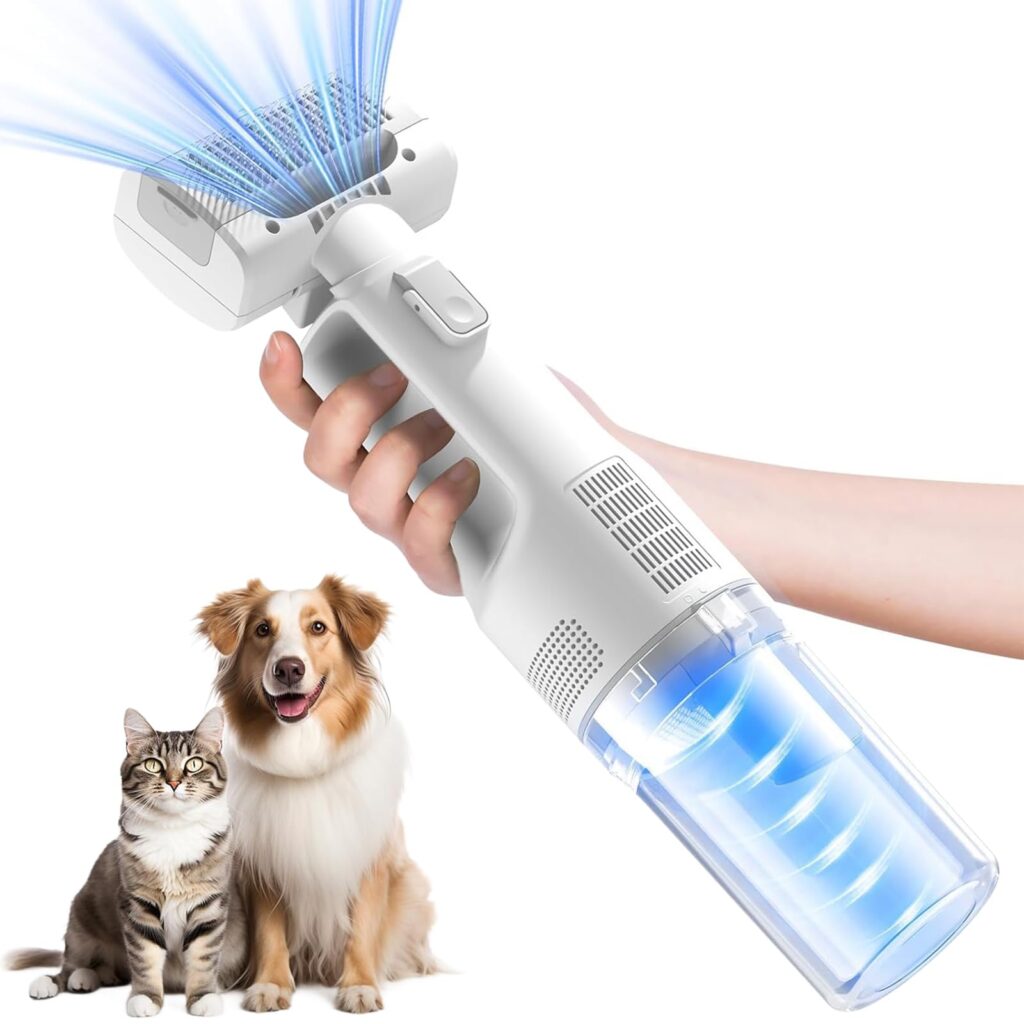
Medium-coated cats generally benefit from brushing two or three times a week with a soft slicker brush or a metal comb with rounded teeth. Work in small sections, parting the coat so the comb reaches near the skin rather than skimming over the top. Follow with a comb from head to tail to locate missed tangles, especially behind the ears, under the collar, at the chest, and along the hindquarters.
Long-coated cats often need daily attention. Use a wide-tooth metal comb first, then a finer comb where the coat is dense; begin at the ends of the hair and gradually work toward the skin to avoid pulling. Separate the coat with your fingers and groom one small area at a time, checking the armpits, inner thighs, abdomen, and base of the tail. Never force a comb through resistance: pulling can bruise skin and make future grooming harder.
Rex-type coats, including Cornish Rex and Devon Rex, have fragile, fine hairs that can break or be pulled out by stiff tools. Use fingers, a dampened soft cloth, or a very soft brush with minimal pressure, and groom only as needed to remove loose hair. Hairless cats do not require brushing; wipe the skin gently with a soft, damp cloth instead, since oils that would normally spread along the hair shaft can accumulate on the skin.

Purina Fancy Feast Seafood Classic Pate Variety Pack, 3 oz Cans, 30-Pack | Grain free wet cat food made with no artificial colors or preservatives, 100 percent complete and balanced
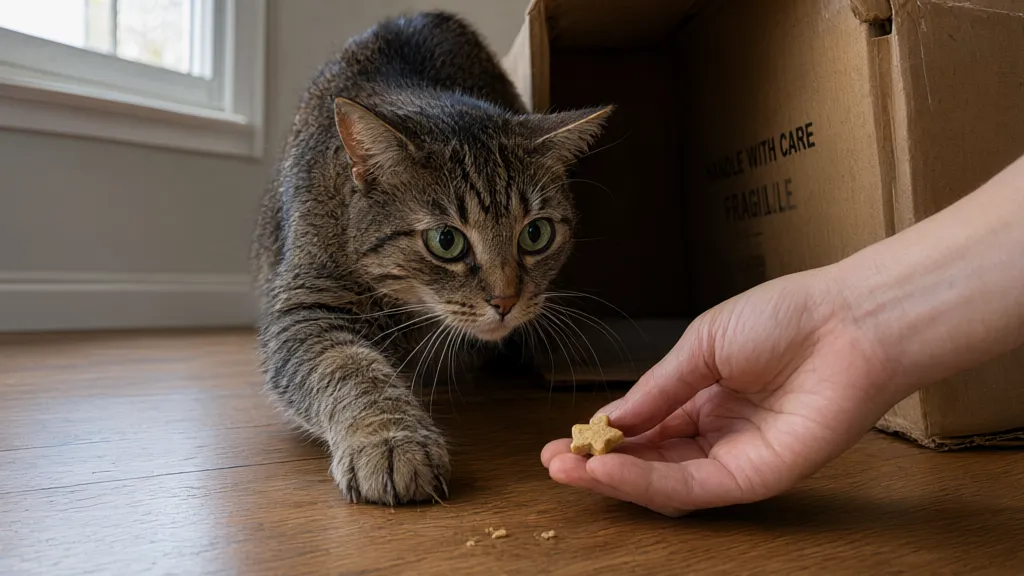
(as of November 5, 2026 05:15 GMT +00:00 - More infoProduct prices and availability are accurate as of the date/time indicated and are subject to change. Any price and availability information displayed on [relevant Amazon Site(s), as applicable] at the time of purchase will apply to the purchase of this product.)Choose a tool that reaches the coat without scratching the skin. A slicker brush should have flexible pins and be used with a light touch; a metal comb should have smooth, rounded teeth. Stop if the skin becomes pink, the cat flinches, or the coat snags. Short, calm sessions are more effective than restraining a cat through a prolonged grooming attempt: let the cat inspect the tool, brush one or two strokes, reward calm participation, and gradually increase the area and duration.
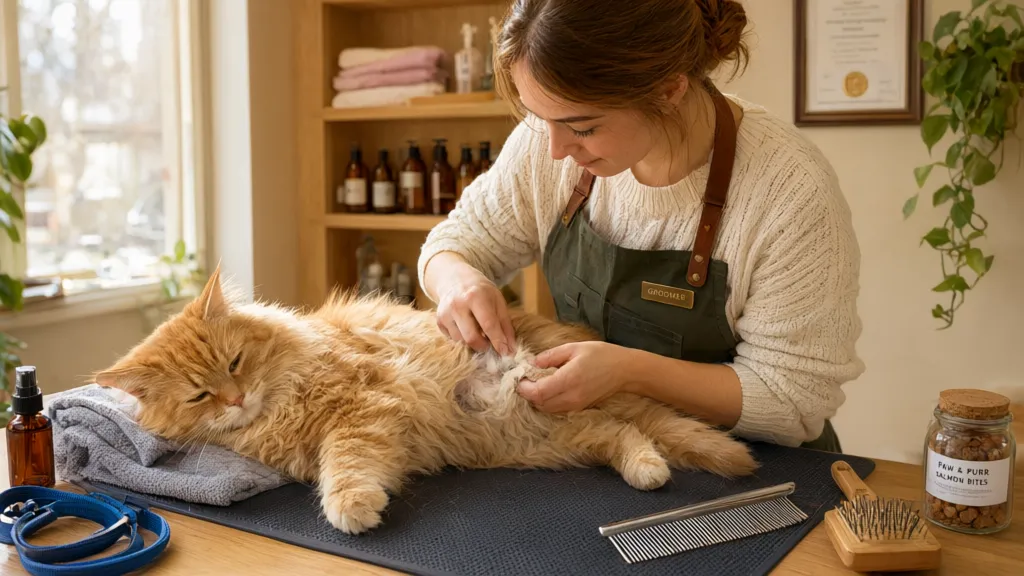
Older cats, overweight cats, and cats with arthritis may be unable to groom their backs or hindquarters comfortably. Support the body on a stable, non-slip surface, avoid lifting or twisting painful limbs, and use shorter sessions. Sudden coat changes, greasy or flaky skin, excessive hair loss, or sensitivity during brushing warrant veterinary assessment because skin disease, pain, parasites, or systemic illness may be involved.
Mats form when shed undercoat and broken hairs become trapped in the coat, then tighten through movement, moisture, and friction. They develop quickly where skin folds or body parts rub together—behind the ears, under the front legs, between the thighs, beneath collars, and around the tail base. A dense undercoat, long or fine hair, obesity, arthritis, and reduced grooming from illness all increase the risk; a newly forming mat can conceal irritated skin or parasites.
Check these high-friction areas with your fingertips between brushing sessions. If a small tangle is loose, hold the hair close to the skin so brushing does not pull on it, then tease it apart gently with your fingers or a comb. Stop if the skin moves with the mat, the cat shows pain, or the tangle resists. Tight mats can pull constantly on delicate skin and may hide sores; have a veterinarian or experienced groomer remove them. Never cut a mat with scissors, because cat skin is thin and can be drawn up inside the hair mass.
Shedding is driven partly by hair-growth cycles and changing daylight. Cats living indoors under steady artificial light may shed throughout the year rather than in two distinct seasonal waves. Brushing removes loose hair before it’s swallowed during self-grooming, but a sudden increase, bald patches, broken hairs, dandruff, or persistent scratching is not ordinary shedding and should be evaluated for skin disease, parasites, stress-related overgrooming, or systemic illness.
During heavier shedding, increase the frequency of brief, comfortable grooming sessions rather than pressing harder or using a harsher tool. A dampened hand or soft grooming mitt can collect loose surface hair; avoid aggressive de-shedding blades, which may cut guard hairs or irritate the skin when repeatedly used on the same area. Keep the coat dry while grooming: damp hair clumps and can tighten existing tangles.
Hair swallowed during grooming usually passes through the digestive tract, but repeated hairballs, retching without producing a hairball, vomiting, constipation, or reduced appetite require veterinary attention. Long-haired cats and cats that overgroom may need more frequent coat checks, while persistent hairballs can signal excessive shedding, skin discomfort, nausea, or impaired gut movement rather than a grooming problem alone.