Play behavior is easiest to interpret as a sequence of signals rather than a single gesture. A cat preparing to chase may crouch, shift its weight onto the hind legs, fix its gaze on a moving target, and make small, deliberate movements of the head or tail. During healthy play, movements are usually loose and interrupted by pauses; the cat may disengage, approach again, or switch roles with a playmate.
Watch the whole body. Ears held forward or slightly to the side, relaxed whiskers, and a body that remains mobile generally fit play. Ears flattened tightly against the head, a rigid posture, dilated pupils combined with defensive behavior, a puffed tail, or repeated attempts to escape suggest fear, frustration, or overstimulation rather than comfortable play. Pupil size alone is not diagnostic: it changes with light and arousal, so interpret it alongside posture, movement, and vocalization.
Tail movements require context. A gently swaying tail can accompany concentration, while sharp, repeated lashing often signals rising arousal or irritation. A cat that freezes, turns its head toward a hand, pins its ears, or begins lashing its tail during petting may be nearing its tolerance limit. Pause interaction before a swat or bite occurs; these early signals are easier to respond to than escalation.
Play bites and swats are typically brief, inhibited, and directed at a toy or play partner. Biting that breaks skin, clamping down, pursuing a person who is withdrawing, or repeatedly targeting hands and feet indicates that the interaction has become unsafe or that the cat has learned to treat people as prey. Stop movement, avoid shouting or physical punishment, and end the session without turning hands into targets; sudden movement can intensify chasing.

World's Best Cat Litter, Multiple Cat, Unscented, Odor Control, 15 lb Bag | Controls tough multi-cat odors and lasts 2x longer; natural corn litter, quick clumping, flushable, 99% dust free
$19.15 (as of October 29, 2026 02:25 GMT +00:00 - More infoProduct prices and availability are accurate as of the date/time indicated and are subject to change. Any price and availability information displayed on [relevant Amazon Site(s), as applicable] at the time of purchase will apply to the purchase of this product.)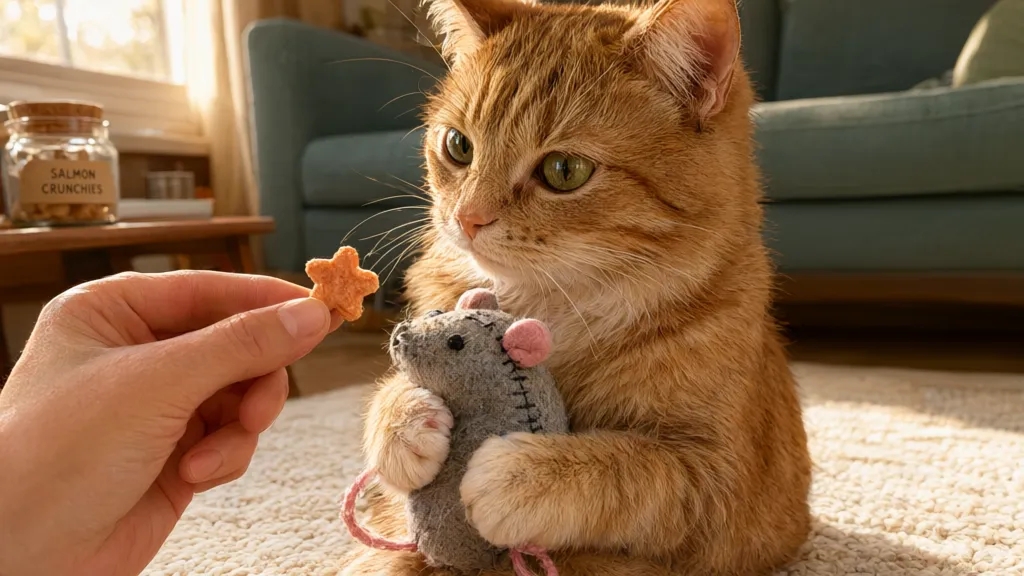
Age, health, and environment affect play signals. Kittens often switch rapidly between intense activity and rest, while older cats may play in shorter bursts because of reduced stamina or painful joints. A sudden change in playfulness, sensitivity to touch, aggression, or reluctance to jump warrants veterinary assessment, since dental pain, arthritis, skin disease, and other conditions can alter behavior. In multi-cat homes, monitor whether both cats voluntarily re-engage; one cat repeatedly hiding, fleeing, or vocalizing while the other pursues is not reciprocal play.
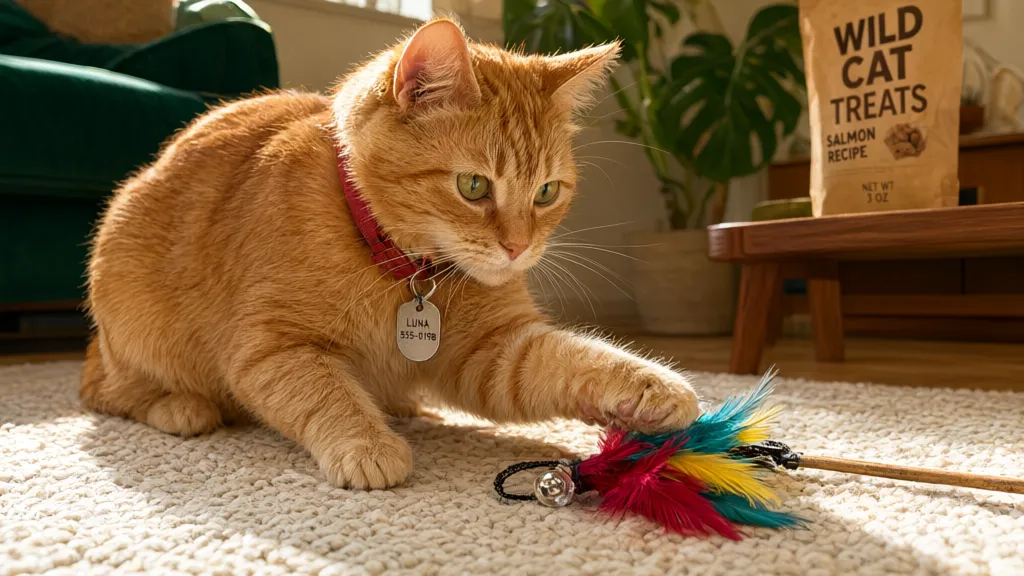
Use a wand toy, tossed soft toy, or other object that keeps teeth and claws away from skin. Move it along the floor and away from the cat in short, irregular bursts, then pause so the cat can stalk, catch, and release it. Allowing successful catches reduces frustration; repeatedly teasing the cat with an unreachable toy can intensify grabbing or biting.
Reinforce the behavior you want at the moment it occurs. Mark a gentle paw touch, a controlled bite on the toy, or a pause in pursuit with a brief “yes,” click, or small food reward, then resume play. Deliver rewards promptly so the cat can connect them with the calm action rather than with grabbing a hand. Keep food rewards small and include them within the cat’s daily calorie allowance, particularly for cats with weight or metabolic concerns.
If teeth or claws touch skin, make the interaction end predictably: stop moving, withdraw safely once the cat releases, and pause attention for several seconds. Do not yell, hit, scruff, or spray water; punishment can increase fear and arousal without teaching what to do instead. Restart only with a toy positioned away from the body, and reinforce contact with the toy. If the cat repeatedly redirects onto hands or feet, end that session and use longer-distance toys at the next play period.
Keep sessions short enough that the cat can remain responsive, often several minutes at a time, and stop while play is still controlled. A consistent sequence—stalking, chasing, catching, then a small meal or treat—can satisfy the predatory sequence and make the transition to rest easier. For kittens, redirect early before frantic biting develops; for older cats or cats with mobility limits, use floor-level toys and gentler movements. If roughness is new, escalating, or difficult to interrupt, arrange a veterinary examination to check for pain or illness before increasing training demands.