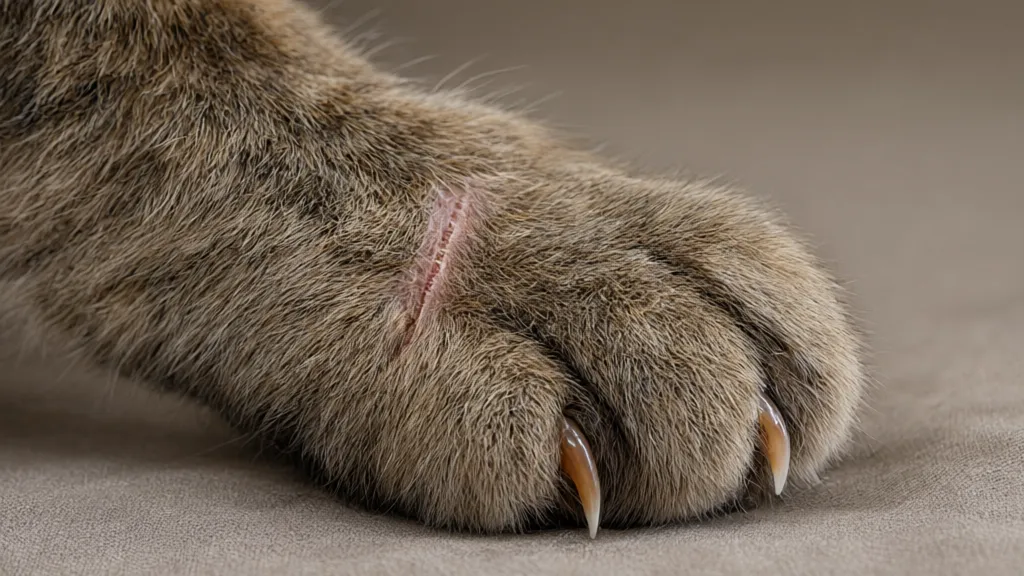
Cat claw injuries often result from accidental scratches or bites sustained during play or while handling, but these incidents can also arise from fights with other animals. The physical structure of a cat’s claw, composed of keratin, allows for significant penetration into the skin, leading to lacerations that may expose underlying tissues. The degree of tissue damage depends on the force exerted during the injury and the area affected. Claw injuries can become complicated if they involve deeper structures such as tendons or joint capsules, particularly in the paw area.
The location of the injury plays an important role in its healing process. Claw wounds on the body or limbs may heal differently from those on sensitive areas such as the face or ears. The presence of fur can trap debris, increasing the risk of infection when claws penetrate through it. It is essential to monitor the depth of the wound; superficial cuts often do not require extensive treatment, while deep lacerations may need surgical intervention. Signs of an infected claw injury include swelling, discharge, and persistent bleeding, which necessitate immediate attention.
Feline behavior also contributes to the risk of claw injuries. Cats that engage in aggressive play or exhibit territorial behavior are at higher risk of sustaining and inflicting claw injuries. Additionally, some breeds, such as the Siamese or Abyssinian, may display more active play styles that lead to increased incidence of injuries. Understanding these behavioral tendencies can help owners take preventive measures by providing adequate play resources and ensuring safe interactions with other pets or people.
Age-related factors can influence the severity and healing capacity of claw injuries. Kittens tend to be more resilient but may also experience more frequent injuries due to their inquisitive nature. Conversely, older cats may have delayed healing responses due to underlying health conditions such as diabetes or compromised immune systems. Special attention should be paid to these age groups; kittens require start-up vaccinations to prevent infections, while older cats may require more thorough examinations to rule out systemic issues.

Temptations Classic Crunchy and Soft Cat Treats, Tasty Chicken, 30 oz | Under 2 calories per treat, crunchy outside & soft inside, resealable tub, 100% complete & balanced, snack, meal or topper
EUR 12.64 (as of September 19, 2026 09:11 GMT +00:00 - More infoProduct prices and availability are accurate as of the date/time indicated and are subject to change. Any price and availability information displayed on [relevant Amazon Site(s), as applicable] at the time of purchase will apply to the purchase of this product.)Furthermore, the environment plays a significant role in the risk of claw injuries. Outdoor cats are subjected to greater hazards such as thorny bushes, rough terrain, and encounters with other animals, leading to an increased likelihood of serious claw injuries. Indoor cats, while generally safer, can still sustain injuries from play with sharp objects or during antics near furniture. Owners should regularly assess their indoor and outdoor environments for potential hazards to minimize risk.
Causes and risk factors
Cat claw injuries can arise from various factors, and understanding their causes is critical for prevention and management. One primary cause is environmental hazards, particularly for outdoor cats. Elements such as sharp thorns, broken branches, and encounters with other aggressive animals can result in lacerations. Indoor cats, while at a lower risk, may still experience injuries from interactions with furniture edges or hazardous play items like strings and rubber bands. Ensuring a safe environment minimizes these risks.
Behavioral tendencies also significantly impact the likelihood of claw injuries. Cats that exhibit high levels of play aggression or those that are territorial are more prone to inflicting and receiving injuries. Breeds like the Bengal and Abyssinian, known for their energetic play styles, often engage in rough play that increases the risk of claw-related injuries. Monitoring and redirecting this behavior can help mitigate risks associated with aggressive play.
Health status plays a critical role in both the occurrence and consequences of claw injuries. Cats with underlying medical conditions, such as those affecting the immune system or metabolic functions, may have delayed healing responses. For example, diabetic cats often face extended recovery times due to compromised wound healing, increasing the risk of infections. Regular veterinary check-ups are necessary for early detection of such conditions, which can significantly influence recovery from injuries.
Aging also affects both the frequency and severity of claw injuries. Older cats may develop arthritis or other mobility issues that inhibit their ability to escape from threats or avoid potential injuries. Their compromised skin integrity due to aging can lead to increased susceptibility to more severe wounds when they do occur. Therefore, cat owners should pay closer attention to their older cats and adapt their environments to reduce the risk of injury.
Alongside environmental and behavioral factors are the genetic traits of certain cat breeds that predispose them to unique play styles. Breeds known for their vigorous activity levels, such as the Abyssinian and Siamese, often engage in more adventurous behavior that can lead to higher incidences of claw injuries. Understanding the specific needs and tendencies of different breeds can help owners implement suitable adaptation strategies, fostering safer play environments.
Immediate first aid steps
Immediate first aid for cat claw injuries is essential to minimize pain, prevent infection, and promote proper healing. First, assess the severity of the injury by examining the wound. If blood is present, apply gentle pressure with a clean cloth or gauze to control the bleeding. If the bleeding does not cease within a few minutes, further medical intervention may be necessary. For superficial scratches, gently clean the area with saline solution or warm water to remove any debris or contaminants that could lead to infection.

For deeper cuts, it’s important to prevent infection by applying an antiseptic solution that’s safe for cats. Avoid using alcohol, hydrogen peroxide, or other harsh chemicals, as these can further irritate the tissue. Instead, choose antiseptics designed for veterinary use or consult with a veterinarian for suitable options. After cleaning, cover the wound with a sterile bandage, ensuring it’s snug but not so tight that it restricts blood flow.
Observe the injured cat closely. Increased licking of the wound can impede healing, as saliva contains bacteria that may lead to infection. Consider using an Elizabethan collar to prevent the cat from reaching the injury site. If the injury is located on a paw, gently wrap the foot to keep it clean while allowing the cat to walk normally. Monitor for signs of infection, including redness, swelling, or pus. If these occur, or if the cat exhibits signs of pain, such as limping or vocalizations, seek veterinary care promptly.
In addition to addressing the wound, assess the cat for any behavioral changes. A sudden withdrawal from usual activities may indicate pain or discomfort. Ensure the cat has a quiet, comfortable space to recover, minimizing stressors that could worsen its condition. Hydration is critical, so provide fresh water nearby to encourage drinking, which aids the healing process.
Monitor for systemic signs of stress or illness, such as loss of appetite or lethargy. Promptly track these changes, as they could warrant immediate veterinary attention. In cases where a cat experiences claw injuries frequently, it may signal underlying behavioral issues or environmental hazards that need to be addressed, necessitating a thorough review of play habits and surroundings.
Administering appropriate first aid can significantly impact the healing timeline. While minor injuries often resolve with home care, deeper lacerations may require sutures or additional treatments. Understanding the specifics of the injury will inform whether a veterinary visit is necessary for further assessment or intervention.
When to seek veterinary care
Prompt veterinary attention is essential when a cat sustains a claw injury that exhibits specific concerning signs or symptoms. If the wound is deep and classified as a laceration, particularly if it extends into muscle or tendon, immediate evaluation by a veterinarian is warranted. Damage to underlying structures can lead to complications such as necrosis or permanent mobility issues if not treated appropriately. Moreover, if the injury involves a joint or a location with high movement, it especially important to seek professional assessment to prevent long-term damage.
Persistent bleeding, defined as bleeding that continues beyond a few minutes despite applying pressure, indicates a need for veterinary care. This condition may signify damage to larger blood vessels or underlying tissues that require surgical intervention. Additionally, if there is excessive blood loss, the risk of hypovolemic shock increases, which is life-threatening and requires emergency treatment.
Signs of infection should also prompt an immediate vet visit. Redness, warmth, swelling, or any discharge, especially pus, are indicators of infection that can escalate quickly without intervention. Cats may develop systemic reactions to localized infections, including fever or lethargy, which necessitate urgent veterinary care.
Behavioral changes provide critical clues regarding the severity of an injury. If a cat displays signs of extreme discomfort, such as vocalizations, excessive grooming of the wound, or reluctance to move or put weight on an affected limb, veterinary assistance is imperative. These behavioral indicators often correlate with underlying pain levels and potential complications.
In cases where the injury may have been caused by a bite from another animal, especially an unvaccinated one, there is a high risk of transmission of diseases such as feline immunodeficiency virus (FIV) or feline leukemia virus (FeLV). Even if the claw injury appears minor, a thorough veterinary evaluation is needed to rule out these infectious diseases and address any potential rabies exposure.
For kittens, whose immune systems are still developing, prompt veterinary intervention is particularly important. Injuries can lead to greater risks of systemic infections. Vaccination status should be updated if needed, and the veterinarian may recommend supportive care tailored to their age-specific needs.
Monitoring the injury closely and maintaining open communication with a veterinarian ensures proper management of claw injuries, optimizing recovery and minimizing the risk of complications. Frequent injuries may also indicate a need for behavioral assessment or environmental adjustments to improve safety and reduce future injury risks.