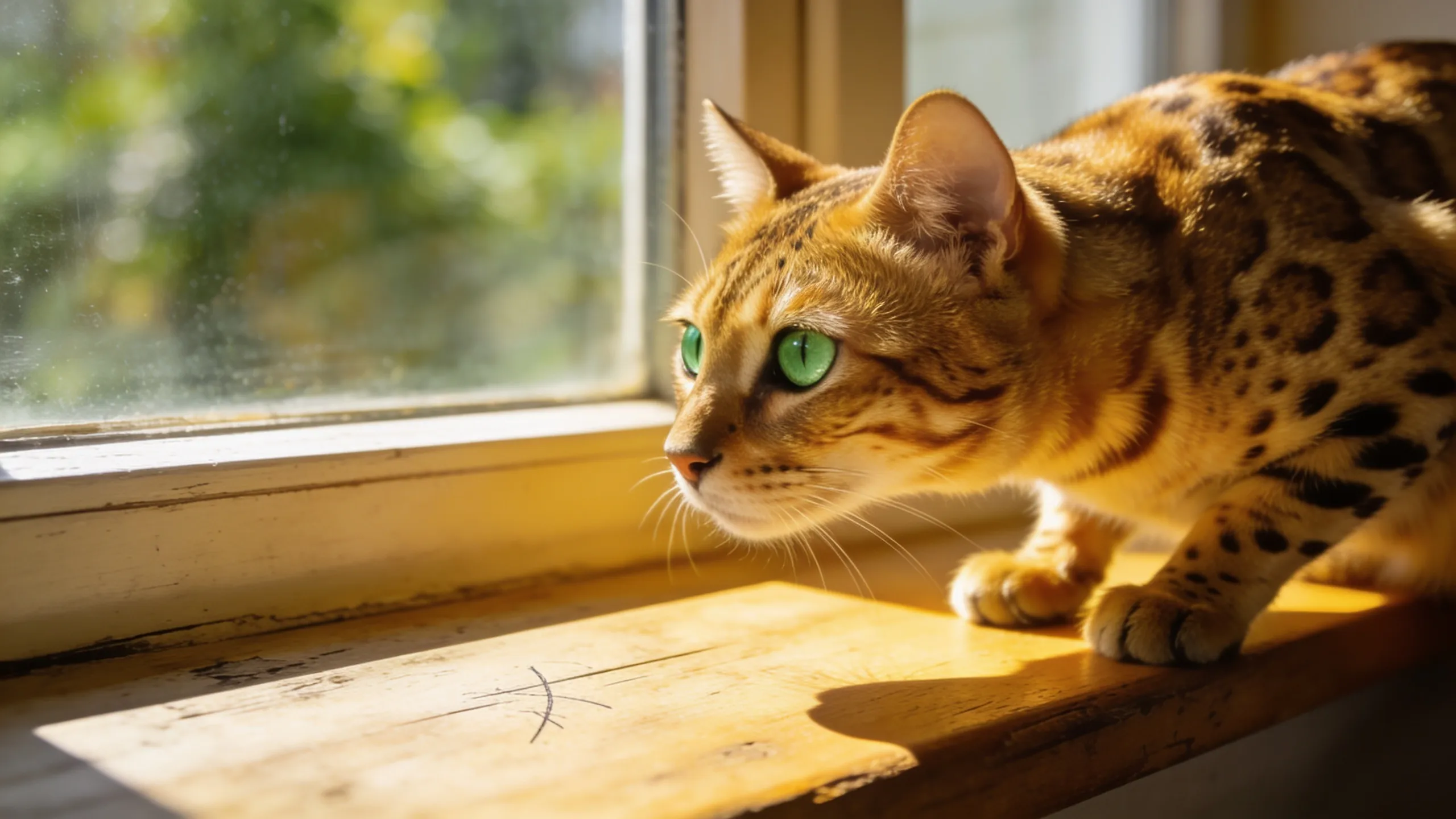
The Cheetoh cat breed emerged in the early 2000s, developed by crossing the Bengal and the Ocicat. This intentional hybridization aimed to combine the striking coat patterns and markings of the Bengal with the wild appearance and robust body type of the Ocicat. The initial breeding began with a specific focus on creating a breed that exhibited both aesthetic allure and a sociable temperament suitable for domesticity.
The breed’s foundational genetics stem from the Bengal, which traces back to the crossing of domestic cats with the Asian leopard cat. This foundation contributed to an exotic look characterized by a distinctively spotted or marbled coat. The Ocicat, on the other hand, resulted from the crossing of Siamese, Abyssinian, and American Shorthair breeds, bringing in a pronounced wild appearance due to its resemblance to wild feline species while maintaining a domestic temperament. The Cheetoh thus inherits a unique blend of these characteristics, establishing a visually striking, muscular, and agile cat.
The Cheetoh’s acceptance into breeding registries like the International Cat Association (TICA) and the Cat Fanciers’ Association (CFA) has enhanced its recognition. This breed is segmented into distinct generations based on the numbers of generations removed from the original wild ancestors, impacting breeding strategies, health considerations, and registrational eligibility. Current breeding efforts prioritize traits such as coat texture, density, and pattern while maintaining genetic diversity to avoid the pitfalls of inbreeding.
The Cheetoh’s breed standard outlines specific traits pertinent to its lineage, including its head shape, ear size, eye color, and coat patterning. Breeders must navigate a complex mosaic of genetics to ensure the physical characteristics align with established standards, as deviations can affect breed recognition. The emphasis on maintaining health within the gene pool is critical to prevent genetic disorders common in hybrid breeds, such as hypertrophic cardiomyopathy, which can affect heart function in felines.

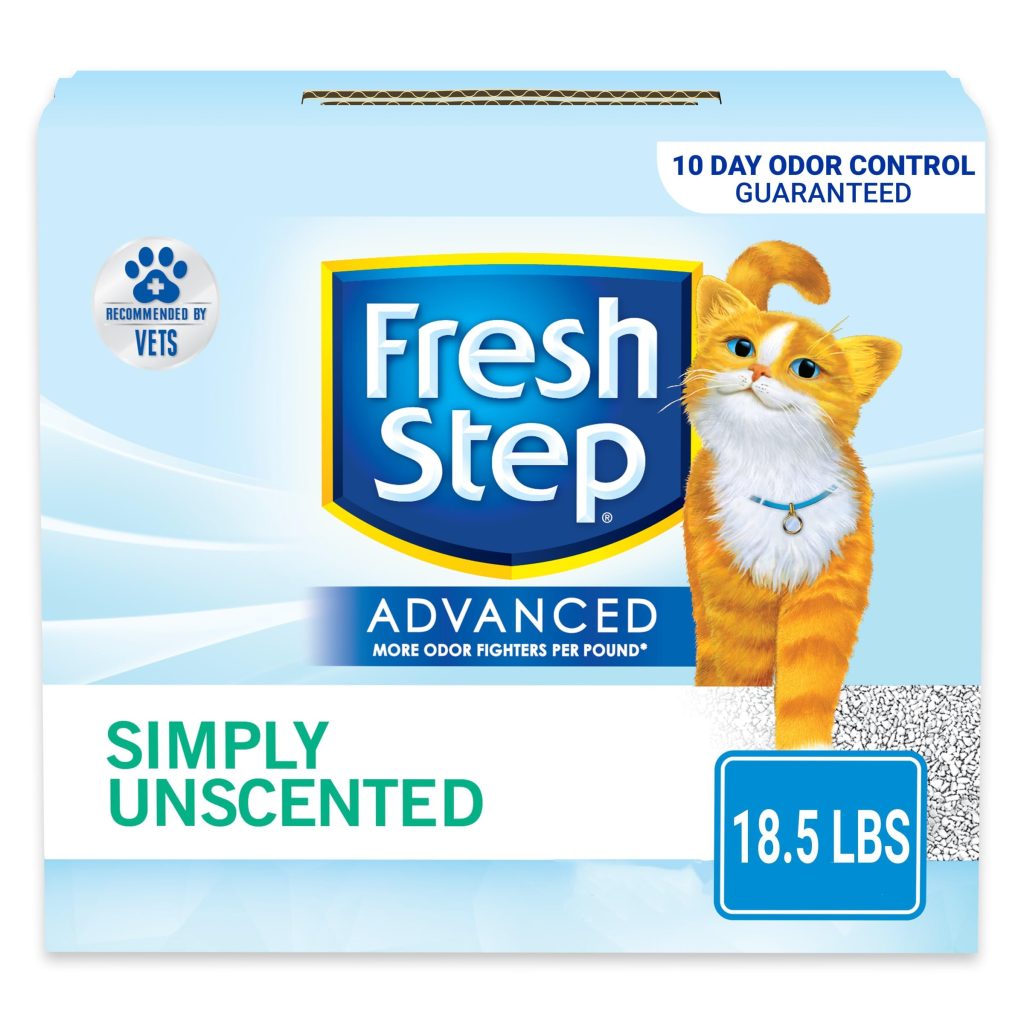
Boxie Probiotic Clumping Cat Litter 40+ Day Odor Control Dust Free 16 lb | Hard Flat Top clumps stay on top for fast scooping and less scrubbing; no added fragrance, fillers, or harsh chemicals
EUR 21.56 (as of October 15, 2026 08:33 GMT +00:00 - More infoProduct prices and availability are accurate as of the date/time indicated and are subject to change. Any price and availability information displayed on [relevant Amazon Site(s), as applicable] at the time of purchase will apply to the purchase of this product.)Understanding the historical context of the Cheetoh’s development provides insights into its current genetic health, behavioral traits, and physical characteristics. Societal trends have influenced breed popularity, and awareness of hybrid breeds has increased, often fascinating potential owners drawn to their exotic aesthetics. As breeding practices evolve, the focus shifts towards not only enhancing beauty but also ensuring that pets exhibit stable temperaments suited for family life, reduced genetic issues, and increased longevity.
Physical characteristics of cheetoh cats
Cheetoh cats are distinguished by their unique and striking appearance, which reflects their hybrid ancestry. The breed typically exhibits a robust, muscular build, akin to that of the Ocicat, characterized by a broad chest, strong legs, and a powerful, flexible body designed for agility and strength. Their weight ranges from 10 to 15 pounds, with males generally larger than females.
The head structure of a Cheetoh is a prominent feature, presenting a modified wedge shape with high cheekbones and slightly rounded contours. Their ears are medium-sized, set wide apart, and have a slight tilt, enhancing their alert expression. Eye shape is also distinct; Cheetohs possess large, almond-shaped eyes that exhibit a range of colors, including green, gold, or copper, adding to their exotic allure.
The coat of the Cheetoh cat is perhaps its most captivating attribute. It boasts a short, luxurious, and dense texture that feels soft to the touch. The coat exhibits a unique pattern known as “spotted” or “marbled,” featuring large rosettes or spots reminiscent of those on wild cats. These patterns are typically set against a golden or tawny background, reminiscent of a cheetah’s coat, thus contributing to the breed’s name. The contrast between the markings and the base color enhances the overall visual impact.
Patterns are not uniform; they can vary significantly between individual cats, with some displaying distinctive marbled designs, while others might have clear, defined spots. This diversity arises from the complex genetics inherited from both the Bengal and Ocicat, enabling breeders to select for desired traits while also maintaining genetic variability to support overall health.
Skin and coat health are critical aspects of the Cheetoh’s physical characteristics. Regular grooming is advisable not only to maintain coat quality but also to remove loose hair and skin debris. The breed is known to exhibit minimal shedding, which can benefit owners with allergies or those sensitive to pet dander. Grooming should include routine brushing, particularly during seasonal changes, to manage any increase in shedding.
Observations of physical condition are vital; any sudden changes in weight or appearance may indicate underlying health issues. Many Cheetohs are prone to certain genetic health disorders that can impact their physical characteristics, including hip dysplasia or skin sensitivities, necessitating regular veterinary check-ups and a balanced diet tailored to their specific nutritional needs.
The Cheetoh cat’s physical characteristics reflect a blend of strength, agility, and striking beauty, aligned closely with its hybrid lineage. The focus on maintaining these traits through careful breeding practices ensures both the visual charm and health of the breed, making them appealing companions for cat enthusiasts.
Personality and care requirements
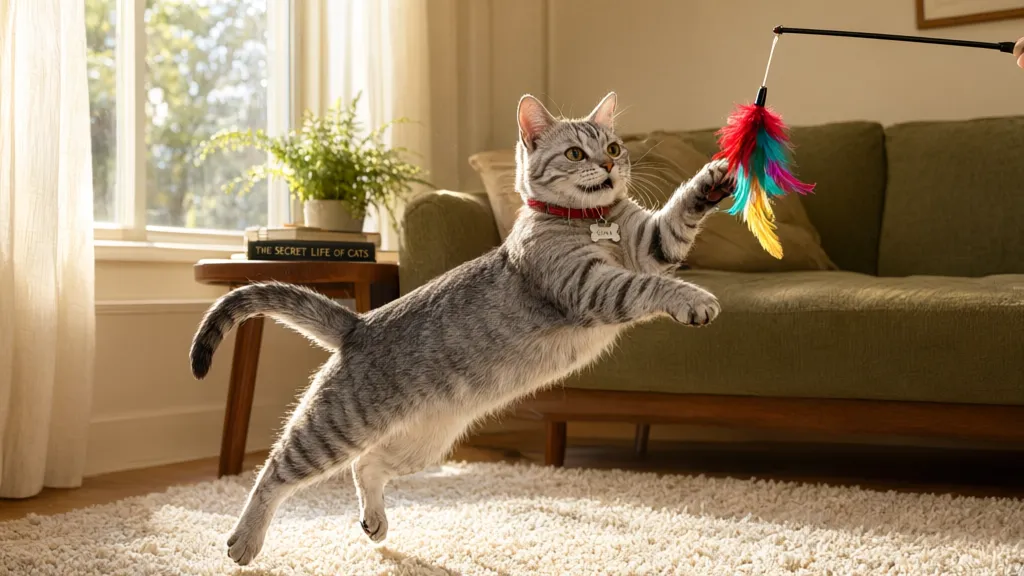
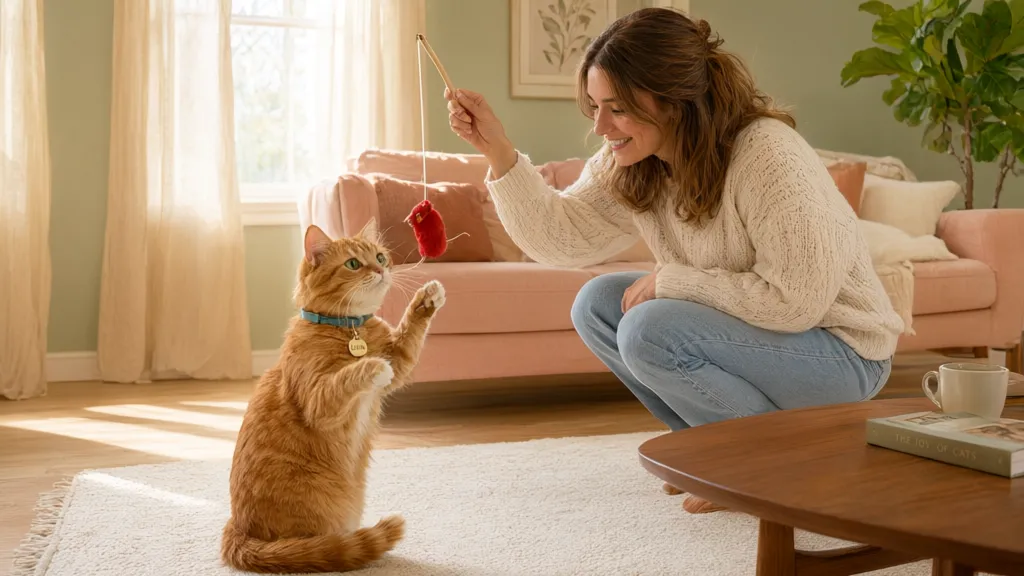
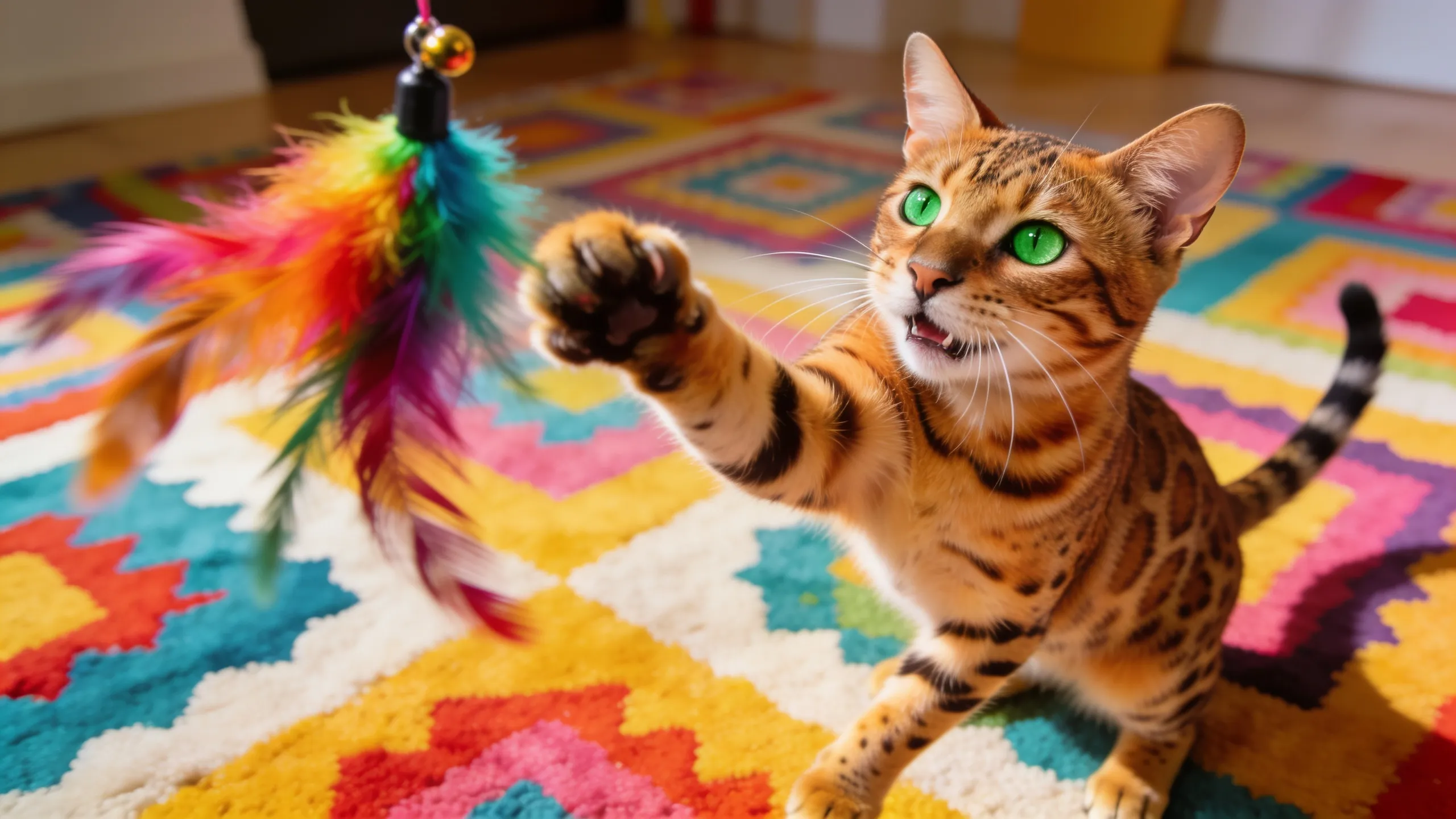
Cheetoh cats exhibit a distinctive personality profile that is closely tied to their hybrid heritage. They are known for their playful, energetic disposition, often displaying behaviors characteristic of a higher activity level. The breed tends to thrive in environments that provide mental stimulation and physical challenges. For optimal well-being, they should have access to interactive toys, climbing structures, and regular playtime with their humans to encourage exercise and reduce the risk of behavioral issues, such as excessive scratching or destructive tendencies.
Socialization plays a critical role in the behavior of Cheetoh cats. Early exposure to various people, animals, and environments is essential for developing a well-adjusted adult cat. These cats typically exhibit strong social bonds with their human companions, often following them around the house and seeking interaction. They may also display dog-like behaviors, such as fetching or playing in a manner reminiscent of canines, which can enhance their charm as family pets. Lack of appropriate socialization can lead to shyness or aggression, making it imperative to introduce them to diverse experiences during their formative months.
Cheetoh cats are also known for their vocalizations, which can include chattering and chirping sounds. This vocal expressiveness indicates their enthusiasm and communicates their needs or desires effectively. Understanding the nuances of their vocal cues enables owners to respond appropriately, fostering a stronger bond. Caregivers should remain attentive to changes in vocalizations, as such alterations may signal distress, discomfort, or health concerns.
In terms of care requirements, the Cheetoh necessitates a diet tailored to its energetic nature. A high-protein diet, ideally between 30-40% protein content, supports muscle maintenance and energy levels. Owners should prioritize premium quality cat foods that list meat as the primary ingredient while avoiding fillers like corn or wheat, which can lead to obesity and digestive issues. It’s also crucial to monitor caloric intake to prevent overweight, which poses risks for joint and cardiovascular health.
Regular veterinary check-ups are indispensable for the breed, given its predisposition to genetic conditions, such as hypertrophic cardiomyopathy and hip dysplasia. Early detection through routine wellness exams can facilitate prompt intervention and management. Vaccinations, parasite control, and dental care should also be integral components of their health care regimen to promote longevity.
Environmental enrichment is essential for maintaining Cheetohs’ mental health; provide opportunities for scratching, climbing, and interactive play. Without sufficient stimulation, they may exhibit behavioral problems stemming from boredom. Owners are encouraged to cultivate an engaging living space, augmenting the physical environment with diverse toys, cat trees, and puzzle feeders that challenge their intellect and satisfy their predatory instincts.