Understanding a cat’s dietary preferences is essential for successful feeding strategies, particularly for picky eaters. Each feline has unique taste sensitivities influenced by genetic predisposition; for instance, most cats lack taste receptors for sweetness, making them indifferent to sugary flavors that allure to other animals. Instead, they are more responsive to protein sources, particularly those from animal origins, which may include beef, chicken, or fish. When introducing new foods, consider the influence of the cat’s breed, as some breeds, like the Siamese, may show strong preferences for fish-based diets due to their history and evolution within certain environments.
Age also plays a significant role in food preferences. Kittens typically exhibit a higher willingness to experiment with various textures and flavors, whereas older cats may become more selective, influenced by dental health issues that affect their chewing ability. Signs of dissatisfaction can manifest through pawing at the food, vocalizations, or even avoidance behaviors, which necessitate close observation to tailor food types and textures effectively. Recognizing early indicators can inform dietary decisions to prevent nutritional deficiencies.
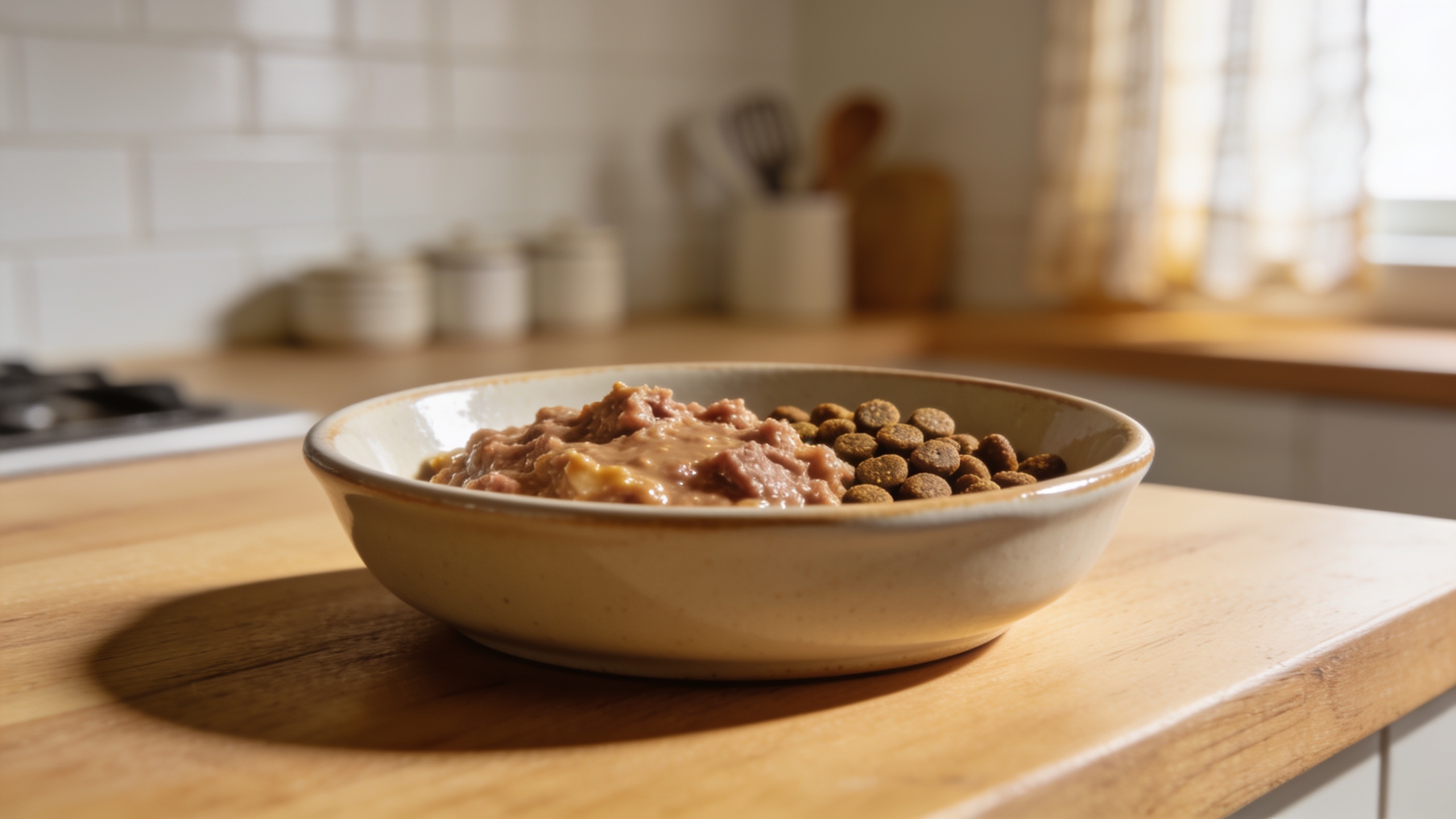
Texture is another significant factor. Cats often prefer more palatable forms such as wet food over dry, primarily due to higher moisture content that mimics their natural prey’s composition. A combination of both wet and dry offerings may cater to their preferences while ensuring hydration. Food temperature also matters; many cats prefer food at room temperature, as it enhances aroma and flavor, compared to serving straight from the refrigerator.
Behavioral preferences can be assessed by offering a variety of food samples. Presenting food options in a controlled environment minimizes stress and allows for clear observation. Stressed cats may refuse to eat altogether, making it crucial to employ calm and positive reinforcement techniques during feeding times. Positive experiences with food can also be reinforced through training activities, linking mealtime with play or treats.

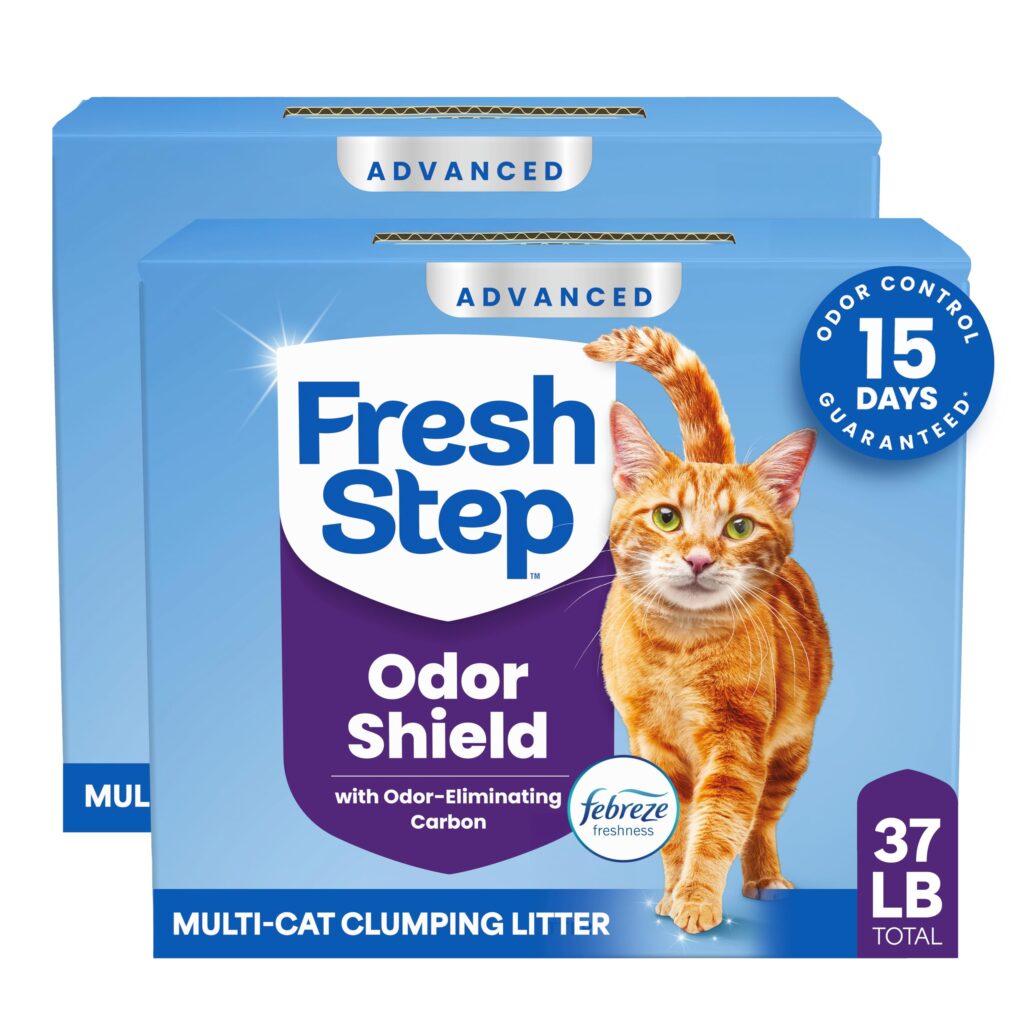
Fresh Step Advanced Odor Shield Clumping Cat Litter with Gain, 18.5 lb, 2Pk | Odor Shield with Ammonia Block Technology, Low Dust, Multi Cat, Compatible with Most Automatic Litter Boxes
EUR 28.75 (as of October 2, 2026 19:09 GMT +00:00 - More infoProduct prices and availability are accurate as of the date/time indicated and are subject to change. Any price and availability information displayed on [relevant Amazon Site(s), as applicable] at the time of purchase will apply to the purchase of this product.)Environmental factors, like feeding location and bowl type, can significantly impact a cat’s willingness to try new foods. Using a shallow dish can prevent whisker fatigue—an issue where a cat’s sensitive whiskers become overstimulated from contact with deep bowls—thus encouraging them to eat. Additionally, avoid placing food near litter boxes or high-traffic areas, as this can deter cats from exploring new food options.
Alterations in a cat’s preferences can signal changes in health status. Gastrointestinal issues, dental problems, or systemic diseases can lead to reduced appetite or aversion to previously enjoyed foods. Regular veterinary check-ups are imperative to rule out underlying conditions, ensuring that any behavioral changes in food selection prompt immediate consultation with a professional for appropriate interventions.
Gradual Food Introductions
Gradual introduction of new foods very important to mitigate the risk of digestive upset and ensure smooth acceptance by picky cats. The feline gut is particularly sensitive, and abrupt dietary changes can result in gastrointestinal disturbances such as vomiting or diarrhea. Therefore, transitioning to new foods requires a systematic approach to maintain palatability and avoid rejection.
Begin the process by mixing a small amount of the new food with the cat’s existing diet. A ratio of 25% new food to 75% familiar food is advisable initially. Over a period of 7 to 10 days, gradually increase the proportion of the new food while decreasing the familiar food. This incremental approach allows the cat’s digestive system to adapt without overwhelming it. Close monitoring for any signs of distress, such as decreased appetite or unusual litter box activity, is essential during this transition phase.
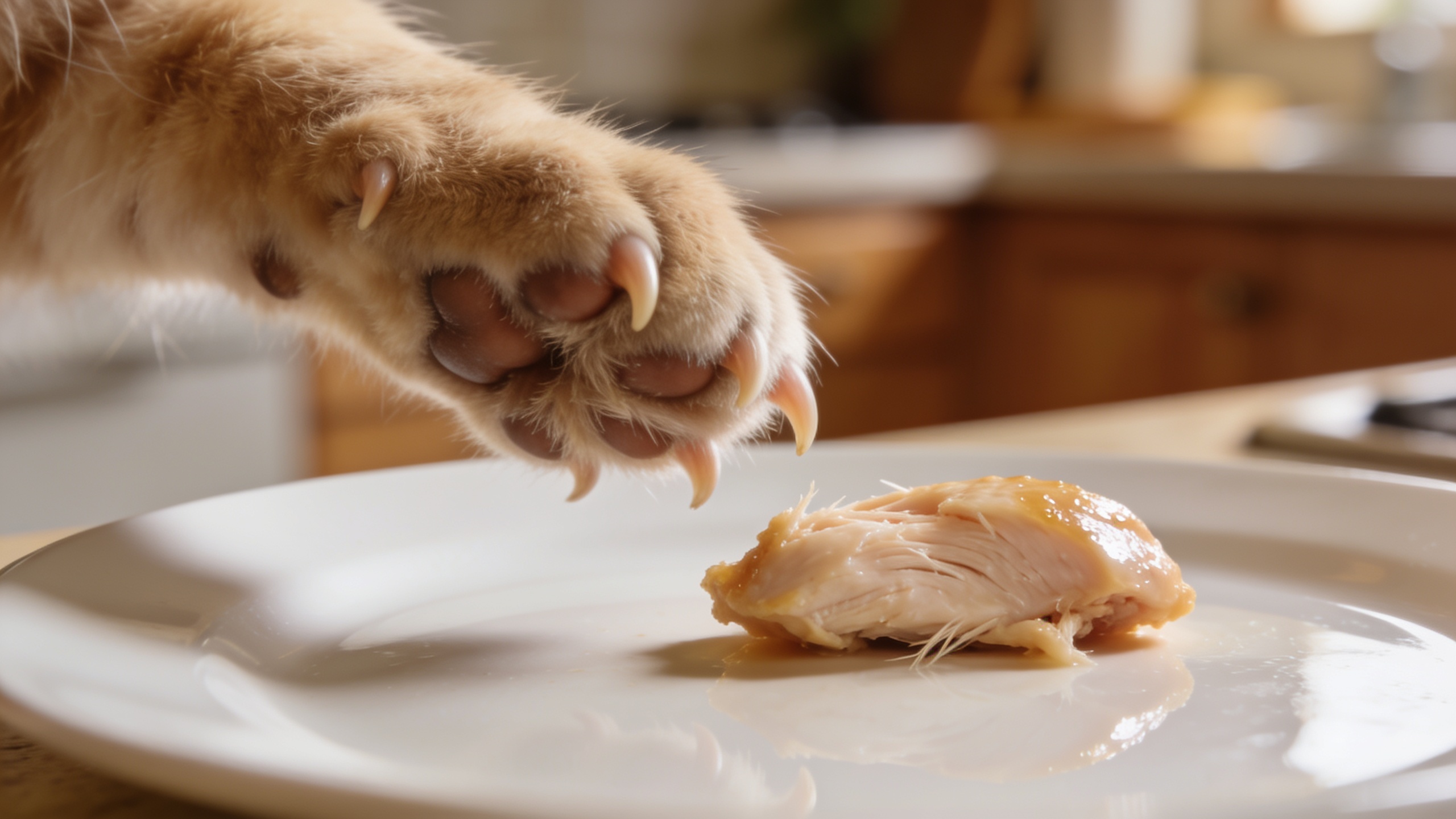
Choosing the right new food plays a significant role in this transition process. Select high-quality options that are backed by nutritional research, prioritizing animal protein as the primary ingredient. Felines may respond better to foods featuring familiar proteins, like chicken or turkey, especially when transitioning from a poultry-based diet. Maintain attention to texture variations as well; if the current diet is dry, introducing another dry option or a wet food version could serve as a more acceptable transition.
Feeding frequency can also influence acceptance of new foods. If your cat typically eats twice a day, do not change this routine abruptly. Instead, offer the new food in smaller portions during regular feeding times to promote gradual acceptance. Use separate bowls to minimize the confusion between old and new foods during the transition period. Keeping feeding times consistent helps establish a routine, fostering a sense of security that can encourage experimentation with new offerings.
Lastly, if a cat shows extreme resistance by refusing to eat the new food, it may become necessary to pause the introduction and reassess the situation. Resuming with a different flavor or formulation after a short break can ultimately yield better results. Always maintain a positive, stress-free feeding environment, as a calm atmosphere can significantly impact a cat’s willingness to explore new tastes. Reinforcement with treats or praise during meal times can help create a positive association with trying new foods, promoting a more adventurous eating habit in the long term.
Tips for Successful Transitions
Establishing a successful transition from familiar to new foods hinges on careful observation and proactive management techniques that cater to individual feline needs. Monitor specific feline behaviors during the introduction phase, identifying preferences for particular tastes or textures. Use a varied approach to portioning; smaller, more frequent feedings may encourage acceptance, as cats often prefer nibbling over large meals. Using only bite-sized pieces of new food can facilitate this, making it less daunting for the cat to explore and adopt.
Using scent enhancement can significantly influence a cat’s acceptance of new foods. Warming the new food slightly before serving can heighten its aroma, making it more enticing. Scent plays an important role in a cat’s eating experience, as they rely more on olfactory cues than on visual cues, especially when evaluating unfamiliar items. Introducing food items that have been lightly drizzled with fish oil or broth can also enhance palatability without compromising nutritional value.
Competition can impede acceptance; if multiple pets are present, ensure the transitional feeding environment is stress-free. Designating a quiet, separate space during new food trials allows cats to focus without feeling threatened by others. Close monitoring during this period is critical, as stress signals from a feline can range from vocalizations to avoidance behavior and even aggression toward food items. Remove uneaten food after a set timeframe to prevent the cat from developing a habit of grazing and to reinforce the idea that new food is not always available.
Incorporate interactive feeding strategies, such as puzzle feeders or treat balls, which challenge the cat to engage with the food actively. This can stimulate curiosity and encourage cats to consume new offerings, turning mealtime into a stimulating activity rather than a mere necessity. Additionally, recognize that some cats may benefit from introducing a mixture of wet and dry food products at the same time. This approach capitalizes on the unique moisture needs of cats while tapping into potential texture preferences, addressing both hydration and palate satisfaction.
When resistance is encountered, consider reflecting on the texture and form of the new food. Cats may have strong preferences for specific kibble shapes or pâté versus chunk styles. Should significant reluctance persist, consult with a veterinary nutritionist who can propose alternative diets or newly researched food options more aligned with your cat’s preferences. This collaborative approach ensures that any dietary shift remains nutritionally balanced and supports overall feline health.