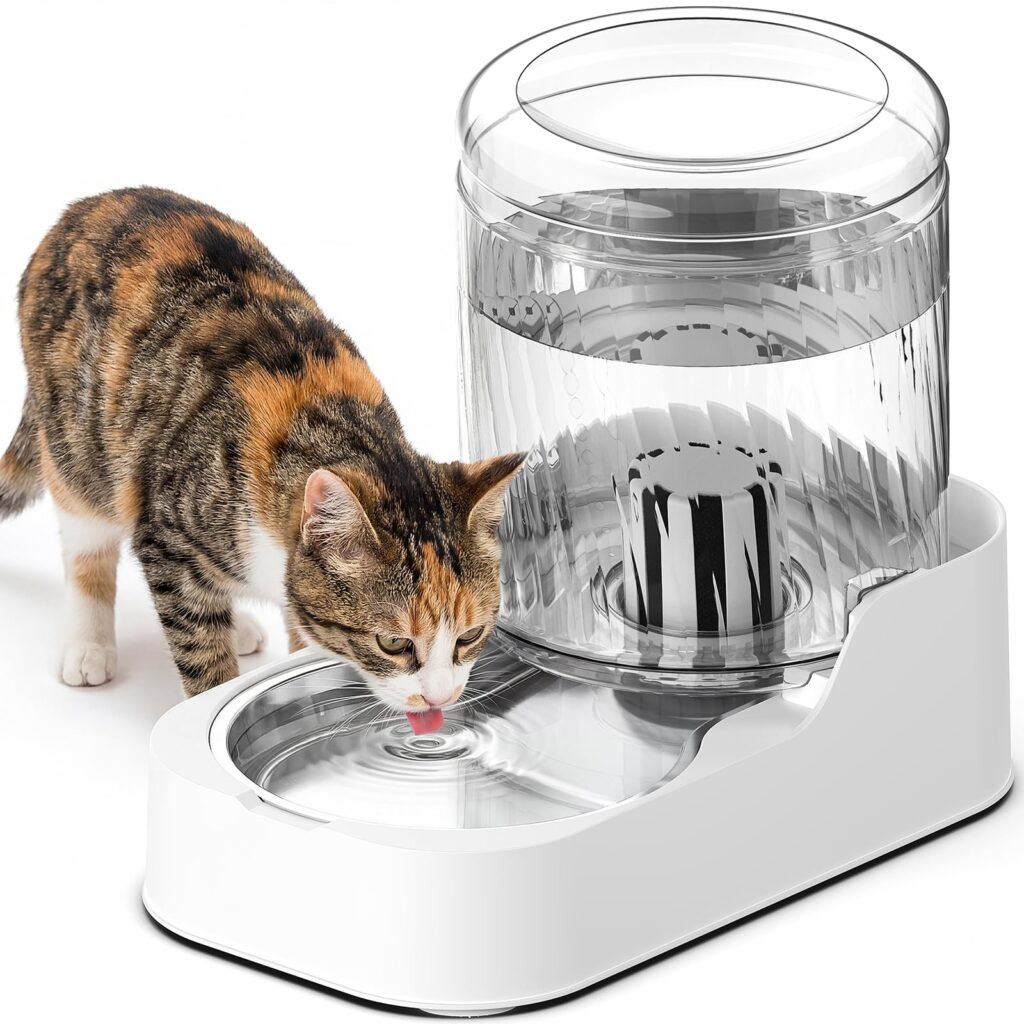
Feline obesity is characterized by excessive body fat accumulation, which significantly impacts health and well-being. It’s quantified using body condition scoring (BCS), with a score of 5 indicating an ideal weight, while scores of 6 or higher denote varying degrees of overweight to obesity. A BCS exceeding 7 often correlates with increased risks of metabolic disorders, joint issues, and a reduced life expectancy.
Genetic predisposition plays an important role; certain breeds, such as the Domestic Shorthair and British Shorthair, have a higher tendency to gain weight due to inherited metabolic traits. Additionally, age is a significant factor, as weight gain often occurs in middle-aged cats due to decreased physical activity and metabolic slowdown. Physiological changes, such as altered hormone levels from neutering or spaying, can also contribute to weight gain by affecting appetite control and energy expenditure.
The relationship between environment and behavior influences obesity prevalence. Indoor cats face increased inactivity due to limited space for exercise and reduced opportunities for natural hunting behaviors. A sedentary lifestyle, exacerbated by environmental enrichment deficits, fosters weight gain. Behavioral issues, such as compulsive eating or stress-induced overconsumption, can further complicate weight management.
Dietary factors are critical in understanding obesity. High-calorie diets, often rich in carbohydrates and low in protein, contribute to excessive energy intake. Cats are obligate carnivores, requiring a diet primarily composed of animal protein for optimal health. Overfeeding, whether through excessive portion sizes or free-feeding practices, leads to chronic overconsumption. The composition of commercial pet foods can also result in nutrient imbalances, affecting satiety levels and overall health.

Temptations Creamy Puree Cat Treats, Chicken, Salmon & Tuna, 24 Count | Chicken, Salmon, Tuna flavors, under 15 cal/tube, no added sugar/fillers, squeezable treat or meal topper, great for seniors
EUR 10.46 (as of October 2, 2026 19:09 GMT +00:00 - More infoProduct prices and availability are accurate as of the date/time indicated and are subject to change. Any price and availability information displayed on [relevant Amazon Site(s), as applicable] at the time of purchase will apply to the purchase of this product.)Observable signs of obesity include difficulty grooming, lethargy, and decreased mobility. Cats may exhibit abdominal sagging or have noticeable fat deposits over their ribs and spine. Regular veterinary assessments can help monitor weight changes and detect health issues related to obesity early on.
Understanding the multifactorial nature of feline obesity emphasizes the necessity for a multimodal approach in addressing it. Individualized dietary strategies tailored to a cat’s specific energy needs, combined with behavioral modifications and increased exercise, form the backbone of effective weight management programs. Regular veterinary guidance can optimize these measures, ensuring the health and longevity of affected cats.
Common causes of obesity in cats
Several intrinsic and extrinsic factors contribute to feline obesity, creating a complex interplay that influences a cat’s weight. Primarily, genetics dictate metabolic efficiencies, appetite regulation, and fat storage patterns. Breeds such as the Maine Coon and Ragdoll are genetically predisposed to weight gain, exhibiting lower energy expenditure levels compared to more active breeds like the Abyssinian or Siamese. Additionally, polymorphisms in specific genes associated with leptin, a hormone regulating hunger and energy balance, can predispose some individuals to obesity.
Another significant cause is hormonal changes, which often occur after neutering or spaying. These procedures lower levels of sex hormones, impacting metabolism and appetite. Post-operative weight gain can be particularly pronounced in male cats, which may experience an increase in appetite without a corresponding increase in energy requirements. The resultant energy surplus contributes to fat accumulation, particularly if dietary adjustments are not implemented post-surgery.
Age also plays a critical role in obesity development. As cats advance past their prime reproductive years, metabolic rates often decline due to a reduction in lean muscle mass and changes in energy requirements. Middle-aged to senior cats are more vulnerable to weight gain, particularly if their behavioral patterns do not adjust to their decreasing energy needs. Furthermore, diseases such as hyperthyroidism or diabetes can alter weight dynamics, necessitating close monitoring for potential weight fluctuations linked to these conditions.
Environmental factors, including the home setting and owner’s lifestyle, further complicate the landscape of feline obesity. Indoor cats, particularly those in low-stimulation environments, face higher risks of becoming overweight due to inadequate physical activity. The absence of engaging play and exercise opportunities significantly contributes to sedentary lifestyles. Moreover, emotional factors such as stress from changes in household dynamics or inadequate socialization can lead some cats to engage in stress-eating behaviors, exacerbating weight gain.
Dietary habits directly impact obesity prevalence. Many commercial diets, although convenient, are calorie-dense and may lack essential nutritional balance. High carbohydrate content in some brands can lead to excess glycemic responses, promoting fat storage rather than lean muscle maintenance. Owners should be wary of free-feeding regimes, as they often promote continuous grazing and disrupt natural appetite regulation mechanisms. Observing feeding behavior can provide insight; cats that finish their meals quickly may be encouraged to overeat if food is continuously available.
Recognizing obese cats often hinges on awareness of specific physical indicators; the presence of an abdominal pouch, difficulty in grooming behind the ears, and decreased agility during play are crucial signs. Regular veterinary weight checks can assist in establishing baseline data and monitoring changes, allowing for timely interventions to mitigate health risks associated with obesity.
Effective solutions for weight management
Effective weight management solutions for cats must be based on individual assessments, recognizing the unique factors contributing to obesity in each cat. A personalized dietary plan is paramount; it should be nutrient-dense, providing adequate protein while minimizing carbohydrates. Cats require a high-protein diet to support muscle maintenance and metabolic function, emphasizing the importance of selecting high-quality, species-appropriate foods. Reducing caloric intake without impacting nutrient quality is essential, often achieved by transitioning to weight management formulas specifically designed for feline metabolism.
Caloric restriction should be approached gradually to prevent stress and encourage adaptation. Implementing a controlled feeding schedule can enhance moderation; measured portions divided into multiple meals throughout the day can prevent binge eating that often occurs with free feeding. The use of puzzle feeders can stimulate both physical and mental activity, promoting slower eating and encouraging interaction.
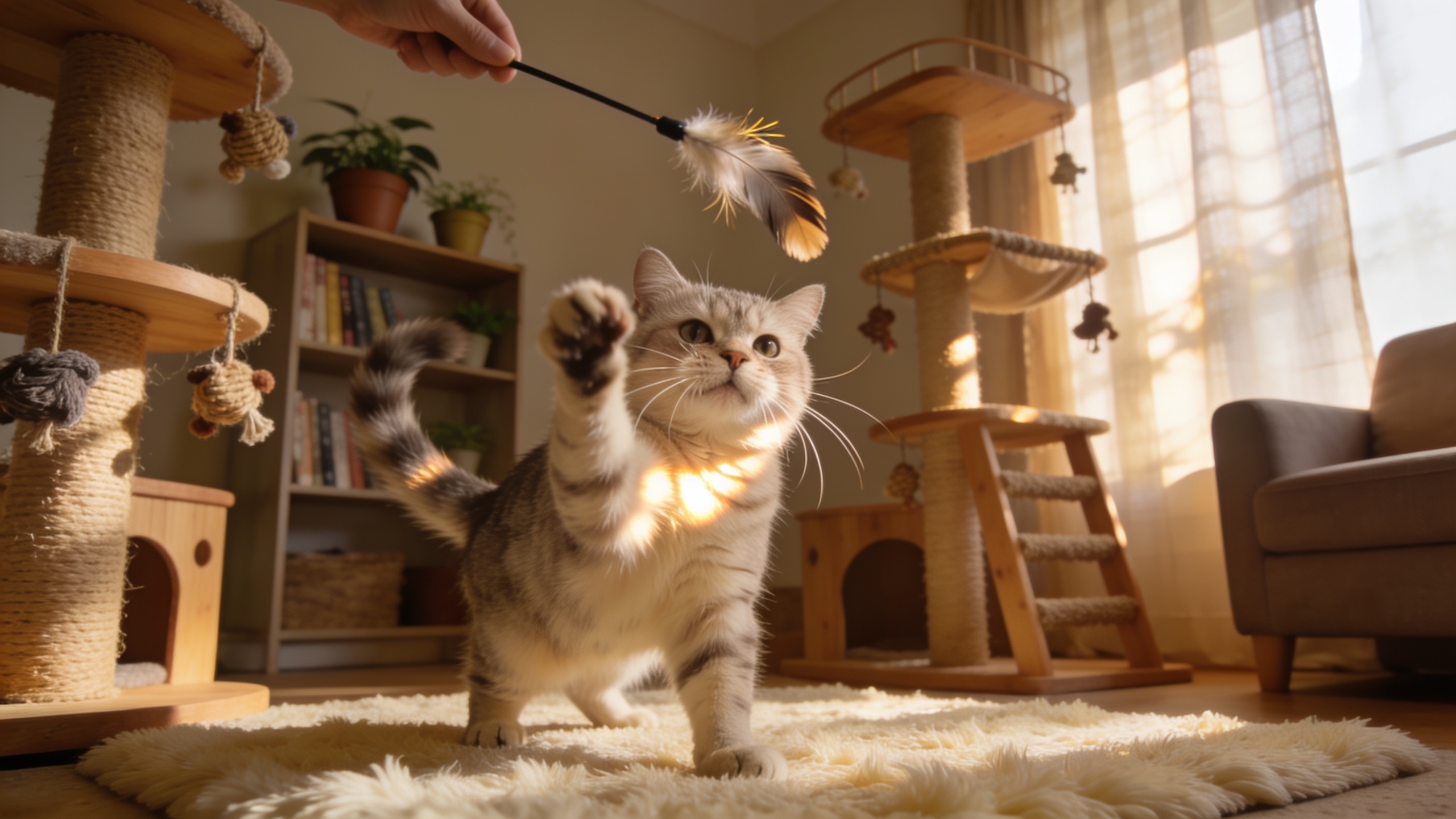
Behavioral modifications are critical components of effective weight management strategies. Engagement in regular play and exercise routines must be prioritized. Targeted activities such as interactive play sessions or structured exercise routines encourage physical activity, promoting energy expenditure. Activities should mimic natural hunting behaviors, incorporating toys that require stalking or pouncing to maintain interest and motivation. For senior cats or those with mobility issues, gentle exercise alternatives like teaser toys or laser pointers encourage movement without overexertion.
The incorporation of routine veterinary check-ups can ensure ongoing assessment of weight and overall health. Weight loss should be gradual, ideally no more than 1-2% of body weight per week, to minimize health risks such as hepatic lipidosis, a serious condition arising from rapid weight loss. Regular monitoring can identify potential complications early, allowing for timely adjustments in dietary or exercise plans.
Environmental enrichment is equally important in overcoming obesity challenges. Creating stimulating environments that include climbing structures, scratching posts, and various interactive toys encourages exploration and physical activity. Cats are instinctively curious, and stimulating their environment can facilitate a natural increase in activity levels. Changing the layout of the living space or providing access to safe outdoor areas can also improve overall wellbeing and reduce sedentary behavior.
Lastly, fostering awareness about the signs of emotional eating is important for holistic weight management. Observing behavioral shifts in response to stressors can allow for proactive measures, such as implementing enrichment strategies or seeking behavioral consultations for problematic eating patterns. Understanding the psychological aspects of feline nutrition provides a more comprehensive approach to obesity management.
Preventive measures for maintaining a healthy weight
Maintaining a healthy weight in cats necessitates a proactive and informed approach, addressing both dietary and lifestyle factors from an early age. Regularly scheduled veterinary visits establish baseline weight measurements and ensure timely detection of any deviations from normal range, facilitating early intervention if needed. These visits also provide opportunities for professional guidance tailored to the specific needs and risks associated with individual cats.
Implementing a consistent feeding regime is critical in preventing obesity. Owners should adhere to recommended serving sizes based on their cat’s age, weight, and activity level, as outlined by veterinary nutrition guidelines. Reducing the temptation of overindulgence starts with scheduled feeding rather than free-feeding options, which often lead to excessive calorie intake. The emphasis on monitoring portion sizes can help balance energy input with energy expenditure.
In terms of diet, it is essential to prioritize high-quality, nutrient-dense cat foods with optimal protein-to-carbohydrate ratios. Manufacturers that produce specially formulated diets targeting weight control contain appropriate caloric content while ensuring adequate nutrient provision. Owners should examine ingredient lists and avoid products with fillers like corn or soy, which may lead to increased glycemic responses and appetite stimulation.
Environmental enrichment strategies can significantly influence a cat’s physical activity levels. Owners should introduce diverse play options that replicate natural predatory behaviors, such as feather wands, laser pointers, and automated toys that promote movement. These activities not only stimulate physical exertion but also enhance cognitive engagement, reducing overall boredom and the likelihood of stress-induced overeating. Additionally, vertical spaces, such as cat trees or shelves, can encourage climbing and exploration, further promoting exercise.
Behavioral observations are vital in recognizing and addressing potential contributors to weight gain. Monitoring behavioral changes, particularly signs of boredom or stress, allows for timely modifications in play and interaction strategies. Engaging in interactive play at least once daily fosters bonding and increases activity levels, reducing the risk of obesity. Cats often thrive on routine, and establishing regular times for meals and play can instill a sense of security that promotes overall wellbeing.
Moreover, it is important to remain vigilant for specific red flags that may indicate a risk of developing obesity, such as accelerated weight gain despite a consistent diet or decreased playfulness. Recognizing these signals early enables prompt intervention strategies, potentially preventing the onset of obesity-related health complications. Keeping a journal of a cat’s eating habits, weight fluctuations, and activity levels provides valuable insight into their health trajectory.
Cats often exhibit varied responses to changes in diet or activity levels; therefore, individual assessments and adjustments are necessary. During weight maintenance efforts, gradual changes are more sustainable than abrupt modifications. Incorporating these preventive measures holistically fosters an environment promoting health, vitality, and a reduced risk of developing obesity as cats age.