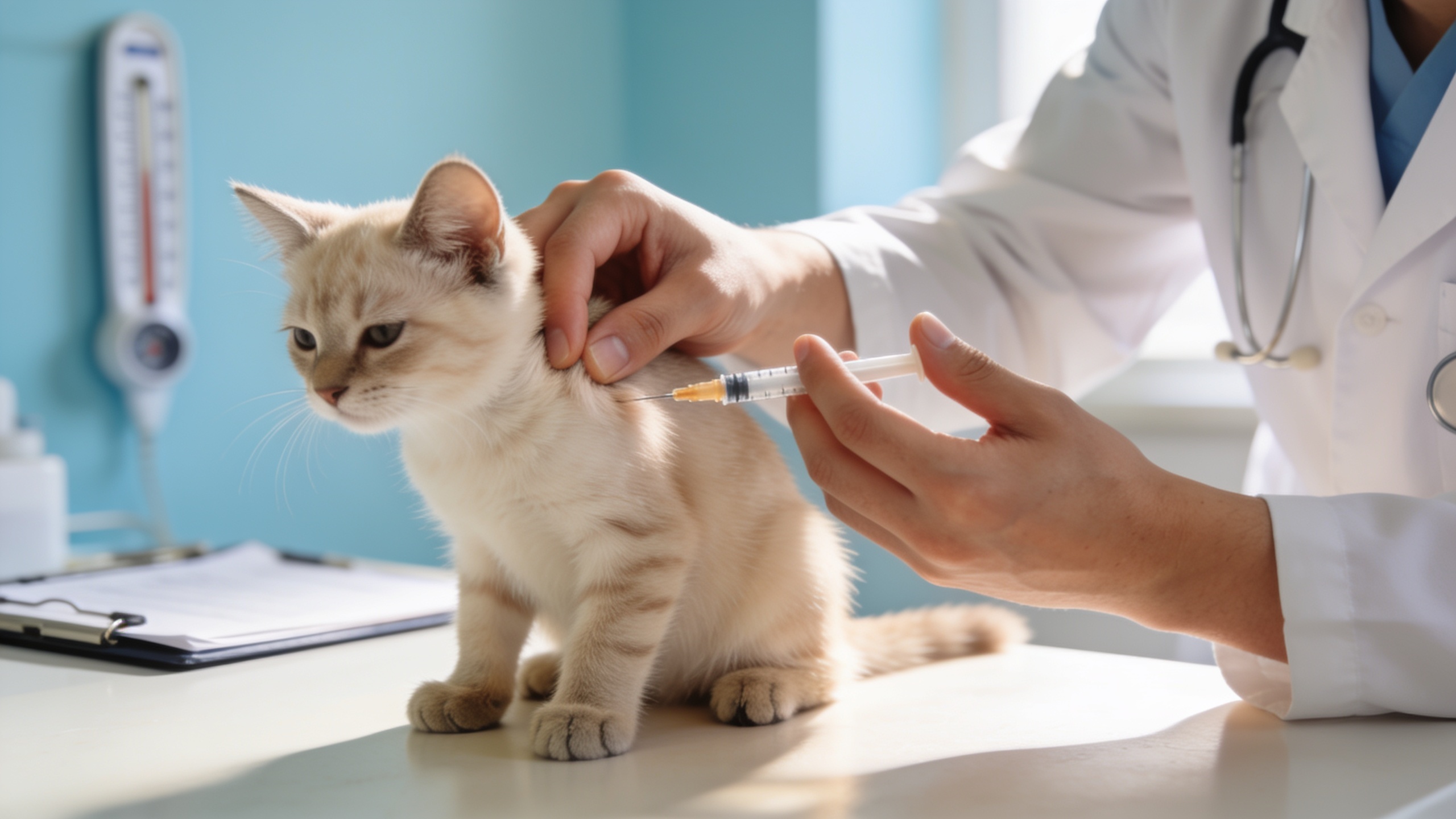
Understanding a cat’s vaccination schedule is essential to maintain optimal health throughout its life. Kittens should begin their vaccinations at 6 to 8 weeks of age, initiating with a combination vaccine known as FVRCP (Feline Viral Rhinotracheitis, Calicivirus, and Panleukopenia). This series should be administered every 3 to 4 weeks until the kitten is about 16 weeks old to ensure appropriate immune response development. The initial rabies vaccine is typically given at around 12 to 16 weeks of age, contingent upon local regulations.
For adult cats, vaccinations should be boosted based on risk assessments which consider factors such as lifestyle, environment, and health status. Generally, the FVRCP booster is considered every 1 to 3 years, while rabies vaccinations are mandated every 1 to 3 years, guided by state laws and vaccine type used. High-risk environments, such as multi-cat households or areas with prevalent infectious diseases, may necessitate more frequent vaccinations and additional vaccines such as FELV (Feline Leukemia Virus) for susceptible individuals.
Senior cats, defined as those over 7 years of age, require careful consideration of their health conditions when establishing vaccination protocols. Immune system aging may hinder vaccine efficacy, necessitating titers to assess existing immunity prior to revaccination. It is important to individualize the vaccination schedule against the backdrop of age-related health decline, potential underlying conditions, and overall wellness.
Feline veterinarians often recommend a thorough health assessment before vaccinations, especially for cats with chronic illnesses or immunosuppressive conditions. This evaluation should encompass a physical examination, laboratory testing for viral infections or blood parasites, and a review of vaccination history to prevent adverse reactions while establishing an effective immunization plan.

Friskies Purina Seafood Sensations Dry Cat Food, 22 lb Bag | Crunchy cat kibble with salmon, tuna and shrimp flavors, with protein for healthy muscles and fatty acids for skin and coat
EUR 16.86 (as of September 21, 2026 14:21 GMT +00:00 - More infoProduct prices and availability are accurate as of the date/time indicated and are subject to change. Any price and availability information displayed on [relevant Amazon Site(s), as applicable] at the time of purchase will apply to the purchase of this product.)When implementing a vaccination schedule, it is imperative to monitor for any post-vaccination reactions, which while rare, may include lethargy, localized swelling, or more severe allergic responses such as anaphylaxis. Prompt reporting of such signs to a veterinary professional is essential to assess and mitigate risks associated with future vaccinations.
Educational outreach regarding cat vaccination is pivotal; many cat owners may lack awareness of the necessity of timely vaccinations, leading to preventable infectious diseases. Ensuring that vaccinations are integrated with regular wellness visits not only enhances the effectiveness of preventative care but also fosters a proactive approach to feline health management, thereby reducing the incidence and spread of infectious diseases within the cat population.
Benefits of Preventative Care
Preventative care establishes a foundation for long-term health, directly influencing the lifespan and quality of life for cats. By preemptively addressing potential health issues, veterinarians can mitigate risks before they manifest as clinical diseases. This proactive approach allows for timely intervention, improving overall outcomes for cats. For instance, routine dental care, including professional cleanings and at-home oral hygiene, can prevent periodontal disease, which is prevalent in cats and linked to systemic conditions such as kidney disease and endocarditis.
Additionally, preventative care encompasses parasite control through regular deworming and flea/tick management. These interventions reduce the incidence of vector-borne diseases, such as Bartonella henselae, which can affect both feline and human health. Year-round parasite prevention is especially critical in geographically endemic areas where certain pathogens thrive. Regular fecal examinations can inform the needed deworming regimen based on fecal egg count, providing targeted treatment rather than blanket approaches.
Nutritional management is also integral to preventative care, as diet directly affects a cat’s immune function and weight management. Age, breed, and health conditions should dictate dietary choices; for instance, senior cats may benefit from specifically formulated diets that enhance joint health and cognitive function. Obesity, considered a significant risk factor for numerous diseases, can often be mitigated through tailored feeding plans and behavioral interventions that support healthy weight loss.
Regular wellness examinations enable the early detection of diseases such as kidney disease, hyperthyroidism, and diabetes, which are particularly common in older cats. During these evaluations, veterinarians perform assessments that may include blood tests, urinalysis, and physical examinations to identify subtle changes indicative of health deterioration. Implementing screening protocols specific to high-risk breeds, such as Maine Coons for hypertrophic cardiomyopathy, further enhances preventive efforts.

Behaviorally, preventative care also addresses mental enrichment, which especially important for feline welfare. Environmental enrichment strategies can help reduce anxiety and behavioral problems, decreasing the likelihood of stress-related health issues. Engaging a cat in interactive play and providing appropriate enrichment devices encourages natural behaviors and can prevent obesity and associated health risks.
Recognizing warning signs indicative of potential health issues especially important for timely intervention. Subtle changes such as alterations in appetite, litter box habits, or social behavior can be the first indicators of underlying conditions. Owners should be educated on baseline behaviors to facilitate early detection and foster a culture of vigilance regarding cat health.
The benefits of preventative care are multifaceted, positively influencing a cat’s health trajectory and leading to enhanced longevity and life quality. Regular interactions with a veterinarian allow for individualized action plans that address specific risks associated with age, breed, and lifestyle, ultimately steering towards a holistic approach to feline wellbeing.
Common Preventative Measures
Effective preventative measures encompass a comprehensive approach to cat health, targeting various aspects of well-being from early development through senior years. Routine veterinary check-ups are foundational, enabling the identification of potential health concerns before they escalate. These evaluations should include thorough physical examinations and diagnostic testing tailored to the cat’s age, breed, and lifestyle risks, offering insights into underlying health conditions such as obesity, dental disease, or metabolic disorders.
Vaccination is a critical component, as it protects against a spectrum of infectious diseases. Continuous engagement with vaccination protocols, combined with titer tests for assessing immunity levels, allows for personalized adjustments to immunization schedules, particularly for cats with known health issues or those at risk due to age-related immune decline.
Maintaining optimal dental hygiene is vital, as periodontal disease can lead to systemic health complications. Regular dental cleanings, combined with home care practices such as tooth brushing and dental treats, can significantly decrease plaque buildup and gingivitis risks. Notably, early oral health interventions can prevent pain and reduce therapeutic costs over time.
Parasite management extends beyond seasonal treatments; it requires a year-round commitment, especially in high-risk areas. Integrated parasite control through a combination of topical treatments, oral medications, and environmental decontamination is essential to reduce the prevalence of fleas, ticks, and gastrointestinal parasites. Regular fecal tests facilitate targeted deworming strategies based on actual infestation levels rather than routine, indiscriminate treatments.
Optimal nutrition plays a pivotal role in preventative care. Diet should be tailored to individual health needs, considering factors such as age, breed, and any pre-existing conditions. For instance, high-quality diets enriched with essential nutrients support immune function and mitigate health risks. Additionally, incorporating fiber may aid in gastrointestinal health, preventing issues such as constipation or obesity.
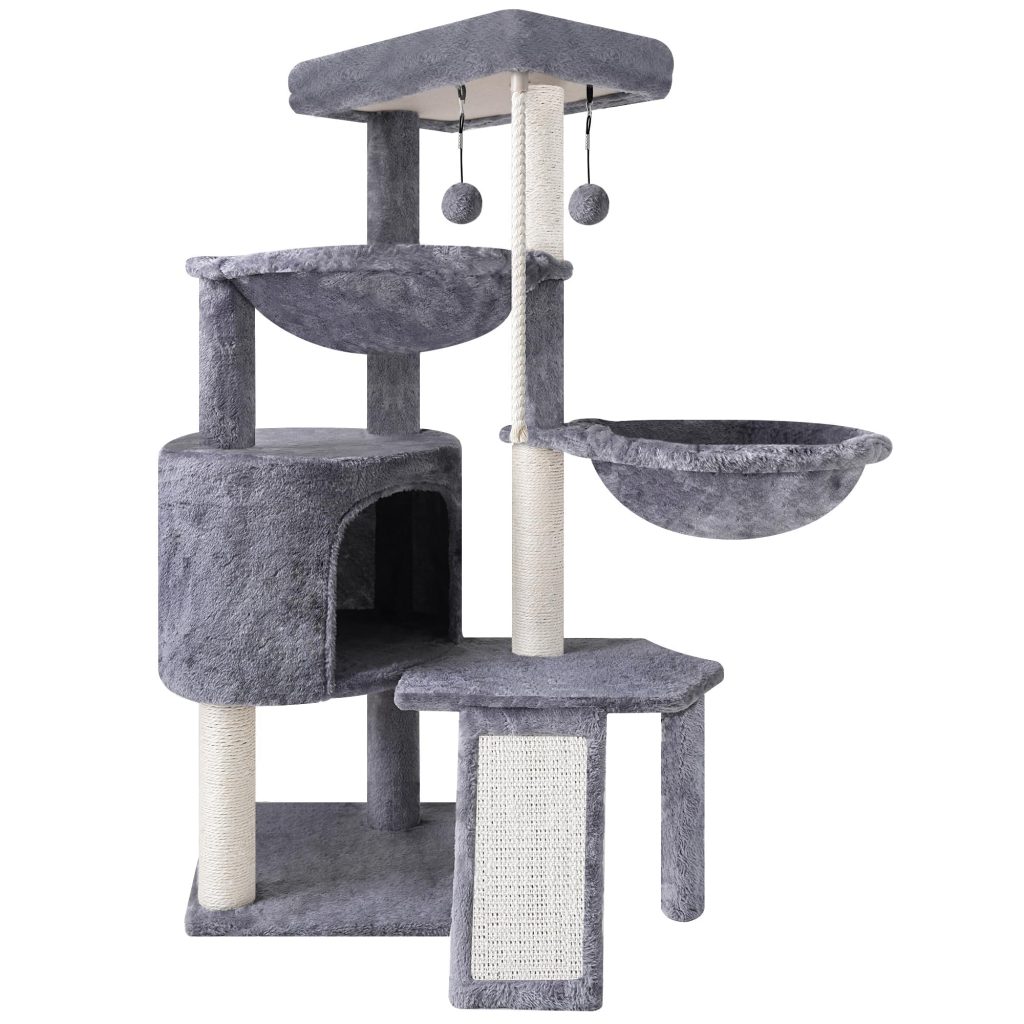
Environmental enrichment significantly contributes to mental and physical well-being, reducing the incidence of stress-related disorders. Providing interactive toys, scratching posts, and climbing structures not only stimulates a cat’s natural instincts but also encourages physical activity, helping to maintain a healthy weight. Behavioral assessments can guide modifications to the environment, minimizing anxiety triggers and enhancing overall feline welfare.
Proactive monitoring of behavior and health very important. Owners should be vigilant for any shifts in patterns such as changes in drinking, eating, or litter box use, as these can serve as early indicators of medical issues. Educating cat owners on recognizing these signs ensures timely veterinary intervention, facilitating more favorable health outcomes.
Veterinary professionals should remain at the forefront of creating customized preventative care plans that reflect each cat’s unique needs. Continuous education and open dialogue with cat owners are essential for effective health management, promoting a longer, healthier life for feline companions.