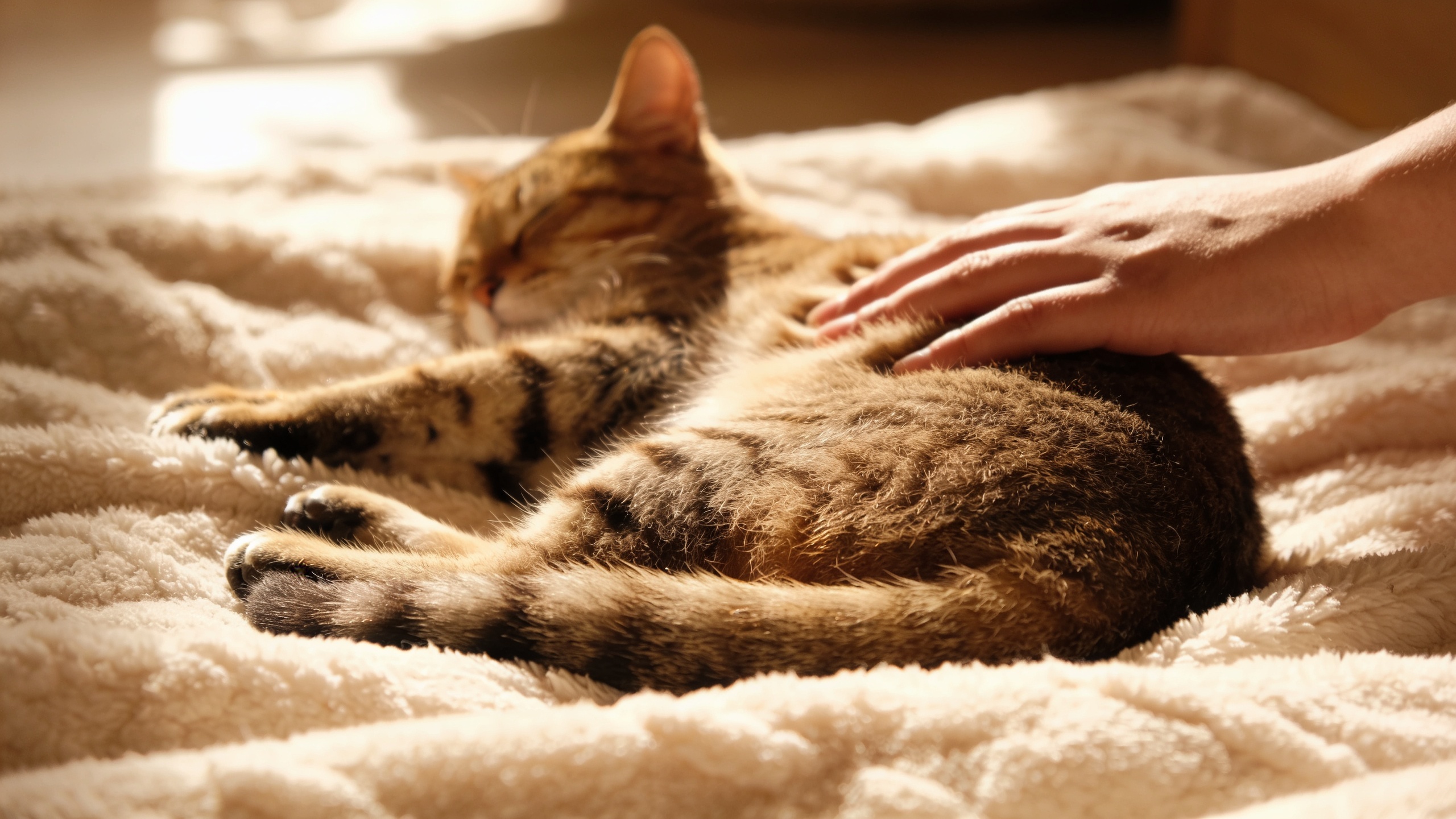
Effective cat massage techniques can vary based on the intended outcome, whether for relaxation, bonding, or health benefits. Understanding the anatomy of cats is essential; cats have sensitive areas such as the spine and belly, which require careful attention. Traditional massage techniques, such as effleurage (long, gliding strokes), petrissage (kneading), and friction (deep circular movements), can stimulate muscle relaxation and promote blood circulation. Employing firm but gentle pressure helps ensure that the massage is both effective and enjoyable for the cat.
Effective techniques often involve targeting specific areas known to be tense, such as the neck, shoulders, and lower back. For instance, using a rhythmic, gentle stroke along the spine can enhance the cat’s proprioceptive awareness and alleviate stress. It is critical to observe the cat’s response; signs of relaxation include purring, leaning into the pressure, or closing the eyes. In contrast, flinching or attempting to escape indicates discomfort or the need for a lighter touch.
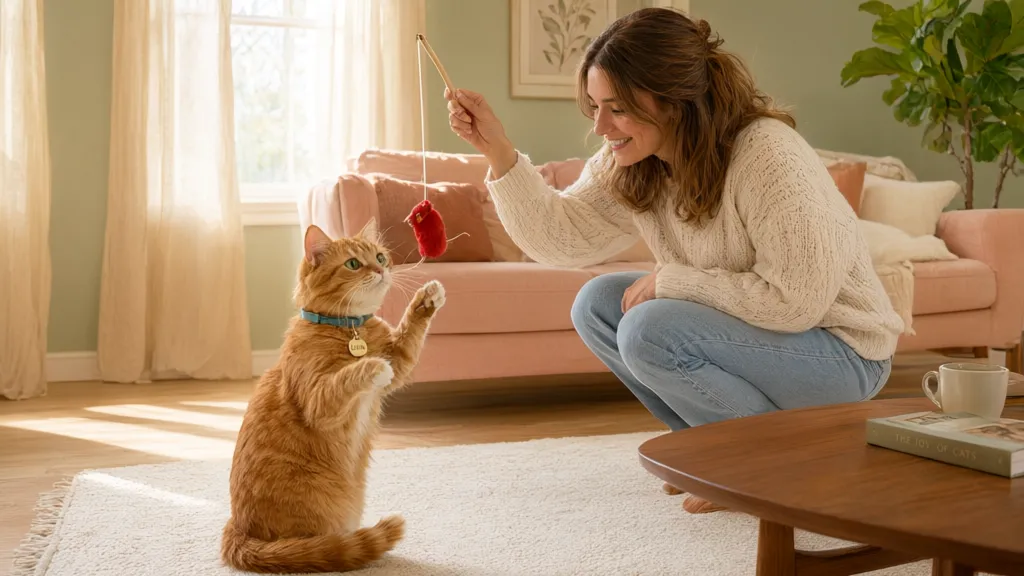
Using a playful approach during the massage can further enhance the experience. Integrating light play before the massage session can relax the cat and make them more receptive. It’s beneficial to perform massage in a familiar and comfortable environment, minimizing stressors such as loud noises or unfamiliar scents. Warm-up techniques, including gentle stroking and petting, facilitate a smooth transition into deeper massage techniques.
Focusing on the cat’s tail base and legs can be advantageous, as many cats hold tension in these areas. Gently massaging the base of the tail using circular motions can release pent-up stress. Similarly, indentation techniques applied to the leg muscles can yield positive results, especially after exercise or a strenuous day of activity. Always ensure that the cat is comfortable with the level of pressure; threshold sensitivity varies among individuals, influenced by age, breed, and prior experiences.

INABA Churu Cat Treats, Lickable, Squeezable Creamy Purée Cat Treat with Green Tea Extract & Taurine, 0.5 Ounces Each Tube, 50 Tubes, Tuna & Chicken Variety
EUR 29.62 (as of October 15, 2026 08:33 GMT +00:00 - More infoProduct prices and availability are accurate as of the date/time indicated and are subject to change. Any price and availability information displayed on [relevant Amazon Site(s), as applicable] at the time of purchase will apply to the purchase of this product.)When integrating massage into the cat’s routine, consider the frequency and duration; shorter, more frequent sessions can be more effective than prolonged ones. Begin with 5-10 minutes, gradually increasing as the cat becomes accustomed to the process. Maintaining a calm demeanor, using a soft voice, and solidifying trust through consistent practice can enhance the overall effect of the massage. Therefore, the technique not only serves physiological purposes but also nurtures the emotional bond between the cat and the owner, thereby enhancing overall feline welfare.
Physical and Emotional Benefits
A high number of physical benefits of cat massage can directly influence a cat’s health and well-being. One critical effect of massage is improved blood circulation. Enhanced blood flow fosters better oxygen and nutrient delivery to the tissues, promoting healing and overall vitality. That is particularly beneficial for older cats or those recovering from injuries, as their circulatory systems may require additional support to maintain optimal function.
Massage also alleviates muscle tension, which is vital for both active and sedentary cats. Chronic muscle tension can lead to discomfort and behavioral issues, impacting a cat’s ability to engage in play or explore their environment. By systematically applying pressure to tense muscles, owners can facilitate relaxation and help restore normal muscular function, which becomes increasingly essential in older felines experiencing age-related muscle deterioration.
From an emotional perspective, massage can significantly reduce anxiety-related behaviors in cats. The soothing nature of the process can lower stress hormone levels (cortisol), which are often elevated in cats exposed to environmental stressors, such as multi-pet households or changes in the living situation. Regular massage promotes the release of endorphins and oxytocin, hormones associated with feelings of contentment and security, reinforcing a cat’s emotional stability.
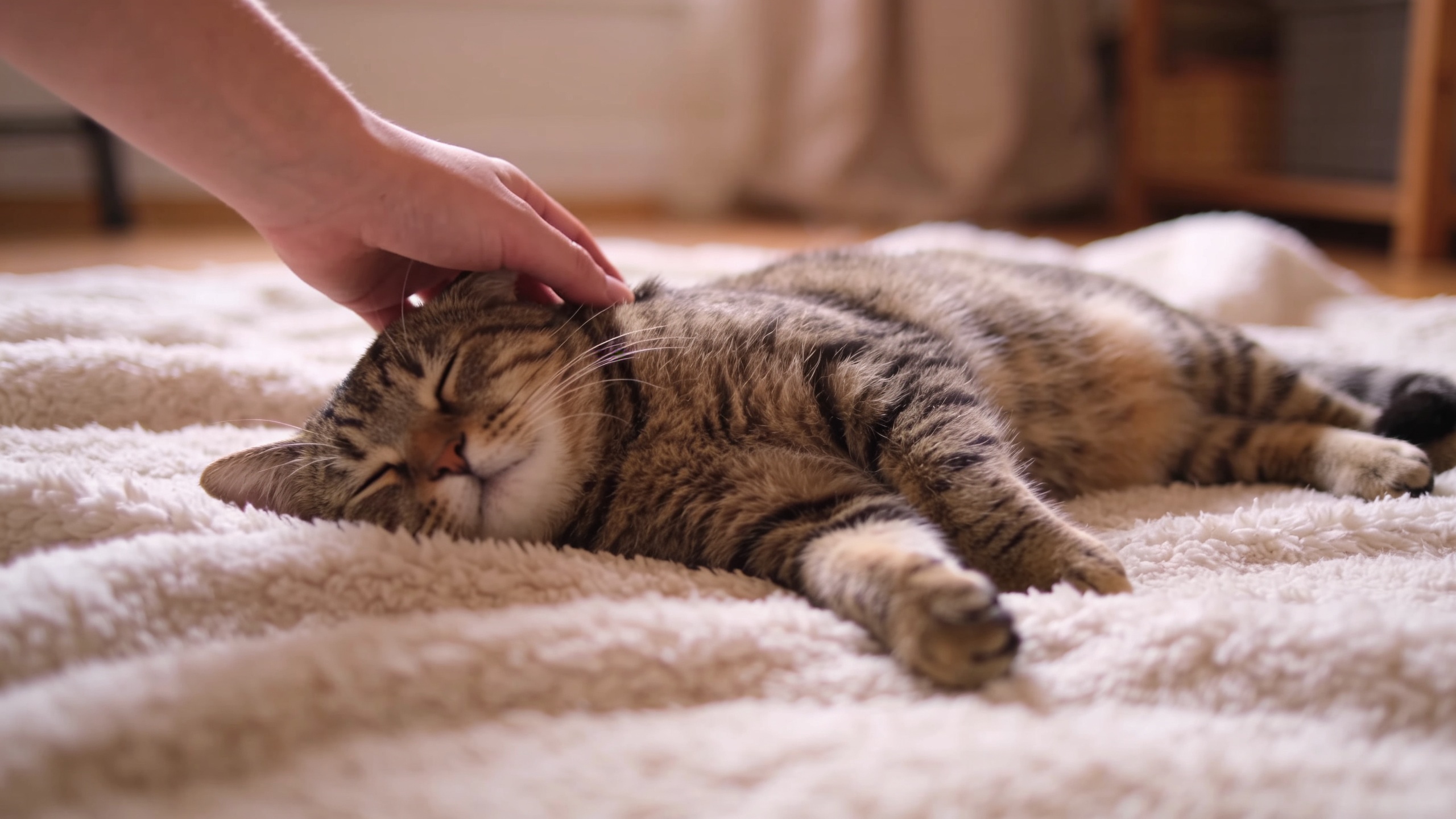
Furthermore, observable signs of enjoyment during massage include purring, kneading, and relaxed body posture, signaling the cat’s acceptance and appreciation of the interaction. This positive feedback loop reinforces the bond between the cat and the owner, fostering a trusting relationship which is fundamental to emotional well-being. For cats that may be prone to behavioral issues stemming from anxiety or fear, incorporating massage can serve as a reliable method of behavioral management and training reinforcement.
It’s crucial to recognize the individualized nature of each cat’s response to massage. Factors such as breed disposition, previous experiences with handling, and current health status can all influence how a cat perceives and reacts to massage. Some breeds, like the Ragdoll, may inherently enjoy physical touch more due to their placid nature, whereas others, such as the Abyssinian, might initially be more skittish. Tailoring massage techniques to the cat’s unique personality ensures the experience maximizes comfort and effectiveness.
For cats that are apprehensive or exhibit signs of discomfort, gradual desensitization can be beneficial. Starting with brief touches and gentle strokes in non-sensitive areas can help establish trust before progressing to more focused massage techniques. Regular assessment of the cat’s body language during the process allows for real-time adjustments, ensuring the overall experience remains positive. Thus, both physical and emotional benefits manifest at the same time, enhancing the cat’s quality of life significantly.
Creating a Routine for Cat Massage
Establishing a routine for cat massage can significantly enhance its effectiveness and the overall experience for both the cat and the owner. To create a successful regimen, consider the cat’s daily behavior and natural rhythms, ensuring that massage sessions coincide with times when the cat is naturally relaxed, such as after meals or during early evening hours. These windows optimize receptivity and comfort, leading to a more positive interaction.
Begin by designating a specific location for the massage, ideally a quiet and familiar space where the cat feels secure. This could be a favorite spot on the couch or a cozy blanket on the floor. The environment should be devoid of distractions, such as other pets or loud noises, which can disrupt the bonding process. By consistently massaging in the same place, the cat will begin to associate that area with relaxation and comfort.
Determine the frequency of massage based on the cat’s age, health status, and temperament. For younger, healthy cats, two to three short sessions per week may suffice, while older cats or those with chronic conditions might benefit from daily touch. Each session should ideally last between 5 to 15 minutes, gradually increasing as the cat becomes more comfortable with the technique. Monitoring the cat’s response to ensure they appear engaged rather than stressed is paramount.
Incorporating pre-massage rituals can enhance the experience. Engaging in a short play session using interactive toys can help reduce excess energy and set a tone of relaxation. Following this, applying gentle stroking on non-sensitive areas, like the head and shoulders, can gradually ease the cat into the massage. It’s vital to read the cat’s body language continuously; signs of enjoyment include purring, kneading, or relaxed posture, while signs of discomfort may manifest as tail flicking, moving away, or flattened ears.
Creating a schedule may also help embed the massage practice into daily life. Integrating it into a checklist or calendar reinforces a commitment to feline care and well-being. Consider using a reward system where after successful sessions, the cat receives a treat or extra affection, further solidifying the association of massage with positive outcomes.
Managing external factors such as the temperature and time of day can also affect the enjoyment of massage. Warm environments may enhance relaxation, especially for older cats with joint stiffness, while a cool space might invigorate more active cats. Timing is crucial; observe the cat’s natural behavior to determine a pattern that best accommodates their comfort. Regular reassessment of the massage routine ensures that the approach remains suitable as the cat ages or as its health condition changes.