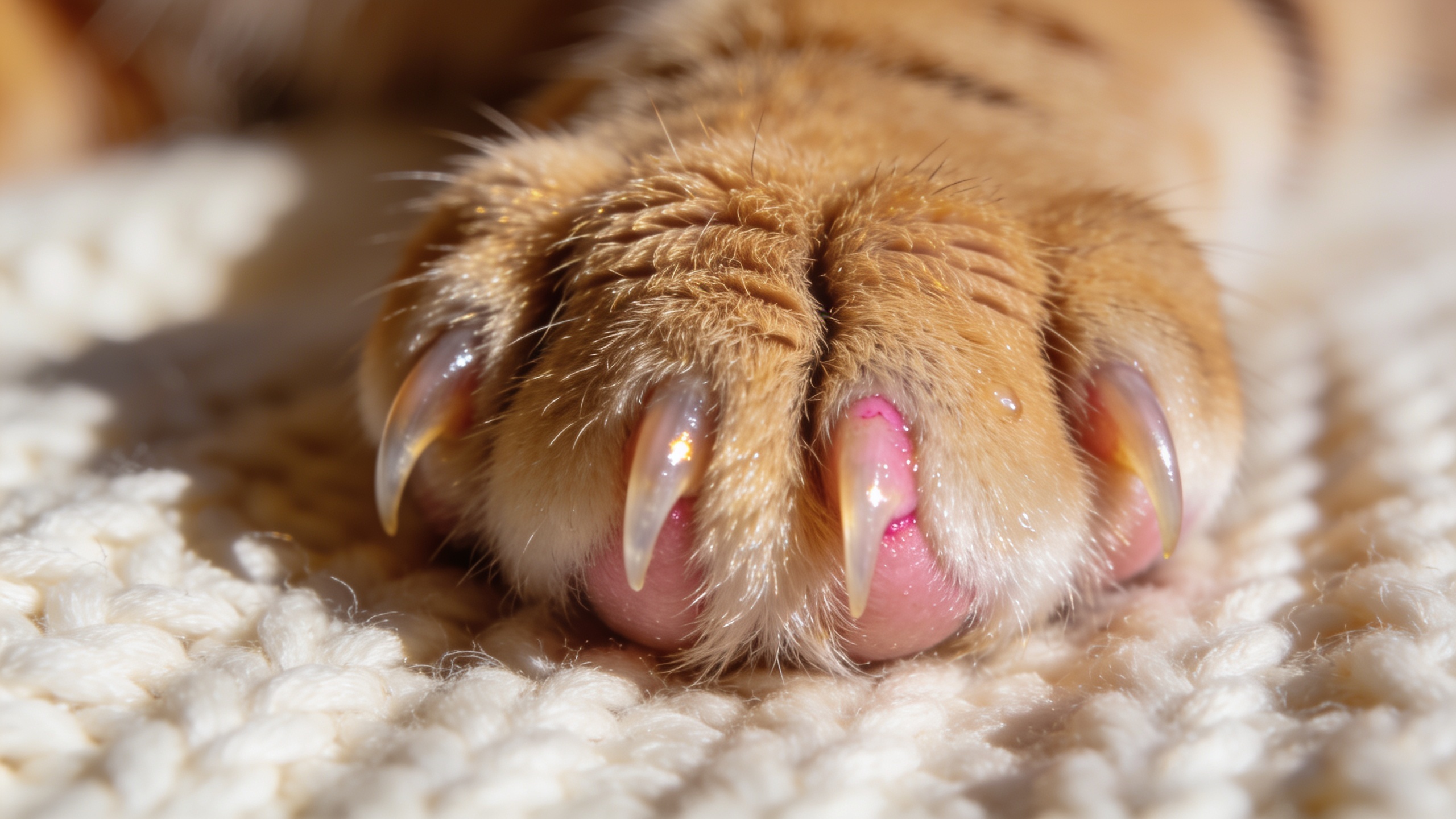
The feline claw consists of multiple layers, primarily composed of keratin, a fibrous protein providing strength and rigidity. Each nail has a hard outer sheath that encases the softer, living quick underneath, which contains blood vessels and nerves. Nail growth occurs continuously, driven by a combination of genetics, diet, and environmental factors, with growth rates varying among breeds. On average, a cat’s claws can require trimming every 1 to 4 weeks, depending on activity levels and surfaces walked on. Indoor cats may experience more rapid growth due to reduced wear on their claws.
Each cat’s nail is composed of a distal phalanx, the last bone in the toe, which provides structural support. Claws are used for traction, climbing, and hunting; thus, they’re naturally adapted for various functions. The process of shedding the outer sheath occurs in layers as the claw is used, preventing the nail from becoming excessively thick or jagged. Aging cats may exhibit slower growth rates and changes in claw health due to decreased activity, while younger or more active breeds may experience faster growth as they use their claws more regularly.
Seasonal changes can also influence nail growth patterns. For example, during the warmer months, more time outdoors can lead to increased wear, thus naturally reducing the need for trimming. Conversely, in winter, the lack of outdoor activity may require vigilant monitoring and trimming. Observing the environment and lifestyle of your cat is important in understanding their specific claw care needs.
If left untrimmed, longer claws can lead to improper weight distribution on the paws, resulting in discomfort or potential injury during movement. Overgrown claws may curl back into the paw pad, causing pain and infection risk. Cats may also exhibit behavioral changes, such as avoiding cat trees or scratching posts, which can indicate discomfort relating to their claws.

Temptations MixUps Crunchy and Soft Cat Treats, Catnip Fever, 16 oz | Chicken, catnip & cheese flavor, crunchy outside, soft inside, under 2 cal/treat, 100% complete & balanced, resealable tub
EUR 5.83 (as of October 15, 2026 08:33 GMT +00:00 - More infoProduct prices and availability are accurate as of the date/time indicated and are subject to change. Any price and availability information displayed on [relevant Amazon Site(s), as applicable] at the time of purchase will apply to the purchase of this product.)Diet plays a significant role in nail health as well. A nutrient-rich diet with adequate protein and fatty acids supports keratin production and overall claw integrity. Insufficient nutrition can lead to brittle nails, increasing the risk of cracking or breaking. Ensuring access to a high-quality diet, possibly supplemented with omega fatty acids, can promote healthy claw growth.
Understanding the unique anatomy and growth patterns of a cat’s nails allows for tailored care strategies. Regular monitoring and appropriate trimming can ensure comfort and promote the health of your cat’s claws while mitigating potential complications associated with neglecting claw care.
Proper trimming techniques
Using proper trimming techniques is essential for maintaining your cat’s claw health while minimizing the risk of injury to both the cat and the caregiver. The ideal approach begins with familiarizing the cat with the trimming process to alleviate anxiety. Gradual desensitization involves handling the paws and mimicking the clipping actions using a pair of blunt-ended nail clippers or a specialized cat claw trimmer. Select a quiet, comfortable environment free from distractions to improve the cat’s comfort.
Before commencing the trim, ensure that the cat is adequately restrained without causing stress, using a calming technique such as wrapping the cat in a towel, leaving one paw exposed. Assess the nail structure by identifying the quick, which is the pinkish area containing blood vessels and nerves. Avoid cutting into the quick, as this causes severe pain and bleeding; if inadvertently nicked, apply a styptic powder to address the bleeding promptly. For cats with dark nails, it may be more challenging to identify the quick; trimming smaller increments is advisable in such cases.
The trimming itself should focus on the sharp tip of the claw, removing approximately 1-2 millimeters at a time. This method promotes safety while keeping claws manageable. As a precautionary measure, aim to trim every 1-4 weeks based on individual growth patterns established during observance. This frequency helps maintain their optimal length and reduces the risk of damage to furniture or unintended injury to humans and other pets.
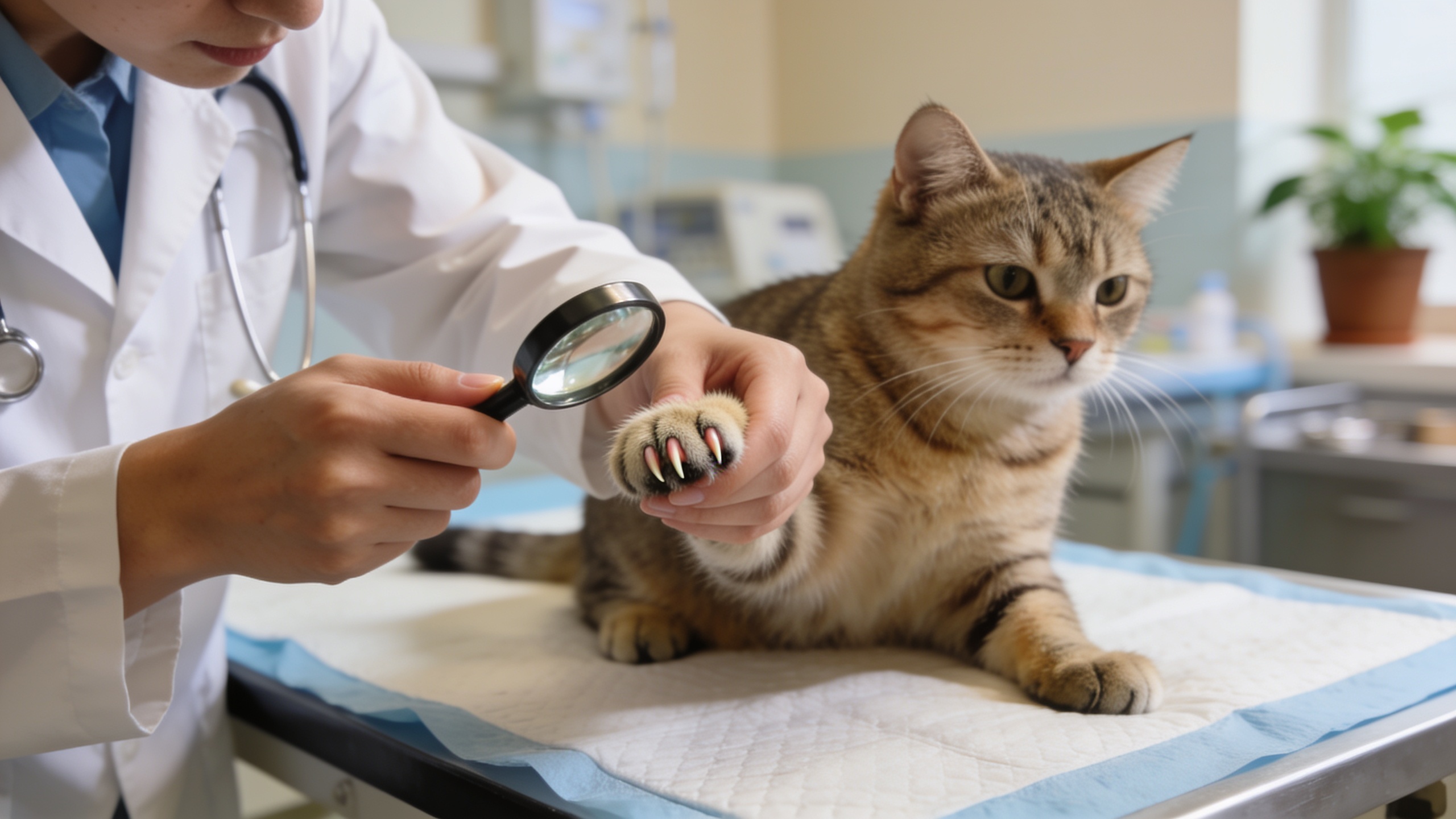
When approaching the trim, observe your cat’s reactions carefully. If the cat displays signs of distress, such as meowing, trying to pull away, or aggressive behavior, take a break and allow them time to calm down. Consistency in the trimming routine fosters familiarity and acceptance. Additionally, employing a rewarding system after successful trims, such as offering treats or gentle affection, reinforces positive associations.
In cases where nail trimming becomes problematic, consider consulting with a veterinarian or a professional groomer for assistance. They can demonstrate effective techniques or provide sedation solutions if necessary. For certain breeds, like the Persian or Ragdoll, specialized considerations may apply due to thicker, denser fur that can obscure nail visibility during trimming.
Monitoring for any residual effects after trimming is vital. Common indicators of discomfort can manifest as limping or avoidance of scratching behavior. Should these symptoms appear, reevaluation of trimming techniques or consultation with a veterinarian for potential underlying health issues is critical. Practicing knowledgeable, gentle, and consistent trimming not only fosters a cat’s well-being but also enhances the bond between cat and owner.
Signs of nail discomfort and health issues
Identifying signs of nail discomfort and health issues in cats requires close observation of behavior and physical health indicators. When nails become painful or infected, cats may exhibit subtle to pronounced changes in their daily habits. Common signs include reluctance to engage in typical activities like jumping, climbing, or using scratching posts. A notable change in posture, such as holding a paw aloft or limping, can indicate discomfort solely related to the claws.
Physical examination of the paw should include careful inspection of the nails, nail beds, and surrounding skin. Look for abnormalities such as redness, swelling, or discharge, which may indicate infection or inflammation. If the quick appears inflamed or if the cat shows evident pain when the area is touched, this can signify underlying health issues. Cracked, split, or overly thickened nails are additional indicators that warrant further investigation, as they can lead to pain or complications such as abscesses.
Behavioral changes may also serve as critical indicators of nail-related issues. Cats that previously enjoyed activities such as scratching may begin to avoid them, opting instead for areas where they can minimize contact with their claws. Additionally, excessive grooming of the paws, paw biting, or licking may indicate an attempt to alleviate discomfort. More severe cases can result in visible distress, including vocalizations of pain during normal movement or when handling the paws.
Specific breeds may exhibit unique nail-related health challenges. For instance, breeds with thicker or stronger claws, such as the Maine Coon, may face different risks compared to those with more delicate nails, like the Siamese. Age also plays a role; older cats often experience a decline in nail health, necessitating more vigilant monitoring and care. Conditions such as hyperthyroidism or arthritis can exacerbate discomfort related to nail issues, often leading to misinterpretation of the cat’s general health. Regular veterinary check-ups are vital, particularly for older cats, to assess for underlying health problems.
Cats on poor diets lacking essential nutrients may develop weak or brittle claws, predisposing them to breakage and resulting in pain or infection. Therefore, ensuring a complete and balanced nutritional profile, particularly one rich in proteins and omega fatty acids, is imperative for maintaining optimal claw health. Regularly incorporating supplements might be beneficial for at-risk cats, particularly those with prior history of nail issues.
Promptly addressing these symptoms through attentive examination and proactive veterinary consultations is essential for preserving not only nail health but overall feline well-being. Early intervention can prevent minor issues from progressing into significant health complications.