Delving into the intricacies of feline slumber patterns reveals profound insights into the cat’s psyche, intricately woven into the very fabric of its evolutionary lineage. Cats, as natural predators, exhibit sleep behaviors that are largely influenced by their ancestral need for both energy conservation and heightened alertness. In the wild, these creatures alternate between phases of hypervigilant hunting and restorative sleep, a rhythm dictated by the cycles of light and darkness, which modern domesticity has not entirely diminished. This instinctual dance is underpinned by the necessity to remain ever watchful against predators, as well as to conserve energy for the exhilarating bursts of activity associated with stalking and ambushing prey.
The cat’s predatory instincts lend a significant yet oft-overlooked dimension to its sleeping habits. A cat’s sleep is rarely a mere respite; it serves a purposeful role in honing its predatory skills, such as meticulously maintaining muscle tone and fine-tuning sensory acuity even while at rest. Clinicians and ethologists alike have noted that felines engage in polyphasic sleep patterns, characterized by numerous short naps throughout the day rather than extended periods of uninterrupted slumber. Such behavior optimizes their survival in environments fraught with risks, making them agile hunters that are always prepared to engage with the world immediately.
Social dynamics also emerge as potent influencers of sleep behavior. An understanding of the nuanced social structures among cats reveals how these animals adapt their rest to align with their companions. For instance, cats who share space may synchronize their sleep patterns, fostering an environment that promotes social bonding, while solitary cats may find comfort in secluded retreats, emerging only when the world feels safe. This delicate interplay of fellowship and independence affects a cat’s stress levels and overall well-being, which can manifest in varied sleeping positions and locations throughout the home.
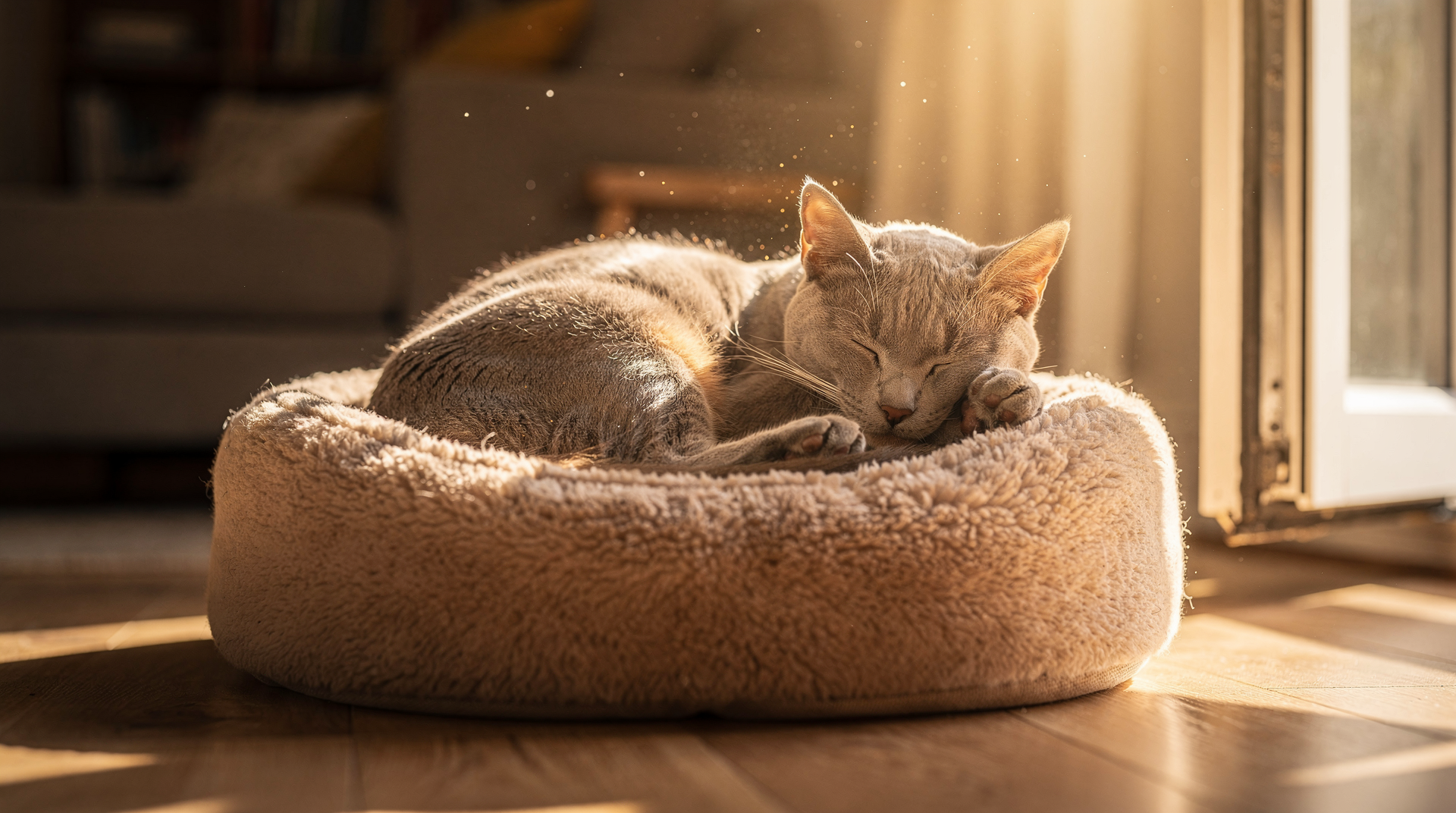
Moreover, the sensory landscape—encompassing warmth, safety, and olfactory security—serves as pivotal foundations for a cat’s choice of sleeping quarters. While some seek out sun-drenched corners or the height of a bookshelf to survey their domain, others gravitate towards the intimate confines of a cozy, enclosed space that echoes their innate preference for snug environments. The choice of sleep locale is not trivial; it reflects a cat’s psychological state and aligns with its instinct to find safety in patterns reminiscent of their wild forebears’ dens. Observing a cat as it curls into a tight ball signifies both comfort and a retreat into a defense mechanism, reflecting an intricate balance between vulnerability and resolve.

Purina Fancy Feast Gravy Lovers Wet Cat Food, 3 oz Cans, 30-Pack | Variety Pack with poultry and beef grilled gourmet recipes, made with no artificial colors or preservatives
EUR 24.47 (as of September 19, 2026 09:11 GMT +00:00 - More infoProduct prices and availability are accurate as of the date/time indicated and are subject to change. Any price and availability information displayed on [relevant Amazon Site(s), as applicable] at the time of purchase will apply to the purchase of this product.)This complex tapestry of sleep influences cannot be disentangled from health considerations. Illness or discomfort often disrupts established patterns, prompting alterations that may serve as early warning signs for attentive guardians. A change in sleeping habits, such as increased restlessness or an aversion to previously favored napping spots, can signal underlying health issues that merit close examination. Such behavior invites caregivers to engage in the art of observation, looking beyond the immediate and recognizing the subtle shifts that communicate the nuanced needs of their feline companions.
In essence, understanding the reasons behind a cat’s sleeping habits not only illuminates their behavioral ecology but also bridges the gap between their instinctual roots and the modern pet experience. A deep comprehension of these patterns empowers owners, transforming them into empathetic observers and informed advocates for their pets’ needs, fostering a relationship that resonates with mutual respect and understanding—the very essence of cohabitation with these enigmatic creatures.
To cultivate an ideal sleeping environment for a cat is to meticulously orchestrate a symphony of sensory experiences, offering a space that resonates with the feline’s intrinsic needs for comfort and security. The architectural design of nesting spaces transforms simple corners or cushions into sanctuaries that not only cradle the body but also appease the mind. Factors such as warmth, privacy, and spatial exploration capabilities play pivotal roles in guiding a cat toward its preferred sleeping zones. Thus, an observant guardian becomes a curator of an ideal napping habitat, curating elements that align with the cat’s deeply rooted preferences.
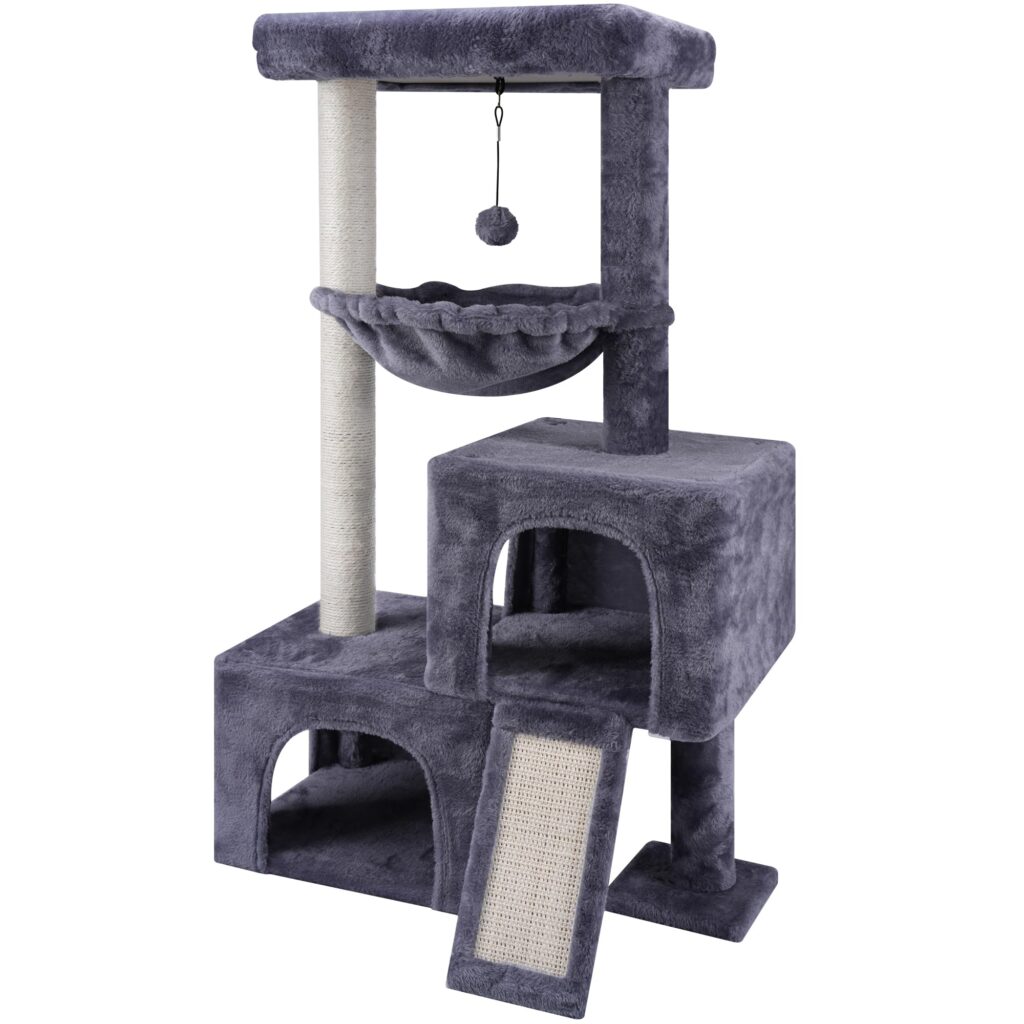
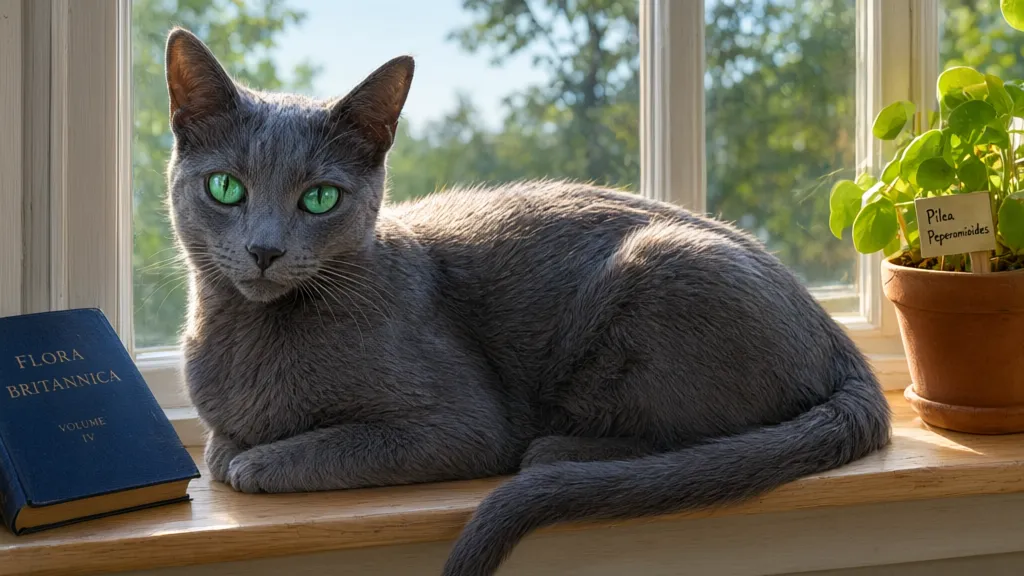
Warmth emerges as an elemental requirement; cats are particularly drawn to sun-soaked patches that allow them to bask in the soothing embrace of heat. In the wild, sunlight serves not merely as a comfort but as an avenue for metabolic regulation, where radiant energy supports muscle function and metabolic activity during crucial periods of rest. Enclosed or elevated spaces become paramount for those more reticent cats desiring security; they prefer to survey their surroundings from vantage points that grant both shelter and observation capabilities. Cat trees, shelves, or well-placed cushions next to window sills magnify this instinctual desire, enveloping the feline in a safe environment while singularly maintaining a watchful eye over its territory.
Privacy ranked closely alongside these factors reveals the psychological intricacies at play. An agoraphobic cat may display overt stress if confined to bustling areas, struggling to achieve the restorative sleep that underpins its overall well-being. Creating nooks with blankets, plush beds, or hidden alcoves results in a more secured sleeping experience, cultivating a sense of autonomy where the cat feels invisible yet present. The enclosure’s design—be it a covered bed or a quick retreat beneath a coffee table—speaks to the feline’s innate need for seclusion while allowing agile dominance over chosen territories.
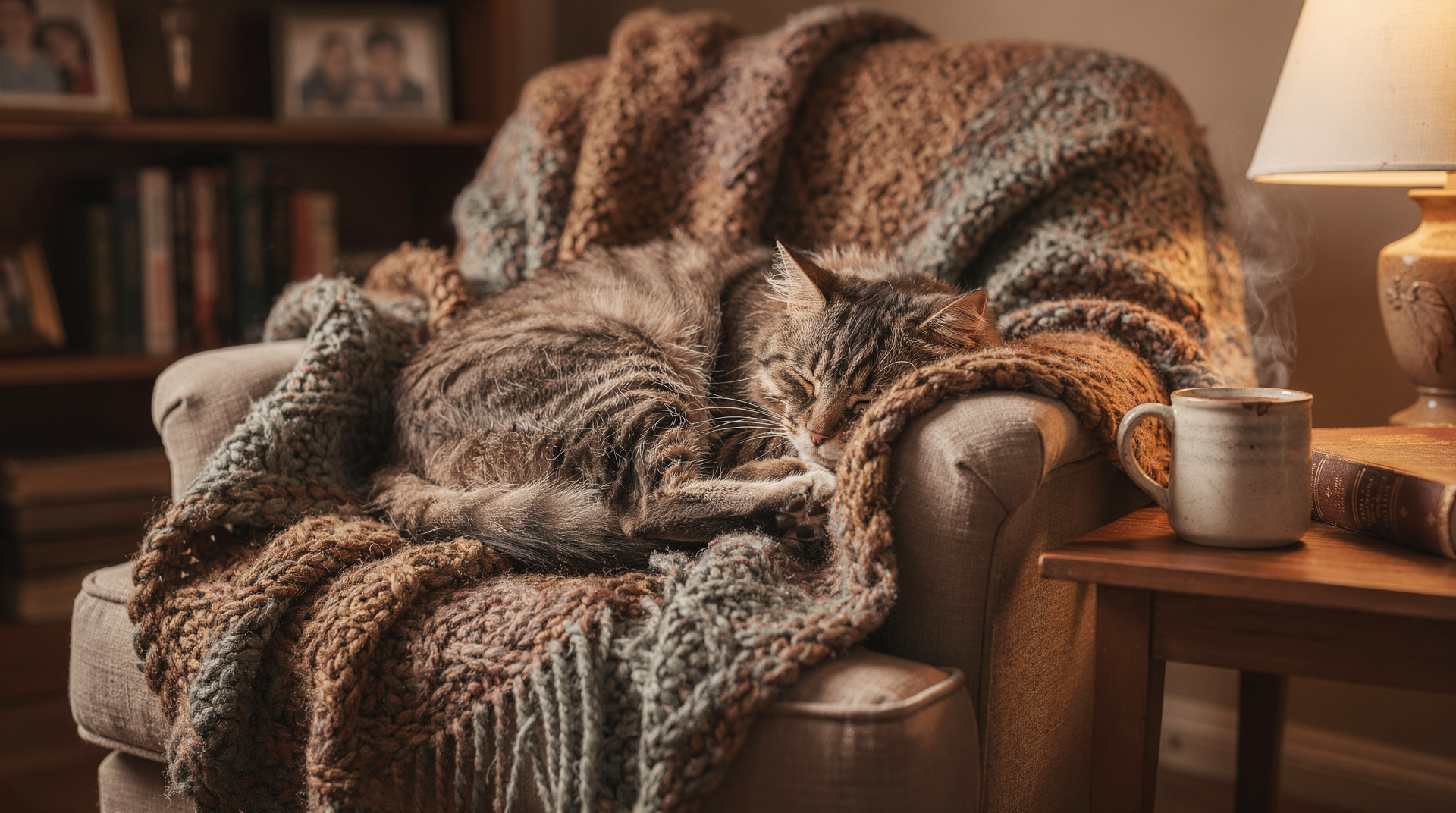
Tactile stimuli greatly influence a cat’s slumber quality. The choice of bedding textures can tilt the balance toward blissful rest or restless nights. Soft, plush materials—such as fleece or faux fur—can evoke warmth and calming embrace. However, consider the chaotic pancake pile of discarded blankets in the living room; while it may appear chaotic to humans, to a cat, the aromatic collection of familiar scents becomes an olfactory array that invokes comfort—creating a tactile tapestry where they feel intertwined with their human companions. An amalgamation of familiar scents invokes deep-rooted nostalgia, establishing a territory that feels unassailably safe. Consider seasonal transitions as well; during warmer months, breathable fabrics might better accommodate the cat’s internal thermostat, whereas the onset of chill will necessitate a shift to denser, heat-retaining materials.
A lesser-known but equally substantial factor includes the auditory landscape surrounding a cat’s sleep environment. Household noises can resonate in discordance with feline tranquility. An anxious cat often manifests behavioral disturbances in response to disruptions—overarching stimuli could translate into heightened vigilance or restlessness during sleep. Therefore, creating quieter zones devoid of abrupt sounds, or employing white noise devices that deliver consistent auditory environments, can ensure a cat’s immersive slumber, ushering it into deeper restorative stages. The right ambiance envelops them in a cocoon of tranquility, empowering them to drift deeper into the cycles of rest without the intrusion of anxiety-inducing vibrations.
Ultimately, the aim of crafting an ideal sleeping environment transcends physical attributes; it reaches into the realm of emotional architecture, melding instinctual needs with personal expression. By understanding the subtleties that underscore a cat’s choices, guardians embark on a journey that not only meets the fundamental demands of slumber but fosters a serene sanctuary in the heart of the home—one that celebrates the delicate dance of comfort, trust, and the instinctual call of the wild that remains forever woven into their being.
The interplay between health, age, and sleep habits in cats emerges as a rich tapestry intertwining physical wellbeing with behavioral expressions. As cats transition through the stages of life—from energetic kittens to wise seniors—their sleep patterns undergo significant metamorphoses, echoing the intricate biological, psychological, and environmental shifts that accompany these changes. The nuances of these patterns are not merely routine; they are conversations coded in body language and reflective of a feline’s state of being. In the vital early months of life, a kitten’s sleep is heavy, laden with growth—manifesting as a steady rhythm of naps that supports rapid physical and neurological development. Simultaneously, these repose periods serve as a foundation for social learning, as they begin to navigate the world of communication through playful interactions during their waking hours.
As cats mature, a discernable shift occurs, dictated by their ever-growing wisdom and, consequently, their fluctuating energy levels. Young adults typically exhibit bursts of exuberance, thrumming with vitality, interspersed with frequent restorative naps. This punctuating rhythm allows them to conserve energy while remaining acutely aware of their environment, embodying both predator and prey roles with remarkable finesse. Nevertheless, as years accumulate, subtle changes creep into this dynamic. Increasing age correlates with an uptick in the duration and frequency of sleep—an evolution not solely indicative of lethargy but rather a sign of a biological clock recalibrating to accommodate diminished metabolism and a cascade of health-related alterations.
Chronic conditions often play a significant role in shaping a senior cat’s sleep behaviors. Conditions such as arthritis, dental disease, or even renal issues manifest not only through physiological discomfort but also extend their influence into the realm of sleep. Pain-related disruptions echo through an older cat’s internal landscape, leading to notable insomnia or an apparent increase in the frequency of restlessness. Just as an ancient tree buckles under the weight of time, so too can the feline form contort in response to hidden aches and maladies. Observing a previously adventurous elder cat seeking refuge in more constricted sleeping positions or favoring warmer locales speaks volumes about their internal dialogues, subtly shifting with age and health status.
The nature of cat sleep also dances to the rhythm of cognitive decline often associated with aging. Feline cognitive dysfunction syndrome (CDS) can introduce erratic sleeping patterns, affecting duration and depth. An otherwise content cat may exhibit signs of confusion, leading to nocturnal wanderings that disrupt a careful balance. Such disruptions deserve keen vigilance and a tender touch, as caregivers aim to navigate these complicated waters. Identifying patterns of awakening, pacing, or vocalization during the night becomes critical to understanding the underlying nuances of a cat’s health and emotional state. Such observations should inform strategies, such as adjusted lighting or environmental simplification, to foster a calming sanctuary that dovetails with their shifting perceptions of safety and comfort.
Senior cats are not only susceptible to physical ailments; their emotional and psychological wellbeing warrants equal scrutiny. The bonds created with caregivers may blossom into dependence, particularly as mobility issues arise. A once-independent feline may find solace in proximity to their human, altering sleeping preferences to nestle closer for both reassurance and warmth. This shift, laden with emotional significance, emphasizes the reciprocal nature of care; as much as cats depend on their humans for physical sustenance, they also thrive in an environment rich in emotional support and security.
The impact of health and age on sleep habits mandates a vigilant eye and an open heart. Observant guardians must engage in continual dialogue—not merely through words, but through shared experiences and quiet moments of connection that speak to a deeper understanding of their feline companions. As guardians decode the lessons embedded in their cats’ sleep behaviors, they unlock pathways not only to improved health management but also to deeper, more compassionate relationships—where every nap becomes a testament to life’s fragile beauty and resilience.