At the confluence of evolutionary biology and ethology lies an intricate tapestry of feline behavior, one woven tightly with threads of instinct, communication, and emotional intelligence. The feline species, evolved from solitary hunters, possesses a repertoire of behaviors that can often seem enigmatic to the average observer. Within this enigmatic exterior lurks a series of nuanced signals, a multi-layered language that transcends mere vocalizations like purring and meowing. A cat’s communication extends into the minutiae of its body language: the intricate dance of micro-expressions, the subtle twitch of a whisker, the poised position of a tail. Each minute variation plays a critical role in inter-feline and human interactions, revealing underlying emotional states and intentions.
The cat’s evolutionary history as both predator and prey informs its unique communicative behaviors. Understanding these dynamics requires an appreciation for their ancestral roots. Take, for example, the tail—an essential instrument of communication. When a cat’s tail is held high, it signals confidence and contentment; conversely, a puffed-up tail communicates defensiveness and alarm. Such signals are often accompanied by micro-expressions that can shift imperceptibly, providing insight into a cat’s emotional landscape. The ability to recognize these subtle shifts is important for constructing a harmonious home environment, as it allows for an attunement to the cat’s needs, ensuring that their instinctual drives for safety, exploration, and territory are satisfied.
Moreover, chemical signaling plays a pivotal role in feline communication and behavior. Cats are equipped with a sophisticated olfactory system that detects pheromones—chemical signals secreted by their own bodies and those of other felines. These pheromones communicate a plethora of information, from territorial boundaries to reproductive status, and serve to reinforce social hierarchies within and beyond the household. Understanding pheromonal signaling can arm a cat owner with essential tools to manage multi-cat households effectively or to mitigate stress during transitional phases, such as introducing a new cat or moving homes.
Vocalizations, while often the most audible component of feline communication, represent merely the tip of an elaborate communicative iceberg. Cats may employ a diverse range of sounds, from chirps to hisses, each imbued with distinct meanings that can vary dramatically based on context. Here, the narrative of a cat’s emotional state unfolds—a plaintive meow might signal urgency or desire, while a series of low growls may express discomfort or a warning. Recognizing these variations fosters a deeper understanding of a cat’s psyche and precipitates more meaningful interactions.

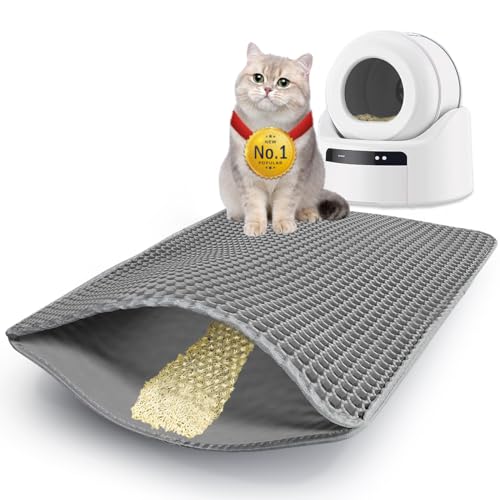
World's Best Cat Litter, Multiple Cat, Unscented, Odor Control, 15 lb Bag | Controls tough multi-cat odors and lasts 2x longer; natural corn litter, quick clumping, flushable, 99% dust free
$19.15 (as of October 23, 2026 20:59 GMT +00:00 - More infoProduct prices and availability are accurate as of the date/time indicated and are subject to change. Any price and availability information displayed on [relevant Amazon Site(s), as applicable] at the time of purchase will apply to the purchase of this product.)Cognitive processing plays an equally fundamental role in how cats interpret their environment and, consequently, how they learn. Contrary to outdated breathless myths that paint them as solitary and untrainable, contemporary studies illuminate cats as remarkably adaptive creatures. They engage with their surroundings through observational learning, mimetic behavior, and trial and error. Thus, the application of positive reinforcement techniques—such as clicker training—reveals just how capable these beings are of forging connections and shaping behaviors. Reinforcement must be attuned to their natural predatory sequences, respecting their instincts and cognitive thresholds to cultivate a genuinely responsive training methodology.
As we dissect the subtleties of feline behavior, we encounter layers of attachment—the quintessential bond between cat and caretaker that enhances emotional well-being. An understanding of attachment styles—secure, anxious, or ambivalent—can profoundly influence how a cat navigates its environment and interacts with its human companions. Modifications in a home’s dynamics or environmental setup can significantly affect a cat’s sense of territory, influencing vital components like trust and security. An appreciation for these delicate balances reveals the psychological architecture underpinning the human-feline bond, suggesting that the path toward a cat’s heart requires not merely affection but also respect for its inherent behaviors and needs.
In observing the complexities of feline behavior, one finds not merely a checklist of needs but rather an intricate psychological tapestry that requires thoughtful engagement from those entrusted with their care. Following this thread of understanding empowers cat owners to transcend the role of mere caretakers and blossom into cherished companions who nurture the soul of their feline friends through informed interaction and empathetic observation. Each shared experience—be it play, grooming, or quiet companionship—shapes the nexus of trust and harmony that fuels the feline spirit, igniting the full potential of their feline nature.
Essential enrichment tools serve as the lifeblood of a cat’s psychological and physical well-being, transcending the mere provision of toys and structures. At the heart of this enrichment lies a sophisticated understanding of a cat’s predatory instincts, exploring avenues that resonate with their intrinsic behaviors while fostering a rich and stimulating environment. Engaging with these tools requires intentionality and a keen awareness of the cat’s multifaceted nature—their needs for stimulation, autonomy, and security all interwoven against the backdrop of their evolutionary instincts.
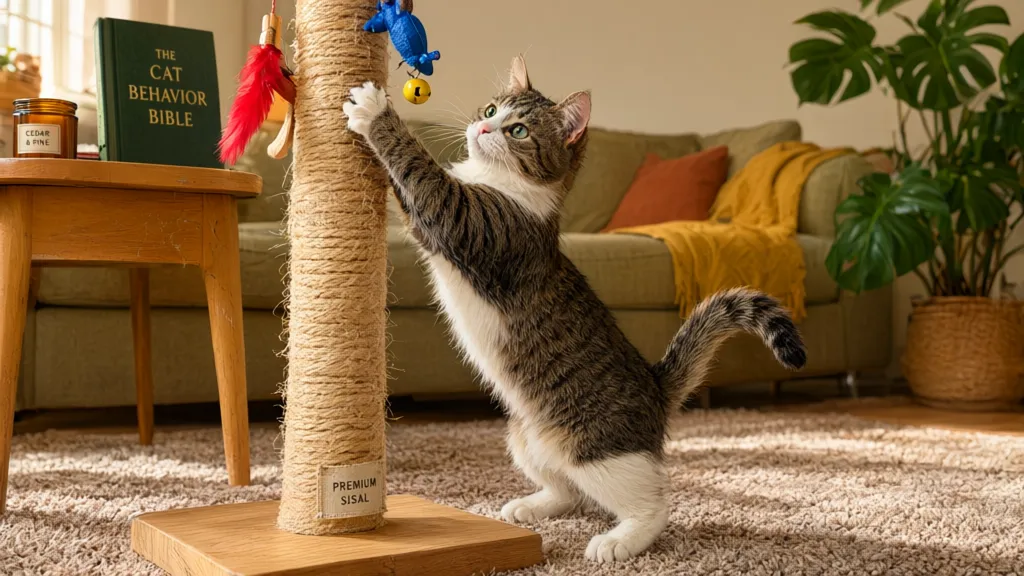
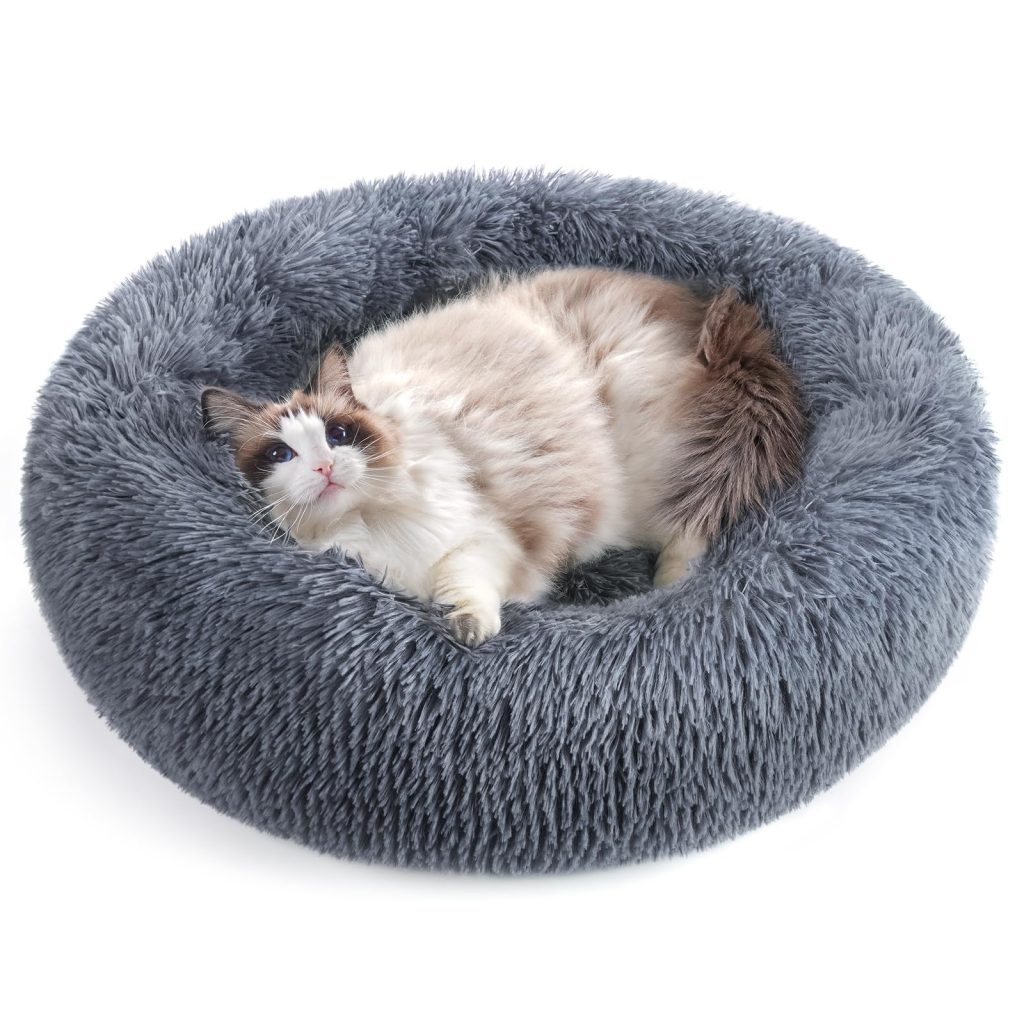
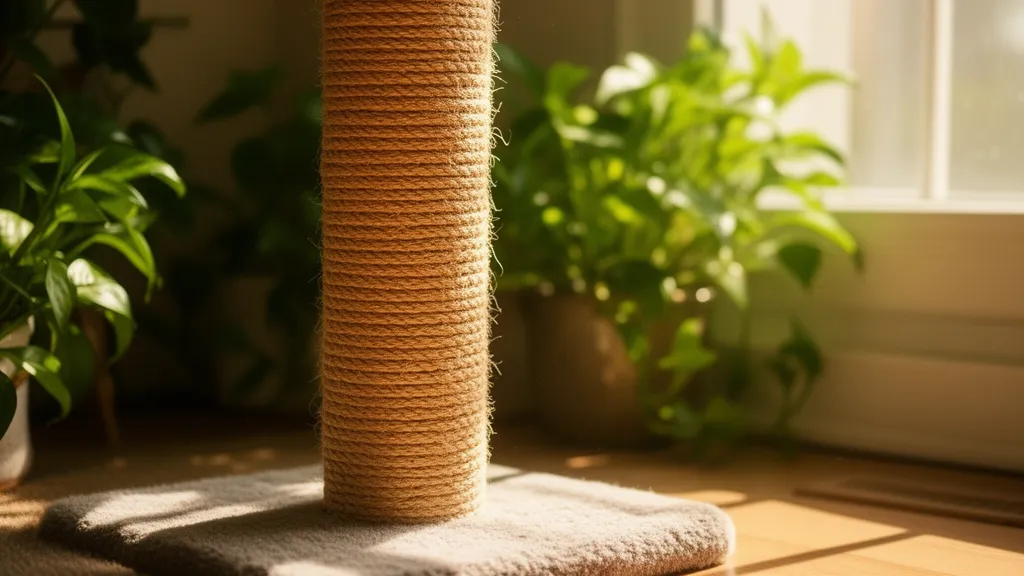
The tactile exploration of a varied environment can be achieved through diverse materials and textures. Scratching posts, made from sisal, cardboard, or wood, offer not just an outlet for their instinctual need to maintain claws but also serve as a vertical territory marker in a domestic landscape. Vertical space is paramount, allowing a cat to ascend and observe their realm from above—this instinctual behavior harkens back to their wild ancestors, who used height for both safety and hunting. Platforms interspersed with soft bedding provide inviting sanctuaries to rest while surveying their environment, an important psychological retreat enhancing their sense of security.
Interactive play stands as a pillar of enrichment, imbuing the act of hunting with the thrill of pursuit through toys that mimic the movement of quarry. Feather wands and laser pointers create an ephemeral choreography, igniting the cat’s predatory drive while also allowing for physical exercise essential for both mental and physical health. As they stalk, pounce, and capture, cats are not merely playing; they’re engaged in a simulated hunt. Such interactions foster not only physical agility but also enrich the emotional bonds formed between cat and caregiver, as owners participate in this primal dance of chase and intrigue.
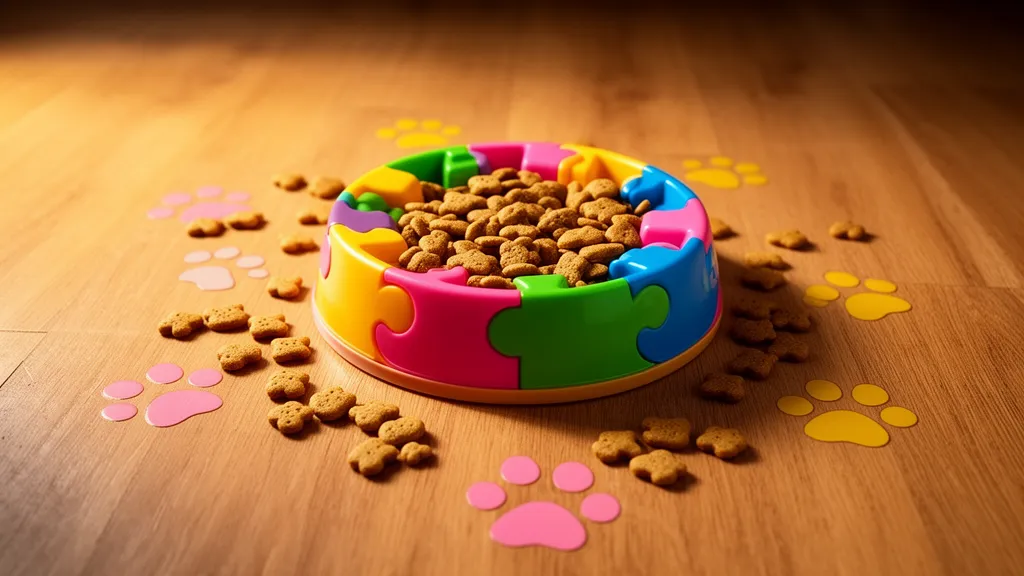
Incorporating food puzzles and treat-dispensing toys introduces an element of cognitive challenge, compelling cats to engage in problem-solving akin to their foraging ancestors. This transformation of mundane feeding into a rewarding game catalyzes natural behaviors, stimulating their minds while preventing boredom. Engaging a cat’s intellect through these puzzles aligns harmoniously with their need for autonomy, granting them both agency and fulfillment within their domestic sphere. The act of ‘hunting’ for a meal reawakens the ancestral instinct that lies dormant within, enriching the feline experience profoundly.
Moreover, sensory enrichment is an often-underestimated dimension of feline well-being. Using scents—such as catnip or silver vine—can elicit euphoric responses, activating neural pathways deeply rooted in the cat’s biological makeup. These scents serve as olfactory stimulants, eliciting behaviors ranging from playful exuberance to serene tranquility, vastly enhancing emotional regulation. Integrating aromatic elements into their environment can dramatically alter behavioral dynamics, sparking visual and tactile explorations that awaken innate curiosity.
Engagement with other species can also provide enrichment, though this must be approached with caution and understanding of the individual feline’s temperament. Many cats benefit from the presence of another cat or even a well-matched dog, as interspecies interactions can stimulate play and promote socialization. The establishment of hierarchies and relationships through careful introductions can result in rewarding companionships, further broadening the environmental tapestry that informs a cat’s life.
Understanding the preferences and quirks of individual cats enhances the behavioral enrichment strategy. Observational learning is critical, as each cat will articulate its needs and desires in unique ways. By laying the groundwork for a diversified environment—one that respects their instinctual drives and encourages curiosity—owners become architects of their cats’ emotional and physical landscapes. The thoughtful integration of these essential enrichment tools nurtures psychological well-being, forging deeper connections and fostering an enriched existence for our feline companions.
Crafting an environment that caters to the dynamic and multifaceted nature of felines requires a deep understanding of their instinctual behaviors and psychological needs. Every element within a cat’s domain should become a conduit for exploration, expression, and engagement—a veritable playground that stimulates both body and mind. To this end, the thoughtful design of spaces within the home is not merely an aesthetic endeavor but a robust strategy to nurture a cat’s well-being through creative, interactive experiences.
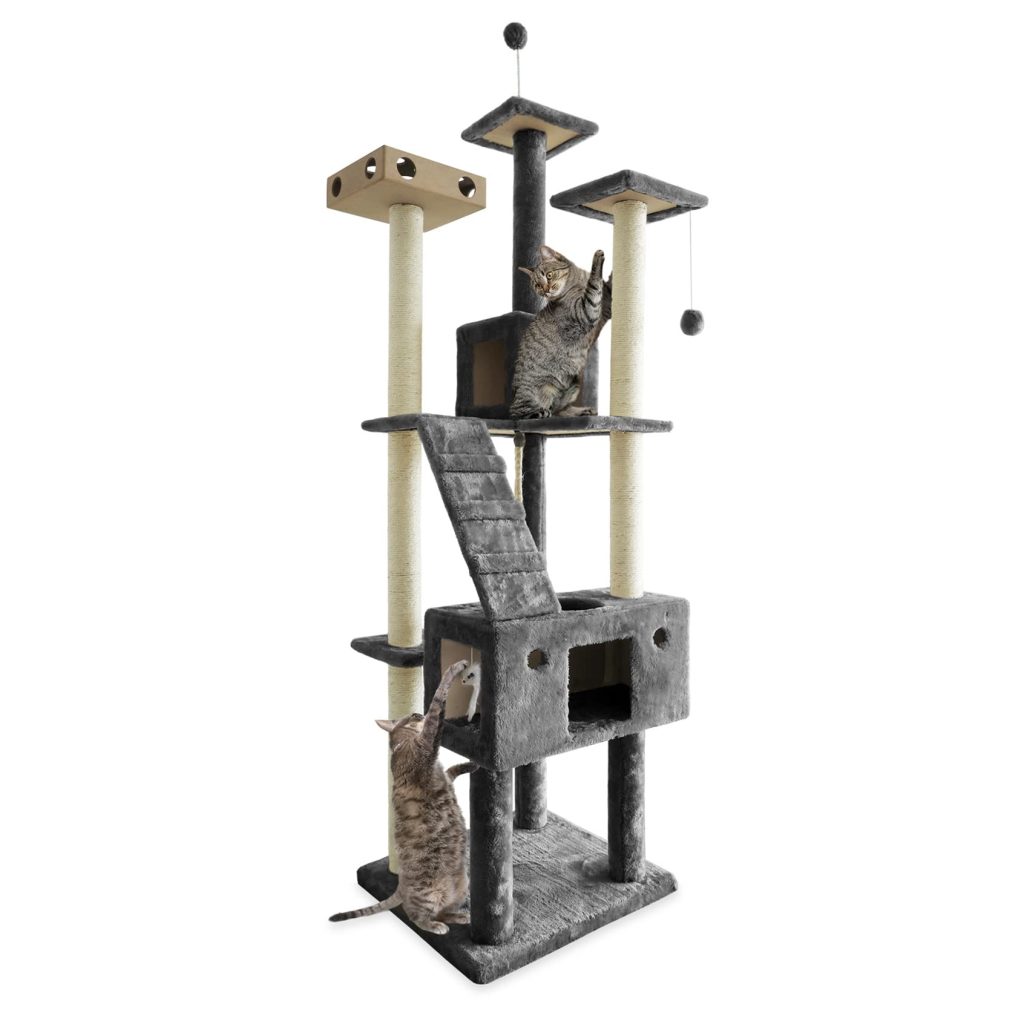
Central to creating playful spaces is the incorporation of vertical structures that resonate with a cat’s innate climbing instincts. Cat trees, shelves, and perches not only provide opportunities for exercise and play but also serve vital psychological functions. Elevated positions offer cats a vantage point, an instinctive refuge that allows them to observe their surroundings from a place of safety. The strategic placement of these structures—adjacent to windows or in communal spaces—invites cats to partake in the theatrical ballet of life outside, with birds flitting by and humans bustling in daily routines. Each leap and crouch into the air reaffirms their agility and prowess, instilling confidence and reinforcing their status as rightful inhabitants of their territory.
Moreover, the integration of various textures and surfaces in play areas can ignite a cat’s sensory curiosity. Soft blankets, carpeted platforms, and even crinkly materials can provide unexpected delights and discoveries. The multisensory experience serves to engage their formidable whiskers, which are critical for environmental navigation, while also stimulating play through tactile exploration. Elevated surfaces can be adorned with enticing materials that invite scratching and kneading—behaviors deeply rooted in their lineage as felines marking territory and expressing comfort. Each interaction with these textures fosters a vocabulary of play, where the environment becomes intimately intertwined with their emotional expressions.
Interactive installations can further augment this environment, beckoning curiosity and promoting engagement. Toys suspended from ceilings, or puzzle feeders concealed within varying landscapes, encourage investigative behavior. As cats nudge, paw, and pounce at these objects, they engage in a complex interplay of instinctual hunting behavior reminiscent of their wild ancestors, transforming mundane moments into grand adventures. The stimulation provided by such interactive tools is key to counteracting boredom and anxiety, ensuring that the domestic setting remains a source of continual intrigue and challenge.
Water features, like fountains or small aquariums, should not be overlooked. Cats, drawn to moving water, are often more inclined to drink from a flowing source than a stagnant bowl. The bubbling sounds and visual stimulation adds an enchanting element to their habitat, satisfying both instinctual needs and serving as a decorative piece that enhances the domestic atmosphere. Such spaces can serve as tactile and visual focal points, offering sensory food for contemplation while at the same time promoting hydration—a fundamental aspect of feline health.
For the enrichment of a cat’s play experience, consider incorporating cooperative play opportunities that allow for partner interaction. Toys that require the joint efforts of both cat and caregiver—such as feathered wands or puzzle toys designed for two—can enhance relational bonding while providing physical and mental stimulation. These interactions remind us that play is not merely a solitary endeavor but a shared experience, deepening the connection between the cat and its human counterpart. Each flick of the paw or enthusiastic chase can serve to reinforce the social bond, encouraging an atmosphere of mutual engagement and joy.
Ultimately, the design of playful spaces resonates with the core elements of a cat’s identity, reflecting the complex interplay between instinct and emotional well-being. By thoughtfully considering the needs for exploration, stimulation, and social connection, caregivers can create a sanctuary marked by both harmony and excitement. It’s within this careful choreography of elements—a symphony of climbing, scratching, and investigating—that a cat’s spirit can thrive, transforming a simple home into a bastion of feline happiness and fulfillment. Nature’s artistry, mirroring the elegance of feline behavior, invites us to engage fully in crafting environments that honor and celebrate our enigmatic companions.